
Humanoid platforms, and a straight account of them
Wheeled service humanoids, bipedal platforms, dual-arm workcell units and research systems from manufacturers we have actually seen deliver. Supplied with the SDK, spares and documentation — and with an honest description of what each one does unattended.
The most requested category, and the least mature
More people ask us about humanoids than about anything else in this division, and more of those conversations end with the buyer choosing something else — usually because the honest answer to "what will it do on my floor, on its own, all day" is narrower than the videos suggest.
The uses that work commercially today are greeting and guidance, demonstration and brand presence, education, and research. Those are real markets with real budgets. General-purpose labour is a pilot programme, not a product you can order by the pallet, and we will say so rather than take the order and let you find out.
Two things are worth knowing before you look at any manufacturer's footage. A large share of it is teleoperated — a person in a motion-capture suit, off camera, driving the machine. That is legitimate for demonstrations and genuinely useful in deployment, but it is not autonomy, and we will tell you which mode you are watching. The second is that this field moves faster than any other here: firmware support windows and spares matter more than the spec sheet, because the unit you buy this year has a shorter shelf life than a robot arm bought a decade ago.
What we do is supply: selection, configuration, testing, SDK and licence keys, spares, documentation and freight. Application development, integration and deployment support run through partner integrators and are quoted separately.
Why buy a humanoid through us
-
A straight capability answer
What the platform does unattended, what needs an operator, and what is still a demonstration — before you commit.
-
Teleoperation disclosed
If a capability in the footage was driven by a person, we say so. You should assume it until told otherwise.
-
We quote what ships
Several well-known platforms are preorder-only or allocated. We price what we can actually deliver to your country.
-
See one first
A demonstration or a single unit before a fleet, because nobody should buy this category from a video.
-
Spares and service planned
Joints, actuators, batteries and covers are consumables on these machines. The holding is quoted with the robot.
-
Support window in writing
How long the firmware, SDK and parts are supported, stated on the order — the number that ages worst in this field.
-
Content in your language
Speech, screen and interaction configured for your market before dispatch, not left to the venue to fix.
-
Freight handled properly
Heavy, fragile and lithium-carrying. Crating, declarations and insurance arranged rather than improvised.
Where they earn their place today
Written as of now, not as of the roadmap. Tell us the job and we will tell you whether a humanoid is the right shape for it — often the answer is a service robot or an arm at a fraction of the cost.
- Reception & greeting
- Wayfinding & visitor guidance
- Retail & brand activation
- Exhibitions & trade shows
- Showrooms & flagship stores
- Museums & visitor centres
- University research
- STEM & vocational teaching
- Corporate lobbies
- Hospitality concierge
- Telepresence
- Media, film & events
- Manipulation & logistics pilots
- Companionship & engagement trials
Six classes we stock and source
Wheeled service humanoids
Humanoid upper body on a mobile base. The most deployable class by a distance: it cannot fall over, it runs all day, and it covers most greeting and guidance work.
Bipedal platforms
Full walking humanoids. The category everyone means when they say humanoid, and the one that needs the most honest conversation about duty, supervision and floor conditions.
Dual-arm workcell units
Stationary humanoid torsos on a bench or pedestal for two-handed assembly, laboratory and packing tasks. Human-shaped where it helps, without the balance problem.
Research platforms
Open SDK systems for universities and corporate labs, bought to be programmed rather than to perform a fixed job. Sold with the toolchain and the documentation that matters.
Education & training units
Smaller, robust and affordable humanoids for classrooms and vocational programmes, supplied in quantity with curriculum material and spares.
Exhibition & entertainment
Units bought for presence — brand activations, events, attractions. Scripted and supervised, and specified for appearance and reliability rather than autonomy.
What comes as standard
In every order. Application development, content creation, integration and on-site deployment support are quoted separately — on this category that work is usually the larger half of the project.
-
Robot & charging station
Unit and dock supplied as a matched set, with the mounting or transport case the model requires.
-
Operator console or tablet
The control and supervision interface the platform ships with, configured and tested before dispatch.
-
SDK & licence keys
Development toolchain and any software licences, with the term, renewal and support window stated in writing.
-
Capability statement
A written account of what the model does autonomously, what needs supervision, and what requires an operator.
-
Battery & spare pack
Packs matched to the duty pattern you describe, with spares quoted rather than discovered when the unit stops mid-event.
-
Pre-shipment functional test
Joints exercised, sensors and software checked, firmware recorded, with photographs and serial numbers issued before crating.
-
Documentation & declarations
Manuals, safety information, declarations and the certification file for the destination market.
-
Crating & recommended spares
Export packing for a heavy, fragile, lithium-carrying machine, plus a spares list per model at delivery.
What is fixed and what is chosen per order
Humanoid platforms vary more between models than anything else in this division, so this table describes how each line gets decided. Confirmed values for your order appear on the configuration sheet before production.
- Platform classes
- Wheeled service humanoids, bipedal platforms, dual-arm workcell units, research platforms, education units, exhibition and entertainment
- Locomotion
- Wheeled base or bipedal walking. Wheeled cannot fall and runs longer; bipedal handles steps and uneven ground and needs far more supervision
- Autonomy
- Stated per model in writing: what runs unattended, what runs supervised, what is scripted, and what requires a teleoperator. Assume teleoperation in demonstration footage unless we have confirmed otherwise
- Manipulation
- Hand or gripper type, degrees of freedom and practical payload per model — the difference between a hand that gestures and one that carries is total
- Sensing
- Cameras, depth, audio and force sensing per model, with the processing location stated (on-board or off-board)
- Battery & duty
- Sized to the shift or event pattern you describe rather than the datasheet figure, which is measured under light load
- Safety
- Bipeds can fall. Models are supplied with the manufacturer's exclusion, supervision and barrier requirements; responsibility for the operating environment and crowd separation remains the operator's
- Environment
- Indoor, level, dry floors unless the model states otherwise. Steps, slopes, deep carpet, gravel and rain are model-specific and usually excluded
- Connectivity
- Wireless standard and coverage requirement per model, including bandwidth where perception or teleoperation runs off-board
- SDK & programming
- Toolchain, supported languages and how open the platform is — the deciding factor for research buyers and the most common source of regret for everyone else
- Content & language
- Speech, screen and interaction configured to your market before dispatch, with additional languages where the manufacturer supports them
- Cameras & data
- These units film and record audio in public. Storage, retention, notices and compliance with local data protection law are the operator's responsibility — settle it before deployment
- Support window
- How long firmware, SDK and spare parts are supported, stated on the order. In this category that window matters more than the specification
- Spares & service
- Actuators, joints, covers and batteries are wear items on humanoids. A recommended holding is quoted with the robot rather than after the first failure
- Branding
- Livery, screen theming and voice identity on selected lines, where the manufacturer permits own-label supply
- Power supply
- Charger voltage, phase and frequency set to the destination country at order, not adapted after arrival
- Documentation
- Manuals, safety information, declarations, certification file and test record, in the destination language where available
- Packing & transport
- Heavy, fragile and lithium-carrying: purpose-built crating or flight case, with carrier declarations and transit insurance arranged
- Warranty
- Manufacturer's terms per model, stated on the quotation; claims raised and chased by us with the factory
All specifications are confirmed on the approved configuration sheet for your order.
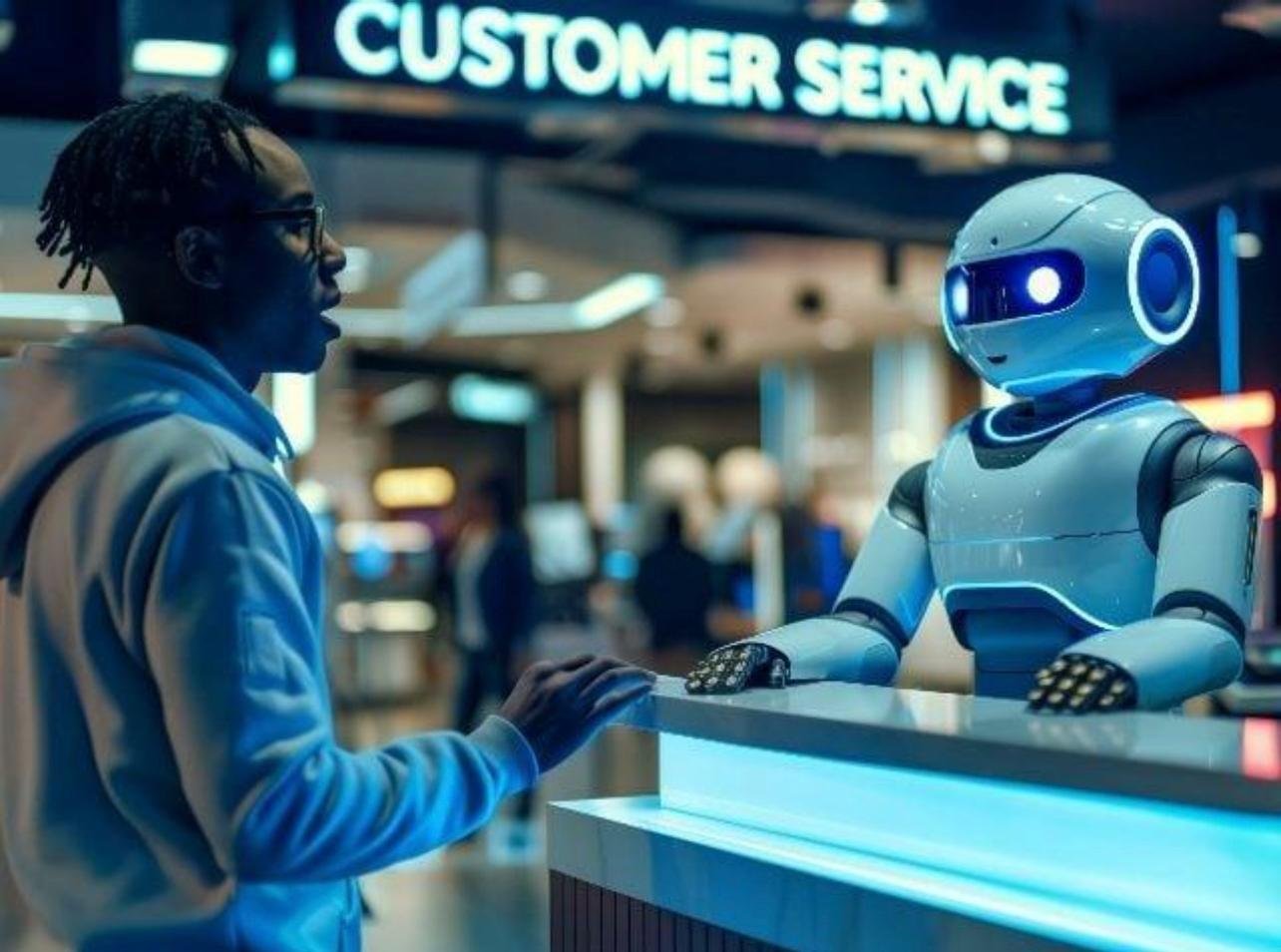
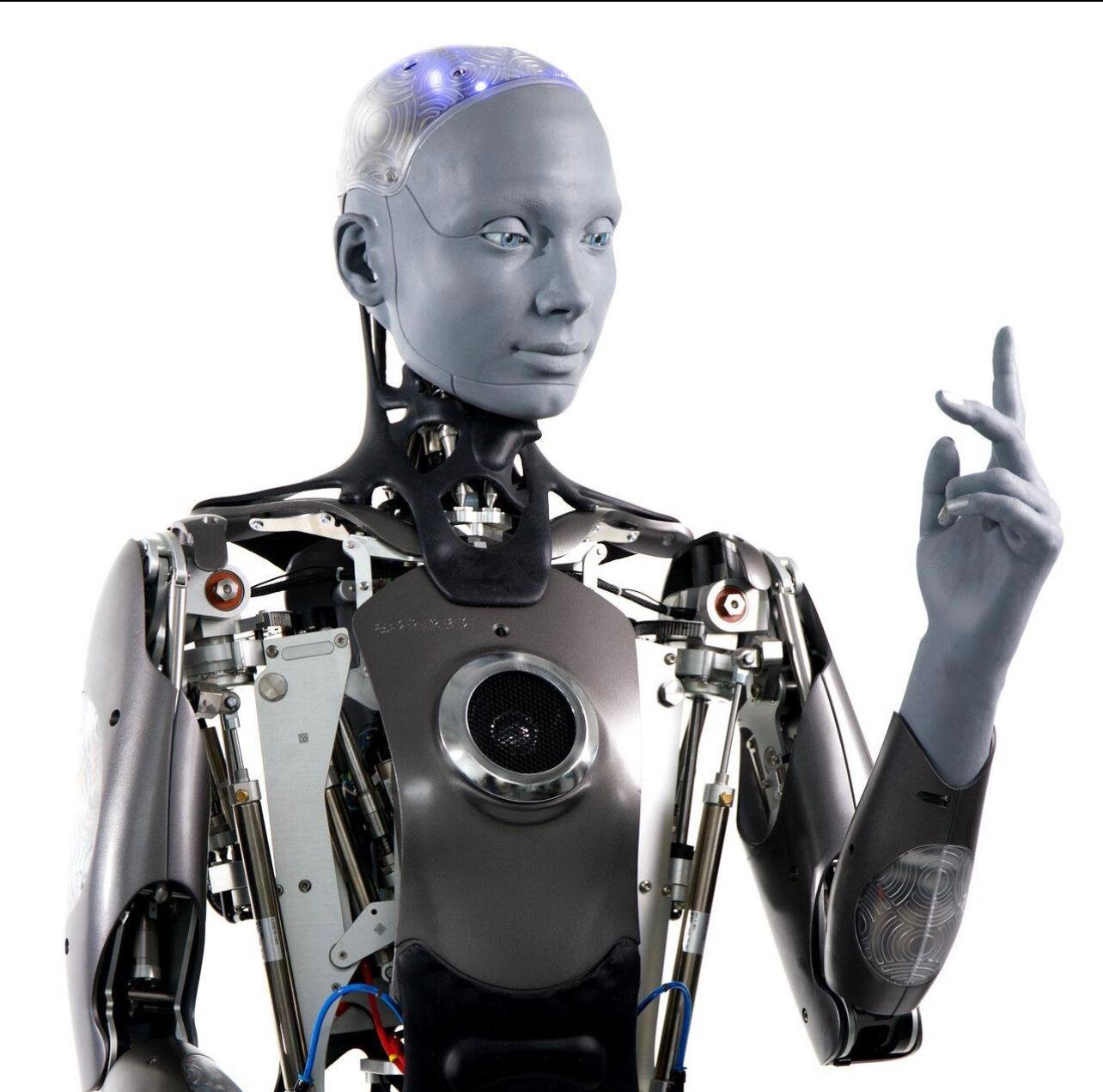
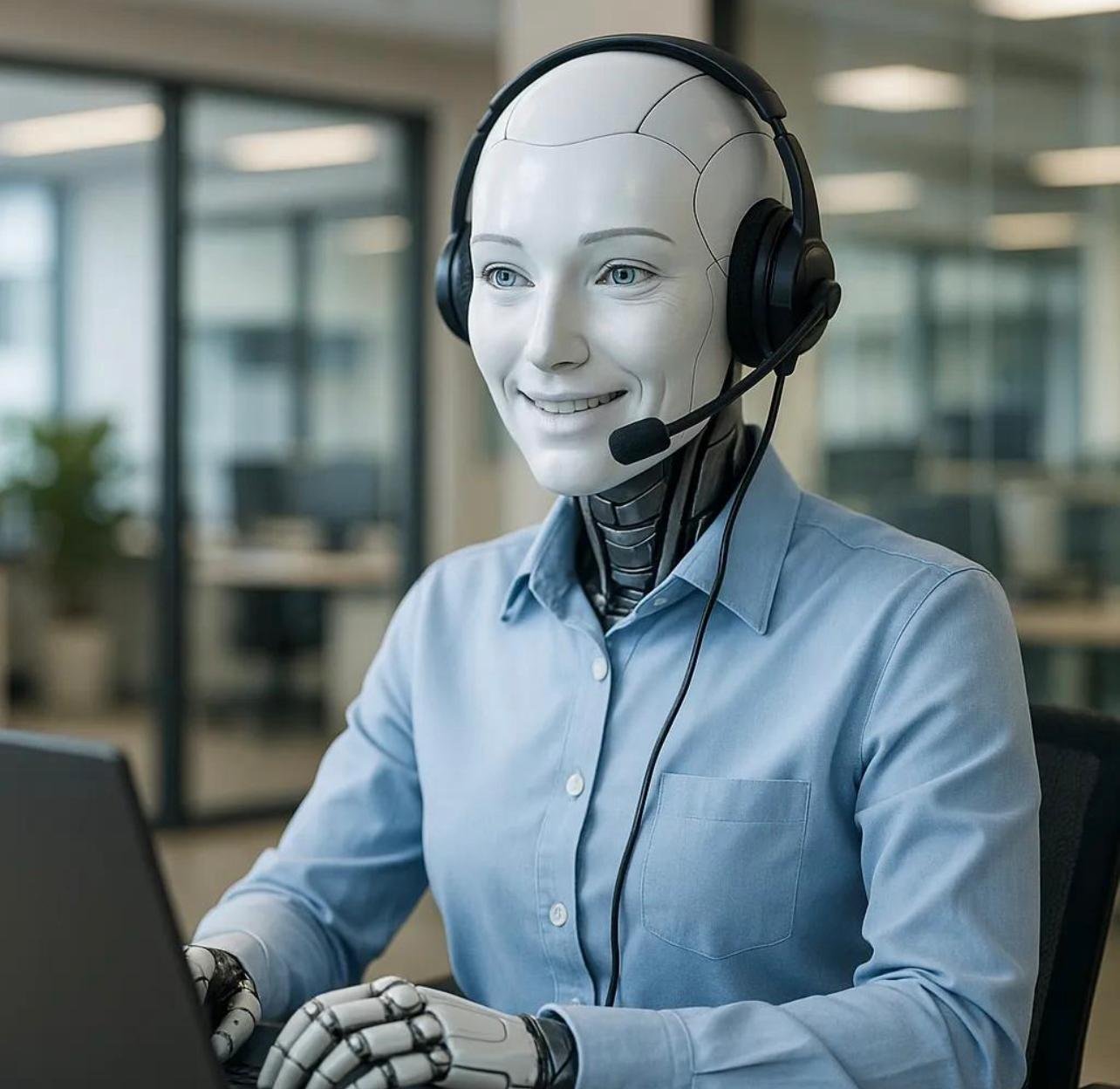
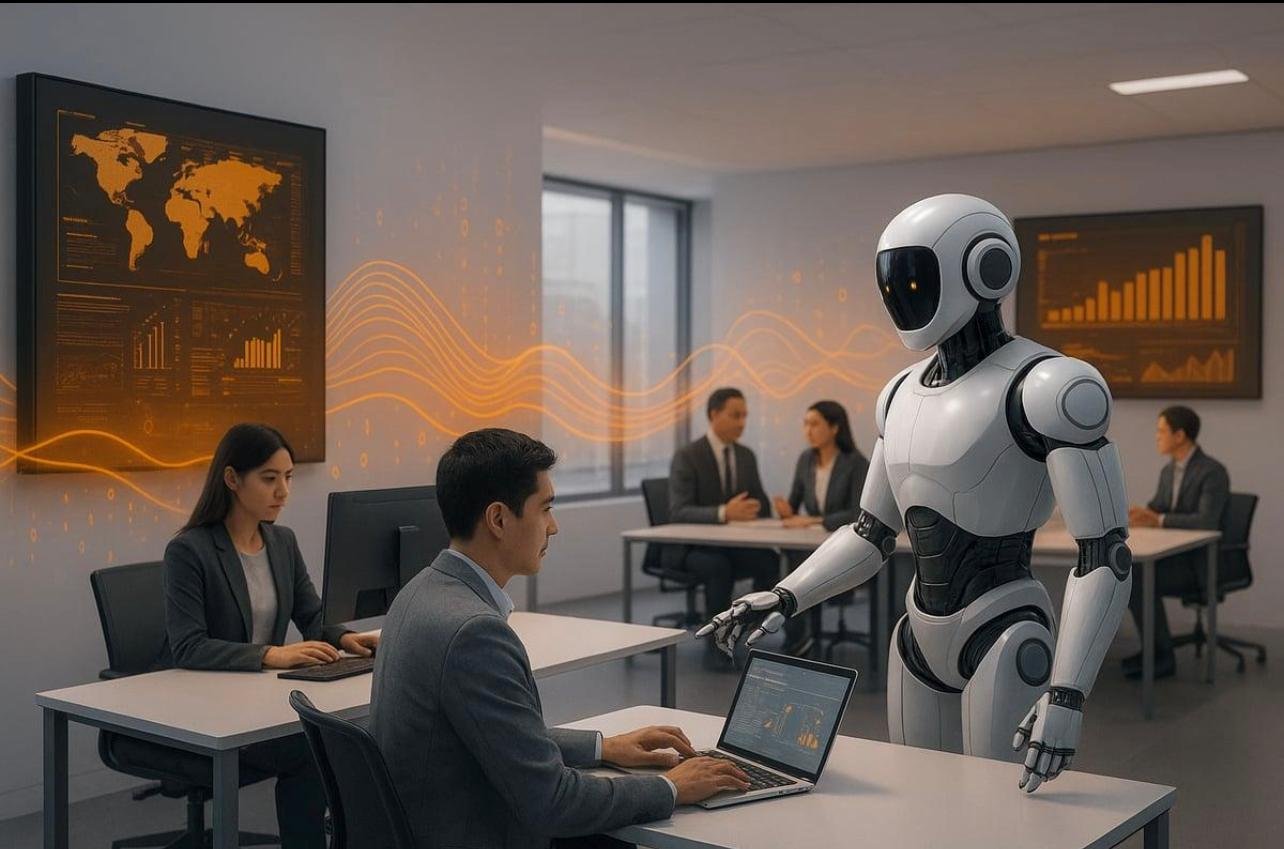
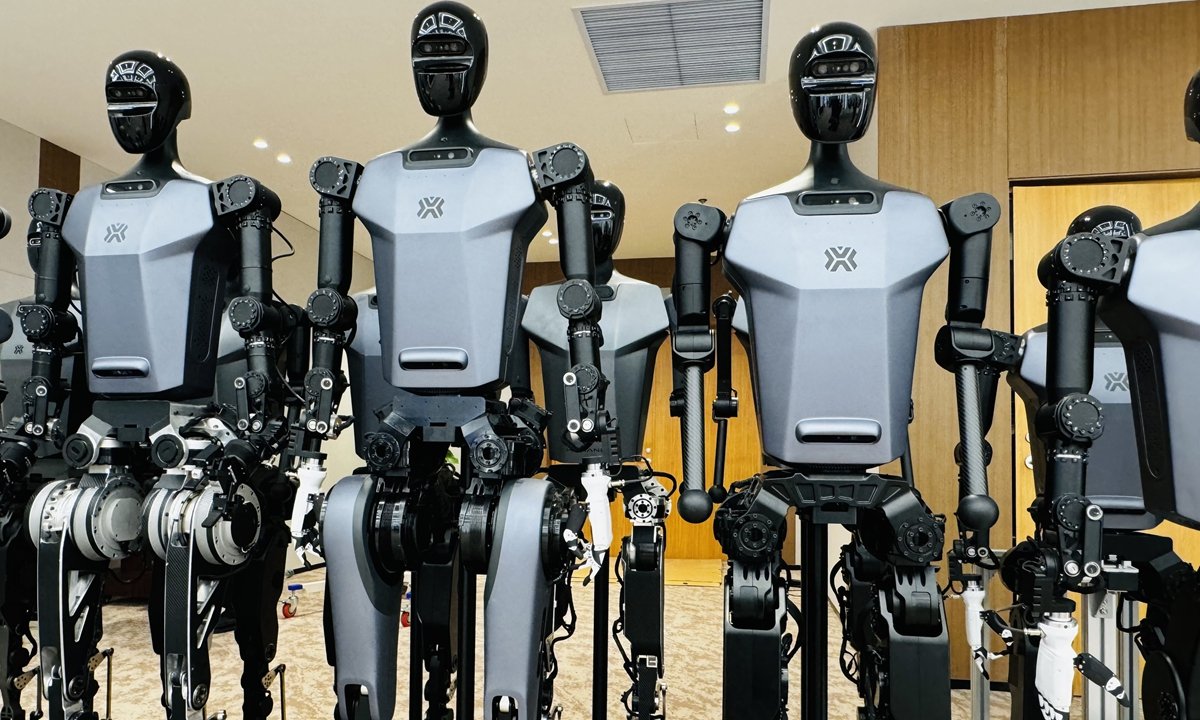
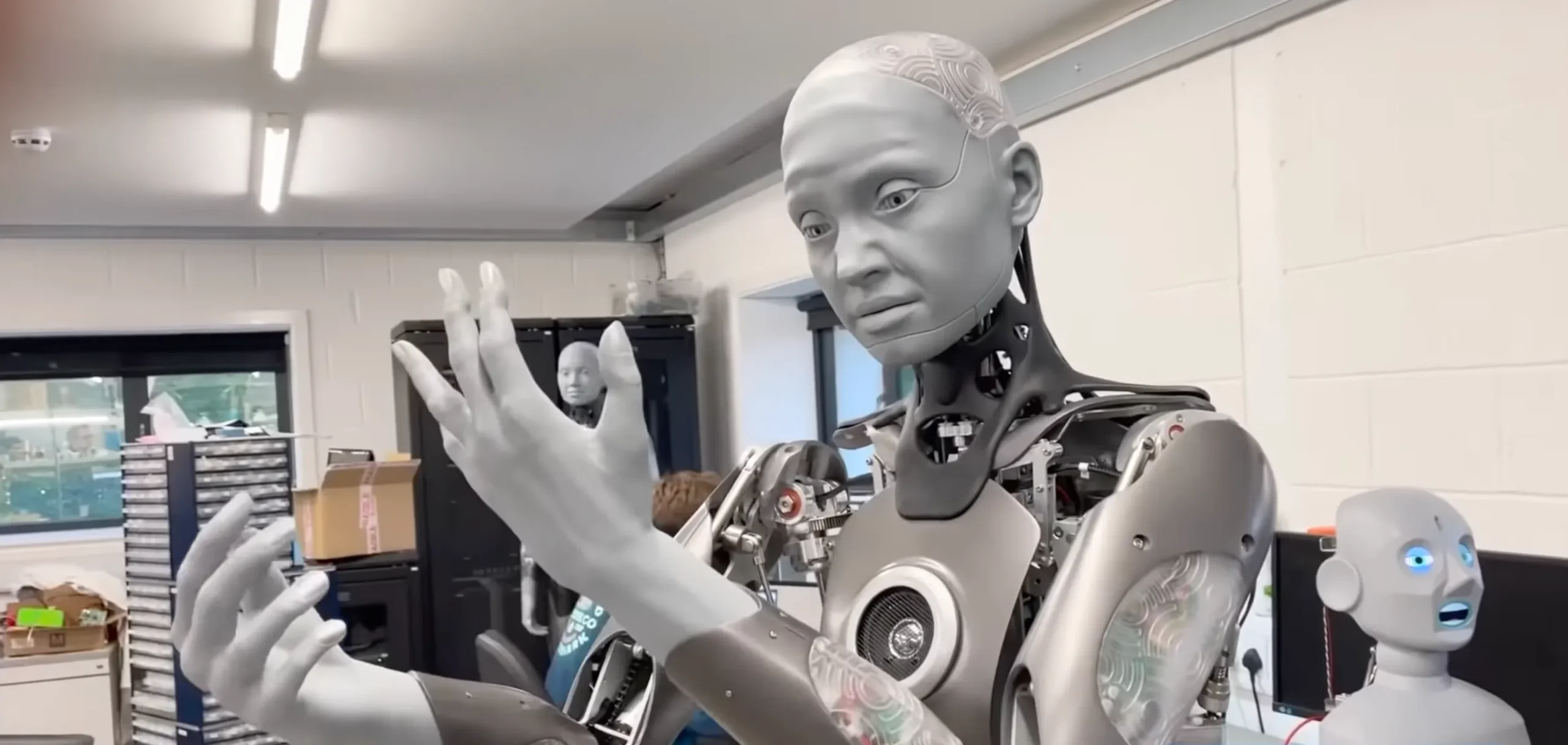
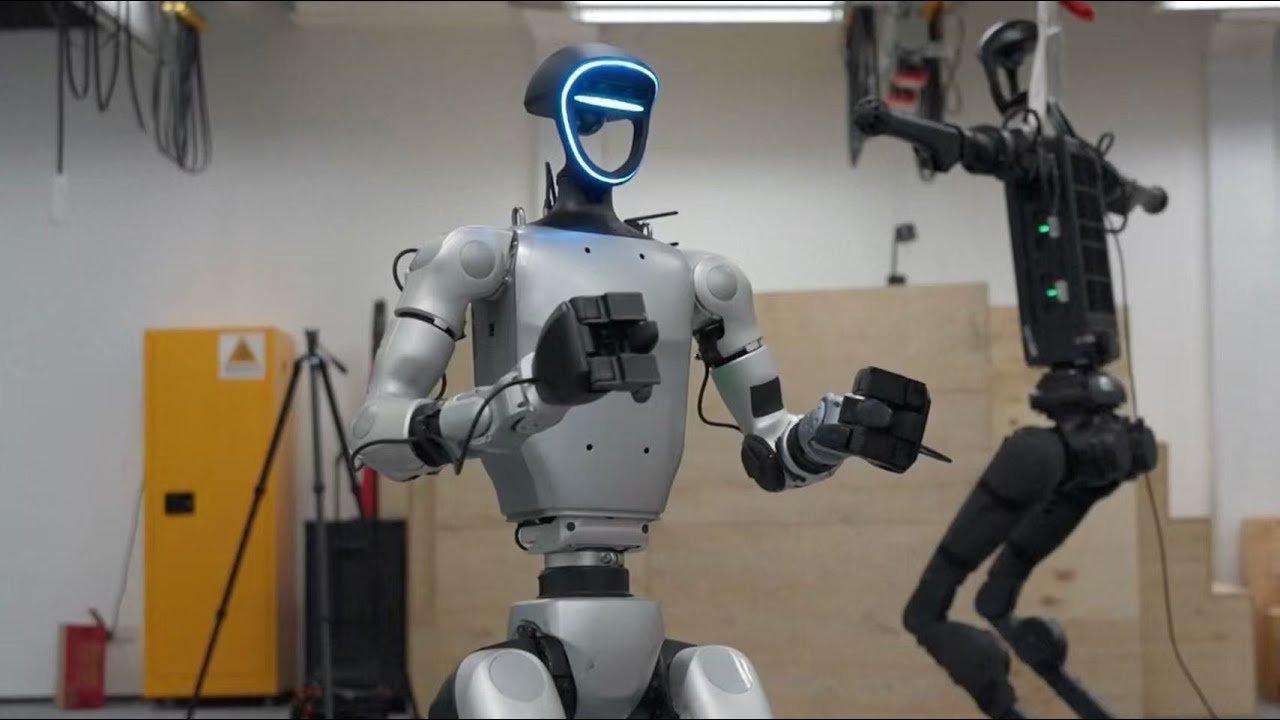
The category, photographed honestly
Platforms we supply, in the settings they are actually deployed in.



Take the detail with you
Asked before you ask
01 What can a humanoid actually do on its own today?
Reliably and unattended: greet people, answer scripted questions, guide visitors, present and demonstrate, and run teaching and research programmes. With supervision: simple repetitive manipulation in a controlled space. Still a pilot rather than a product: general-purpose work in an unstructured environment. We will give you that assessment in writing for the specific model you are considering.
02 Are the videos we have seen teleoperated?
A good proportion of impressive humanoid footage is — a person off camera driving the machine, often in a motion-capture suit. That is legitimate for a demonstration and genuinely useful in deployment, where a remote operator can take over a task the robot cannot finish. It is simply not the same product as autonomy. Assume teleoperation until someone tells you otherwise, and ask us which mode any clip was recorded in.
03 Can it work around the public? Will it fall over?
Bipeds can fall, and a heavy machine falling near people is the incident that ends a deployment. Each model comes with the manufacturer's requirements for supervision, barriers and exclusion, and several are not intended for unsupervised operation in crowds at all. Responsibility for the operating environment sits with the operator, so if the deployment is public-facing, say so early — it may point you at a wheeled class instead, which cannot fall.
04 Can you actually deliver one, and when?
For some platforms yes, for others no. Several of the best-known humanoids are preorder-only, allocated to a small number of partners, or not exportable to every market. We quote what we can genuinely ship to your country, and we will tell you plainly when a model you have read about is not one of them rather than taking a deposit against a maybe.
05 What happens when something breaks?
Assume it will. Actuators, joints, covers and batteries are wear items on these machines, more so than on any arm or mobile robot. We quote a recommended spares holding with the unit, hold fast-moving parts for the lines we supply, and raise and chase warranty claims with the factory. Ask about the support window too — how long firmware, SDK and parts remain available matters more here than the specification.
06 Should we buy one at all, or wait?
If the job is greeting, presence, teaching or research, buying now makes sense — those uses work today and the unit earns its keep. If you are hoping to replace labour in an unstructured environment, a single pilot unit or a short-term hire will teach you more than a fleet purchase, and this field moves fast enough that waiting a generation costs you little. We would rather sell you one robot you use than five you photograph once.
Tell us the job, and we will tell you the shape
Describe what you want the robot to do and where. You will hear back within two working days with the class that fits, what it does unattended, what we can actually deliver to your country, and an indicative range.
If the job is closer to one of these, start there instead — most of what people want a humanoid for is done better and far more cheaply by something else.