
Custom is a word
with six meanings
Unusual configurations, made-to-order tooling, manufacturer special versions and partner-built bespoke machines — sorted into what each one really is, who delivers it, and which of them you probably do not need.
Most custom requirements are met by something standard.
Buyers arrive at a page like this one with six different requests, all spelled the same way. Sorting out which one you actually have is worth more than anything else we could put here, because two of the six are separated by an order of magnitude in cost, time and risk.
Here is our side of it plainly. We configure, specify and source: unusual combinations of standard equipment, made-to-order grippers and tooling, and manufacturer special versions quoted through us. We do not design or manufacture bespoke machines. Where a requirement genuinely needs one, the design and build belong to the manufacturer or to a partner machine builder, and they carry the professional responsibility for that work.
The unglamorous truth is that most requirements described as custom are met by a product the buyer has not found yet. Robotics is a wide market with a lot of specialised equipment in it, and finding the existing thing is faster, cheaper, better documented and easier to maintain than commissioning a new one. That is the least impressive service in this category and by a distance the most valuable.
When bespoke really is the answer, three questions decide whether it goes well, and they are all worth asking before a quotation rather than after. Who will own the design and the drawings. How a machine with a production run of one gets spares and support in five years. And what "finished" means in writing, when there is no datasheet to compare the result against.
Why start a custom requirement with us
-
We look for the standard answer first
Before anyone designs anything. Finding the product that already exists is cheaper for you and costs us the bigger order.
-
A wide catalogue to search
Many manufacturers and a lot of specialised equipment, so "nothing fits our part" is usually a search problem rather than a design problem.
-
We tell you which class you are in
Configuration, special version or genuine bespoke build. Knowing which one changes the budget and the timeline completely.
-
Manufacturer specials quoted properly
Factory-modified variants exist far more often than buyers realise. We ask the manufacturer rather than assuming the catalogue is the limit.
-
Your requirement stays yours
Parts, drawings and process detail you share are covered by confidentiality both ways, and never reused for another customer.
-
Design ownership raised early
Who owns the drawings and the tooling, and whether it can be sold to anyone else, settled before a quotation rather than after delivery.
-
Honest about the one-off problem
A machine with a production run of one has no installed base, no field history and made-to-order spares. You should hear that from us first.
-
An honest no
Change the fixture, change the part presentation, or accept a manual step. Sometimes the cheapest custom solution is not a machine at all.
Where standard equipment runs out
A sample rather than a limit. Every one of these has been solved with standard equipment somewhere and needed something bespoke somewhere else, which is exactly why the classes below matter more than the list.
- An awkward part geometry nothing grips
- Fragile or deformable products
- High mix, low volume production
- Washdown & food-contact environments
- Cleanroom & controlled environments
- Hazardous & explosive atmospheres
- Extreme heat, cold or humidity
- Very confined installation space
- Non-standard reach and payload combinations
- Tending an old machine with no interface
- Multiple part variants on one gripper
- Outdoor & agricultural conditions
- Laboratory sample handling
- Test rigs & endurance fixtures
- Retrofits where nothing standard fits
- Replacing a machine nobody supports
Six things "custom" turns out to mean
Configuration
A standard product in a combination nobody stocks: this arm, that controller, those options, mounted that way. No new design, just a specification put together properly.
Delivered by AXIONSpecification & sourcing
Finding the specialised product that already exists for your requirement, somewhere in a very wide market. The least impressive and most useful thing in this category.
Delivered by AXIONMade-to-order tooling
Grippers, end effectors, fixtures and jigs built for your part by specialist suppliers. Genuinely bespoke, but small, well understood and quick compared with a machine.
Coordinated by AXIONManufacturer special versions
Factory-modified variants: different protection ratings, materials, cable routing, reach or environmental preparation. These exist far more often than catalogues suggest.
Built by the manufacturerBespoke machine build
A machine designed and manufactured for your process because nothing equivalent exists. Real engineering, with real design responsibility attached to it.
Built by a partner machine builderBespoke automation system
A complete line or cell designed around your process, tying custom and standard equipment together. Covered on the Robotics Integration page rather than here.
Delivered by a partner integratorWhat every custom enquiry gets
Whichever class it lands in. The engineering varies enormously; these are the things that should never be skipped and usually are when a project is moving fast.
-
A standard-first search
We look for an existing product before anyone quotes design work, and we tell you what we found even when it costs us the order.
-
Your class named in writing
Which of the six you are in, who delivers it and what that means for cost and timeline, before you commit to anything.
-
Confidentiality both ways
Parts, drawings and process detail treated as yours. We will sign your agreement or provide ours before you send anything sensitive.
-
A frozen requirement
Written down and agreed before design starts. Custom projects fail from requirement drift far more often than from difficulty.
-
Acceptance criteria agreed
What finished means, tested against something written. There is no datasheet for a one-off, so this document replaces it.
-
Ownership settled up front
Who owns the design, the drawings and the tooling, and whether the same thing can be supplied to anyone else.
-
A spares plan for a one-off
Which parts are standard, which are made to order, and what to hold, decided at order, not during a stoppage years later.
-
Documentation as a deliverable
Drawings, parts lists, programs and the safety file listed on the order. For a bespoke machine this is the only record that will ever exist.
Who does what, and what bespoke really costs you
Custom work is an arrangement rather than a product, so this table sets out the arrangement and the trade-offs. The detail for your requirement is confirmed in writing before design or manufacture begins.
- What we do
- Configure, specify, source and coordinate: unusual combinations of standard equipment, made-to-order tooling, and manufacturer special versions quoted through us
- What we do not do
- Design or manufacture bespoke machines. Where a requirement needs one, the design and build belong to the manufacturer or a partner machine builder, who holds the professional responsibility for that work
- Standard first
- We search for an existing product before anyone quotes design work. Most requirements described as custom are met by something that already exists, better documented and easier to maintain than a new design would be
- The one-off problem
- A bespoke machine has a production run of one: no installed base, no field reliability history, documentation written once, spares made to order, and often very few people who understand it. This is the real cost of bespoke and it is rarely in the quotation
- Spares for a one-off
- Split into standard components and made-to-order parts at design stage, with the critical made-to-order items bought with the original order. Sourcing a bespoke part years later is slow at best
- Design ownership
- Agreed before a quotation. Who owns the drawings, models and tooling, whether you have exclusivity, and whether the same design can be supplied to others. Ask this question early, because after delivery you are negotiating from a much weaker position
- Your confidentiality
- Parts, drawings, volumes and process detail you share stay yours. We will sign your agreement or provide ours, we do not reuse your requirement for another customer, and we will not photograph your components for our own marketing without written permission
- Feasibility work
- Assessing a genuinely bespoke requirement is engineering, and engineering is a paid stage, ours to arrange, the partner's to carry out. We would rather quote a small honest feasibility than hand you a free concept nobody stands behind
- Frozen requirement
- Written down and agreed before design starts. Requirement drift, not engineering difficulty, is what kills custom projects, and every change after design has begun costs more than the same change before it
- Acceptance criteria
- Essential here in a way it is not for catalogue equipment, because there is no datasheet to measure the result against. What finished means, tested how, agreed at the start
- Safety & conformity
- A bespoke machine, or standard machines combined into one, is usually a new machine in the legal sense. Assessing and declaring it is the builder's or the operator's duty, and it is never the equipment supplier's
- Documentation
- Drawings, parts lists, programs, source where software is involved, and the safety file, listed as deliverables. For a one-off this is the only record that will ever exist, so do not leave it as an assumption
- Modification of standard equipment
- Modifying a catalogue machine can affect its conformity, certification and warranty, and how much depends on the manufacturer. Checked before the work, not discovered during commissioning
- Support afterwards
- Standard components come to us as normal. The bespoke elements are supported by whoever built them, which is why the build contract and the support arrangement should be agreed together
- Timelines
- Class 01 and 02 move at the speed of stock. Classes 04 to 06 move at the speed of engineering and factory scheduling. We quote yours specifically rather than publishing a duration that would mislead half the people reading it
- Cost
- There is no formula. Design, tooling and one-off manufacture depend entirely on the requirement, which is why we quote per project. Any published multiple of standard equipment cost would be wrong for most cases
- When not to go custom
- Where volumes are low, where the product changes often, where a fixture or a change to part presentation would remove the problem, or where a manual step is genuinely cheaper. Sometimes the best custom solution is not a machine
Class, ownership, acceptance criteria and responsibilities are confirmed in writing before design or manufacture begins.
Where the work actually happens
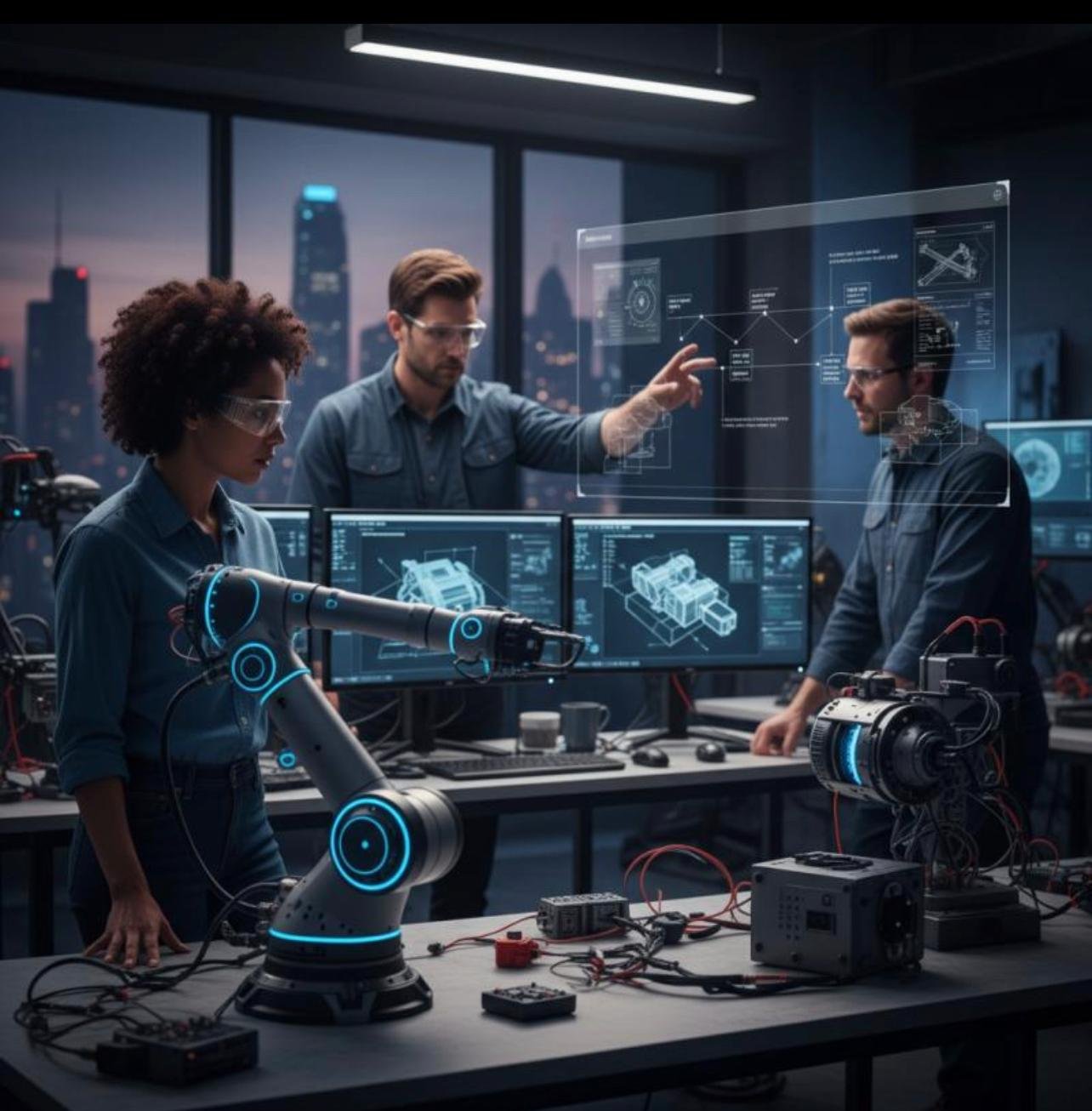
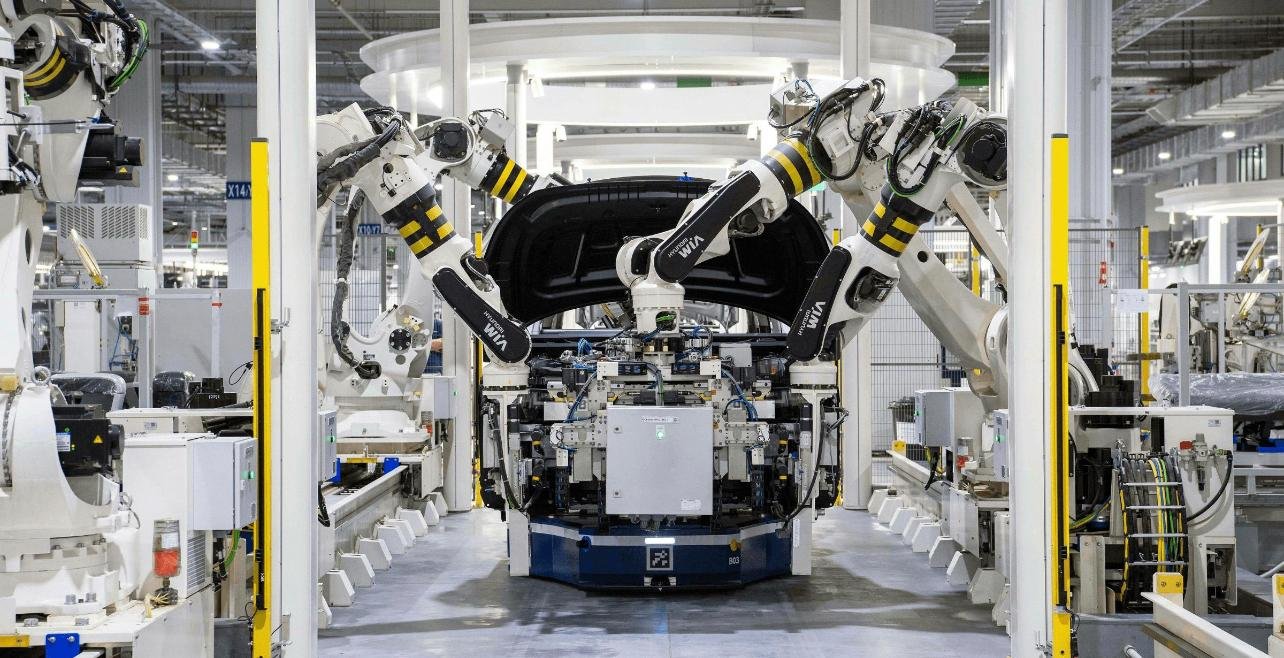
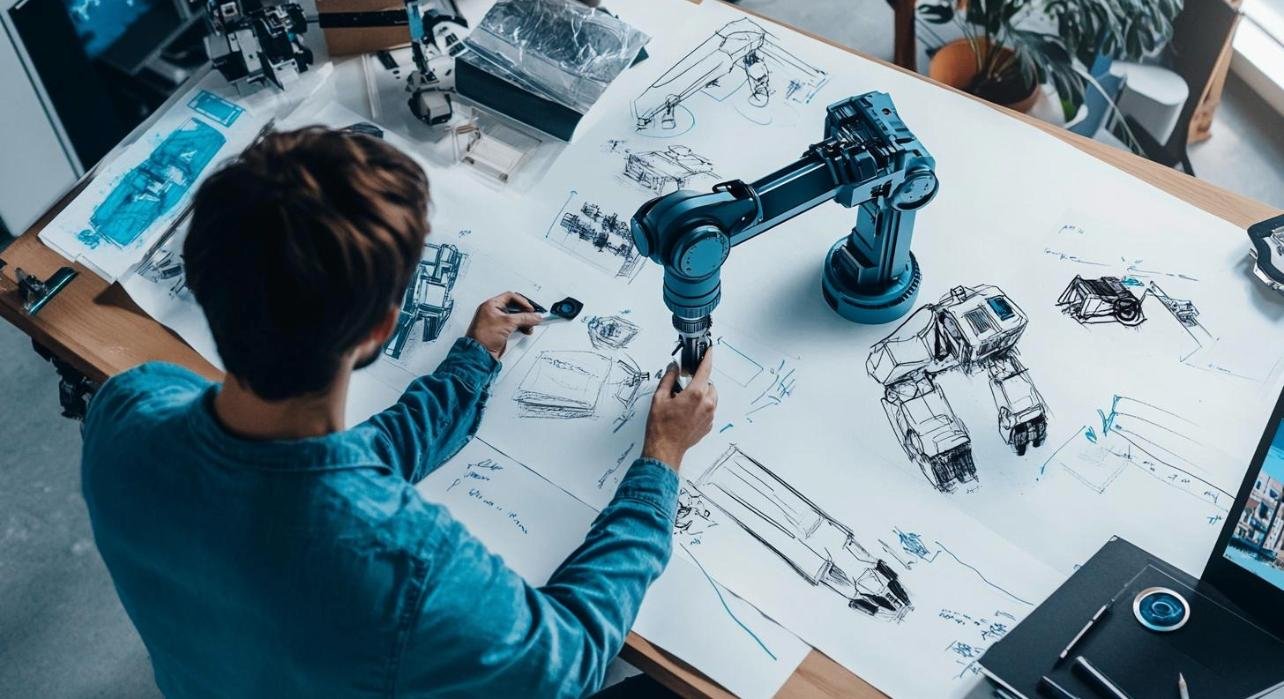
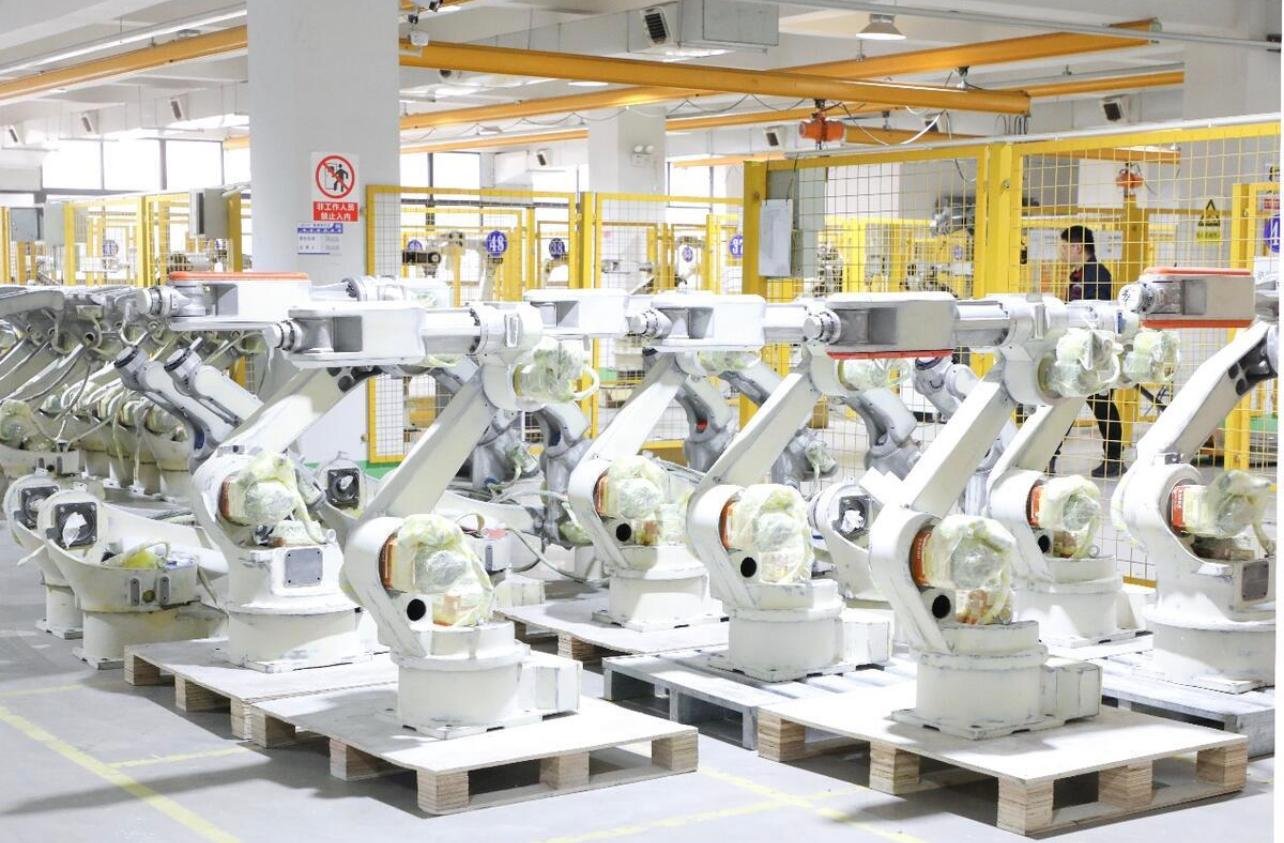
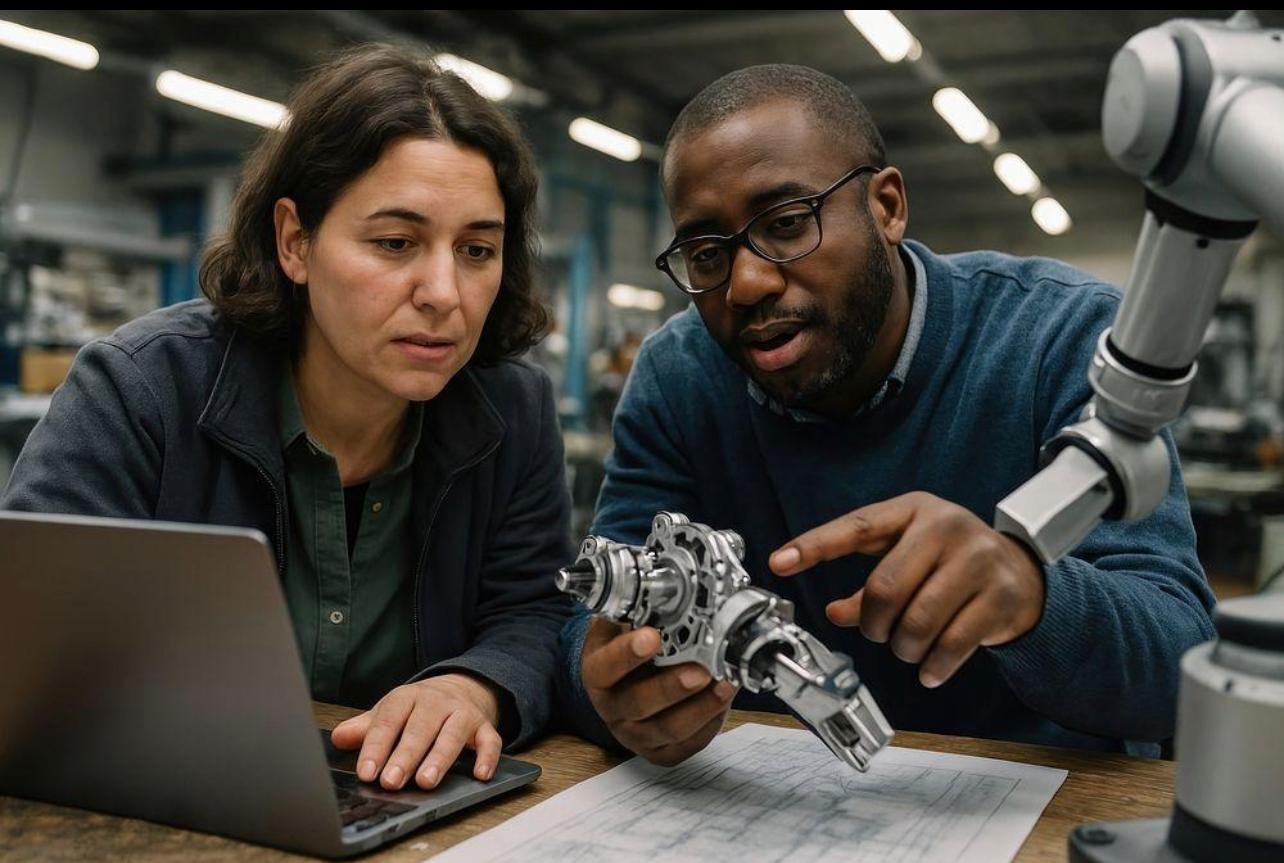
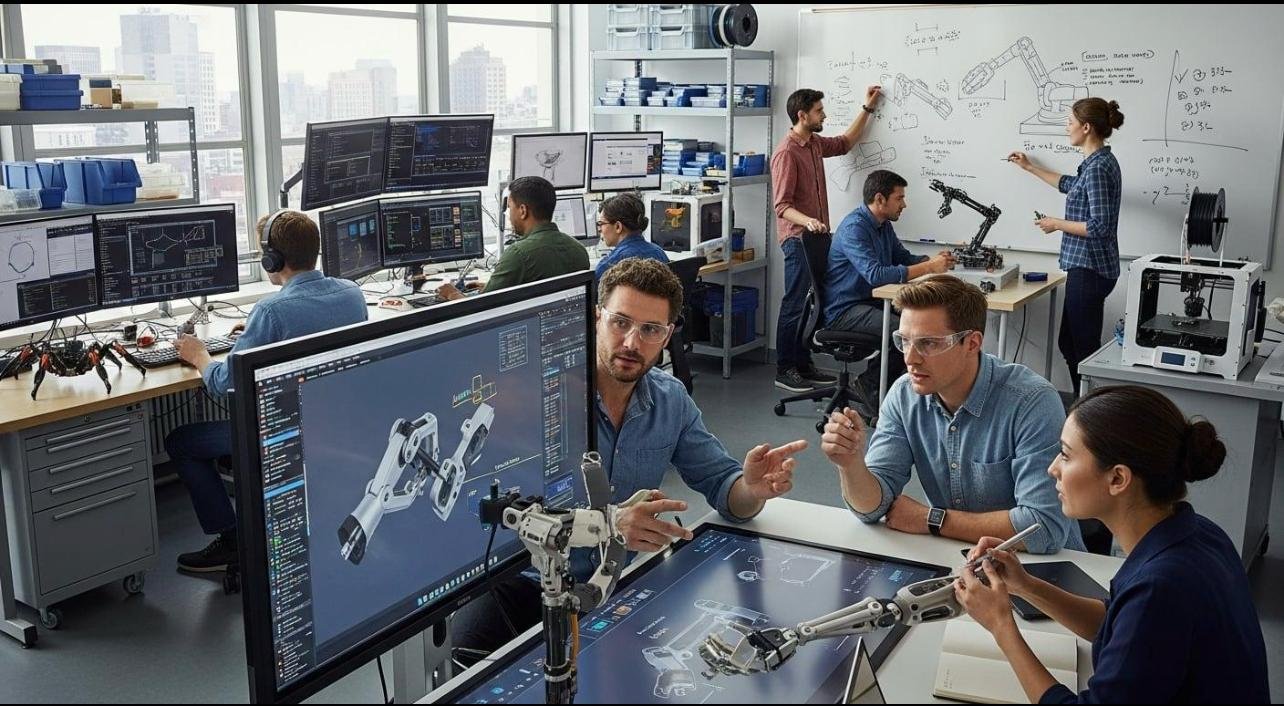
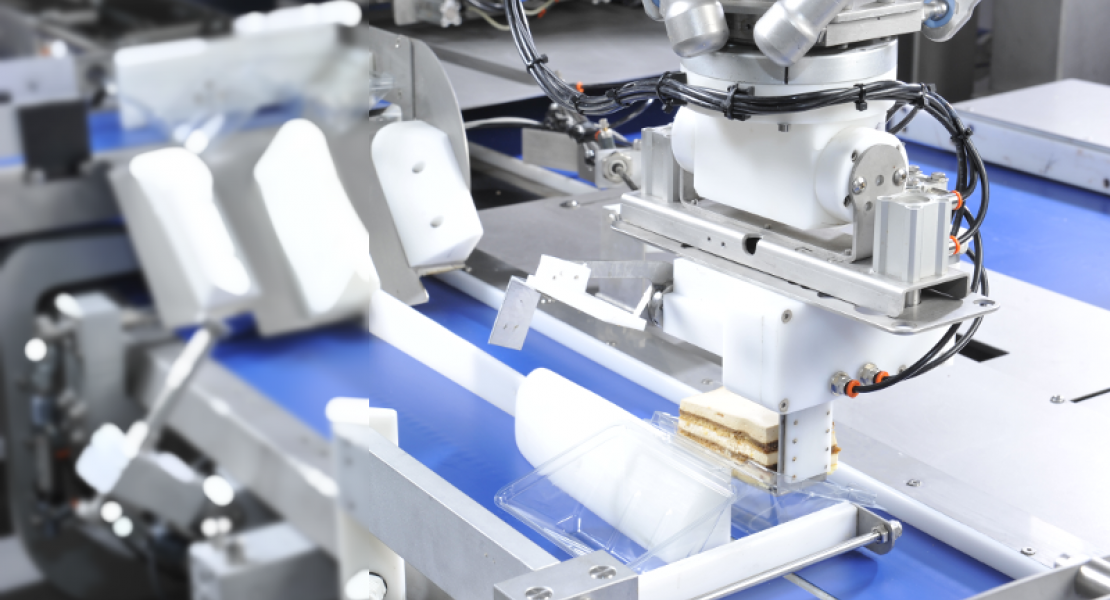
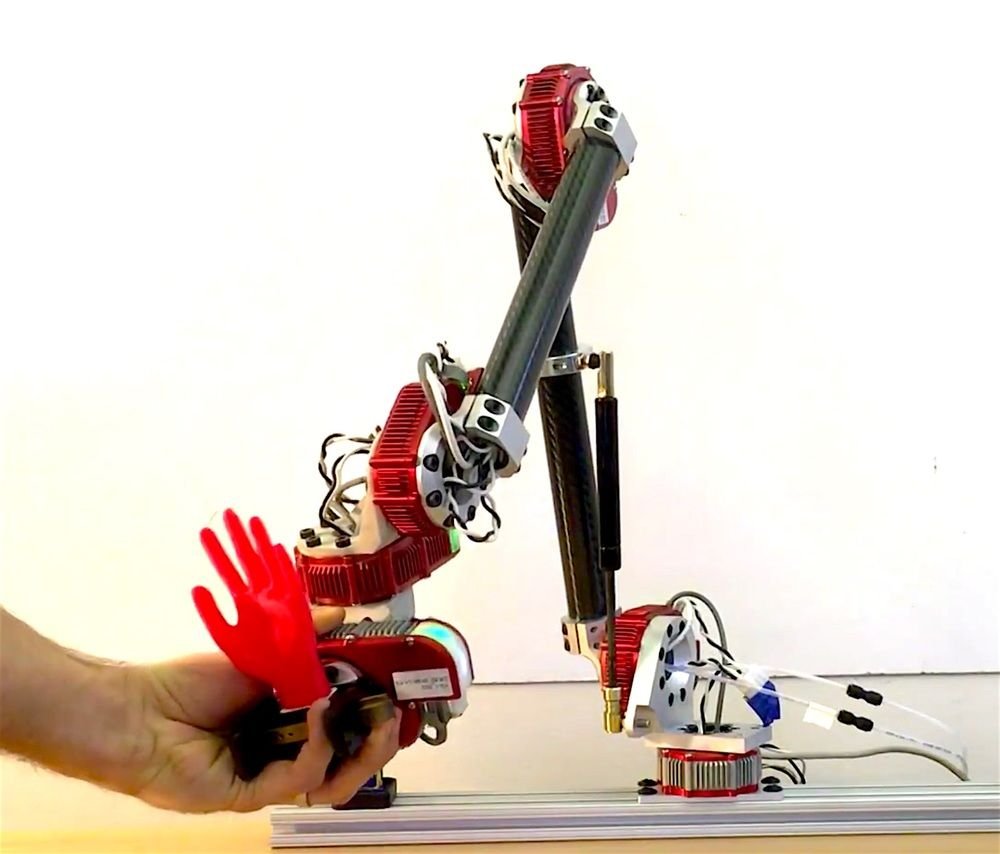
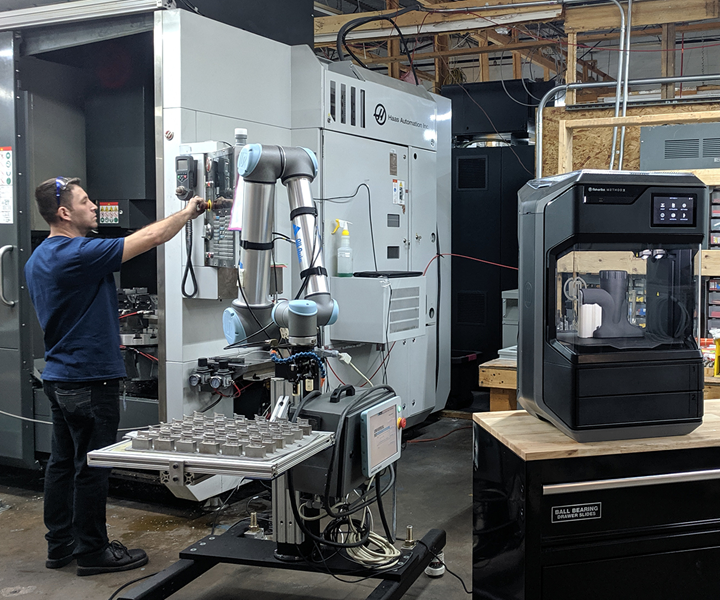
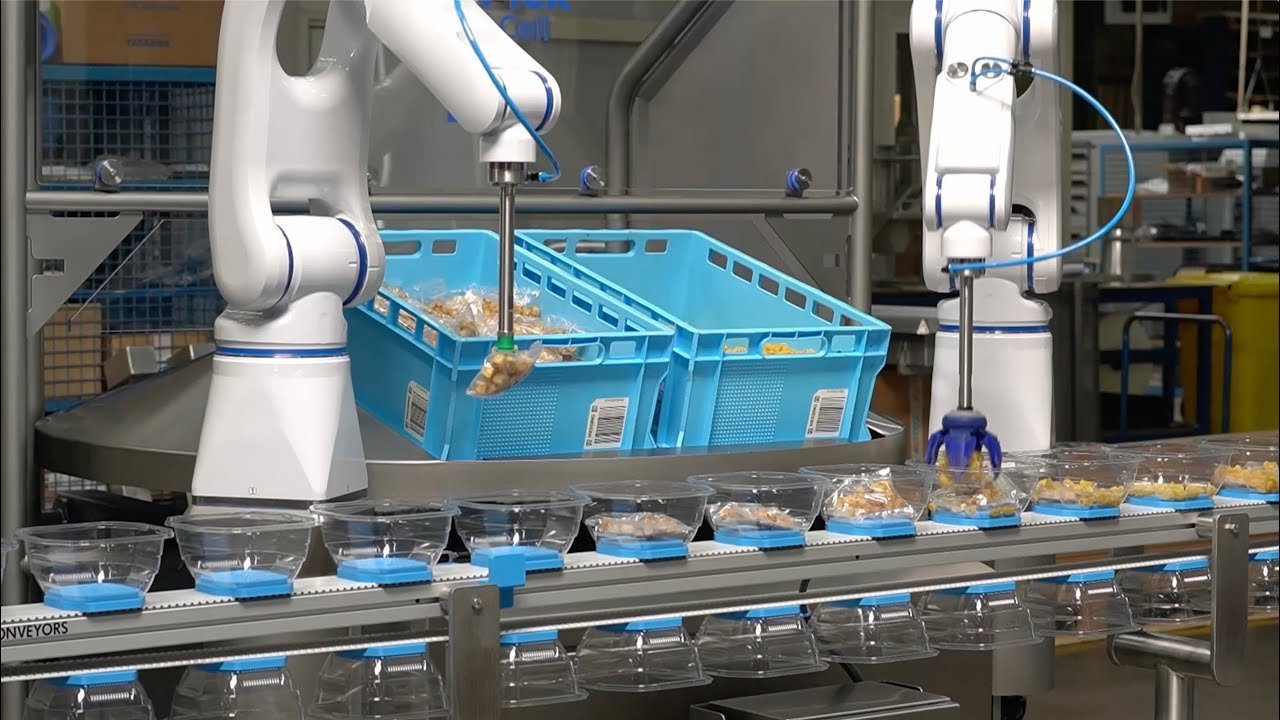
Grippers, fixtures, drawings and trial parts — custom robotics is mostly small, specific things that make standard equipment fit an unusual job.
Take the detail with you
Asked before you ask
01 Do you design and build custom robots yourselves?
No. We configure, specify, source and coordinate. That covers a surprising amount of what people mean by custom: unusual combinations of standard equipment, made-to-order grippers and fixtures, and manufacturer special versions that never appear in a catalogue. Where a requirement genuinely needs a machine designed and manufactured for it, that is a partner machine builder or the manufacturer, and they carry the design responsibility. We say which one before you commit, because the difference between class two and class five on this page is an order of magnitude in cost and time.
02 Nothing standard handles our part. Now what?
Send us the part, or a drawing and a photograph of how it presents itself. In our experience this is a search problem far more often than a design problem: robotics is a wide market with a great deal of specialised equipment in it, and specialist grippers exist for products most people assume are impossible. If it really is a design problem, the answer is usually made-to-order tooling on a standard machine rather than a bespoke machine, which is a much smaller, faster and better understood piece of work.
03 If something is designed for us, who owns it?
Whatever you agree before the quotation, which is why we raise it then rather than leaving it to be discovered. The questions worth settling are who owns the drawings and models, who owns any physical tooling, whether you have exclusivity, and whether the designer may supply the same thing to someone else, including a competitor. None of the answers is automatically unreasonable, but they should be a decision rather than a surprise. After delivery you are negotiating from a much weaker position than before.
04 We would be sharing confidential product information.
Understood, and it is a normal condition of this category rather than an obstacle. We will sign your confidentiality agreement or provide ours before you send anything sensitive, and the same applies to any manufacturer or partner we need to involve, which we will name before sharing anything with them. We do not reuse a customer's requirement for another customer, and we will not photograph your components for our own marketing without written permission. If a launch date is involved, say so up front so everyone treats it accordingly.
05 How is a one-off machine supported in five years?
This is the question that should be asked before the order and usually is not. A bespoke machine has no installed base, so there is no field reliability history and no shelf of spares anywhere in the world. Standard components inside it can be supported normally, and we will. The bespoke parts depend entirely on the builder still existing, still having the drawings, and you still having the documentation. Split the parts list at design stage, buy the critical made-to-order items with the original order, and insist on drawings and programs as contract deliverables.
06 When should we not go custom?
More often than the word suggests. Where volumes are low, where the product changes every season, or where the requirement exists only because of how the part currently arrives at the station. Changing a fixture, a tray or the way parts are presented removes a surprising number of impossible problems for a fraction of the cost of solving them with engineering. And occasionally the honest answer is that a person doing that step is cheaper than any machine that could. We would rather say so than sell you a bespoke build you switch off.
Send us the part, not just the problem
A drawing or a photograph of the actual component tells us more in ten seconds than a paragraph of description. You will hear back within two working days with which class your requirement is, whether something standard already solves it, and who would deliver it if not.
If your requirement turns out to be standard after all, these are the categories it will land in.