
Service robots, supplied for the rollout
Cleaning, delivery, reception, hospitality and disinfection robots for hotel groups, retail chains, facilities contractors and their distributors. Configured in your language and your branding, tested before dispatch, and shipped with chargers, consumables and the documentation your market asks for.
A delivery robot that cannot call the lift is a trolley
These machines work in someone else's building, among the public, on floors nobody laid with robots in mind. So the building decides most of the outcome: lifts and door controllers, thresholds and ramps, deep carpet, polished glass, and the corner of the third floor where the wifi drops out.
Lift integration in particular is third-party work. The robot has to talk to the lift controller, which usually means the lift company, a module and a commissioning visit. It is a real line in a budget, and a buyer who discovers it after delivery has an expensive surprise rather than a robot.
The second thing worth saying early is that service robots rarely fail technically. They fail because nobody owned them. The unit runs beautifully for three weeks, the shift that liked it moves on, and it ends up charging quietly in a back corridor. A pilot site, a named owner and half a day of staff training are worth more than any specification on this page.
What we do is the supply side: selection, configuration in your language and branding, testing before dispatch, chargers and consumables, spares, documentation, freight. Mapping, lift integration and commissioning are handled by partner integrators and quoted as a separate line, so nothing important is hidden inside a hardware price.
Why buy your fleet through us
-
Priced for a rollout
Robots, docks, consumables and licences on one stock list, at one tier, across as many sites as the order covers.
-
The venue read before the quote
Lifts, thresholds, floor surfaces and wireless coverage reviewed first, so the model suits the building.
-
Audited factories
We visit and test before a line is listed, so you are not the one discovering a supplier's quality problem.
-
Start with one site
A pilot unit before the rollout, on the understanding that it is a pilot and the fleet price follows if it works.
-
Your language, your branding
Screen interface, voice prompts and livery set to your market and your brand before the units ship.
-
Consumables held
Brushes, pads, filters, trays and batteries stocked for the lines we sell most, because those are what actually run out.
-
Staff materials included
Training slides, quick-reference cards and signage in your language, because adoption is what the machine lives or dies on.
-
Consistent across sites
Same model, firmware, charger and interface in the tenth venue as the first, so one procedure covers the estate.
Where they earn their place
A sample rather than a limit. Send the venue and the task and we will tell you which class fits — including when the honest answer is that a robot will not help here.
- Hotels & resorts
- Restaurants & cafés
- Senior living & care homes
- Hospital non-clinical logistics
- Offices & business parks
- Supermarkets & convenience
- Shopping malls
- Airports & transport hubs
- Showrooms & dealerships
- Cinemas & entertainment venues
- Schools & universities
- Exhibition & conference centres
- Banks & public buildings
- Gyms & leisure centres
Six classes we stock and source
Cleaning & floor care
Scrubbers, sweepers and vacuums for hard floor and carpet. The class with the clearest business case, and the one most sensitive to what the floor is actually made of.
Delivery & runner robots
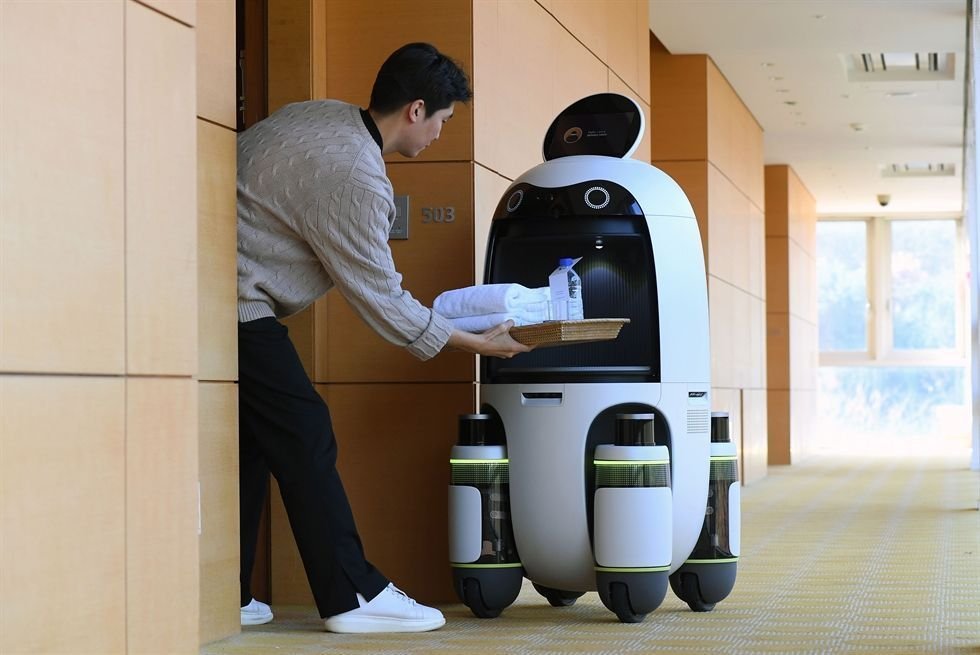
Enclosed or open-tray units carrying linen, amenities, files, samples and parcels between floors. Multi-floor work needs lift integration.
Hospitality & food service
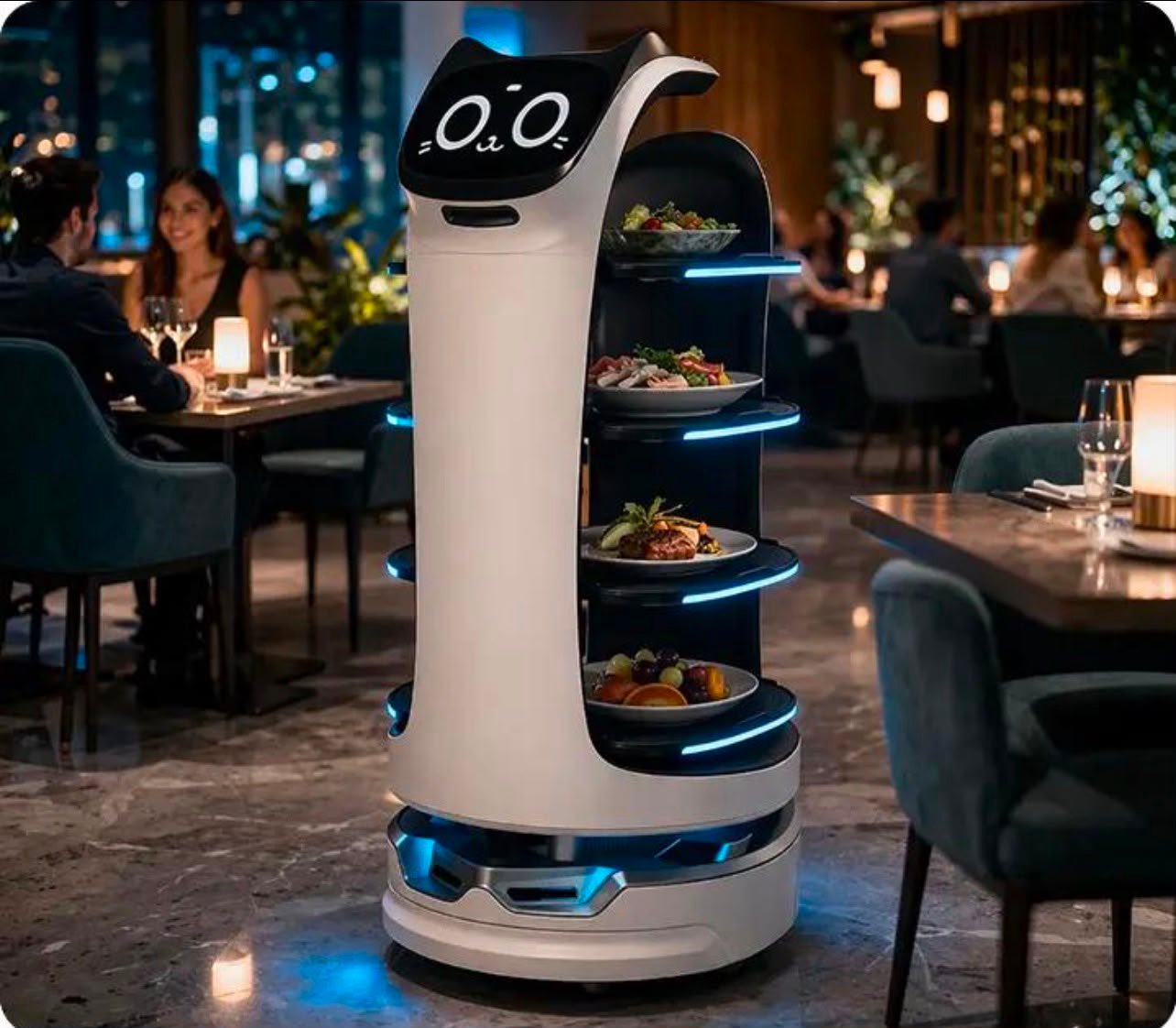
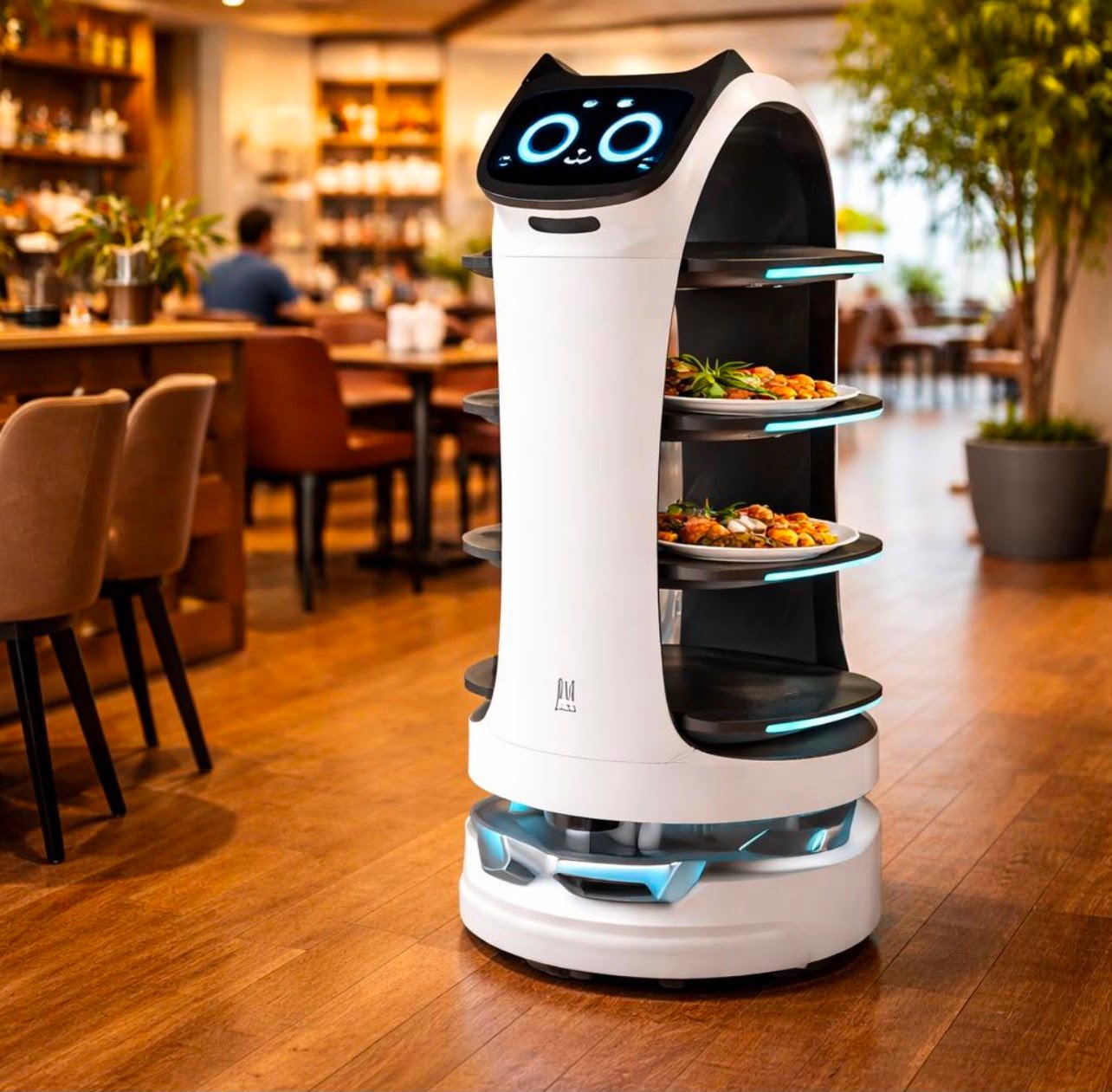
Tray delivery, bussing and drinks running for restaurants and banqueting, with routes set around the seating plan rather than the other way round.
Reception & wayfinding
Greeting, check-in support, queue guidance and directions, with the screen and voice in the languages your visitors actually speak.
Retail & inventory
Shelf scanning, price and planogram checking and stock alerts, reporting into the systems your merchandising team already reads.
Disinfection & air treatment
UV and spray disinfection units for clinical, hospitality and transport settings. Operate only under the manufacturer's exclusion rules — these are not run around people.
What comes as standard
In every order, at every quantity. Lift and door integration, site mapping, commissioning and building works are quoted separately, because they belong to your building rather than to the robot.
-
Robot & charging dock
Unit and dock supplied as a matched set, in the quantity and site phasing agreed at order.
-
Management app licence
Scheduling, monitoring and reporting for the units supplied, licensed at the fleet size on the order.
-
Language & branding set
Interface, voice prompts and livery configured to your market and brand before the units are packed.
-
Site readiness checklist
What the floors, thresholds, lifts, coverage and power need to be for the model quoted, issued before you order.
-
Starter consumables
Brushes, pads, filters or trays to begin with, and a recommended holding for the sites in the rollout.
-
Pre-shipment test record
Units run, functions checked, firmware recorded, and photographs and serial numbers issued before crating.
-
Staff training pack
Slides, quick-reference cards and signage in your language, so the handover does not depend on one enthusiastic manager.
-
Documentation & packing
Manuals, declarations and certification file, crated for sea or air with the lithium battery documentation carriers require.
What is fixed and what is chosen per order
Service robots are specified around the venue and the task, so this table describes how each line gets decided. Confirmed values for your order appear on the configuration sheet before production.
- Robot classes
- Cleaning and floor care, delivery, hospitality service, reception and wayfinding, retail inventory, disinfection
- Capacity
- Tray, shelf or tank capacity selected to the task and the route, stated per model on the datasheet issued with the quotation
- Coverage & duty
- Modelled against your floor area, layout and shift pattern; rated figures are the manufacturer's and issued per model
- Navigation
- Natural-feature mapping, markers or a combination, with the site map built during commissioning
- Floors & thresholds
- Surface types, ramp gradients, thresholds and carpet depth stated in the manufacturer's installation specification for the model quoted
- Lifts & doors
- Multi-floor operation requires integration with the lift and door controllers — third-party work, quoted separately, and usually involving your lift company
- Connectivity
- Wireless standard and coverage requirement per model; a coverage check is recommended before the venue is committed
- Battery & charging
- Dock charging or pack swap, sized to the shift pattern rather than the datasheet cycle
- Interface language
- Screen and voice configured to the languages of your market before dispatch, with additional languages where the manufacturer supports them
- Branding
- Livery, wrap, screen theming and voice identity on selected lines, where the manufacturer permits own-label supply
- Safety in public
- Obstacle sensing, speed limiting and stop behaviour per model; responsibility for the operating environment and any exclusion zones remains the operator's
- Cameras & data
- Most models carry cameras and log routes. Storage, retention, notices and compliance with local data protection law are the operator's responsibility — raise it before deployment, not after
- Environment
- Indoor use unless the model states otherwise; wet, chilled and outdoor variants only where the manufacturer offers them
- Power supply
- Charger voltage, phase and frequency set to the destination country at order, not adapted after arrival
- Documentation
- Manuals, declarations, certification file and test record, in the destination language where available
- Packing & transport
- Export crating with lithium battery documentation, marking and carrier declarations for sea or air
- Warranty
- Manufacturer's terms per model, stated on the quotation; claims raised and chased by us with the factory
- Consumables & spares
- Recommended holding per model — brushes, pads, filters, trays, wheels and batteries held for the lines we supply most
- Expansion
- Additional units supplied to the original firmware, charger and interface configuration so one procedure still covers the estate
All specifications are confirmed on the approved configuration sheet for your order.
The category in the venue
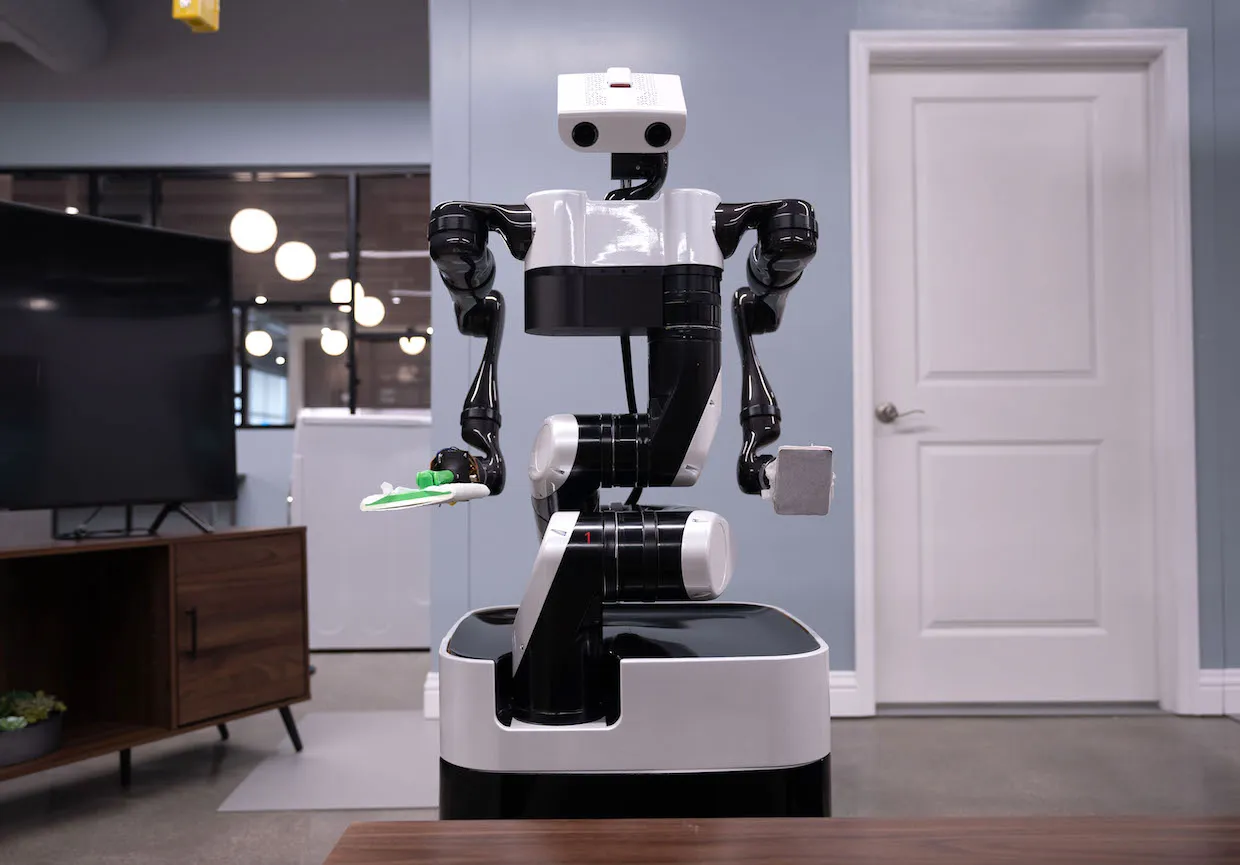
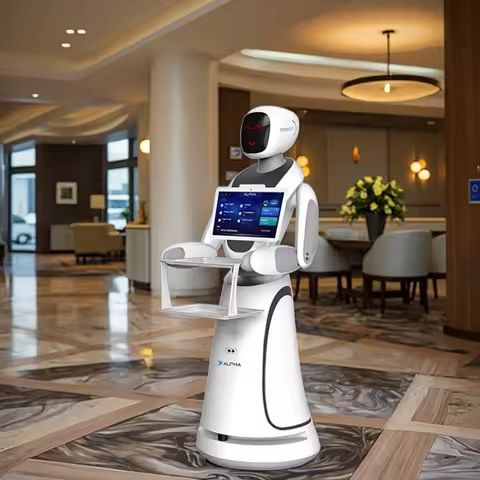
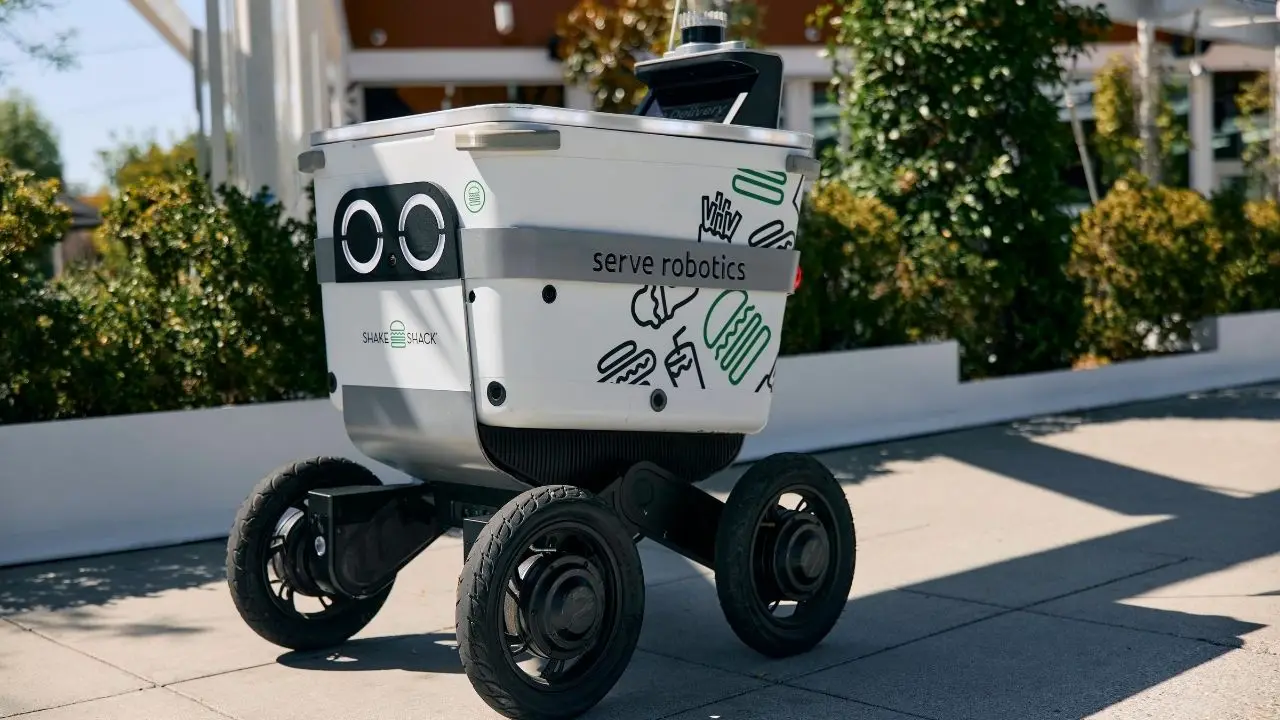
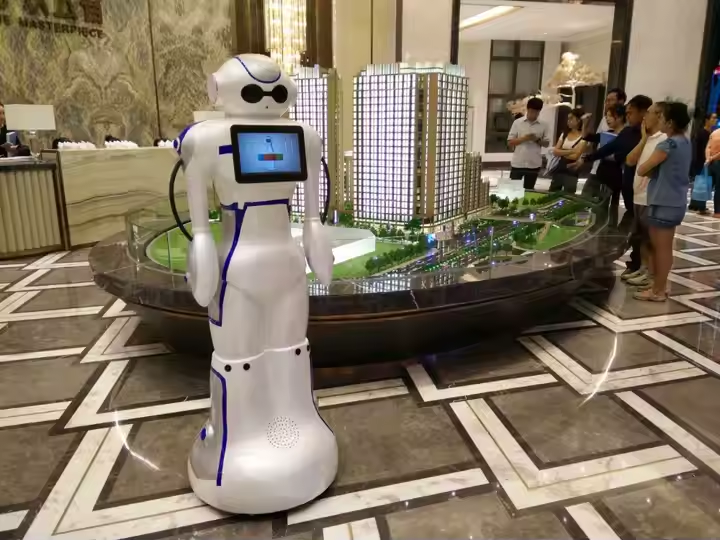
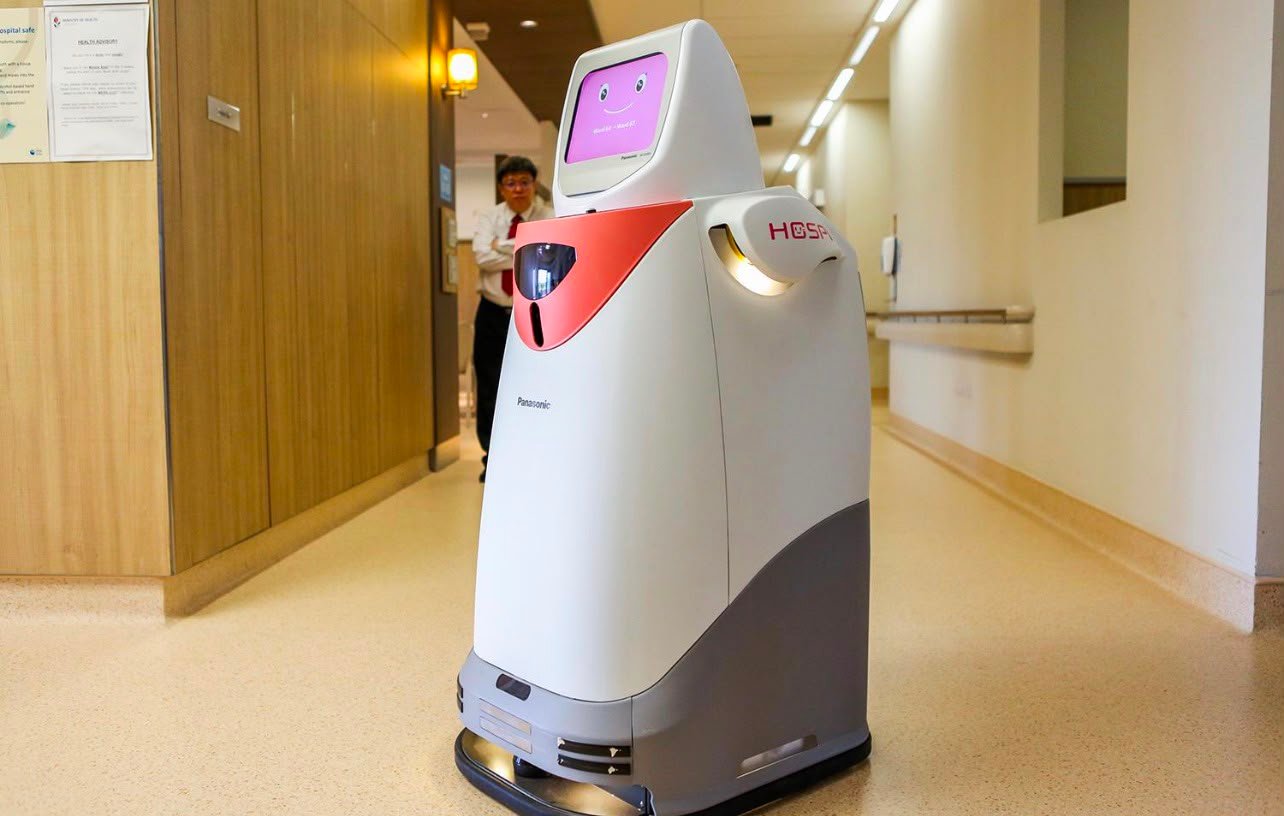
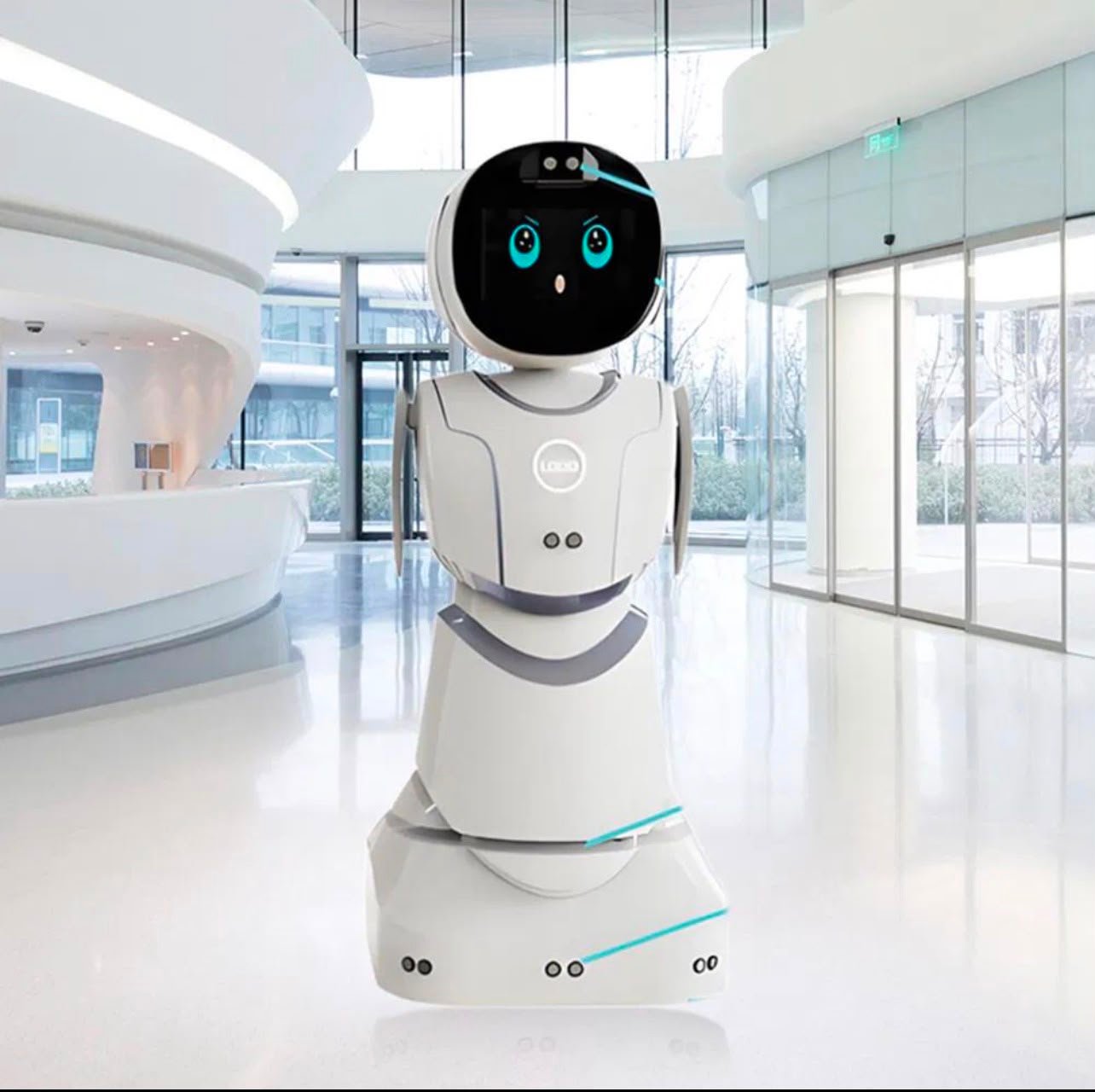
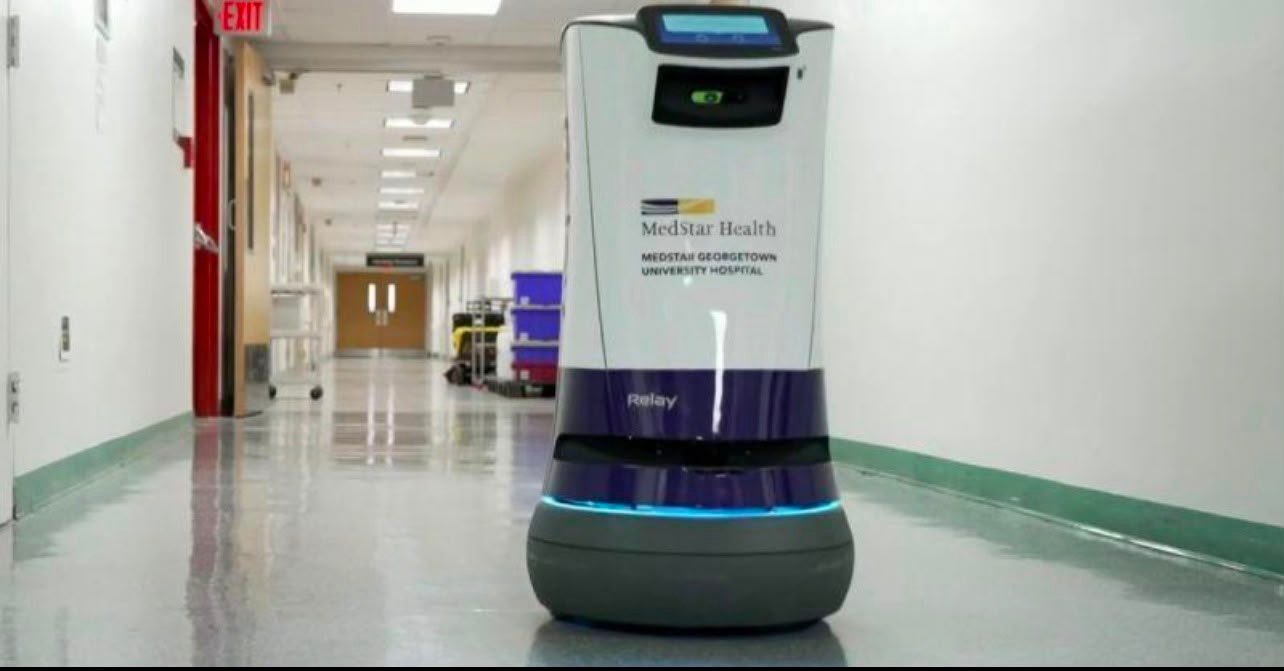
Cleaning, delivery, hospitality and reception robots in the buildings our buyers run them in.
Take the detail with you
Asked before you ask
01 Can we start with one before committing to a rollout?
Yes, and we would rather you did. A single unit at your most difficult site tells you more than a demonstration at ours. Single-unit pricing is different from fleet pricing and we will show you both, so the rollout number is not a surprise if the pilot succeeds.
02 Will it work in our building?
That depends on the floors, thresholds, ramps, door widths and wireless coverage, and on whether the route crosses floors. Each model has its own requirements from the manufacturer and we issue them as a venue readiness checklist with the quotation. If your building will not suit a class, we would rather say so than sell you one.
03 Does it need to be connected to our lifts?
Only if it has to change floors on its own. That integration is third-party work: the robot talks to the lift controller, which usually means a module, your lift company and a commissioning visit. It is quoted as a separate line rather than buried in the hardware price, because it is a real cost and it varies by lift.
04 Do you install and commission them?
Not directly. We supply, configure, test and ship. Site mapping, lift and door integration and go-live are handled by partner integrators in the regions where we have them, quoted separately. Many models in the cleaning and hospitality classes can be mapped by trained staff, and the training pack covers it.
05 What actually makes these succeed?
Someone owning it. The units that end up switched off in a back corridor are almost never broken — the staff were never trained, or the manager who championed it moved on. Name an owner per site, train the shift rather than one person, and start where the workload is genuinely painful. That is worth more than any specification we could quote you.
06 These have cameras. Where does that leave us legally?
Most models carry cameras and log their routes, and in every market the operator is responsible for what is recorded, how long it is kept, and telling people it is happening. We will tell you what a given model captures and where it stores it, and which models keep processing on the unit rather than in a cloud. The compliance itself is yours, and it is much cheaper to settle before deployment than after a complaint.
Send the venue, not just the model
Tell us what the robot has to do, how many sites it has to do it in, and where they are. You will hear back within two working days with the class that fits, availability and an indicative range.
If the task is closer to one of these, start there instead — the pricing, the lead time and the paperwork are all different.