
The layer that makes
separate machines one operation
Machine vision, edge compute, condition monitoring, fleet and analytics software. Supplied as hardware and licences on one order, configured to your site, and quoted only after we have seen a sample of your data.
Nobody can sell you AI in a crate
What ships in this category is a camera, a light, an edge unit, a sensor and a licence key. What makes it work is everything after that: the system has to be shown what your parts look like, what a defect looks like on your line, under your lighting, at your speed.
That is not a caveat hidden in the terms. It is the whole shape of the category, and a buyer who expects the crate to contain a finished inspection system will be disappointed in week two.
So we ask for data before we quote. A folder of sample images, a log export, two minutes of video from the line — enough to tell whether this is a straightforward job or a research project. That distinction is worth finding before an invoice, not after, and it is the reason our quotations hold.
We supply the hardware and the licences, configure them, test them and ship them. Model training on your material, integration with your PLC, WMS or ERP, and go-live are handled by partner integrators and quoted as a separate line. Two other things get settled in writing before you commit: who owns the model trained on your data, and what the licences cost when they renew.
Why buy this layer through us
-
Hardware and licences together
Cameras, optics, lighting, edge units, sensors and software keys on one order, at one tier, from one contact.
-
Sample data before the quote
We look at your images or logs first, and tell you if the application is harder than it looks.
-
Vendor-neutral
We carry more than one stack, so the recommendation follows the application rather than a single supplier agreement.
-
Edge first where it matters
Processing on the unit rather than in a cloud where latency, connectivity or data residency make that the only sane choice.
-
Licence terms in plain words
What renews, what is per camera, per seat or per site, and what year two costs — before you sign, not after.
-
Data rights settled early
Who owns the trained model, whether the vendor may reuse your images, and where the data sits — written into the order.
-
Pilot before rollout
One line, one cell or one building proved first, priced as a pilot, with the fleet rate agreed if it works.
-
Hardware has a lifecycle
Cameras, lenses and edge units age and get superseded. We hold spares and tell you when a line is being replaced.
What our buyers use it for
A sample rather than a limit. Send the problem and a sample of the data, and we will tell you which class fits — including when a simple sensor beats a model.
- Visual quality inspection
- Defect & surface detection
- Label, print & OCR verification
- Dimensional measurement
- Assembly verification
- Robot guidance & bin picking
- Predictive maintenance
- Condition & vibration monitoring
- Energy & utility monitoring
- Occupancy & footfall analytics
- Safety & PPE monitoring
- Vehicle & plate recognition
- Fleet telemetry & dashboards
- Forecasting & planning
- Document & form processing
Six classes we stock and source
Machine vision
Cameras, lenses, lighting and vision controllers for inspection, measurement and robot guidance. The lighting decides more of the result than the camera does.
Edge compute & gateways
Industrial units that run models beside the machine, for applications where latency, patchy connectivity or data residency rule out a cloud.
Condition monitoring
Vibration, temperature, current and acoustic sensors with gateways, so a bearing announces itself before it takes the line down.
Fleet & operations software
Traffic control, task allocation, telemetry and monitoring for the robots supplied elsewhere in this division, licensed at fleet size.
Analytics, dashboards & twins
Reporting, forecasting and simulation layers that sit over the sensors, including digital twins for testing a layout before it is built.
Language & interaction
Speech, translation, kiosk and assistant software for public-facing deployments, in the languages your market actually speaks.
What comes as standard
In every order, at every quantity. Model training on your material, host integration, commissioning and ongoing tuning are quoted separately, because they are project work rather than a shipped item.
-
Hardware set, matched
Camera, lens, lighting, mounts and cabling — or sensor and gateway — supplied as a working combination, not as parts.
-
Edge unit configured
Operating system, runtime and drivers installed and tested for the model quoted, rather than shipped blank.
-
Licence keys & activation
Issued with the order, with the term, the renewal date and what the renewal covers stated in writing.
-
Sample data review
We look at your images or logs before quoting and say plainly whether the application is well suited to the class.
-
Data & model terms
Ownership of the trained model, reuse rights and storage location set out on the order rather than buried in a portal.
-
Pre-shipment test record
Units powered, software booted, licences verified, with serial numbers and firmware versions issued before crating.
-
Documentation set
Manuals, wiring and network diagrams, declarations and the certification file for the destination market.
-
Export packing
Optics and electronics crated to survive freight, with marking and declarations for sea or air.
What is fixed and what is chosen per order
These systems are specified around the application and the data, so this table describes how each line gets decided. Confirmed values for your order appear on the configuration sheet before production.
- System classes
- Machine vision, edge compute and gateways, condition monitoring, fleet and operations software, analytics and twins, language and interaction
- Deployment
- On the edge, on your own server, in a cloud, or hybrid — decided by latency, connectivity and where the data is allowed to sit
- Compute
- Sized to the model and the number of streams; specified per application rather than sold as a single box for everything
- Cameras & optics
- Sensor, resolution, lens and working distance chosen to the part and the inspection, stated per model with the quotation
- Lighting
- Specified with the camera, never after it. Lighting decides more of a vision result than any other single component
- Sensors
- Vibration, temperature, current, acoustic and environmental, with gateways matched to the network you already run
- Data required
- Sample images, logs or video from your own site, supplied by you, before the application can be sized or quoted
- Model training
- Tuning on your material is project work through partner integrators, quoted separately — it is not included in the hardware
- Accuracy
- Quoted per application after a sample-data trial, in writing. We do not publish general detection rates, because they are only true for the dataset that produced them
- Model ownership
- Who owns the model trained on your data, and whether the vendor may reuse it, is stated on the order — read this row before you sign anything
- Data residency
- Where images, logs and inference results are stored and processed, confirmed per product against your market's rules
- Licensing
- Term, renewal date and basis — per camera, per seat, per site or per stream — stated in writing. Most licences in this category recur
- Host integration
- APIs to PLC, SCADA, WMS, ERP or BMS available per product; the integration work itself is quoted separately through partners
- Security & updates
- Firmware and model update path, and who is responsible for applying patches, agreed at order rather than assumed
- Networking
- Wired or wireless requirement per product, including bandwidth for video streams where processing is not on the edge
- Power & environment
- Supply set to the destination country, with ingress and temperature ratings selected for where the hardware is mounted
- Documentation
- Manuals, network and wiring diagrams, declarations, certification file and test record, in the destination language where available
- Warranty & support
- Manufacturer's terms per product for hardware, and the support tier for software, both stated on the quotation
- Lifecycle
- Cameras, lenses and edge units are superseded over time; we hold spares for supplied lines and flag end-of-life before it bites
All specifications are confirmed on the approved configuration sheet for your order.
The category at work
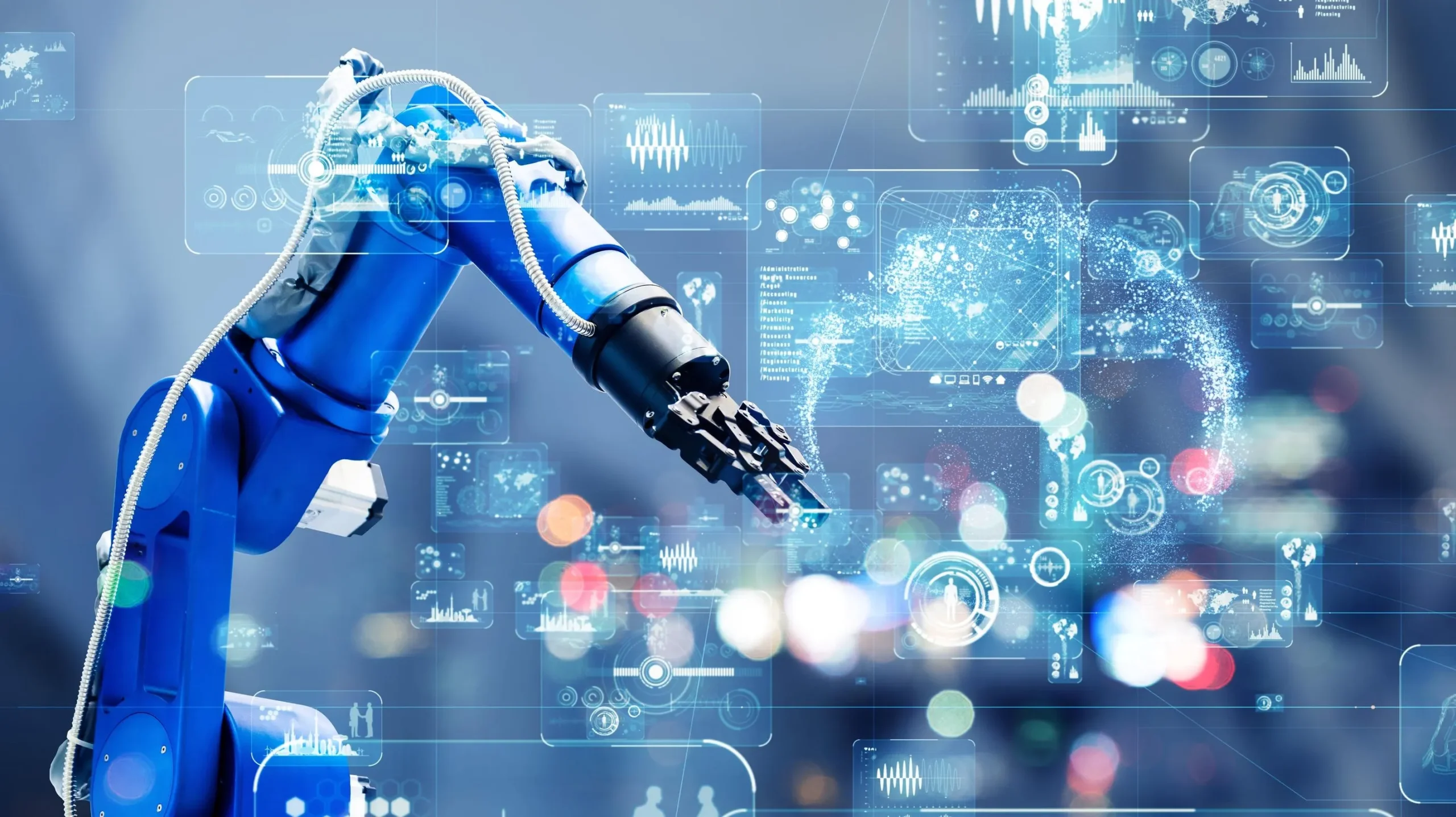
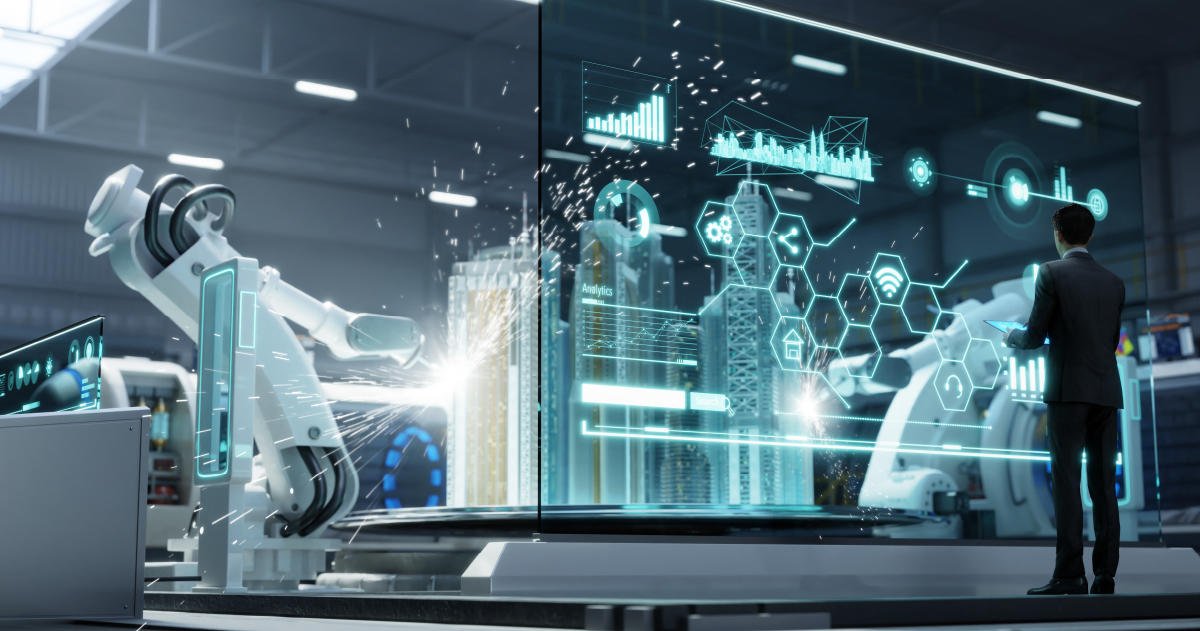
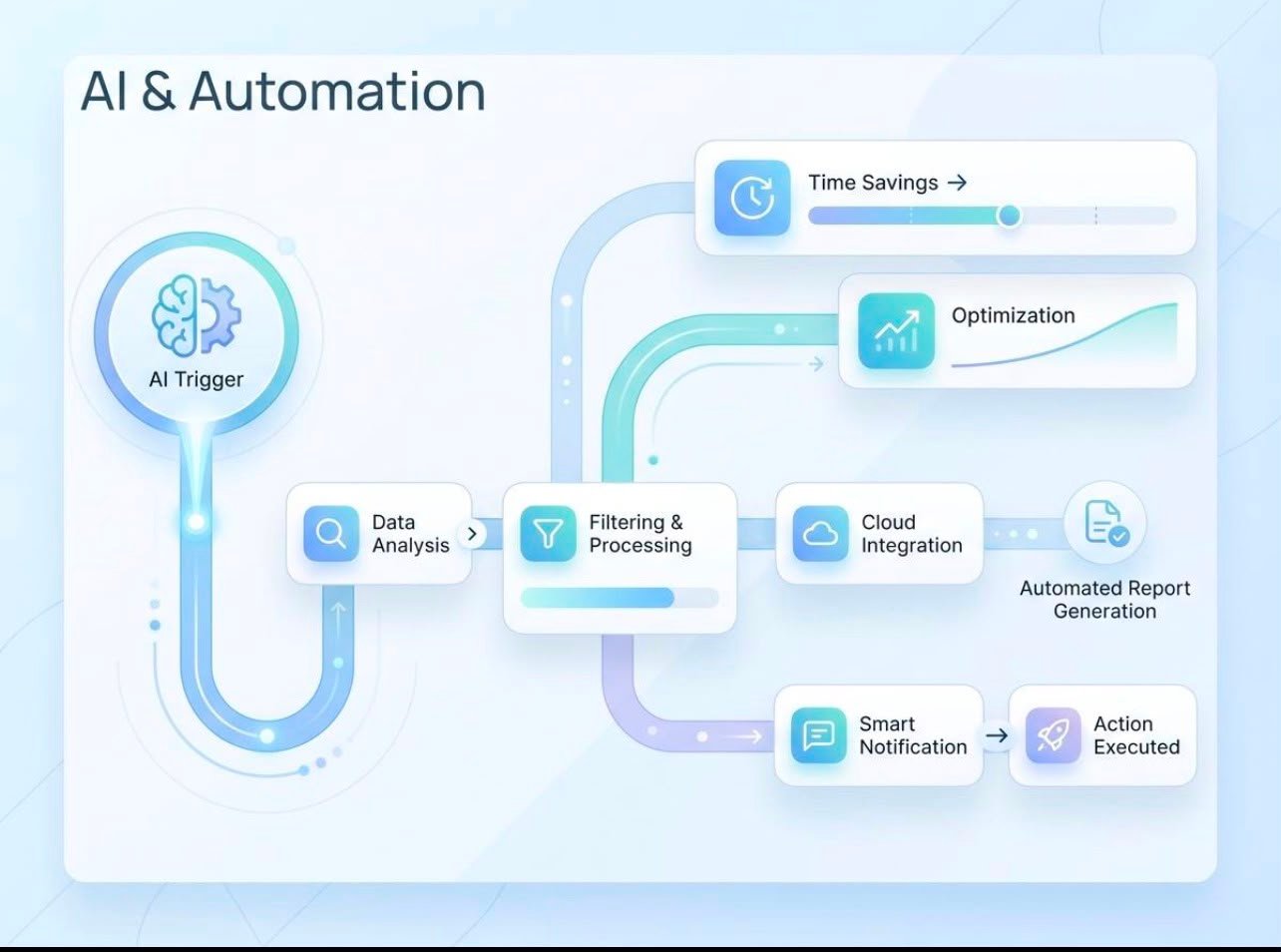
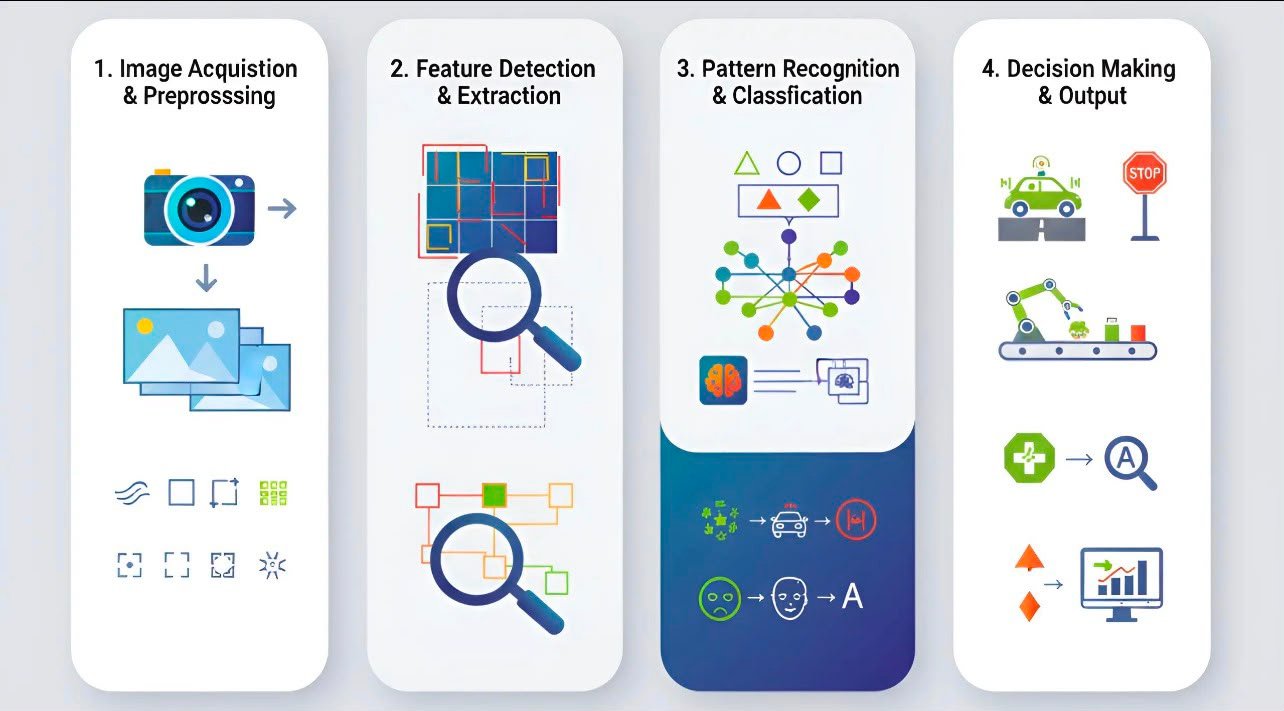
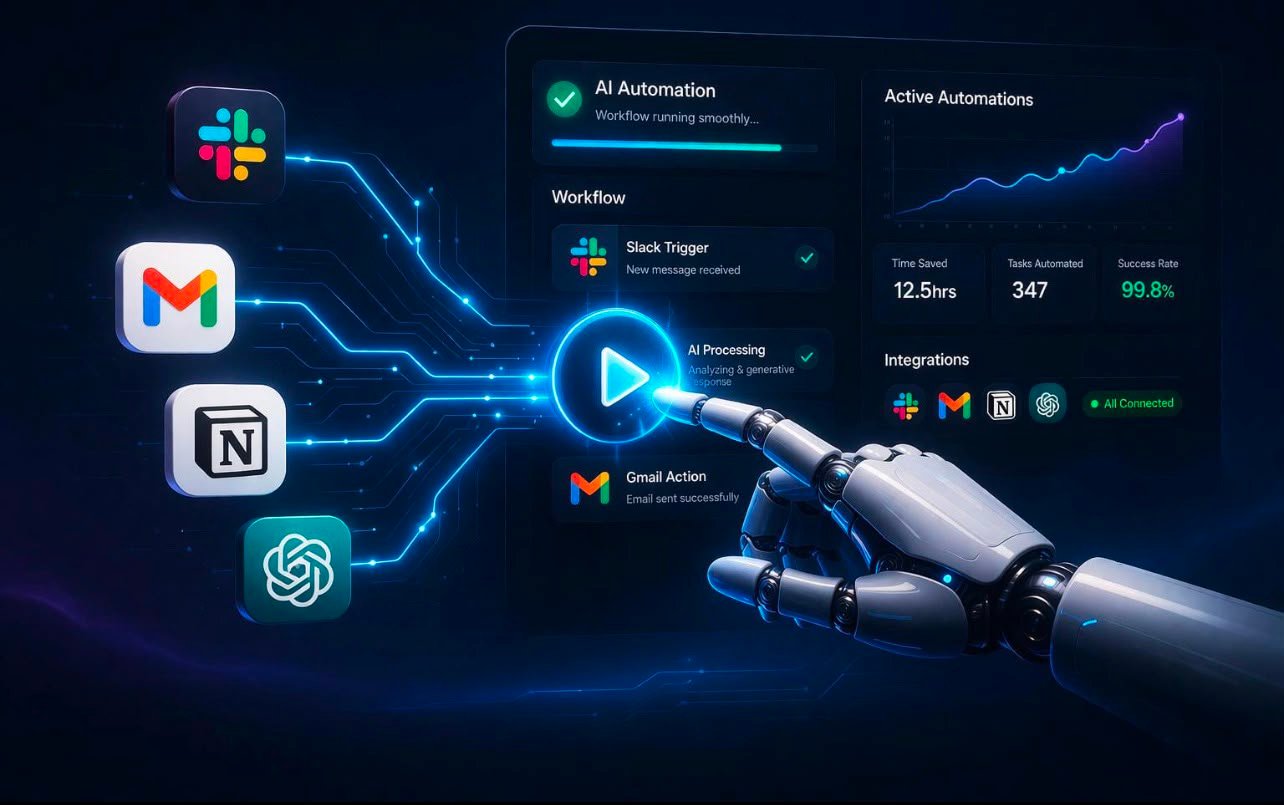
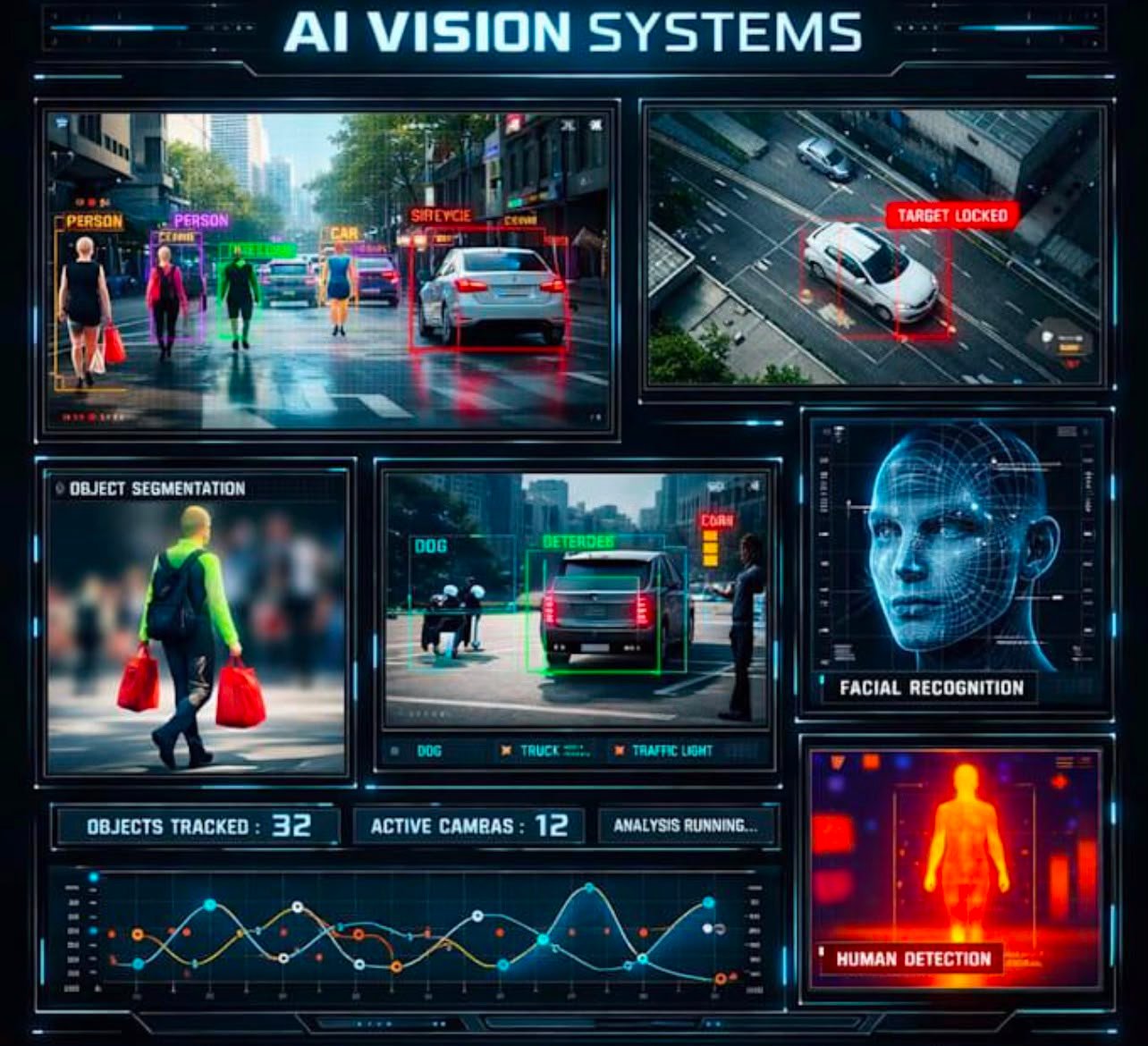
Vision rigs, edge hardware, sensors and the screens people actually read.

Take the detail with you
Asked before you ask
01 Can we just buy a working AI system?
You can buy everything except the part that knows your products. The hardware and licences ship configured and tested; the system then has to be shown your parts, your defects and your labels before it is useful. For some applications that is a short exercise, for others it is weeks of work. Which one you are looking at is exactly what the sample data tells us.
02 What data do you need, and who owns the trained model?
To quote: a folder of sample images, a log export or a couple of minutes of video from the real line — including the bad examples, which are the ones that matter. On ownership: it varies by vendor, and some terms let the supplier reuse what your images taught the model. We state ownership and reuse rights on the order. If that matters to you commercially, raise it before the pilot rather than after.
03 Does this have to run in a cloud?
No, and often it should not. Edge deployment keeps processing beside the machine, which suits low latency, poor connectivity and anywhere the data is not permitted to leave the site or the country. Cloud suits fleets across many sites and heavy analytics. We will tell you which the application actually needs, and where your data would physically sit either way.
04 Is this a one-off cost?
The hardware is. Most of the software is not — licences in this category typically renew, per camera, per seat, per stream or per site. We put the term, the renewal date and what year two costs on the quotation, because a customer who budgeted once and gets an invoice twelve months later is a customer you lose.
05 Do you train the models and integrate with our systems?
Not directly. We supply, configure, test and ship, and the products arrive with their interfaces available. Training on your material, connection to your PLC, SCADA, WMS or ERP, and go-live are handled by partner integrators and quoted as a separate line. On a vision project that work is a substantial share of the total, so it is itemised rather than hidden.
06 Why will you not quote an accuracy figure?
Because a published figure is measured on someone else's dataset, and it tells you nothing about your parts under your lighting at your line speed. Anyone quoting a number before seeing your data is quoting a brochure. Send us samples and we will run a trial and give you a figure in writing for your application — which is the only kind worth having in a contract.
Send the problem and a sample of the data
Tell us what you are trying to detect, monitor or predict, and attach whatever you already have. You will hear back within two working days with the class that fits, what a trial would involve, and an indicative range.
If the task is closer to one of these, start there instead — the pricing, the lead time and the paperwork are all different.