
Training that ends with an operator who works unsupervised
Robotics, PLC, AI and maintenance programmes for plants, dealers, colleges and training centres. Taught on the equipment your people actually use, assessed rather than attended, and scheduled to the week the team has to be productive.
A certificate is not a skill, and attendance is not competence
Every other category in this division ships a machine. This one changes what a person can do, and the only test that matters is whether the operator can run the equipment on their own the week after the trainer leaves.
So we scope programmes around the equipment in your building, the roles of the people doing the work and the shifts they do it on. A controls course taught on a different brand of PLC transfers badly, and a robot course taught on a different controller and pendant transfers worse. Send the makes and models before you send a headcount.
We are also plain about certification, because three different things carry that name. There is manufacturer certification, tied to one brand. There is an accredited qualification, awarded by an examining body. And there is a certificate of attendance, which proves somebody was in the room. Which one you need is decided by your customer, your insurer or your regulator, so we state which one a programme leads to before anyone books a seat.
Beyond seats, this category supplies the academy itself: training cells, PLC and controls rigs, cobot benches, curriculum and trainers, for colleges and dealers building their own centre. Accreditation applications, awarding-body registration and local licensing run through partner bodies and are quoted separately.
Why train through us
-
Taught on your equipment
Programmes built around the brands, controllers and models in your building, not around a generic training rig.
-
Certification stated plainly
Vendor certification, accredited qualification or attendance record, named in writing before you book.
-
Assessed, not just attended
Every learner is assessed on the equipment, and you get the record, including where somebody needs more time.
-
Scheduled to commissioning
Timed so the skills are fresh when the machine starts, rather than months early or a fortnight late.
-
Trainers who have run the machines
Engineers and operators who have done the job on the floor, not presenters working from someone else's slides.
-
Written for the shift
Delivered in the working language, pitched at the person on nights, not at an engineer with the manual open.
-
Materials stay with you
Course materials licensed to the company and records kept on file, so a resignation does not delete the capability.
-
Whole centres supplied
Training cells, controls rigs, curriculum and trainers for colleges and dealers standing up their own academy.
Who we train, and who we equip
A sample rather than a limit. Send the equipment, the roles and the deadline and we will tell you which programme fits, including when a short handover from the machine supplier does the job better than a course.
- Robotics academies
- Training centres
- AI courses
- PLC training
- Certification programmes
- Manufacturing plants
- Maintenance departments
- Technical colleges & universities
- Vocational institutes
- Apprenticeship schemes
- Dealer & distributor teams
- Systems integrators
- Government skills programmes
- Corporate upskilling
Six classes we deliver and equip
Robot operation & programming
Teach pendant work, jogging, frames, tool setup, program structure and recovery, taught on the controller family your people will meet on the floor.
PLC, controls & automation
Ladder and structured programming, I/O, HMI, drives, sensors and fault finding. The class with the widest range of starting levels, so it is streamed after assessment.
AI, vision & data
Machine vision setup, inspection, model training and the data side of the plant. Useful to the people who will own it afterwards, not a general introduction to AI.
Maintenance & diagnostics
Preventive routines, wear parts, alarm interpretation, calibration and first-line repair, which is the training that keeps the equipment earning between service visits.
Safety, compliance & assessment
Guarding, lockout, risk assessment and safe working around automation, plus the practical assessments that produce a defensible competence record.
Train the trainer & academy setup
Curriculum, training cells, controls rigs, trainer development and lab layout for organisations that intend to run their own centre rather than buy seats forever.
What comes as standard
In every programme. Accreditation applications, awarding-body registration, examination fees, travel and training hardware are quoted separately, see the specification table for the ones that recur.
-
Training needs review first
Equipment, roles and current level reviewed before a programme is scoped, so nobody pays to be taught what they already know.
-
Programme built to your kit
Exercises written against your makes, models and controllers, using your own line as the worked example wherever we can.
-
Hands-on time per learner
Group sizes set by how much time each person gets on the equipment, rather than by how many chairs fit in the room.
-
Practical assessment & record
Each learner assessed on the machine, with a written record you can show an auditor, a customer or an insurer.
-
Certification path in writing
What the certificate is, who issues it and what it is recognised for, confirmed for your country before the programme starts.
-
Materials licensed to you
Workbooks, exercises and reference sheets in the working language, licensed to the company so they outlast the people trained.
-
Delivery plan tied to the deadline
Dates, cohorts and shift cover mapped backwards from the week the team has to be productive, and stated on the quotation.
-
Follow-up window
A named contact for the questions that only appear once people are working alone, which is when the real ones arrive.
What is fixed and what is chosen per programme
Training is specified around the equipment, the people and the deadline, so this table describes how each line gets decided. Confirmed detail for your programme appears on the approved course sheet before delivery.
- Programme classes
- Robot operation and programming, PLC and controls, AI and vision, maintenance and diagnostics, safety and compliance, train the trainer and academy setup
- Equipment & brands
- Programmes are written against the makes, models and controllers you name. Skills transfer between brands far less than buyers expect, so this is confirmed before scoping
- Level & prerequisites
- Entry level established by assessment rather than by job title, and cohorts streamed where the range is wide. Stated per programme
- Delivery mode
- On your site, at a training centre, or blended with remote support between practical blocks. On-site suits shift teams, a centre suits mixed cohorts and new starters
- Language
- Delivery and materials in the working language of the people being trained, subject to trainer availability for that language and destination
- Group size
- Set by hands-on time per learner on the available equipment, not by room capacity. More learners than stations means less competence, not more value
- Assessment
- Practical assessment on the equipment, with a written record per learner including where further practice is needed. Theory testing added where the certification route requires it
- Certification type
- Manufacturer or vendor certification, accredited qualification through an examining body, or certificate of attendance. Named in writing before booking, because they are not interchangeable
- Recognition
- Whether a certificate is recognised by an authority, an insurer or a customer is confirmed for your destination before the programme is booked. We do not award state licences
- Regulated content
- Electrical work, machinery safety, drone and spraying operations and similar sit under local licensing. Our training supports competence, it does not replace the licence the authority issues
- Training equipment
- Training cells, PLC and controls rigs, cobot benches, vision kits and consumables specified and supplied where a centre is being built or extended
- Curriculum licensing
- Course materials, exercises and assessment papers licensed to the organisation, with the terms stated on the quotation
- Trainer supply
- Trainers supplied for delivery, or your own staff developed through the train-the-trainer class where you intend to run programmes yourself
- Scheduling
- Cohorts, shift cover and travel mapped backwards from the week the team has to be productive, and aligned to equipment commissioning where there is a machine involved
- Records
- Attendance, assessment outcomes and certificates issued per learner and held on file, so the record survives staff turnover
- Refresher & retraining
- Refresher cycles recommended per programme, plus retraining for new starters. Certification with an expiry is flagged at the point of issue
- Running costs
- Examination and registration fees, software or simulation licences, consumables and refresher cycles stated on the quotation, so the second-year figure is known in advance
- Documentation
- Course outline, assessment criteria, materials list and certification statement, in the destination language where available
All programme detail is confirmed on the approved course sheet before delivery.
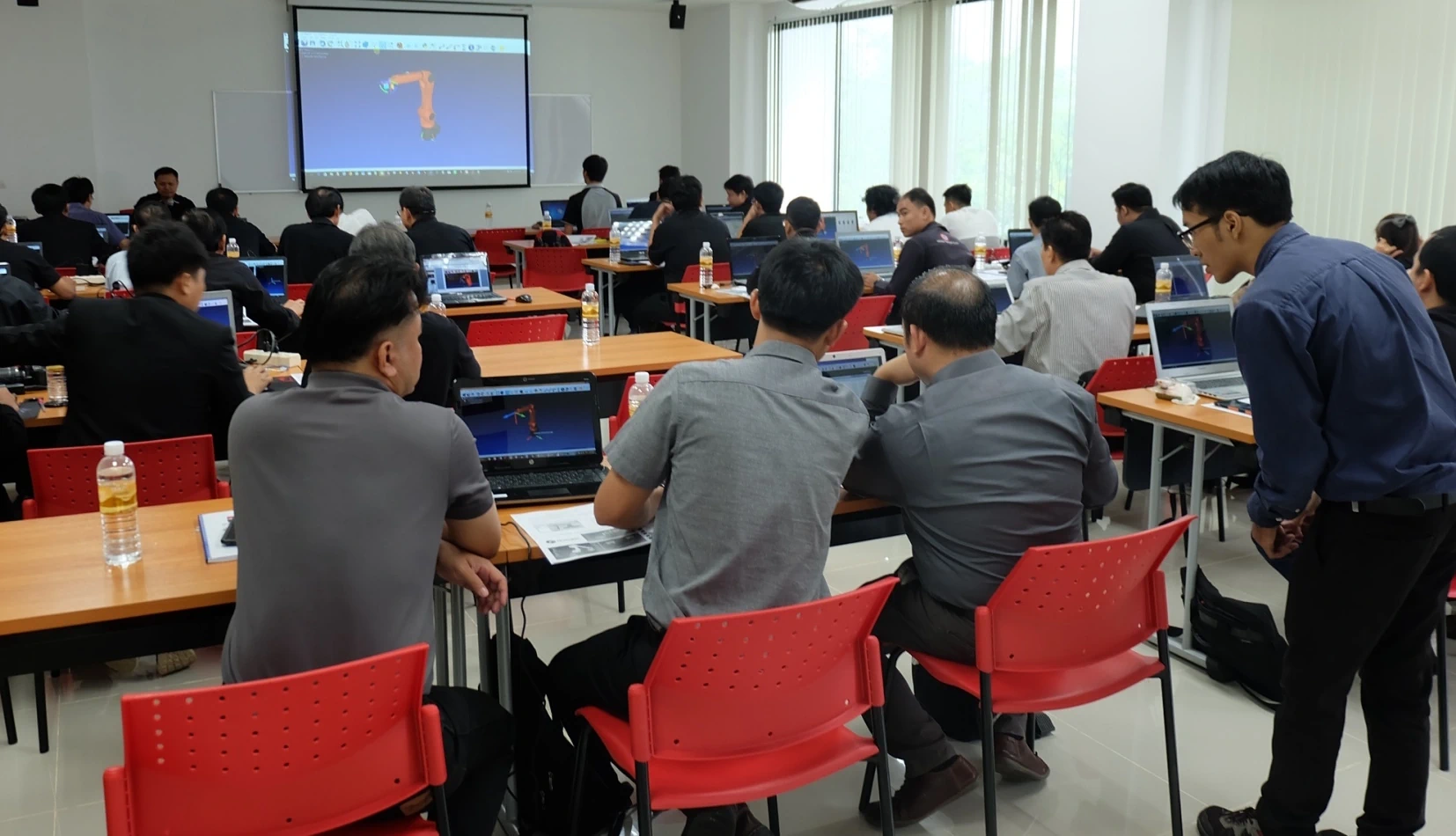
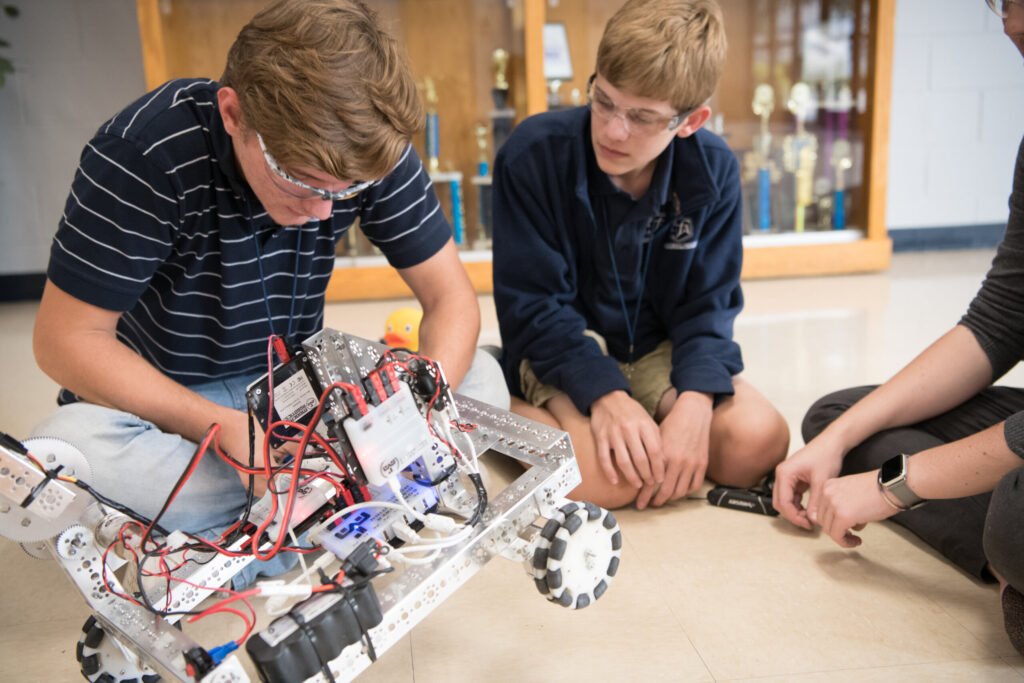
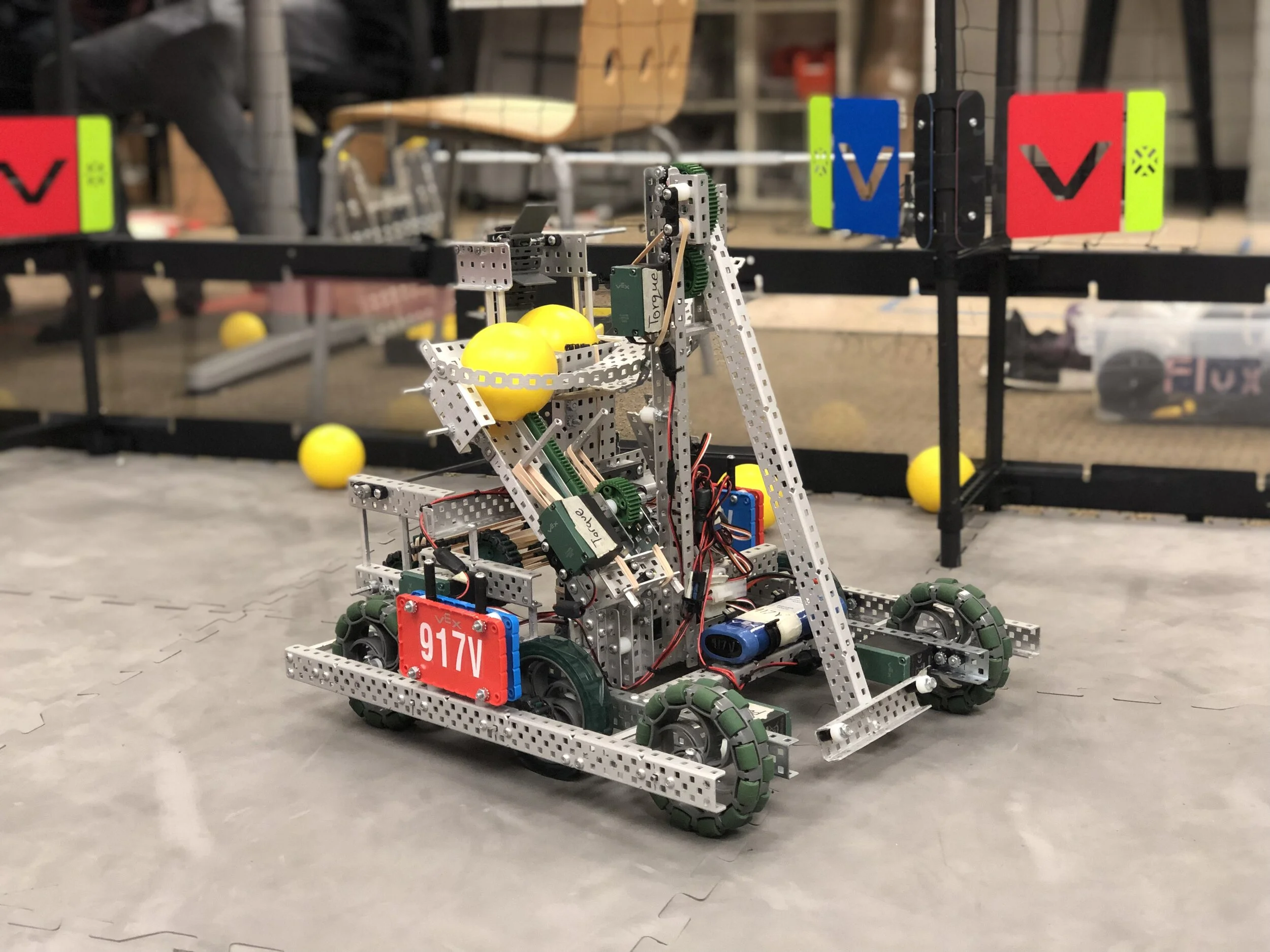
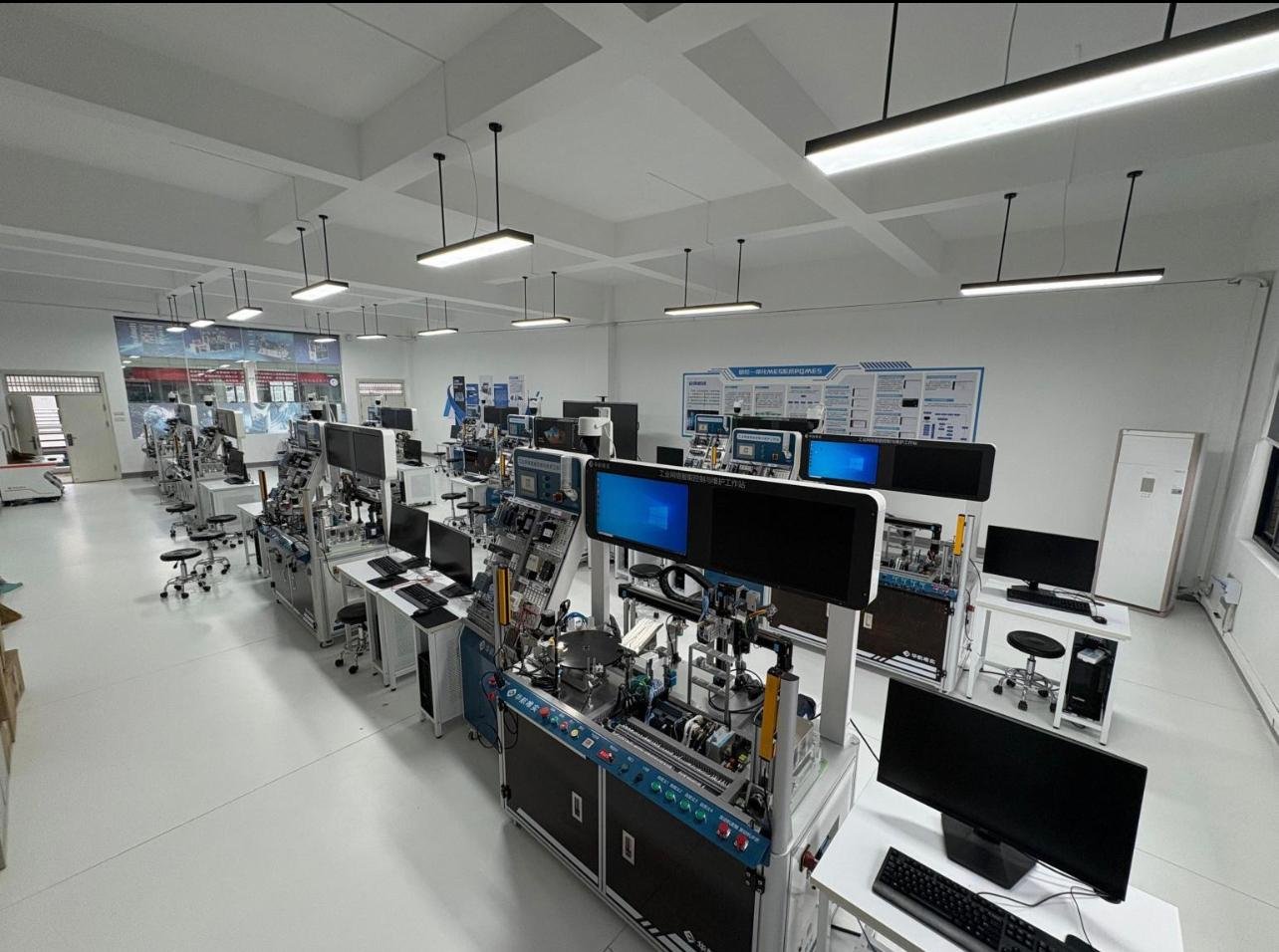
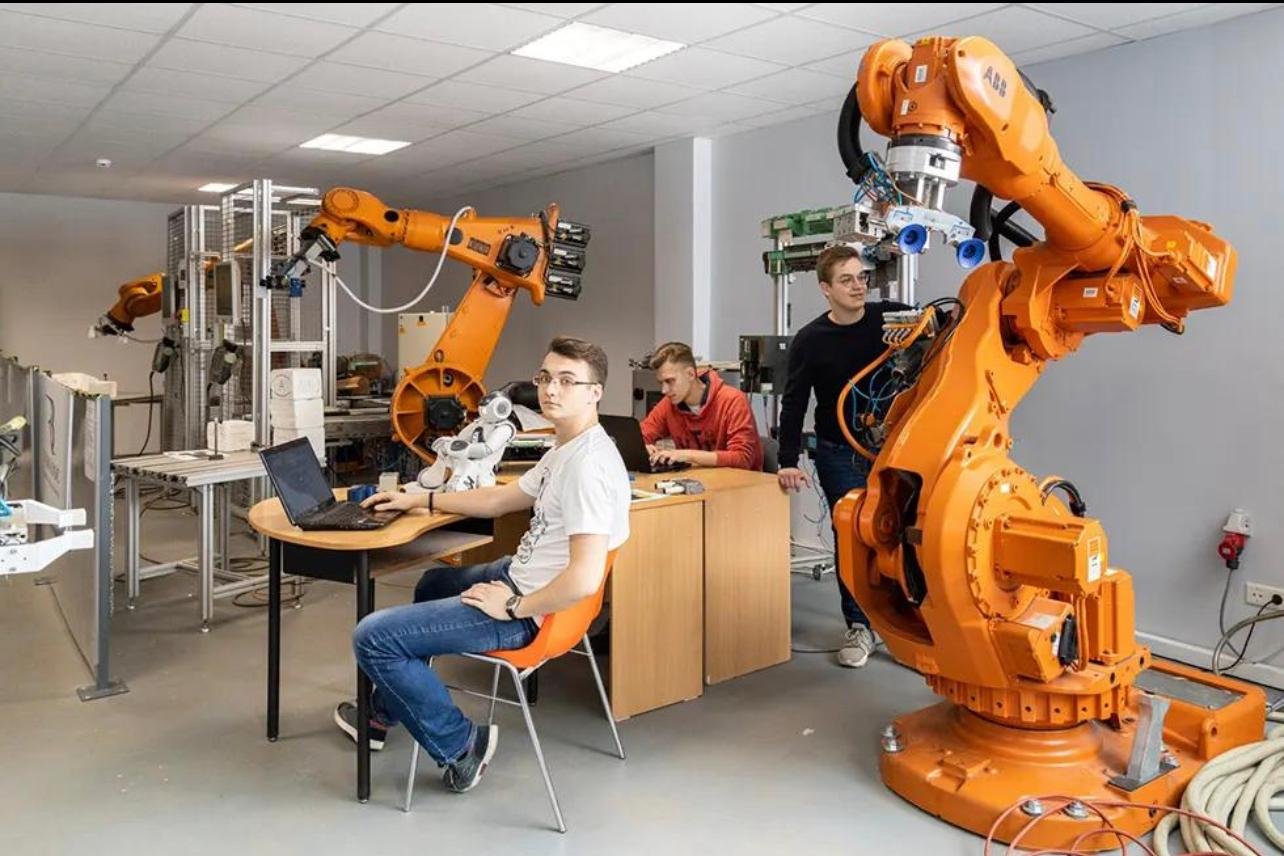
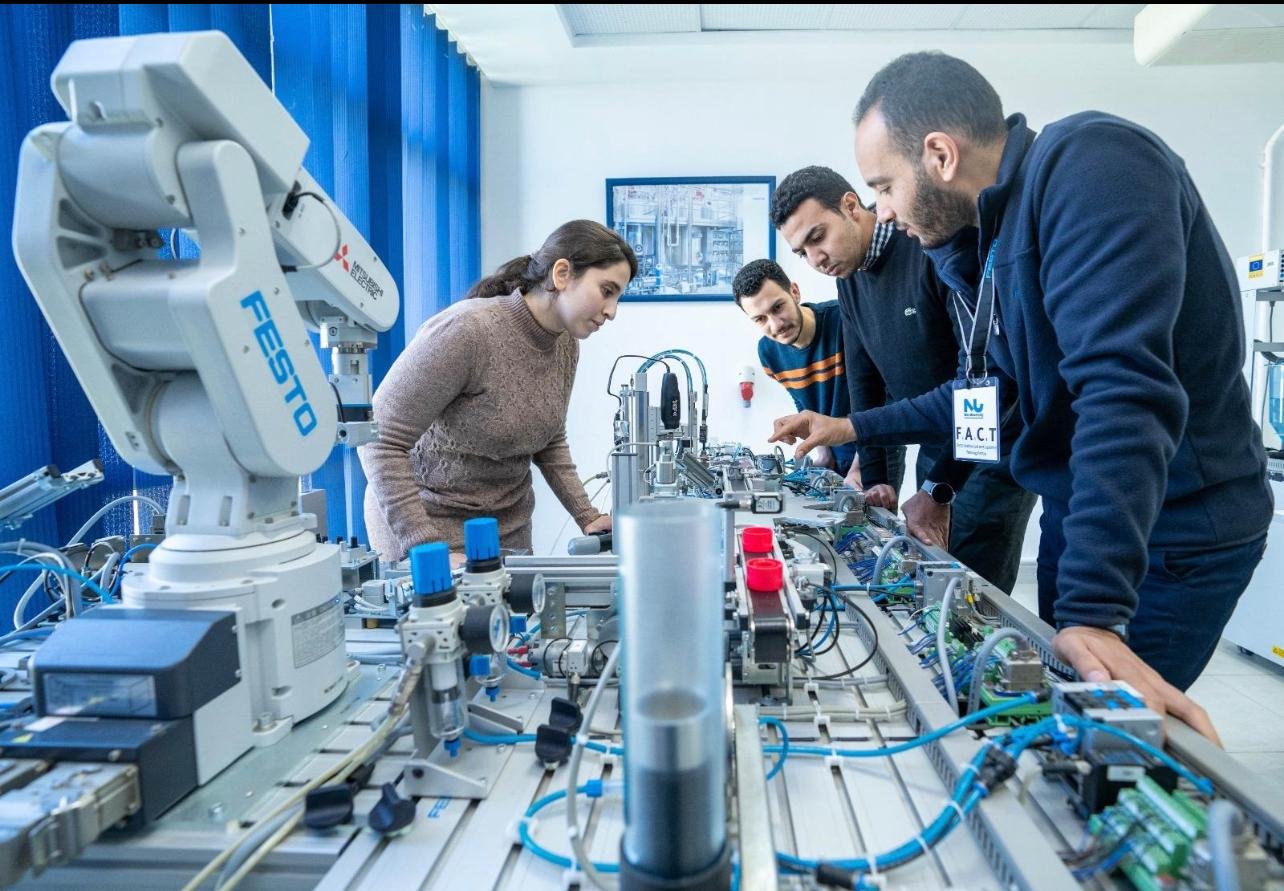
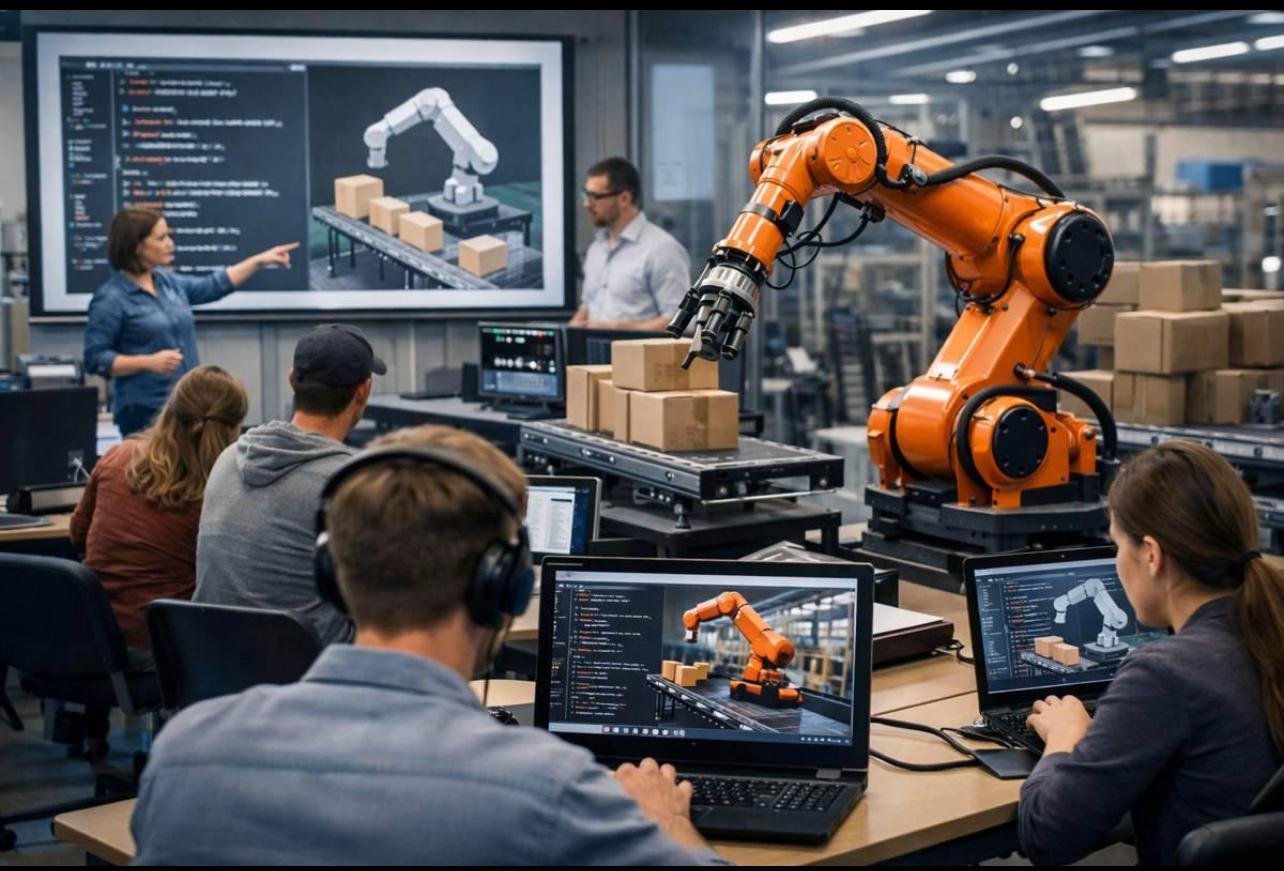
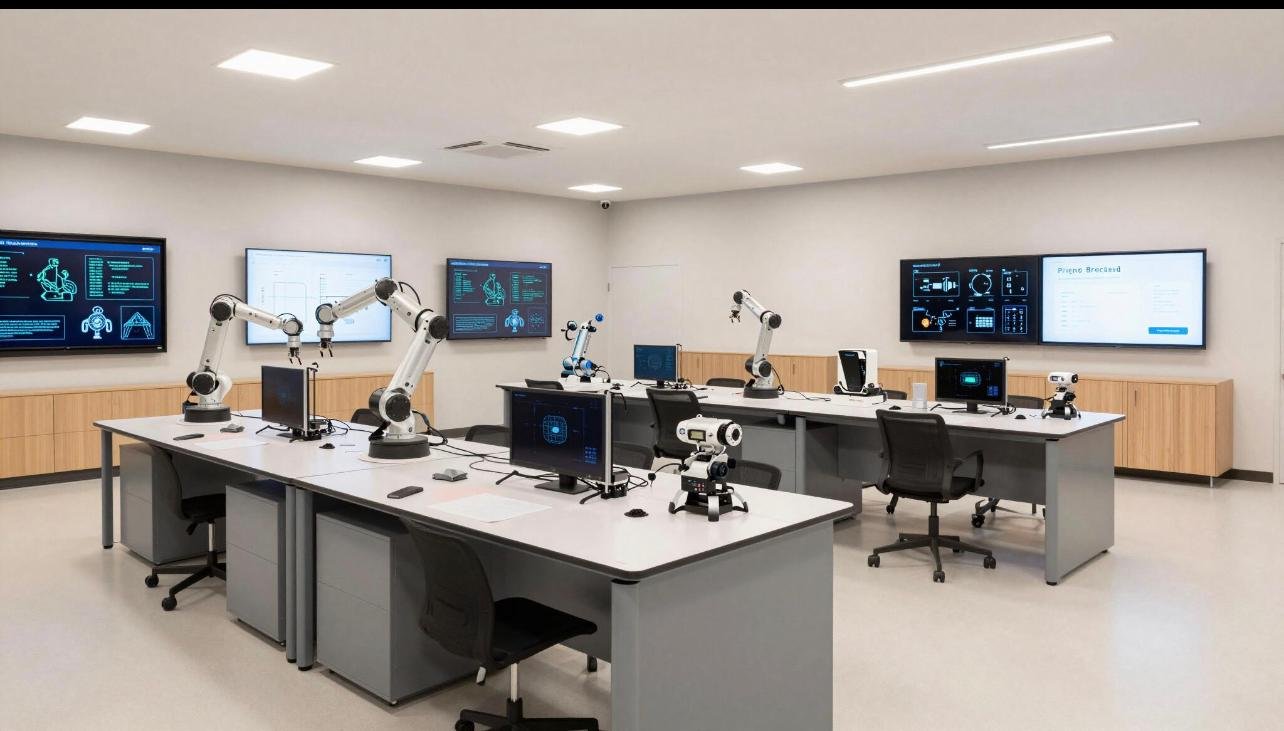
The academy at work
Learners on the equipment, in ordinary training conditions.


Take the detail with you
Asked before you ask
01 Is the certificate recognised?
Recognised by whom is the real question, and it is worth settling before you book anything. A manufacturer certificate carries weight with that manufacturer and the people who buy their equipment. An accredited qualification carries weight because an examining body stands behind it. A certificate of attendance proves somebody was in the room and nothing more. All three are legitimate, and all three are sold under the word certification. We name which one a programme leads to, and confirm what it is recognised for in your country, in writing, before the programme starts.
02 Can you train on our brand of equipment?
Usually, and it is worth insisting on. Concepts transfer between brands but the working detail does not: menus, frames, addressing, pendant behaviour and fault codes all change, and an operator trained on a different controller is slower and less confident on yours than the invoice suggests. Send the makes, models and controller versions with your enquiry. Where we cannot teach on your exact equipment, we will say so and propose the closest match rather than let you find out on the day.
03 When should training happen, before or after the machine arrives?
Close to commissioning, on both sides of it. Train far too early and most of it is gone by the time anyone touches the machine. Train too late and you have an expensive line standing idle while the people who will run it wait for a course. The usable pattern is groundwork before delivery, practical work on the equipment as it goes live, and a follow-up once the team has been running it alone for a while, which is when the questions that matter finally appear. Tell us the week the team has to be productive and we will schedule backwards from it.
04 What happens when the person we trained leaves?
Assume they will, because in this industry they do. That is why the materials are licensed to the company rather than the individual, why assessment records stay on your file, and why the train-the-trainer class exists as a class in its own right. An organisation with its own trainer and its own materials replaces a leaver internally. An organisation that bought seats has to buy them again.
05 Can you help us set up our own training centre?
Yes, and it is a large part of what this category does. Training cells, PLC and controls rigs, cobot benches, vision kits, consumables, curriculum and trainer development, specified together so the room and the syllabus match. Tell us the space, the number of stations you want running at once and who you intend to teach, because a college lab, a dealer demonstration room and a plant training bay are three different builds. Accreditation and awarding-body registration run through partner bodies and are quoted separately.
06 Can you train the whole shift without stopping production?
Usually, by splitting into cohorts and working around your shift pattern rather than against it, including nights and weekends where that is what the plant runs. What does not work is putting everyone through at once on borrowed time, because hands-on training with more learners than stations produces attendance rather than competence. Send the shift pattern with the enquiry and it gets built into the plan instead of discovered halfway through.
Send the equipment, the people and the deadline
Tell us what your team runs, what they can already do and the week they have to be productive. You will hear back within two working days with the programme that fits, what certification it leads to, and an indicative range.
If the task is closer to one of these, start there instead, the pricing, the lead time and the paperwork are all different.