
Rehabilitation and mobility equipment,
supplied to institutions
Robotic rehabilitation and gait systems, medical and industrial exoskeletons, therapy technology, elderly care equipment and tele-rehabilitation platforms, supplied to hospitals, rehabilitation centres, clinics, care operators and employers, with the clinical and regulatory boundaries written down rather than implied.
A device is equipment. The outcome belongs to the programme.
Rehabilitation technology is an emotive category, which is exactly why this page is written carefully. These systems are used to support mobility work, to measure and record it, and to reduce the physical strain on the people delivering it. They are equipment used within a programme, not a treatment in themselves, and we will not describe them as one.
Our side of it plainly. We supply, specify, source, install and support rehabilitation and gait robots, medical and industrial exoskeletons, mobility assistance systems, therapy and motion analysis platforms, elderly care equipment and tele-rehabilitation software, along with their accessories, consumables and spares. We do not manufacture them, we do not prescribe them, and we do not deliver therapy. Clinical decisions belong to your clinicians. Device claims, approved indications and certification belong to the manufacturer, and we quote them as theirs, in writing, for your market.
This page is written for institutions: hospitals, rehabilitation centres, neurological and orthopaedic units, physiotherapy and sports medicine clinics, elderly care and nursing operators, employers, government health bodies and distributors. If you are an individual or a family looking for a device for someone you care about, we understand why you are here, and the honest answer is that suitability has to be assessed by a qualified clinician who knows that person. Ask their rehabilitation team, and we will happily supply through them.
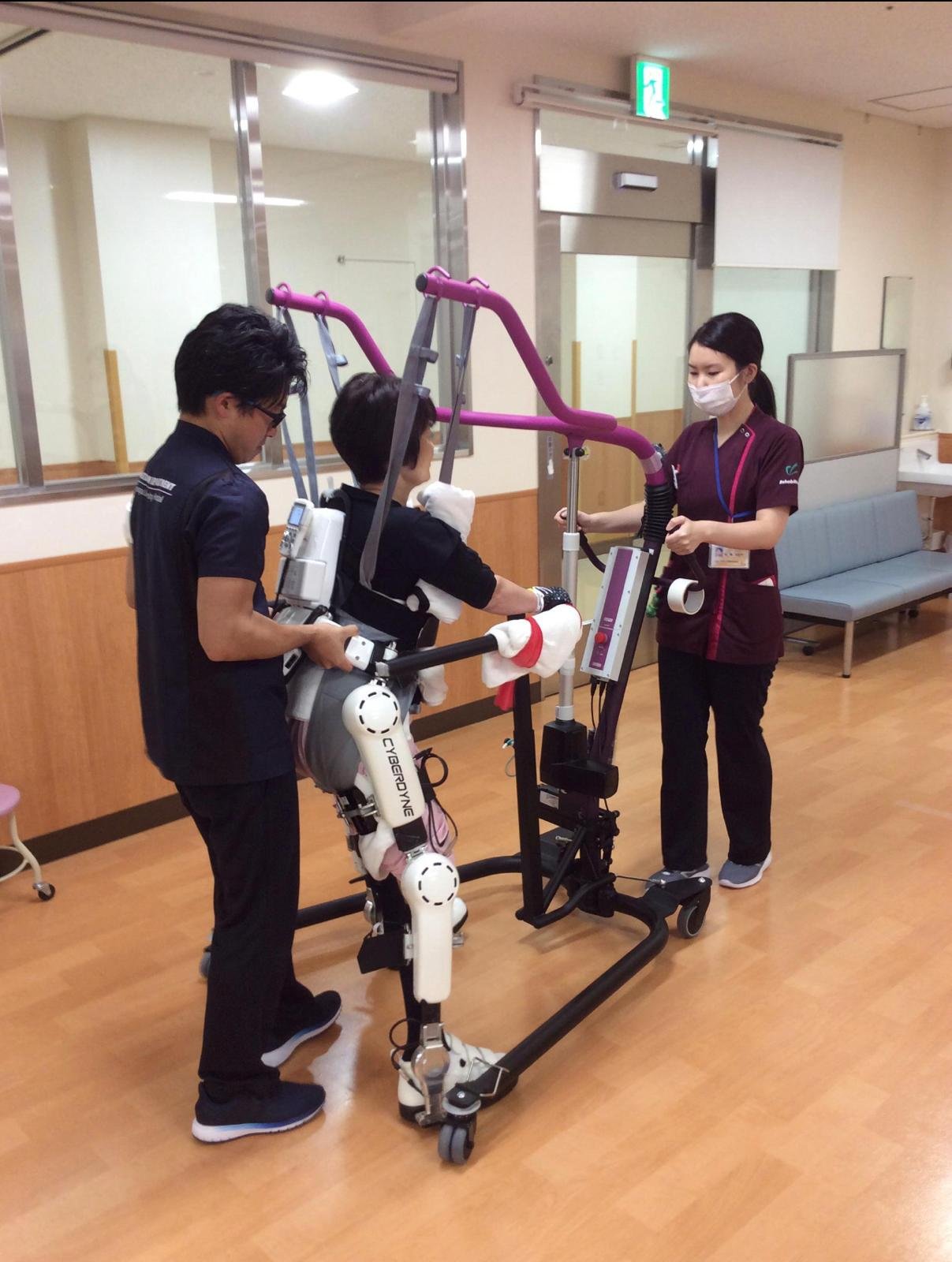
One benefit in the original brief survives untouched, because it is about your staff rather than about a patient. Powered gait and transfer equipment takes physical load off therapists and care workers, who otherwise absorb it with their own backs. That is a real, measurable and unglamorous reason to buy, and it belongs in the business case alongside the clinical one your own team will make.
Why source this equipment through us
-
Regulatory status in writing
Which device, approved for what, in which market, by whom. Named and documented before an order rather than assumed from a brochure.
-
Manufacturer claims kept as theirs
Indications, evidence and figures attributed to the manufacturer and their test conditions. We do not repackage them as our own promises.
-
We stay out of clinical decisions
Suitability, protocols and patient selection belong to your clinicians. A supplier who advises on those is a supplier to be careful of.
-
Facility assessment before specification
Caseload capacity, floor space, power, doorways, storage and who is trained. We look at the room before we look at the catalogue.
-
Installation and integration
Delivered, installed, commissioned and handed over against a checklist, with the manufacturer's documentation in your hands on the day.
-
Maintenance, inspection and spares
Preventive schedules, inspection intervals, consumables and wear parts planned at order. Parts and warranty claims chased by us, not by you.
-
Data questions raised early
Gait data, session video and remote monitoring are clinical information about identifiable people. Where it lives and who sees it belongs in the decision.
-
An honest no
If there is no trained team, no programme around it or no budget for maintenance, the equipment will sit unused. We would rather say so now.
Who this equipment is supplied to
Institutional and occupational buyers. A sample rather than a limit, and in every case the equipment is supplied to an organisation with qualified people around it.
- Hospitals
- Rehabilitation centres
- Neurological rehabilitation units
- Physical therapy practices
- Orthopaedic clinics
- Sports medicine centres
- Elderly care facilities
- Nursing homes
- Assisted living operators
- Occupational health services
- Manufacturing
- Warehousing & logistics
- Construction
- Universities
- Medical research centres
- Government healthcare bodies
- Military rehabilitation centres, subject to screening
- Regional distributors
Six distinct things under one heading
Robotic rehabilitation & gait systems
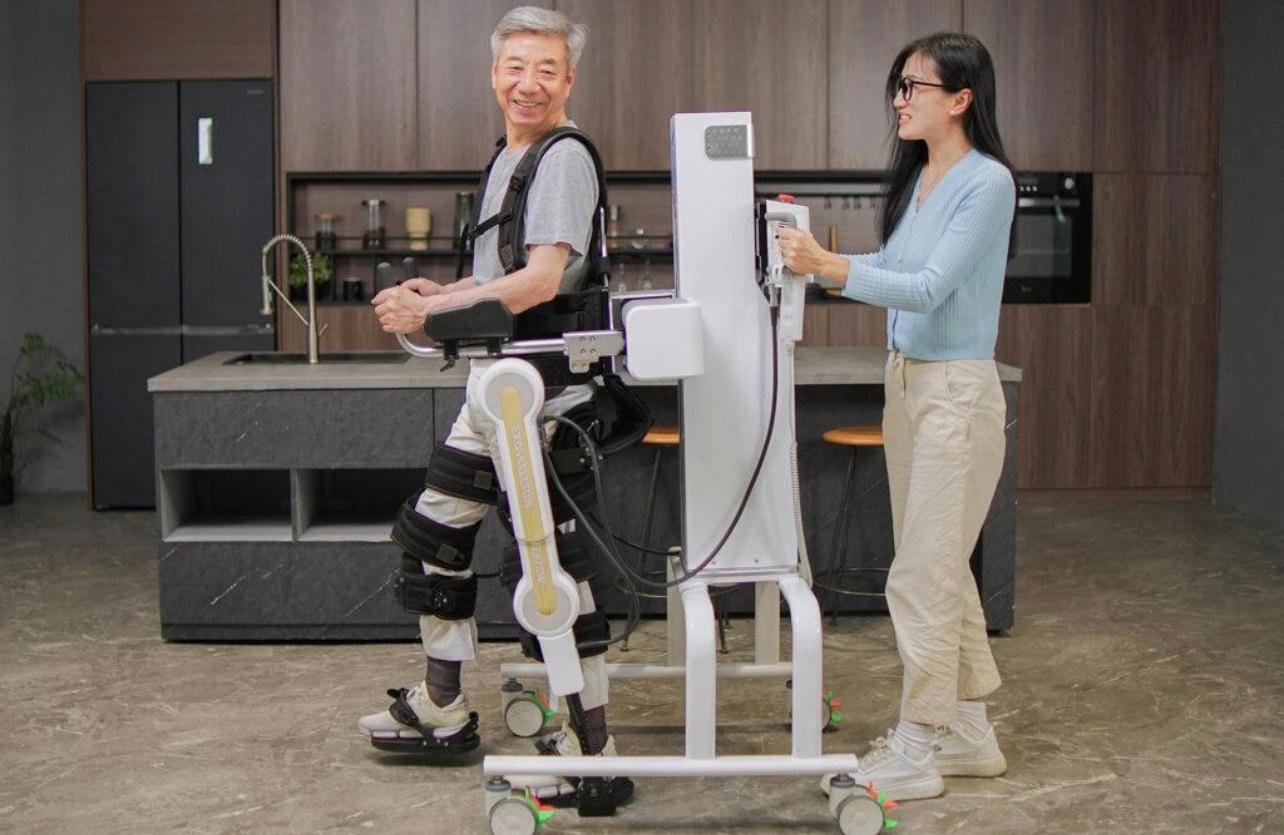
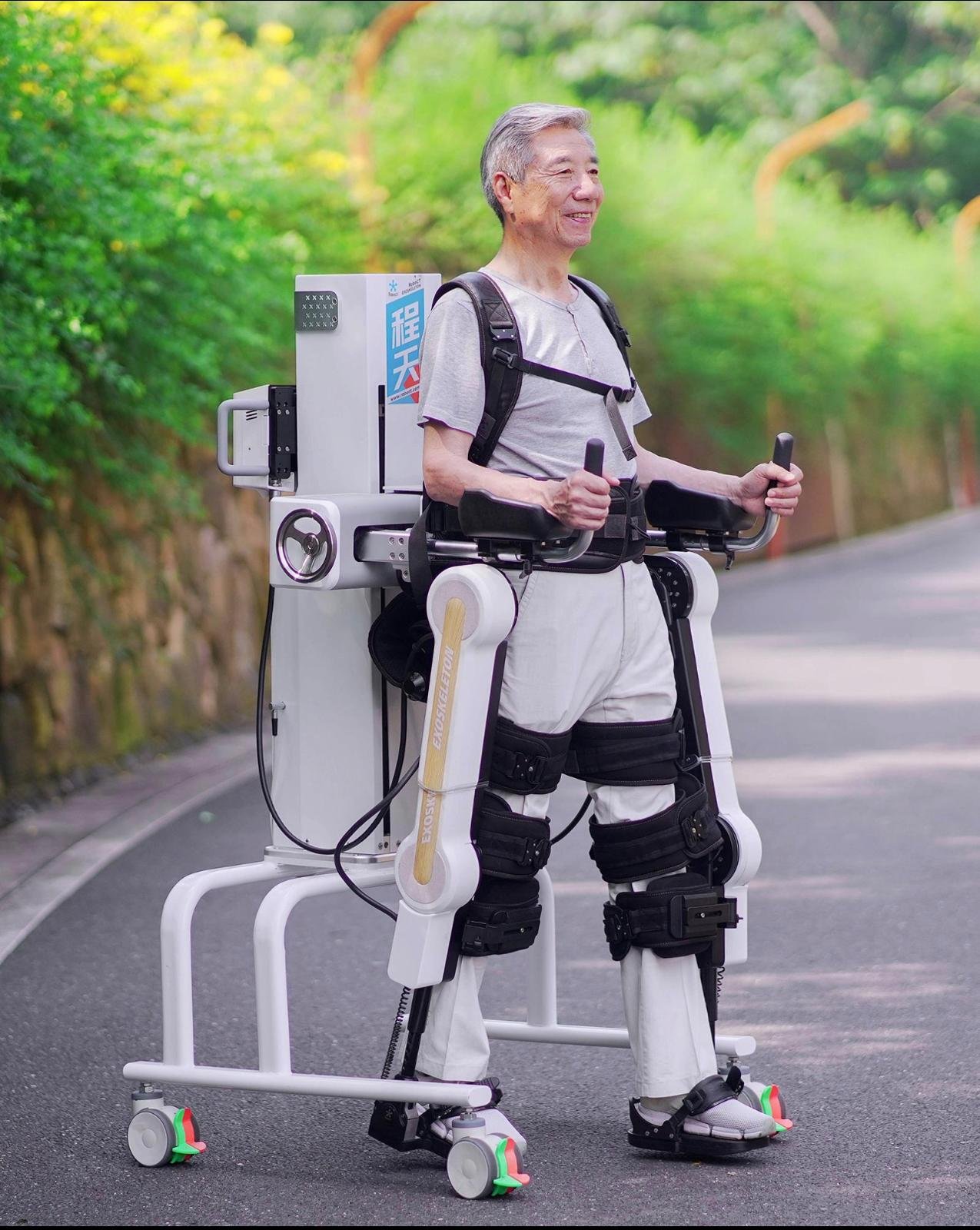
Stationary and supported systems used within therapy programmes for gait training, walking practice, balance work and repetitive limb movement, usually with body weight support and session recording for the therapy team to review. Also reduces the physical load on the therapists running those sessions.
Hospitals & rehabilitation centresProtocols: your therapy teamMedical exoskeletons
Powered wearable lower and upper limb systems used within clinical programmes, including programmes for stroke, spinal cord injury, multiple sclerosis, Parkinson's, cerebral palsy, brain injury and orthopaedic surgery recovery, subject to the manufacturer's approved indications for your market.
Rehabilitation units & clinicsClinical decisions: your cliniciansElderly care & mobility assistance
Lighter powered and passive wearables and walking aids used to support stability and reduce fatigue during daily activity, within a care or therapy plan. Used within falls and balance programmes; no device prevents a fall.
Care & assisted living operatorsSuitability: assessing clinicianIndustrial support exoskeletons
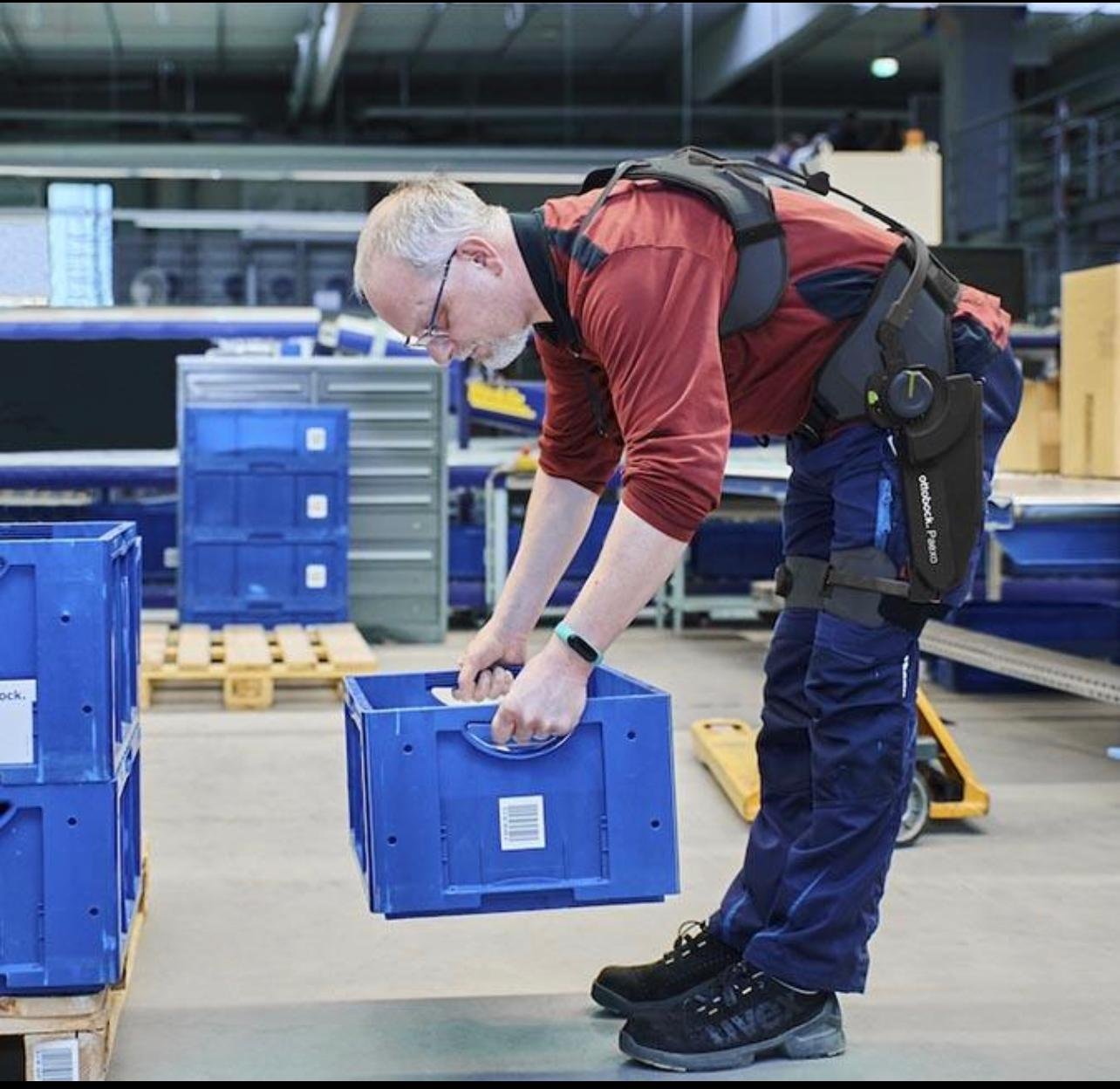
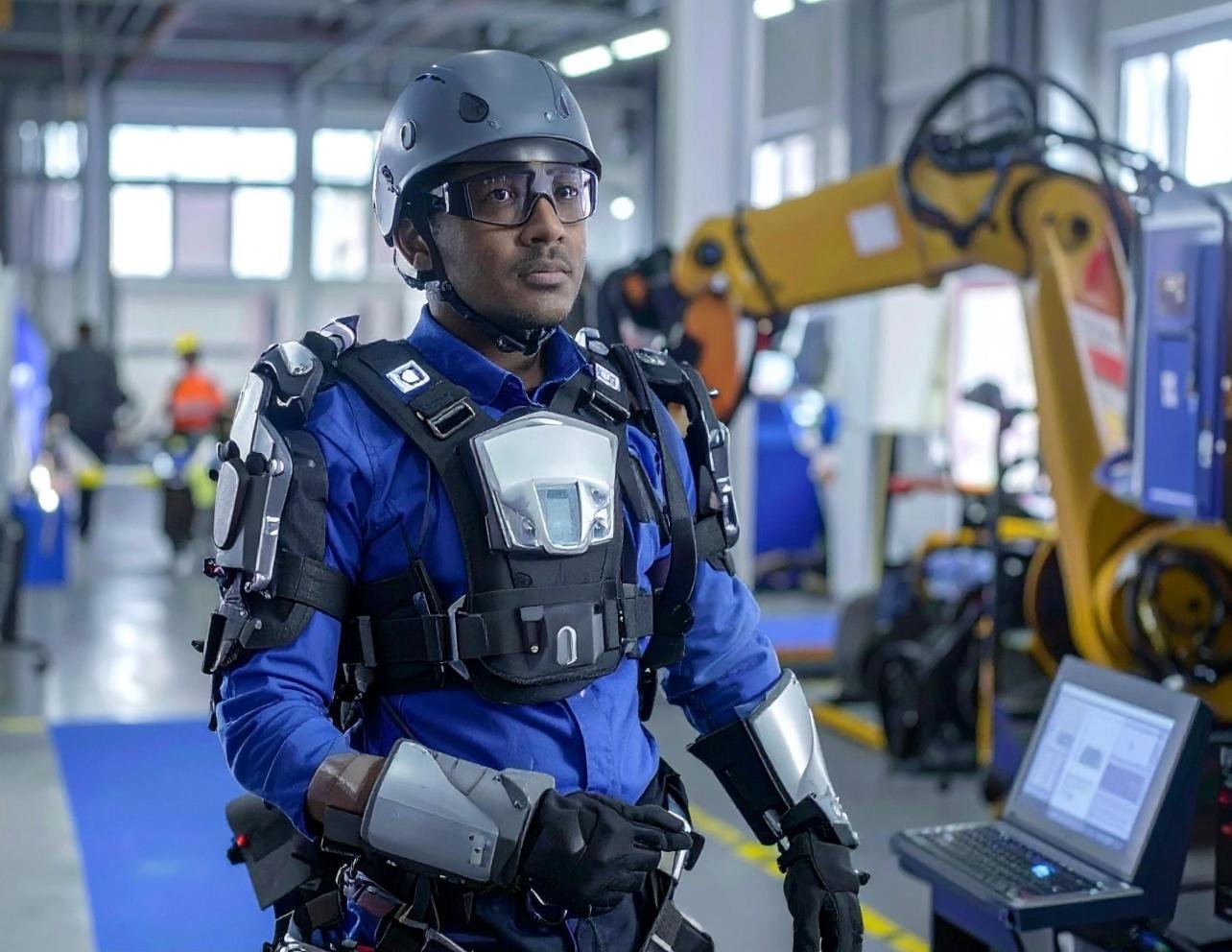
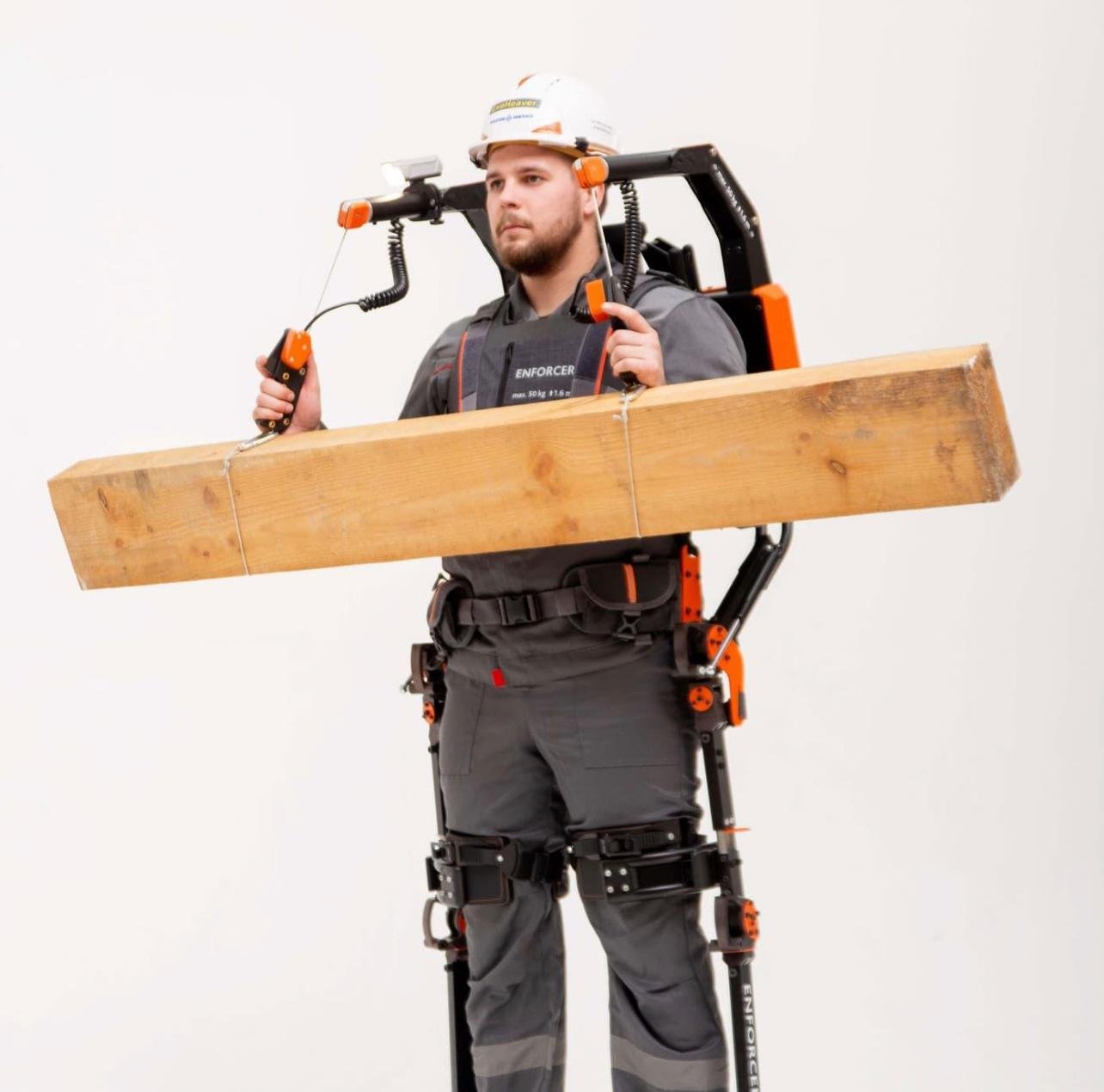
Passive and powered back, shoulder and upper limb support for lifting, overhead and sustained posture work. Measured load reduction on the supported area is the honest benefit, and the trial is what proves it for your task.
Employers & occupational healthRisk assessment: the employerTherapy technology & motion analysis
Smart therapy devices, motion sensors, interactive training equipment and the platforms that record sessions, measure movement and report progress. Where a manufacturer describes software or AI assisted features, we quote their description rather than inventing one.
Clinical & research teamsInterpretation: qualified cliniciansTele-rehabilitation platforms
Cloud connected systems for home based programmes, remote session review, progress reporting and video consultation. The programme is still your clinicians' to design and supervise, and the data protection questions arrive with the software.
Hospitals & community servicesSupervision: your clinical teamWearable systems, the industrial and defence side, and the trial protocol that goes with them are covered in more detail on Exoskeleton & Rehabilitation Robotics. Same manufacturers, same regulatory position, more depth on the devices themselves.
Programmes this equipment is used within
⚠ Read the sentence carefully, because the wording is the point. These are conditions for which rehabilitation programmes commonly use equipment of this kind. Whether a particular device may be used for a particular condition is set by the manufacturer's approved indications in your market, and whether it suits a particular person is a decision for the clinician who has assessed them.
- Stroke
- Spinal cord injury
- Parkinson's disease
- Multiple sclerosis
- Cerebral palsy
- Brain injury
- Orthopaedic surgery recovery
- Hip replacement
- Knee replacement
- Sports injuries
- Muscle weakness
- Age related mobility loss
What we quote, by type
Availability, specification and regulatory status vary by manufacturer and by market, so this is a list of what we source rather than a catalogue. Yours is confirmed in a written quotation.
-
Full body exoskeletons
Powered systems supporting trunk and both limb sets, for rehabilitation and specialist occupational use.
-
Lower limb exoskeletons
Hip, knee and ankle support for gait work, standing and walking practice within a programme.
-
Upper limb exoskeletons
Shoulder, elbow and hand systems for arm rehabilitation and for sustained overhead tasks.
-
Rehabilitation & gait training robots
Stationary gait trainers, therapy robots and body weight supported systems used by therapy teams for repetitive practice.
-
Walking assistance & mobility support
Lighter wearables and walking aids used to support stability and reduce fatigue during everyday activity.
-
Industrial support wearables
Passive and powered back, shoulder and arm support for repeated lifting, bending and overhead tasks.
-
Motion analysis & rehabilitation software
Session recording, movement measurement, reporting and tele-rehabilitation platforms supplied with a device.
-
Accessories, sizing & spares
Straps, pads, cuffs, liners, batteries, chargers and wear parts. Order the consumables with the device.
Nine stages, and who owns each one
This is the only genuinely sequential thing on the page, so it is the only thing numbered. Stages six to nine continue for the working life of the equipment, which is where most of the cost and nearly all of the disappointment lives.
Consultation
What the requirement actually is, which setting it sits in, and whether equipment is the right answer at all. Free, and sometimes it ends with us saying no.
AXIONNo obligation, no clinical adviceFacility & requirement assessment
Caseload capacity, floor space, doorways, power, storage, staffing and existing equipment. This is an assessment of your facility, not of any patient.
AXION with your estates & clinical leadsPatient assessment: never oursSpecification & product selection
Candidate devices with the manufacturer's specification, approved indications and certification for your market, quoted as theirs. The choice is yours to make.
AXION proposes, you decideRegulatory status in writingSupply & installation
Delivery, installation, commissioning and handover against a checklist, with documentation, sizing guides and the first set of consumables present on the day.
AXIONManufacturer attends where requiredStaff training
Device training delivered or arranged with the manufacturer, on your equipment. Records are issued to your institution rather than to individuals, because people move on.
Manufacturer, arranged by AXIONClinical competency: your governancePreventive maintenance
Scheduled servicing and inspection against the manufacturer's intervals, with the records an auditor will ask for kept from the first visit rather than the first audit.
AXIONRecords held by youSoftware updates
Firmware and platform updates applied under the manufacturer's release process, with any change to indications, data handling or licence terms flagged to you before it lands.
Manufacturer, coordinated by AXIONValidation: your team where requiredRemote technical support
A named route for faults, parts and warranty claims. We raise and chase manufacturer claims ourselves rather than handing you a number in another country.
AXIONNot a clinical helplineAnnual service contracts
Cover for the working life of the asset: visits, inspection, consumables, response times and what is excluded, stated plainly before you sign rather than after a breakdown.
AXIONScope and exclusions in writingResponsibilities, regulation and the practical realities
Supplying regulated equipment that people wear and stand in is an arrangement rather than a transaction, so this table sets out the arrangement. What applies to your device, your market and your programme is confirmed in writing before an order.
- What we do
- Supply, specify, source, install, maintain and support rehabilitation and gait robots, medical and industrial exoskeletons, mobility assistance systems, therapy and motion analysis platforms, tele-rehabilitation software, accessories and spares, with the manufacturer's current specification quoted in writing
- What we do not do
- Manufacture devices, prescribe them, assess patients, set protocols or deliver therapy. Device claims and certification belong to the manufacturer. Clinical decisions belong to your clinicians. Neither is ours to take on
- Regulatory status
- Most of this equipment is a regulated medical device. Approval is specific to a market and to an indication, so a device cleared in one country is not automatically permitted in another. We confirm the certification that applies to your market in writing, and we will tell you plainly when a device is not approved where you are
- Approved indications
- The manufacturer's, published in their documentation, and the boundary of what the device may be used for. Where a clinician wishes to work outside them, that is a clinical and regulatory decision for your institution and its governance process, and not something a supplier can authorise
- Clinical responsibility
- Assessment, patient selection, supervision, protocol and discharge sit with your qualified clinicians throughout. We supply equipment and the manufacturer's documentation and training; we do not participate in the clinical decision at any point
- Individuals & families
- We supply institutions. If a device is for one person, suitability has to be assessed by a clinician who knows them, and we would rather supply through that team than sell around it. This costs us enquiries and it is the right way round
- Falls & balance
- Equipment is used within falls and balance programmes. No device prevents a fall, and nobody should buy one on that basis or write it into a tender response. What a device can do is support stability during supervised activity, which is a smaller and truer statement
- Training & competency
- Device training is delivered or arranged with the manufacturer, and competency records are yours to hold. Training on the machine is not the same as clinical competence in using it with a patient, exactly as on the Training & Support page
- Fit & sizing
- These are worn on bodies that vary in height, limb length, weight and range of motion. Size ranges, adjustment limits, contraindicated body dimensions and who is trained to fit the device are confirmed before delivery, not on the day
- Trial before fleet
- For occupational purchases, trial on the actual task with the actual people first. Fit, comfort, heat, donning time and whether it gets in the way decide adoption, and adoption decides whether the purchase was worth anything
- What the evidence supports
- Measured reduction of load on a supported area is well established for industrial devices. Reduction in injury rates is a much larger claim involving task design, hours, training and everything else about the job, and we will not make it for you
- Load has to go somewhere
- Support taken off the lower back is transferred to the thighs, chest or shoulders. That is a trade rather than a free gain, and it is the most common reason a device is uncomfortable and quietly abandoned. Assess the whole body, not the target area
- Occupational safety
- The employer's risk assessment covers the device and the task together. Introducing a wearable changes the assessment rather than satisfying it, and it does not remove the duty to fix the underlying task where the task can be fixed
- Hygiene & shared use
- Equipment used across patients needs a cleaning, laundering and inspection regime, with the manufacturer's approved products and intervals. Straps, pads and liners are personal or replaceable items, so specify enough of them with the order
- Inspection & service life
- Structural components, straps, actuators and batteries have inspection intervals and a finite service life. A device past its interval is not usable equipment, and this is the first thing an auditor asks to see records for
- Batteries & charging
- Powered systems work in sessions around a charge. Swap capability, charge time, storage and transport rules for the battery chemistry, and the number of packs you actually need, are practical questions that shape the daily schedule
- Site & installation
- Stationary gait systems need floor area, ceiling height, clear approach for a wheelchair or hoist, power, and a door they will actually fit through. Survey before order, because a machine that cannot reach the room is the most expensive kind of mistake
- Data & patient records
- Gait measurements, session logs, video and anything a tele-rehabilitation platform sends home are clinical information about identifiable people. Where it is stored, whether it leaves your site or your country, who can access it and how long it is kept are questions for your data protection people before an order rather than after installation
- Tele-rehabilitation
- Remote monitoring changes who is watching and who is responsible when nobody is. Supervision arrangements, escalation, what happens on a missed session and where the liability sits are your clinical governance questions, and they are worth settling before the software is bought rather than after
- Spares & support
- Standard components and consumables come to us as normal. Device-specific parts, firmware and warranty claims go to the manufacturer, and we raise and chase those ourselves rather than handing you a number abroad
- Defence & export control
- Military rehabilitation and load carriage enquiries are screened for end use, end user and destination before a quotation. Some products cannot be supplied to some destinations, and we say so early rather than at shipping
- Funding & reimbursement
- Varies by country, payer and programme, and we are not the right people to advise on it. We will provide the documentation a funding application needs, and we make no representation about whether a device is reimbursable
- Cost
- Quoted per device and per configuration. Budget for what surrounds it as well: training, consumables and replacement straps, batteries, inspection, software licence terms and the staff time a programme needs to run properly
- When not to buy
- If there is no trained team or clinical programme around the equipment, if nobody has trialled an occupational device on the real task, if the business case rests on an injury rate or a recovery outcome claim, or if there is no budget for consumables and inspection. An unused device in a store room is the usual result
Certification for your market, approved indications, responsibilities and training scope are confirmed in writing before an order. Nothing on this page is clinical advice.
The equipment, and the people trained to use it
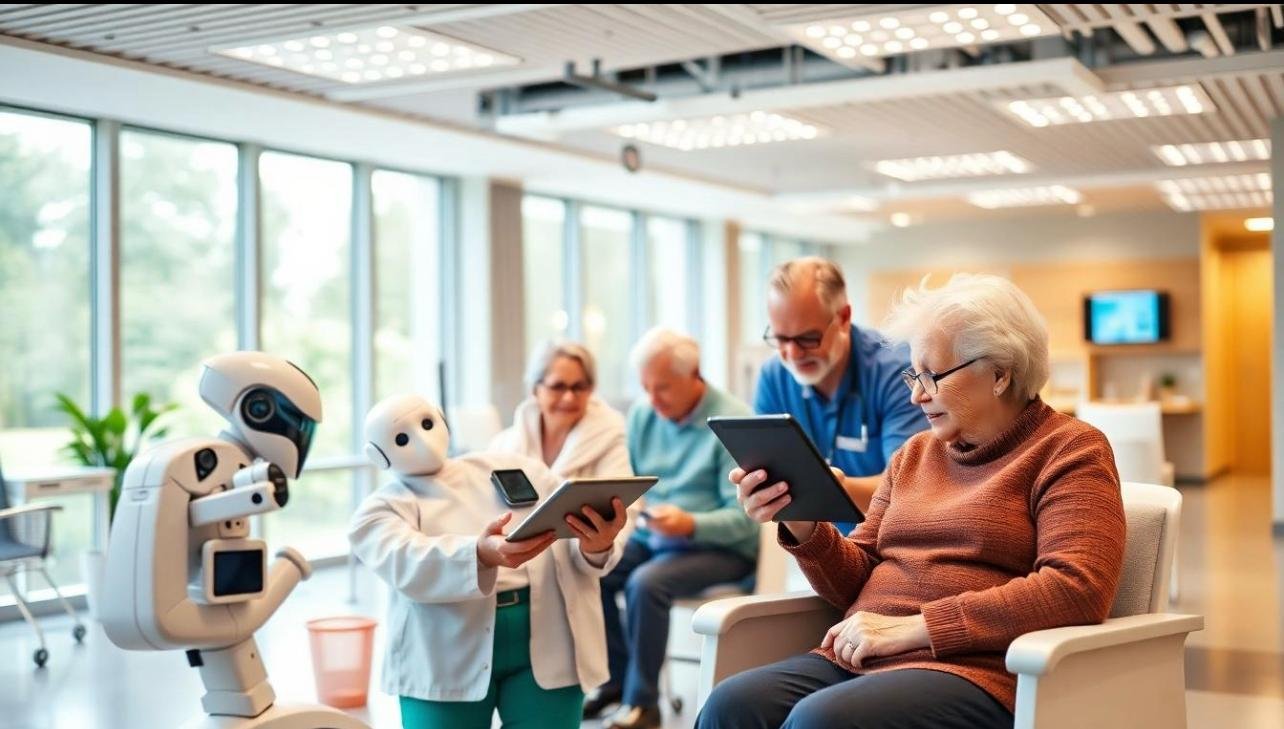
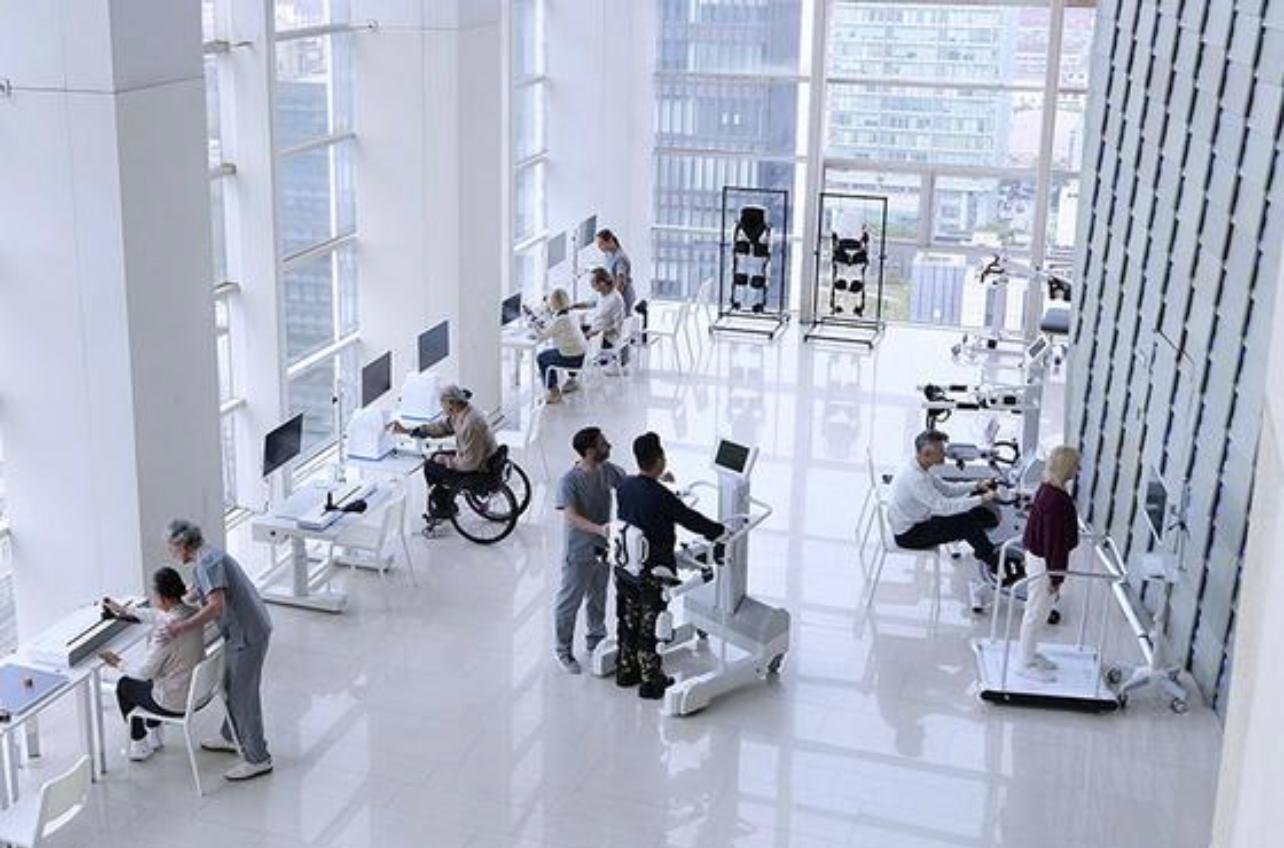
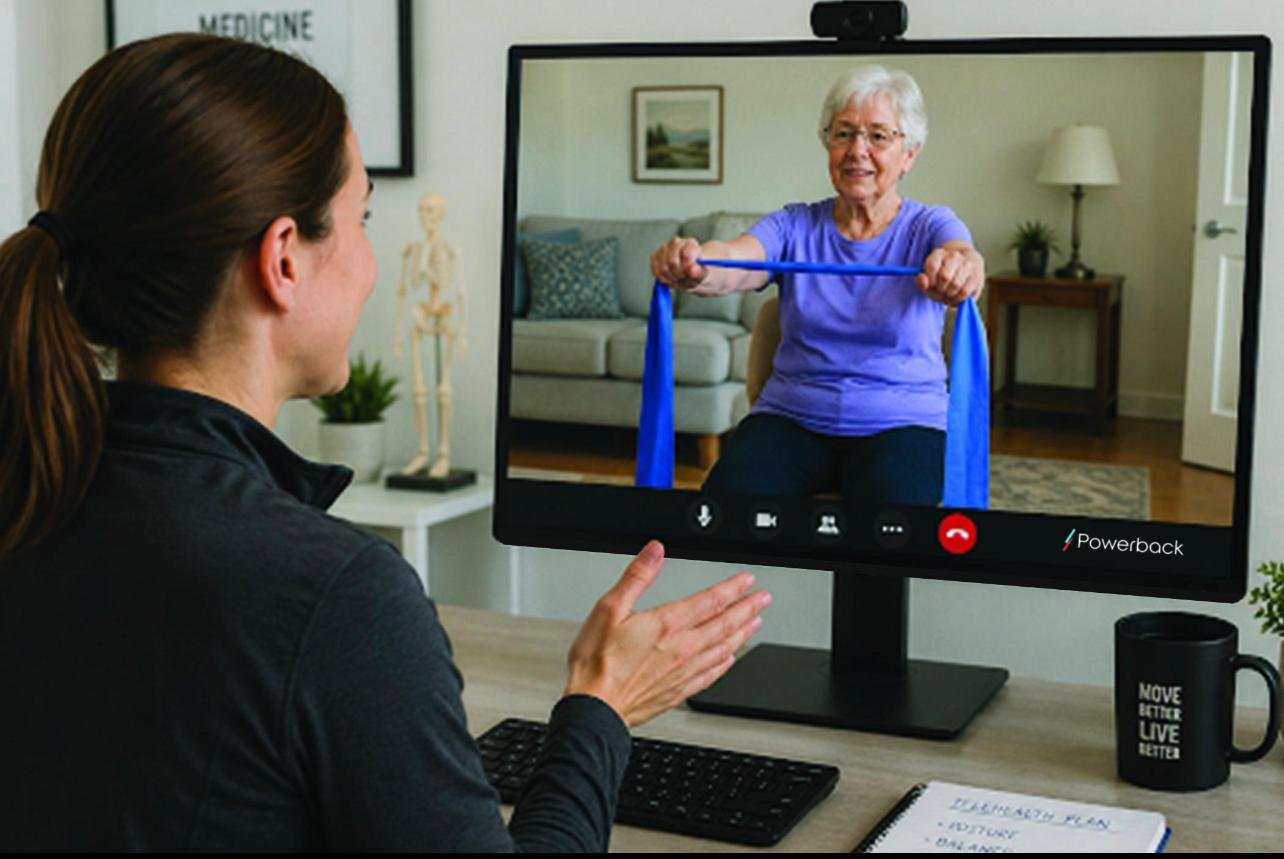
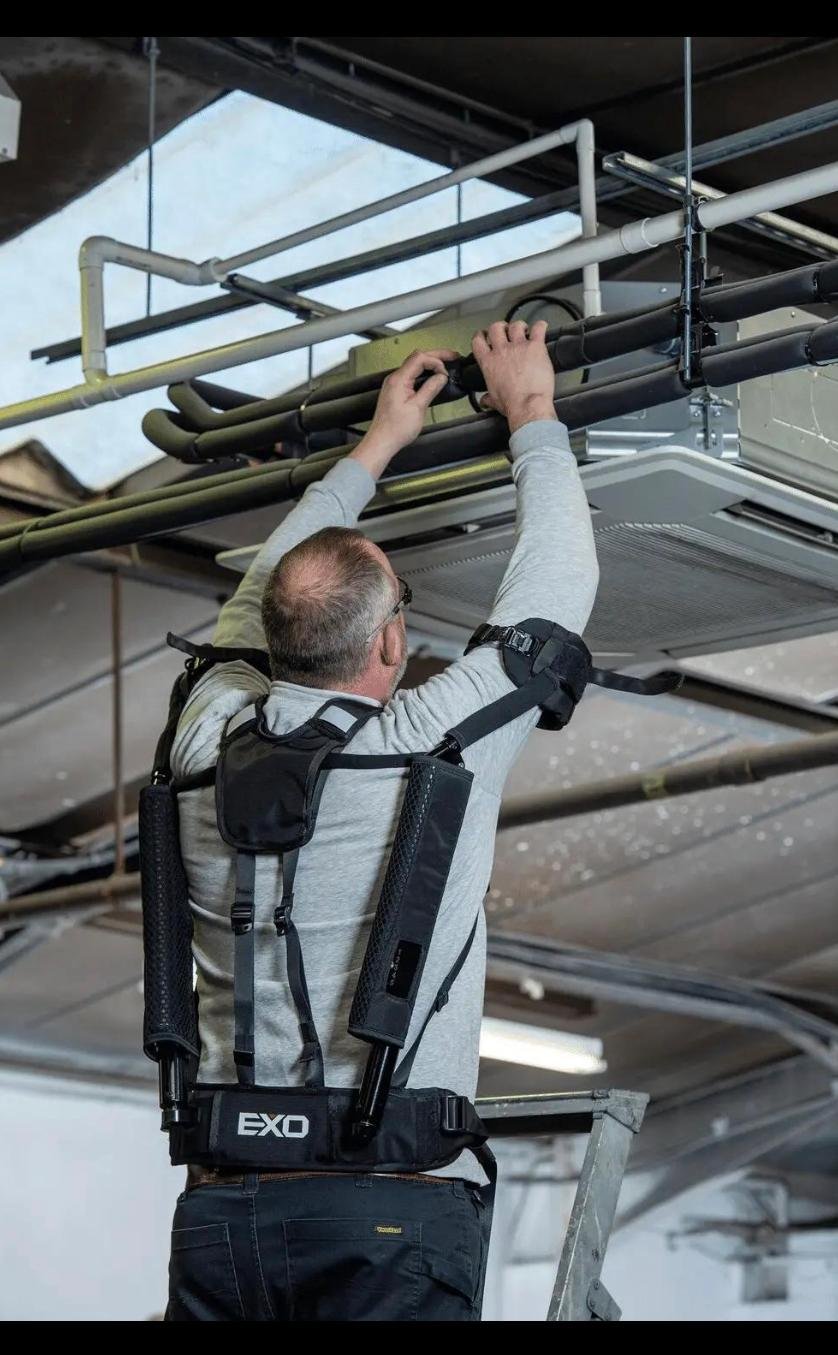
A gait system on a clinic floor, a therapist fitting straps, a fit check before a shift, a charging bay and an inspection record. The ordinary version of this work rather than the inspirational one.
Take the detail with you
Asked before you ask
01 Will this equipment help someone walk again?
That is not a question a supplier can answer, and you should be wary of any supplier who does. What we can tell you is what the equipment is: these systems are used within rehabilitation programmes to support standing, stepping and repeated gait practice, to measure and record what happened, and to reduce the physical strain on the therapists doing that work. What a particular person can achieve depends on their condition, their stage of recovery, their programme and their clinical team, and only a clinician who has assessed them can speak to it. If you want the manufacturer's published indications and their own evidence for a specific device, we will send those to you as theirs, in writing, and your clinicians can judge them.
02 We are a family buying for a relative. Can you help?
Partly, and we would rather be straight with you than take the order. We supply institutions, and the reason is not commercial: whether a particular device suits a particular person depends on their diagnosis, their measurements, their strength and balance, and what else is going on medically. Getting that wrong risks a fall or an injury, and a website cannot assess it. So ask their rehabilitation team or consultant whether a device of this kind is appropriate, and if it is, we will happily supply it through that team, or tell you which local provider already runs a programme with the equipment. Please do not send us medical details in the enquiry form; it is not a secure channel for health information.
03 Is the device approved in our country?
Ask us per device and per market, and expect a written answer rather than a reassuring one. Most of this equipment is a regulated medical device, approval is specific to a market and to an indication, and a clearance in one country tells you very little about another. We will confirm what certification the manufacturer holds that applies to you, what indications it covers, and any conditions attached to it. Where a device is not approved in your market we will say so and stop, because supplying it anyway would put your institution in a far worse position than a lost quotation puts us.
04 Does any of this prevent falls, or prevent workplace injuries?
No, and both phrases are worth retiring from your own tender documents as well as ours. On the care side, equipment is used within falls and balance programmes, where the programme, the supervision and the environment do the work; no device prevents a fall and nobody should buy one on that basis. On the industrial side, these wearables reduce measured load on the area they support, which is well established and genuinely useful. Whether that reduces injuries in your operation depends on the task itself, hours, rotation, training and everything else about the job. Two practical warnings that follow: load taken off the lower back is transferred somewhere else on the body, so comfort has to be assessed across the whole person, and a device that is hot, slow to put on or awkward in a tight space simply does not get worn.
05 What does the AI in these systems actually do?
Whatever the manufacturer's documentation says it does, which is usually less dramatic than the brochure and more useful than you expect: measuring movement, recording sessions, flagging changes across sessions and producing reports a clinician reads. We quote those descriptions as the manufacturer's rather than presenting AI as an AXION capability, because it is not one. What we will say plainly is that software suggesting an adjustment is not the same as software making a clinical decision, and any system that appears to blur the two deserves a hard look from your clinical governance people before it goes anywhere near a patient. The clinician stays in the loop, and the interpretation is theirs.
06 Who trains our staff, and who carries the responsibility?
Device training is delivered or arranged with the manufacturer, on the equipment you are buying, and the attendance and competency records are issued to your institution rather than to individuals, because people move on. Responsibility divides cleanly and it is worth stating before delivery. The manufacturer is responsible for the device and its claims. Your institution is responsible for clinical governance, patient assessment, supervision and, on the occupational side, for the risk assessment covering the device and the task together. We are responsible for supplying the correct, certified equipment with its documentation, for installing and maintaining it, and for handling parts and warranty afterwards. Nobody should be vague about which of those they are doing.
07 Would you ever tell us not to buy?
Regularly, and this category earns it more than most. If there is no trained team and no programme around the equipment, it will be used twice and stored. If nobody has trialled an occupational unit on the actual task, buying a fleet is a gamble on comfort. If the task itself can be redesigned, a lift assist, a height adjustment or a change to how material arrives will usually beat a wearable outright, and cost less. If there is no budget for consumables, straps and inspection, the running cost will arrive as a surprise in year two. And if the business case depends on an injury rate or a recovery outcome, the case needs rebuilding, because we have just spent a page explaining why nobody honest will promise you either.
Tell us the setting, the programme and who will use it
Whether this is a clinical programme, a care setting or an occupational task changes the equipment, the certification and the questions that follow. Please do not include patient or medical details; this form is not a secure channel for health information.
Related categories, if the requirement turns out to sit somewhere else.