
Warehouse automation, supplied by the fleet
Mobile robots, storage and retrieval, conveyors, sortation and palletising — quoted as a complete stock list rather than a single unit, tested before dispatch, and shipped with the fleet software, chargers, spares and paperwork that make it work on arrival.
The building decides the throughput, not the robot
Every manufacturer publishes a rated throughput. It is measured on a flat floor, in clear aisles, with full wireless coverage and a tidy product mix. Almost no working warehouse looks like that.
What actually sets the number you will see is the floor and its joints, the aisle widths, the ceiling height, where the wifi drops out, how the docks are scheduled, and what your slowest-moving SKUs weigh and look like. A fleet sized against a brochure figure and installed into a real building disappoints everyone.
So we ask for the site before we quote, not after. A floor plan, a throughput profile and an honest description of the building tell us more than a model number, and they are the difference between a fleet that hits its numbers and one that spends its day queueing at a charging bank.
What we are not is a systems integrator. We supply, configure, test and ship — robots, racking interfaces, chargers, fleet software licences, spares and documentation. WMS and WCS integration, commissioning and go-live are scoped through partner integrators as a separate line, which on a large fleet can cost as much as the hardware. Better you hear that here than in month three.
Why buy your fleet through us
-
Priced as a fleet
Robots, chargers, docks, software licences and spares on one stock list, at one tier, in one shipment.
-
The site read before the quote
Floor, aisles, height, coverage and SKU profile reviewed first, so the fleet is sized against your building.
-
Audited factories
We visit and test before a line is listed, so you are not the one discovering a supplier's quality problem.
-
Delivered in phases
A first zone can go live while the rest is still in production, so you prove the concept before the full spend.
-
Batteries and chargers stocked
The consumable part of a fleet, held rather than ordered, because a robot without a battery is racking.
-
Integration through partners
WMS and WCS work quoted as a clear separate line by integrators in your region, never buried in a hardware price.
-
Paperwork that clears customs
Certification, battery transport documentation and declarations prepared before the goods leave.
-
Consistent across expansions
Same model, firmware and charging standard on the fiftieth robot as the first, so one fleet manager still runs them.
Where it goes to work
A sample rather than a limit. Send the operation and the volumes and we will tell you which class of system fits — including when conveyor beats robots.
- Inbound receiving & put-away
- Pallet storage & retrieval
- Replenishment
- Order picking
- Goods-to-person stations
- Sortation
- Packing & despatch
- Palletising & wrapping
- Trailer loading & unloading
- Cross-docking
- E-commerce fulfilment
- Parcel & postal hubs
- Third-party logistics sites
- Spare parts & aftermarket
- Cold store operations
Six classes we stock and source
AMRs & AGVs
Tote, shelf and pallet movers. AMRs navigate and re-route themselves; AGVs follow a fixed guide path and cost less where the route never changes.
Storage & retrieval
Shuttles, stacker cranes and cube storage for dense storage and goods-to-person picking, where the building's height is the asset.
Conveyor & sortation
Belt, roller, shoe and cross-belt sorters. Unglamorous, and still the cheapest way to move high volume along a fixed path.
Palletising & layer handling
Robotic palletisers, depalletisers, layer grippers and wrappers for the end of the line and the start of despatch.
Piece picking & vision
Arms with vision and gripper sets for mixed-SKU picking. The most capable class and the most sensitive to what your products actually look like.
Fleet software & charging
Fleet manager licences, traffic control, charging banks and battery handling — the infrastructure that decides whether the robots are ever all working at once.
What comes as standard
In every fleet order, at every quantity. Racking, safety infrastructure, WMS integration and commissioning are quoted separately, because they depend on your building and your software.
-
Robots & charging docks
Units and their docks supplied as a matched set, in the quantity and phasing agreed at order.
-
Fleet manager licence
The traffic and task software for the units supplied, licensed at the fleet size on the order.
-
Batteries & spare packs
Packs matched to the duty pattern you describe, with spares quoted rather than discovered later.
-
Site readiness checklist
What the floor, aisles, coverage and power need to be for the model quoted, issued before you order.
-
Pre-shipment test record
Units run, functions checked, firmware recorded, and photographs and serial numbers issued before crating.
-
Documentation set
Manuals, wiring and network diagrams, declarations and the certification file for the destination market.
-
Battery-compliant packing
Crated for sea or air with the lithium transport documentation and marking the carrier will ask for.
-
Recommended spares list
Per model at delivery, with wheels, batteries and sensors held by us rather than ordered when they fail.
What is fixed and what is chosen per order
Warehouse systems are specified around the building and the volumes, so this table describes how each line gets decided. Confirmed values for your order appear on the configuration sheet before production.
- System classes
- AMRs and AGVs, storage and retrieval, conveyor and sortation, palletising, piece picking, plus fleet software and charging
- Payload
- Selected to the tote, carton or pallet including its carrier — not to the product weight alone
- Throughput
- Modelled against your volumes, layout and SKU profile; rated figures are issued per model with the quotation
- Navigation
- Natural-feature, QR or reflector-based for AMRs, magnetic or inductive guide path for AGVs, chosen with the layout
- Floor requirements
- Flatness, joint condition and surface stated in the manufacturer's installation specification for the model quoted
- Aisles & clearances
- Confirmed against your drawings, including turning circles, pinch points and fire-route clearances
- Battery & charging
- Opportunity charging, dock charging or pack swap, sized to the shift pattern rather than the datasheet cycle
- Connectivity
- Wireless standard and coverage requirement per model; a coverage survey is recommended before the fleet is sized
- Fleet software
- Traffic control, task allocation and monitoring, licensed at the fleet size and expandable on reorder
- Host integration
- Interfaces to WMS, WCS or ERP available; the integration work itself is quoted separately through partners
- Safety
- On-board scanners, emergency stops and speed zoning per model; the risk assessment for the installed system remains the operator's
- Environment
- Ambient, chilled or cold-store variants where the manufacturer offers them, confirmed at order
- Power supply
- Charger voltage, phase and frequency set to the destination country at order, not adapted after arrival
- Documentation
- Manuals, network and wiring diagrams, declarations, certification file and test record, in the destination language where available
- Packing & transport
- Export crating with lithium battery documentation, marking and carrier declarations for sea or air
- Warranty
- Manufacturer's terms per model, stated on the quotation; claims raised and chased by us with the factory
- Spares
- Recommended list per model, with wheels, batteries, sensors and chargers held for the lines we supply most
- Expansion
- Additional units supplied to the original firmware and charging standard so one fleet manager still runs them
All specifications are confirmed on the approved configuration sheet for your order.
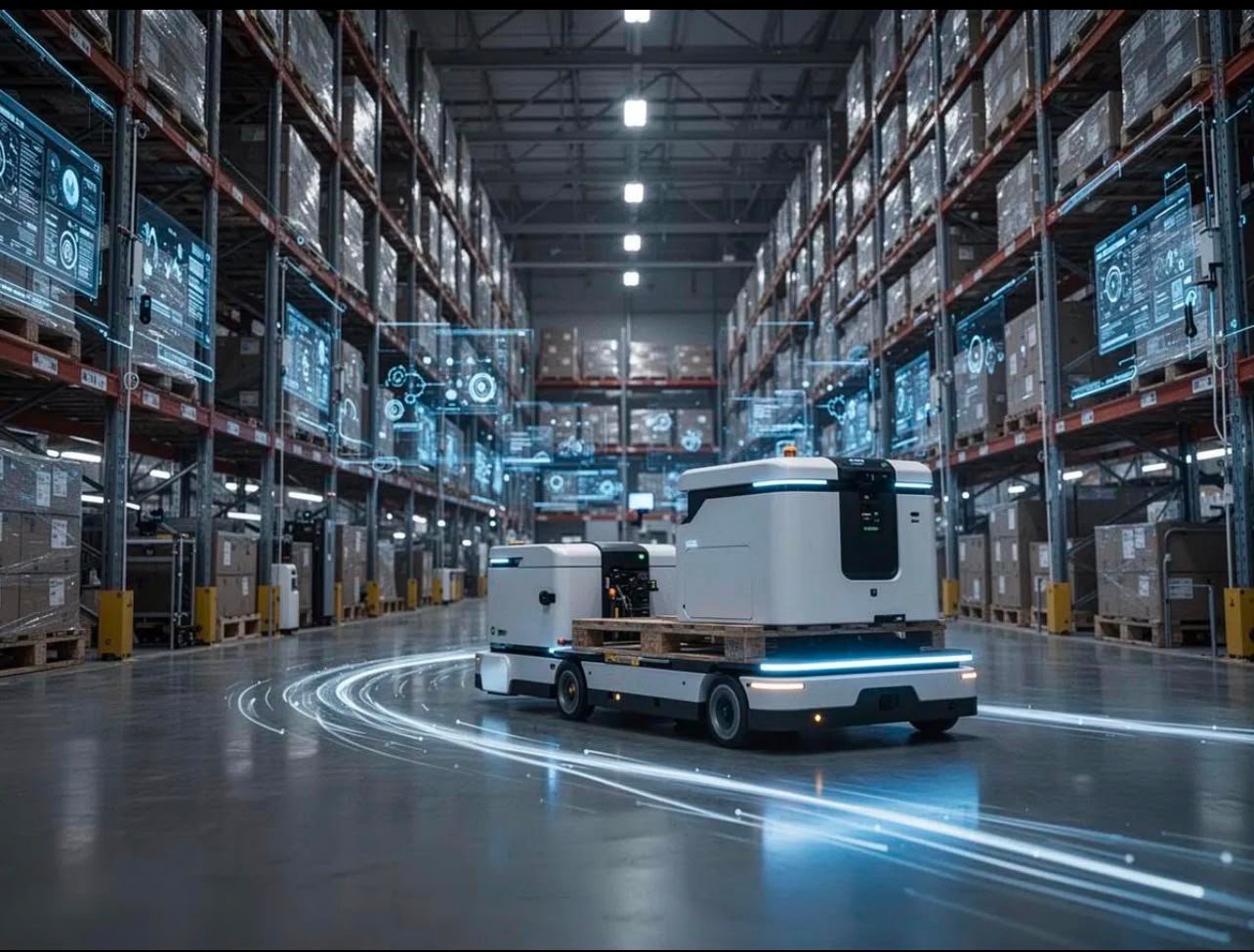
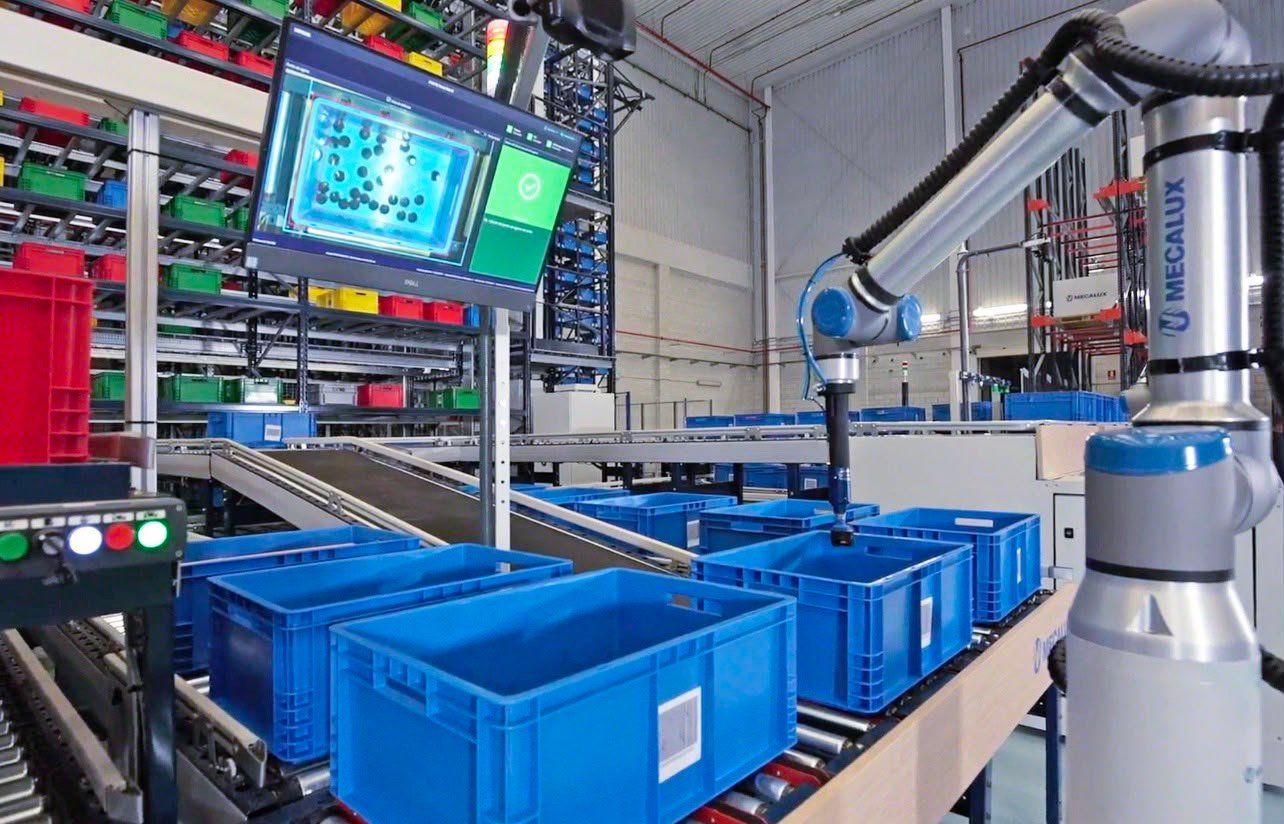
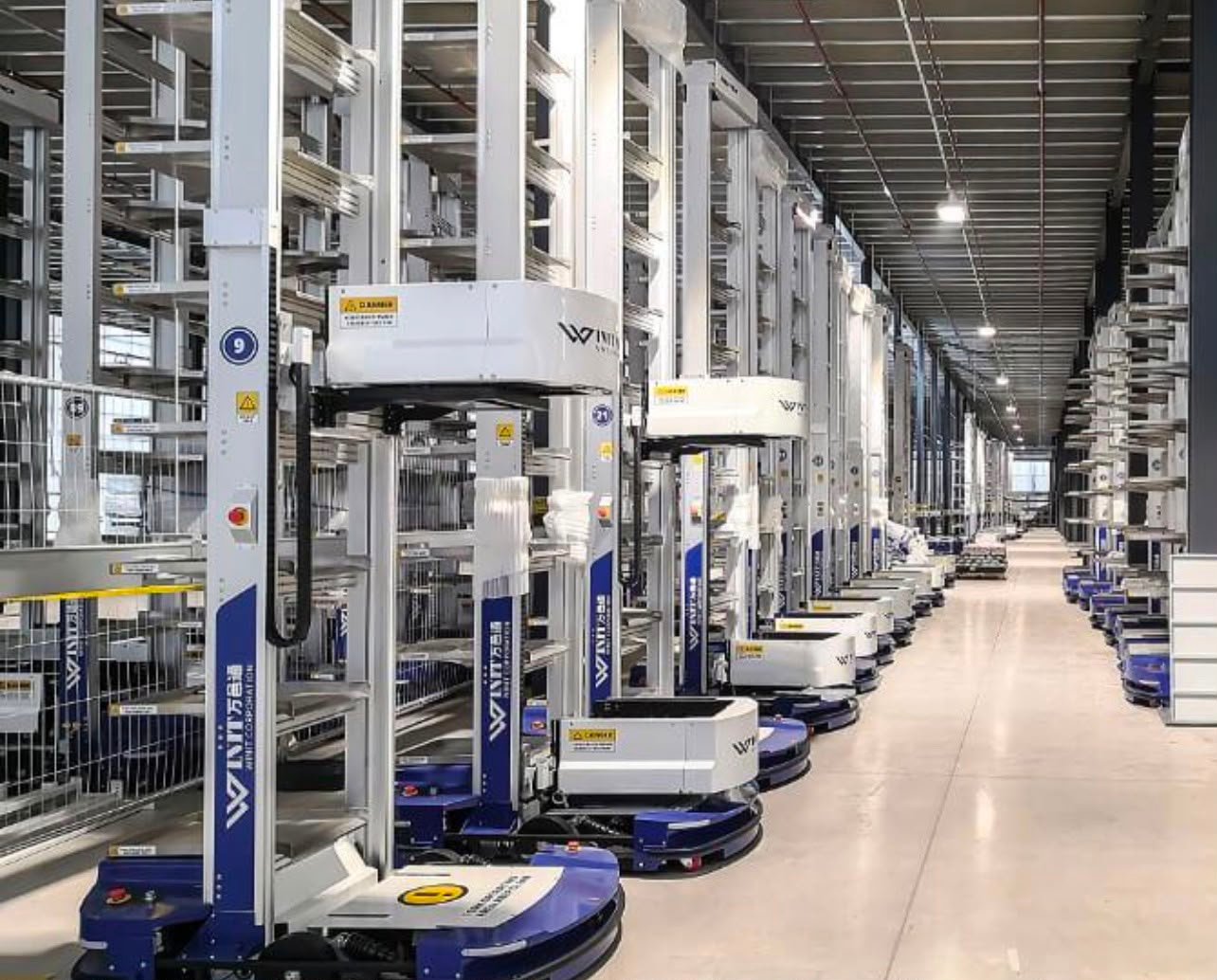
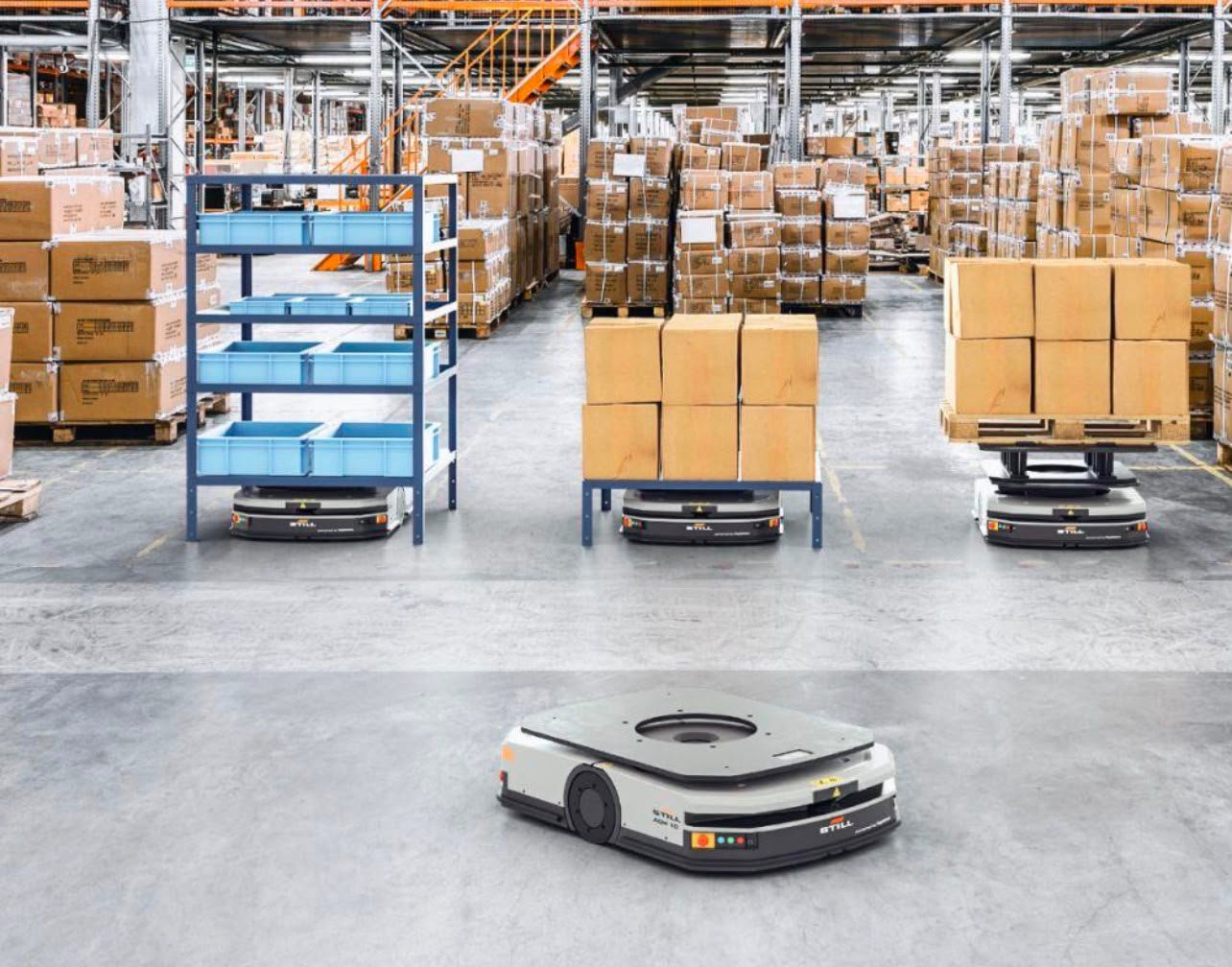
The category on the floor
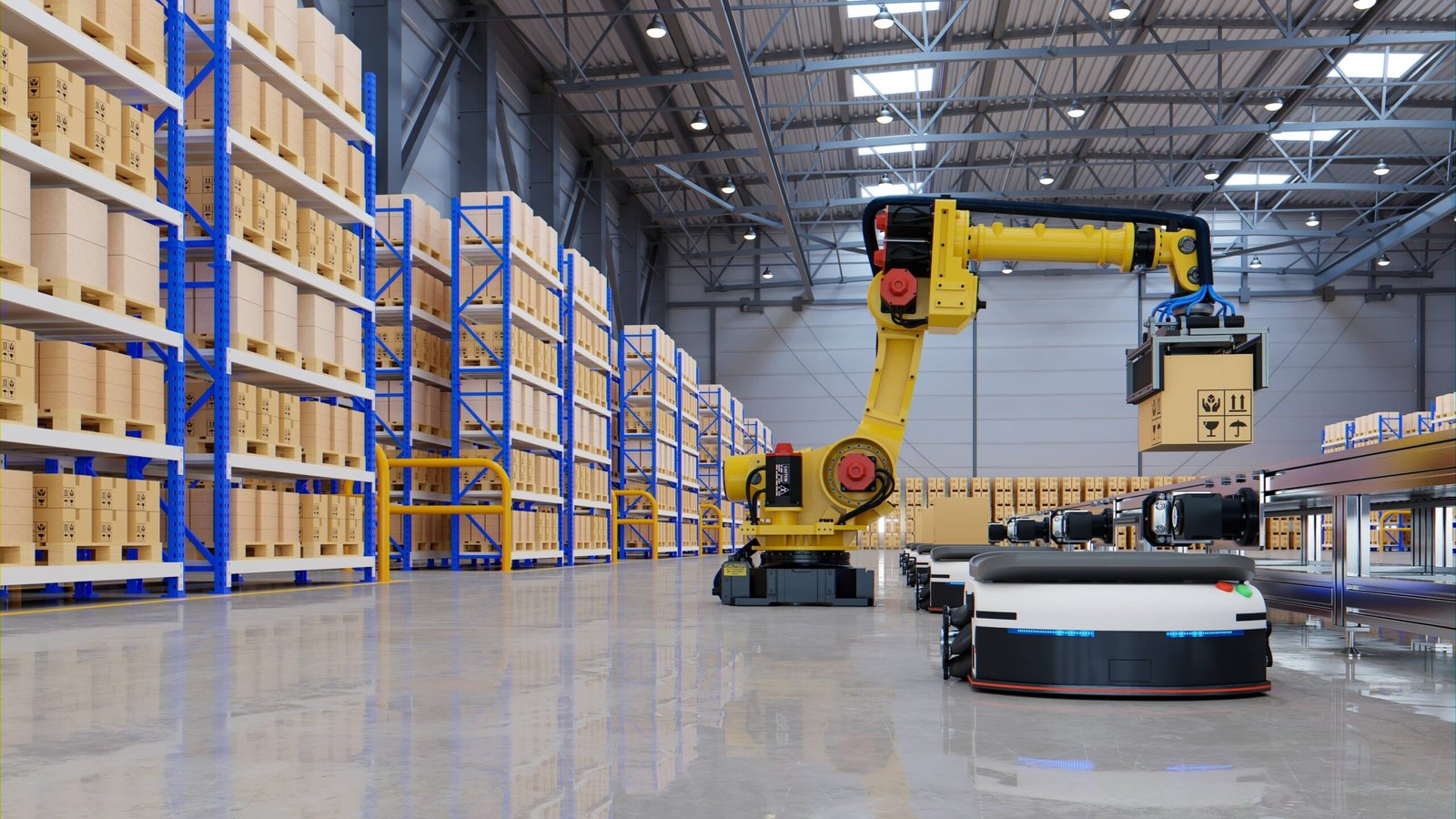
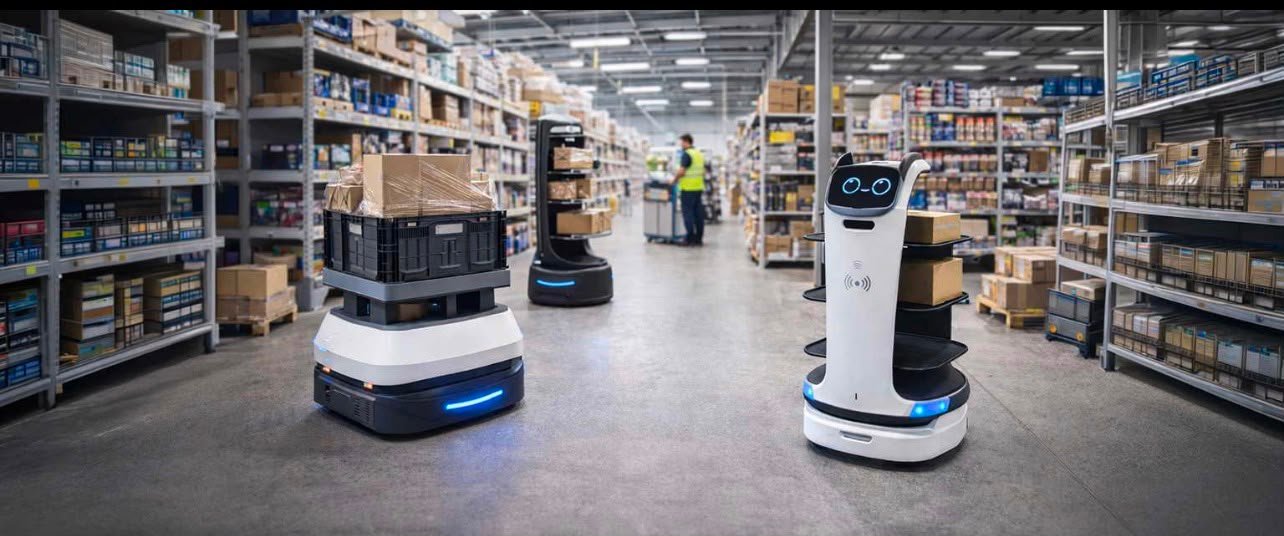
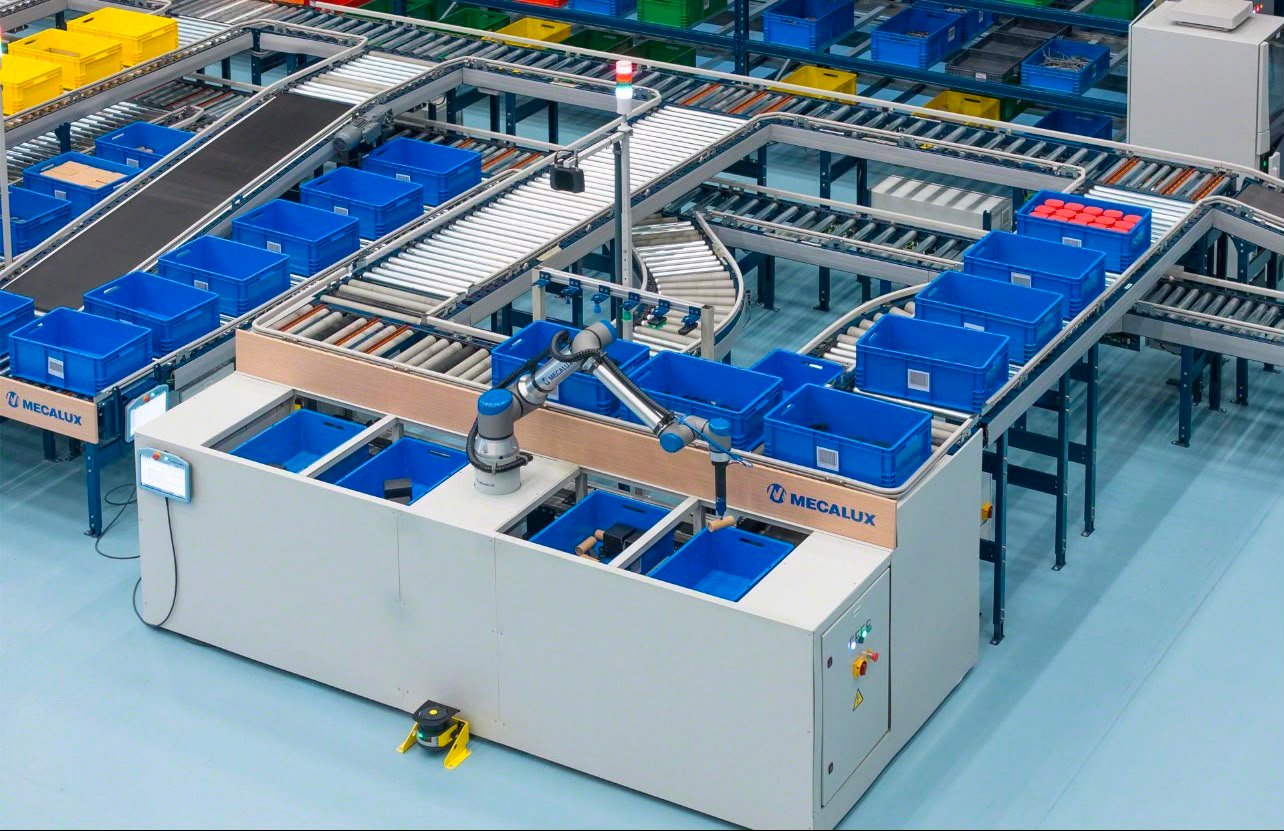
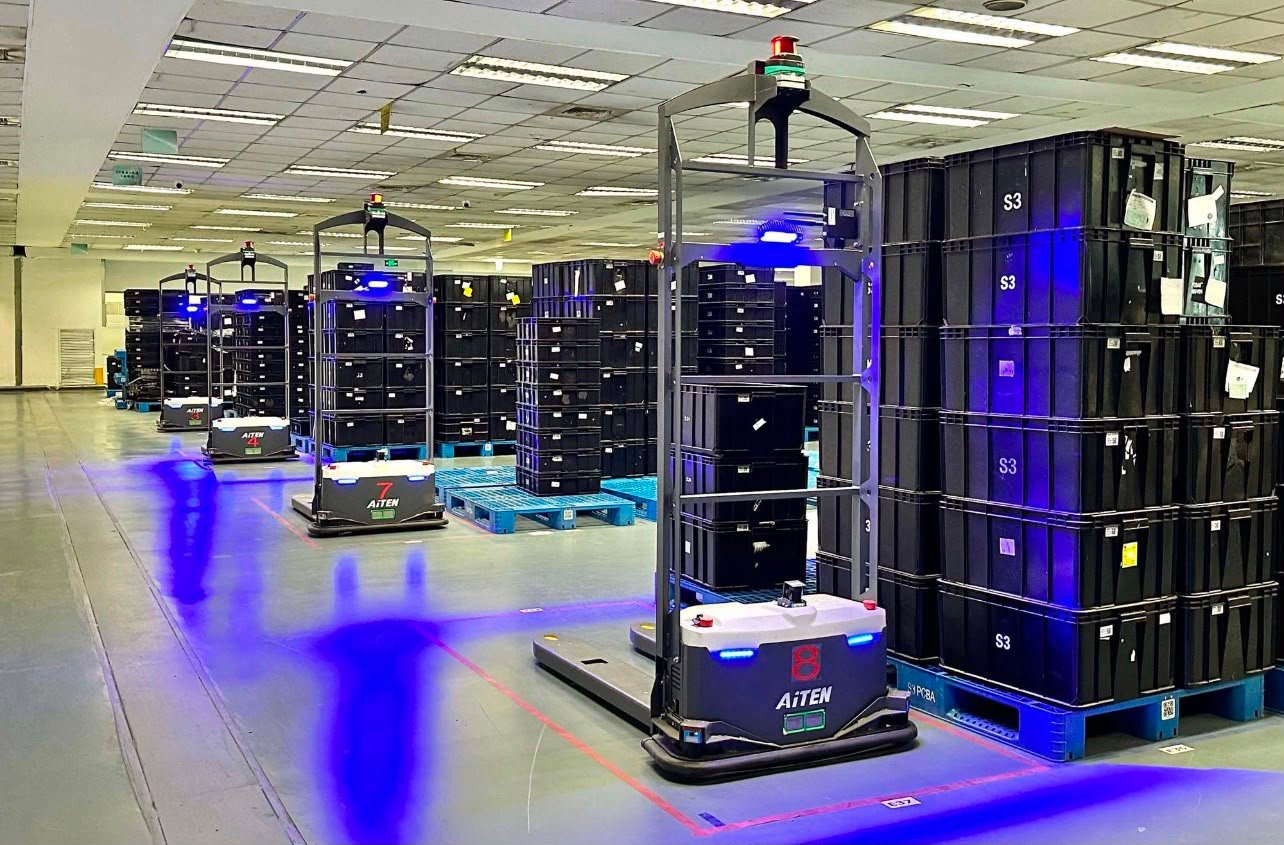
Fleets, storage systems, sortation and the operations our buyers run them in.


Take the detail with you
Asked before you ask
01 Is there a minimum fleet size?
No, but there is a practical one. A fleet manager licence, chargers and a spares holding cost roughly the same whether you buy two robots or ten, so very small orders carry a high cost per unit. We will tell you where that line sits for the model you are looking at rather than letting you find out on the invoice.
02 Can we mix these with the robots we already have?
Usually not under one fleet manager. Robots from different manufacturers rarely share traffic control, so in practice you run two systems in one building, or you pay for middleware that talks to both — which is a real project with a real cost, not a setting. Tell us what you already run and we will be straight about which of the two you are looking at.
03 Do you integrate with our WMS and commission the go-live?
Not directly. We supply, configure, test and ship, and the hardware arrives with its host interfaces available. The integration, commissioning and go-live are handled by partner integrators and quoted as a separate line. On a large fleet that work can approach the hardware cost, so it is itemised rather than buried.
04 What do you need in order to quote?
A floor plan, your volumes across a normal day and a peak day, what your slowest and heaviest SKUs look like, the building's height and floor condition, the destination country and the quantity. A drawing and a two-minute phone video of the aisles are worth more than a page of description.
05 Does our floor and our wifi need work first?
Often, and it is cheaper to know before the robots arrive. Each model has its own floor and coverage requirements from the manufacturer, and we issue them as a site readiness checklist with the quotation. Remediation is your contractor's work, not ours, but we would rather flag it early than watch a fleet underperform on a floor that was never going to carry it.
06 How do batteries and spares work at this distance?
Batteries, wheels, sensors and chargers are the parts that actually fail, so we hold them for the lines we supply most and quote a recommended holding with the fleet. Lithium packs ship with the transport documentation carriers require. Warranty terms are the manufacturer's and stated on the quotation; we raise and chase the claim rather than handing you a factory contact.
Send the building, not just the model
Tell us what the operation moves, how much of it, and where the site is. You will hear back within two working days with the class of system that fits, availability and an indicative range.
If the task is closer to one of these, start there instead — the pricing, the lead time and the paperwork are all different.