
Aircraft, payloads and docks —
and a straight account of the rules
Inspection, mapping, docked and heavy-lift aircraft with payloads, ground stations and spares, for surveyors, utilities, contractors and their distributors. Supplied with the batteries shipped the way the rules actually allow.
The aircraft is the easy part
In every other category here, a customer buys a machine and uses it. In this one they buy a machine and then need permission — and the permission attaches to the operator, not to the aircraft. Registration, pilot competence, airspace approvals: none of that arrives in the crate.
The applications people actually want tend to be the ones that need the most approval. Long pipeline and powerline runs, autonomous docked patrols and delivery all involve flying beyond visual line of sight, and in most markets that is a formal application with a safety case behind it rather than a setting in the app.
Then there is the least glamorous constraint in the division, and the one that catches out more first-time buyers than anything else: batteries. Lithium transport rules are strict, air freight of drone packs is limited or refused by many carriers, and consignments often have to be split or sent by sea. An aircraft can clear customs weeks before its power supply does if nobody planned for it. We plan for it, and we say so before the order rather than after.
What we supply is hardware, payloads, docks, spares and software. Training, licensing, airspace applications and flight operations sit with you as the operator — we will point you at the right route and at our own Academy, but we cannot hold your authorisations for you.
Why buy aircraft through us
-
Destination rules checked
What your market requires of the operator, and what it restricts, reviewed before we quote an aircraft.
-
Battery freight planned
Lithium consignments arranged the way carriers and regulations actually permit, with split shipments flagged at quotation.
-
Manufacturer restrictions flagged
Several markets bar named makers from government and critical-infrastructure use. We check before you tender.
-
Payload matched to the task
The camera or sensor decides the result far more than the airframe does, so we specify from the deliverable backwards.
-
Consumables stocked
Propellers, batteries, gimbal parts and arms are wear items on aircraft. We hold them for the lines we supply most.
-
Docked systems surveyed first
Dock siting, power, connectivity and the approvals a resident aircraft needs, checked before the hardware is ordered.
-
Training routes pointed out
We will tell you what competence your market expects and where to get it, including through our own Academy.
-
Consistent across the fleet
Same airframe, firmware and battery standard on the tenth aircraft as the first, so one set of spares covers them.
What our buyers fly them for
A sample rather than a limit. Send the deliverable you need — the map, the report, the inspection record — and we will work back to the aircraft and payload that produce it.
- Infrastructure inspection
- Power lines & substations
- Solar farms
- Wind turbine blades
- Oil, gas & pipelines
- Construction progress capture
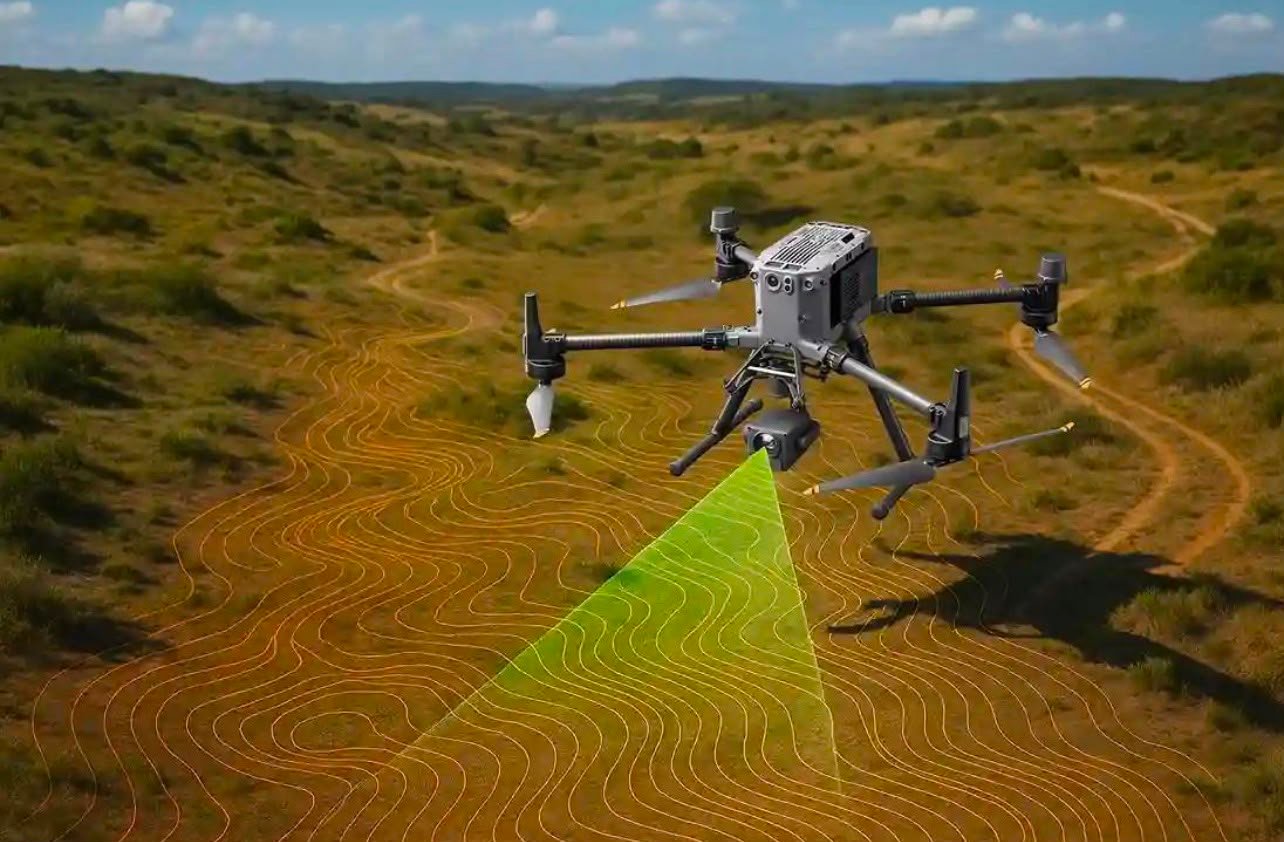
- Topographic survey & mapping
- Mining & stockpile volumes
- Roof & building inspection
- Agriculture & crop scouting
- Forestry
- Ports & yard overview
- Emergency response support
- Site security patrols
Six classes we stock and source
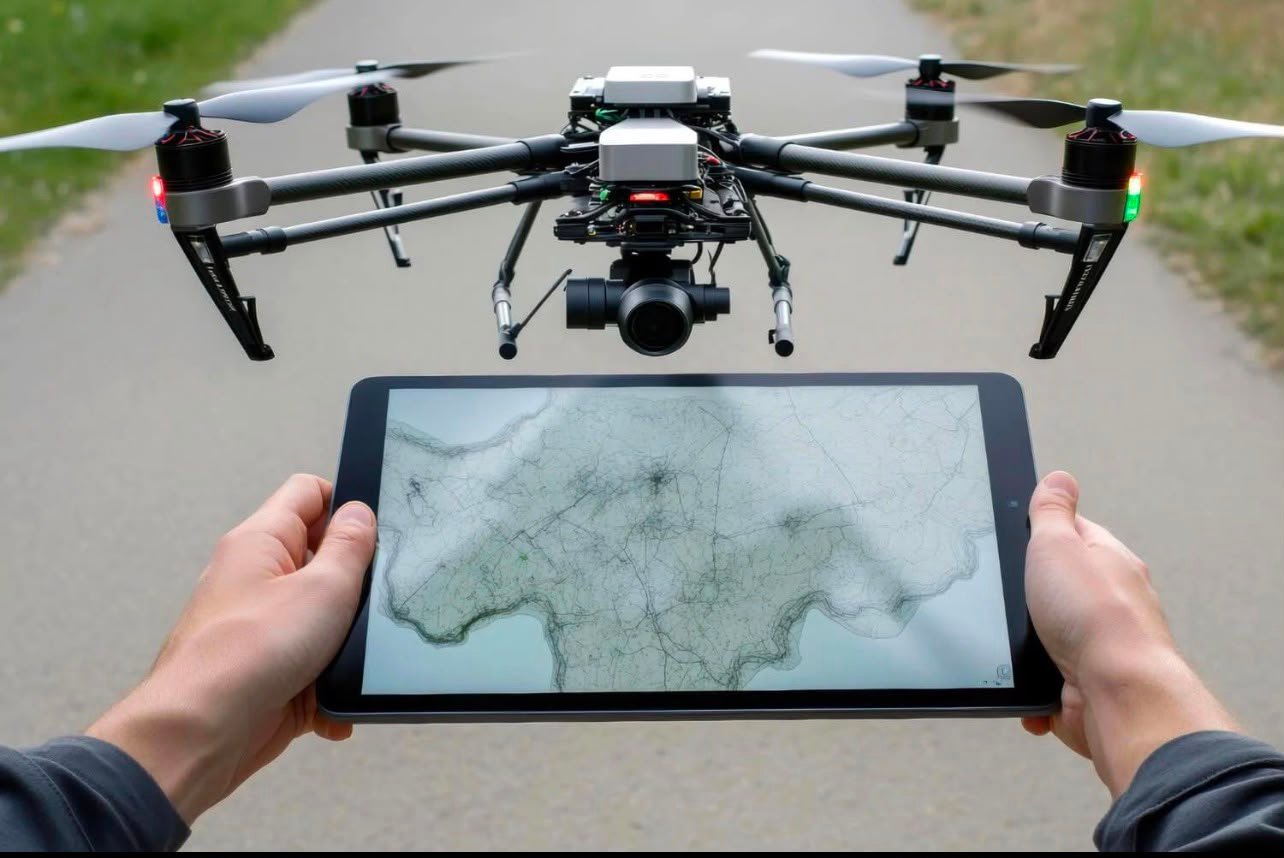
Inspection multirotors
Hovering aircraft for close visual and thermal inspection of structures, roofs and plant. The workhorse class, and the one with the widest payload choice.
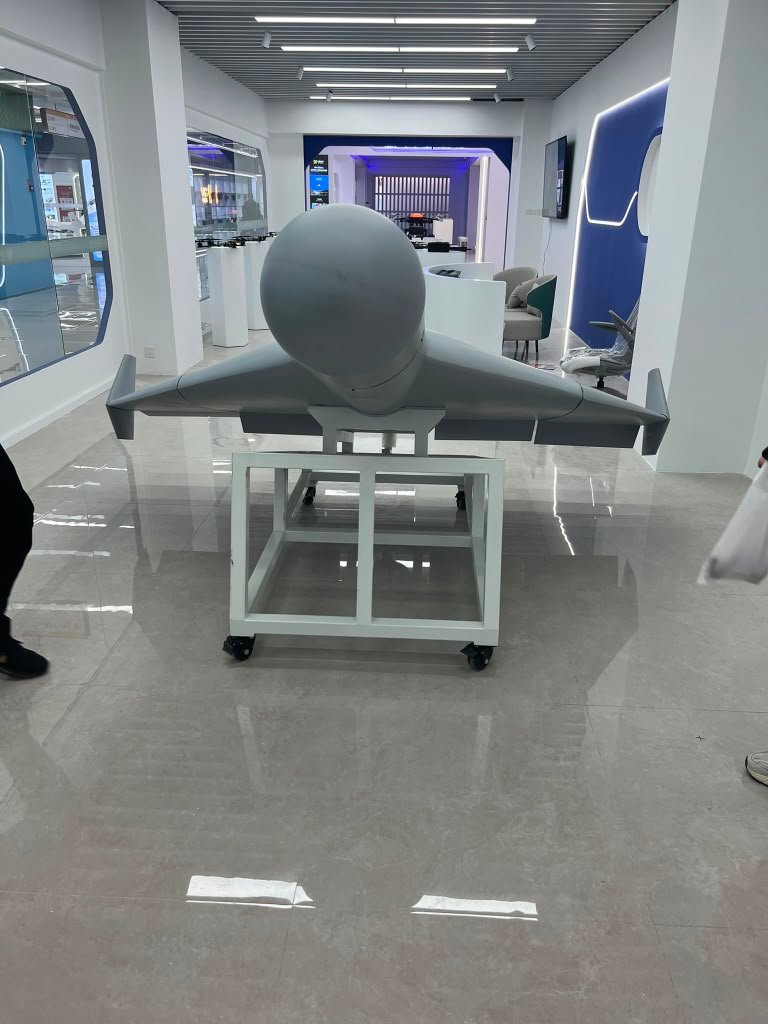
Mapping & fixed wing
Fixed-wing and hybrid aircraft that cover ground a multirotor cannot, for topographic survey, corridor mapping and large-area capture.
Docked autonomous systems
Aircraft that live on site in a weatherproof dock and fly scheduled missions without a pilot travelling out. Powerful, and the class most dependent on flight approvals.
Heavy lift & delivery
Larger aircraft for carrying equipment, samples and supplies. Weight brings extra regulatory attention in most markets, not less.
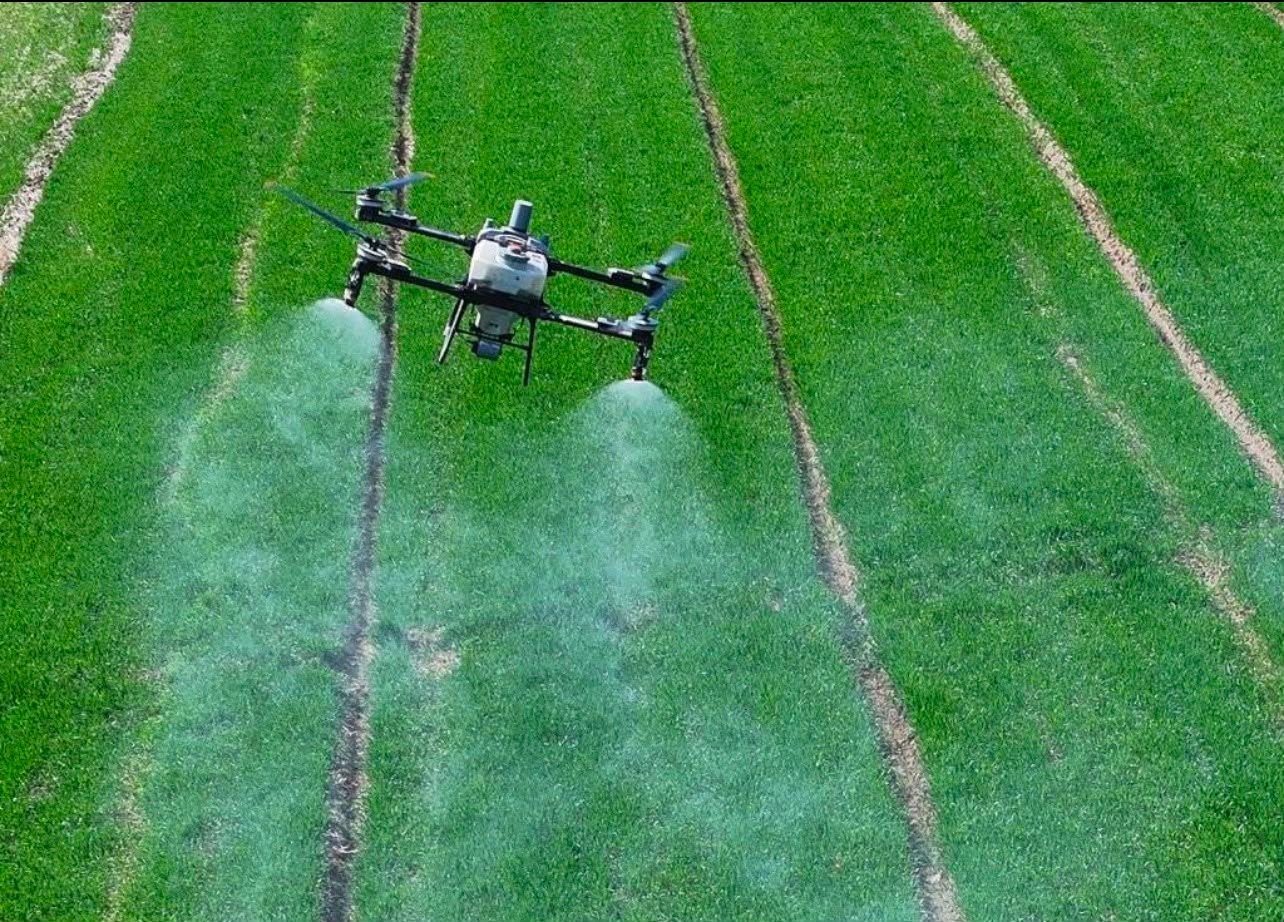
Agricultural spraying
Spray and spreading aircraft for crop work. Aerial application is separately regulated almost everywhere and is prohibited outright in some markets — check before committing.
Payloads, stations & software
Cameras, thermal and multispectral sensors, lidar, ground stations, controllers and the processing software that turns flights into deliverables.
What comes as standard
In every order. Pilot training, operator registration, airspace applications and flight operations sit with you — we supply the equipment and the information those applications need.
-
Aircraft & controller, matched
Airframe, controller and the payload specified for your deliverable, configured and bound before dispatch.
-
Batteries, shipped lawfully
Packs supplied at the correct state of charge with lithium documentation, and split into separate consignments where the rules require.
-
Firmware & region set
Aircraft updated and configured for the destination before dispatch, with the version recorded for your records.
-
Spares & propeller kit
Propellers, arms, gimbal parts and the components that break first, in the case rather than on a six-week order.
-
Transport case
Aircraft, payload and batteries in the case they will travel in, because these are carried to site by hand every working day.
-
Pre-shipment test record
Aircraft powered, motors and payload checked, firmware and serial numbers recorded, with photographs before packing.
-
Documentation set
Manuals, declarations, certification file and the technical detail your airspace application will ask for.
-
Battery handling guidance
Charging, storage state, temperature limits and disposal — the practical safety information most fleets learn the hard way.
What is fixed and what is chosen per order
Aircraft are specified around the deliverable, the site and the rules of the destination, so this table describes how each line gets decided. Confirmed values for your order appear on the configuration sheet before dispatch.
- Aircraft classes
- Inspection multirotors, mapping and fixed wing, docked autonomous systems, heavy lift and delivery, agricultural spraying, payloads and ground stations
- Operator permissions
- Registration, pilot competence and any operating authorisation are held by the operator, not supplied with the aircraft. Requirements differ by market and by aircraft weight
- Airspace approvals
- Flight beyond visual line of sight, at night, over people or near controlled airspace generally requires specific approval. Docked and delivery operations usually depend on it — treat it as a project with a timeline
- Remote identification
- Several markets require aircraft to broadcast identification. Compliance is confirmed per model against the destination before order
- Manufacturer restrictions
- Some countries bar named manufacturers from government, defence and critical-infrastructure use. Confirm the approved list before tendering public work
- Payload
- Camera, thermal, multispectral or lidar selected from the deliverable backwards. The payload decides the result more than the airframe does
- Flight time
- Manufacturer figures are measured without payload in still air. Real endurance depends on payload, wind, temperature and how the mission is flown, and is issued per model with the quotation
- Weather limits
- Wind, rain, temperature and icing limits stated per model. Gusts and turbulence around structures reduce them further than the datasheet suggests
- Batteries
- Lithium packs are consumables with a cycle life, a storage state of charge and temperature limits. Handling and disposal guidance is supplied with the fleet
- Battery transport
- ⚠ The biggest logistics constraint in this category. Air freight of packs is limited or refused by many carriers; consignments are often split or sent by sea, and can arrive well after the aircraft. Planned at quotation
- Control link
- Frequency bands and permitted transmission power differ by country. Confirmed for the destination before dispatch
- Docked systems
- Dock siting, mounting, power, connectivity and the approvals a resident aircraft needs, surveyed before the order rather than after delivery
- Aerial imagery
- Some countries require permits for aerial photography or survey regardless of the drone rules, and mapping data may carry storage conditions. Confirm for the destination
- Data & privacy
- These aircraft record imagery over land you may not own. Retention, access and any notices are the operator's responsibility in every market
- Spraying compliance
- Aerial application is separately regulated and prohibited outright in some markets. Licensing, drift control and operator protection remain the operator's duty
- Insurance
- Aviation liability cover is required by regulation in many markets and by most site owners. Arrange it before the first flight, not after
- Maintenance
- Propellers, motors, arms and gimbals are wear items with inspection intervals. Flight logs support both maintenance and any incident investigation
- Documentation
- Manuals, declarations, certification file, test record and lithium transport documents, in the destination language where available
- Warranty
- Manufacturer's terms per model. Crash damage is not a warranty matter — which is why the spares kit ships with the aircraft
All specifications are confirmed on the approved configuration sheet for your order.
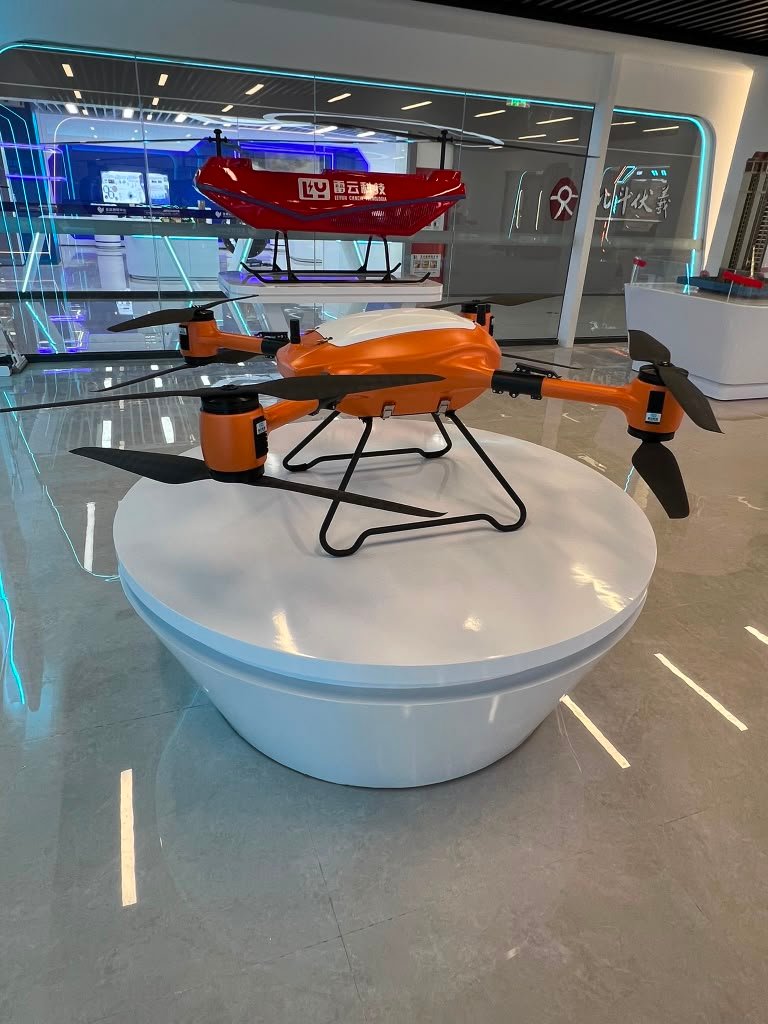
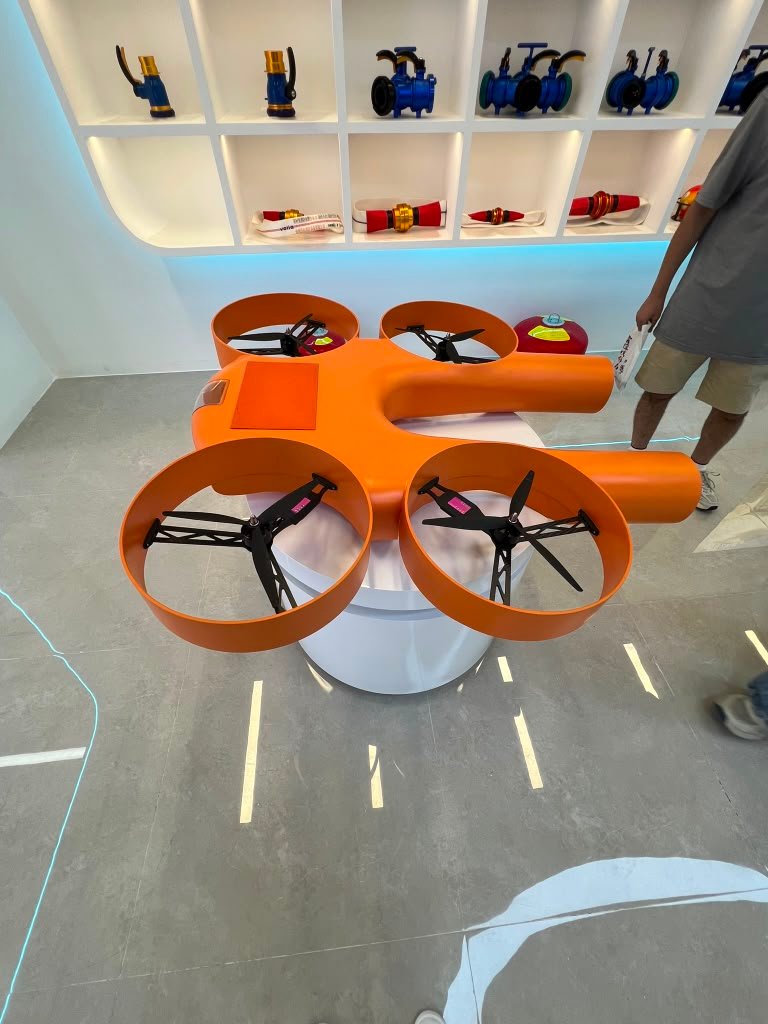
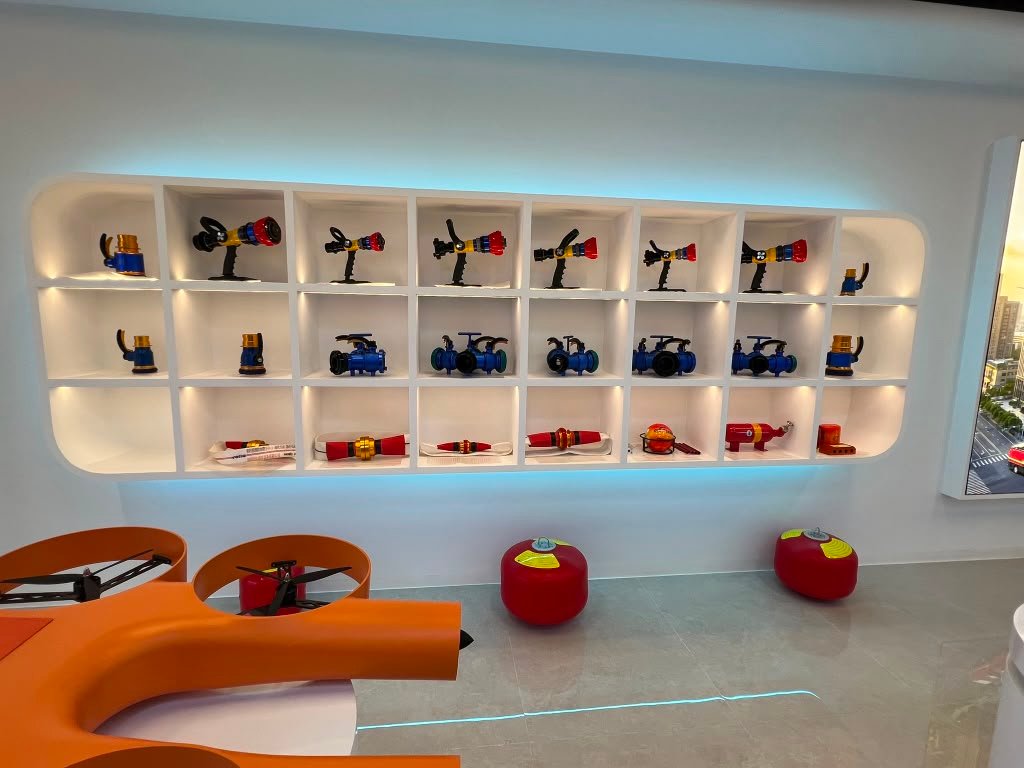
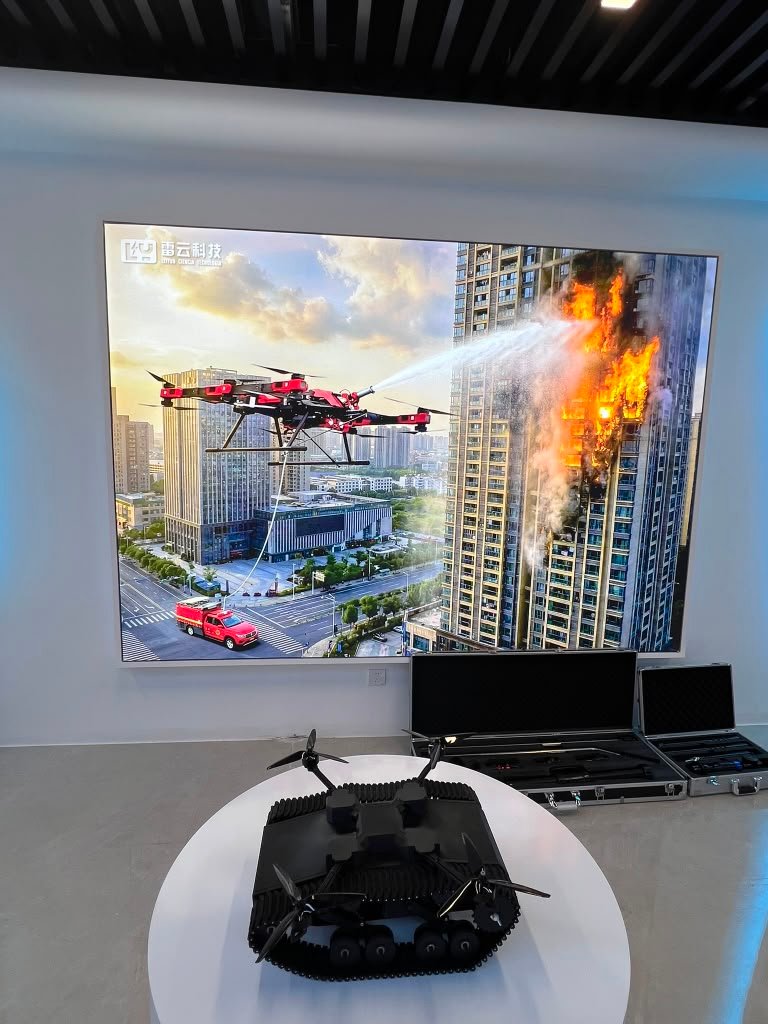
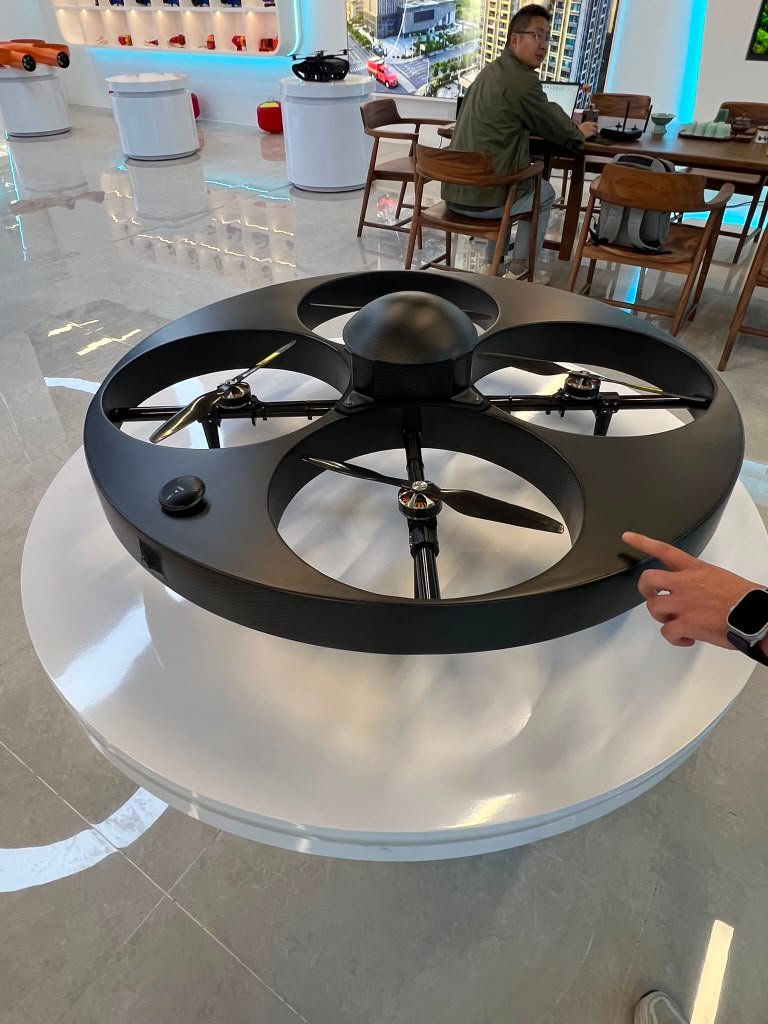
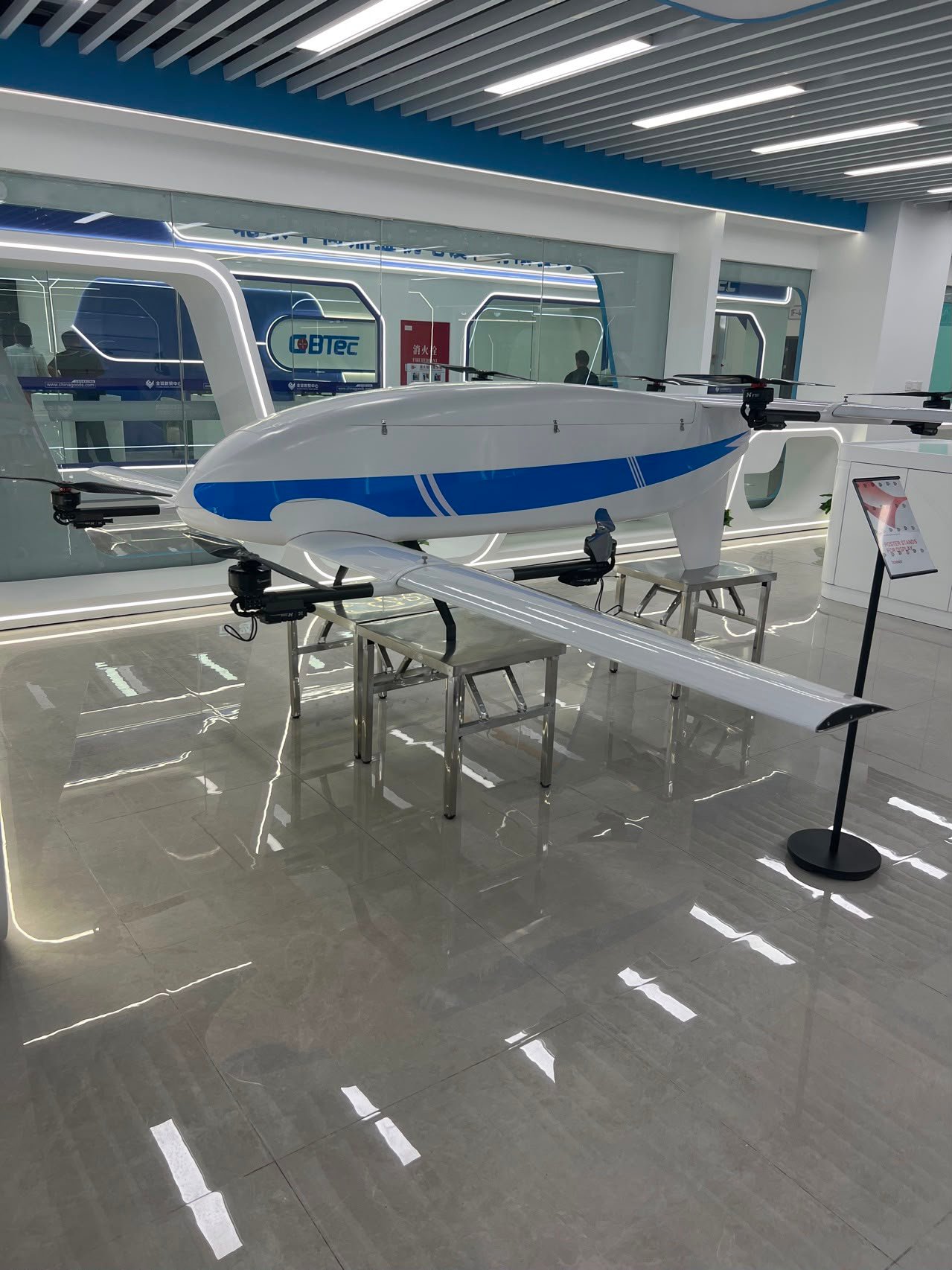
Aircraft, payloads and the work they do
Equipment on site, and the deliverables it produces.
Take the detail with you
Asked before you ask
01 Do we need a licence to fly these?
In almost every market, yes, in some form — operator registration, pilot competence, and often an operating authorisation whose depth depends on the aircraft weight and where you intend to fly. Those permissions attach to you as the operator rather than to the equipment, so they cannot be supplied with it. We will tell you what your destination expects and where to obtain it, including through our own Academy, but holding the authorisation is your side of the line.
02 Can we fly beyond visual line of sight, at night, or over people?
Usually only with specific approval, and it is worth knowing that the applications people most want tend to be exactly these. Long corridor inspections, autonomous docked patrols and delivery all depend on flying beyond line of sight, which in most markets means a formal application with a safety case behind it. Plan it as a project running alongside the equipment purchase, not as a switch you turn on after delivery.
03 Why are the batteries shipping separately?
Because lithium transport rules are strict and carriers apply them strictly. Air freight of drone packs is limited or refused outright by many carriers, quantities per consignment are capped, and packs must travel at a specified state of charge with the right documentation. In practice that often means split consignments or sea freight, and the batteries arriving after the aircraft. We plan it at quotation so it is a known date rather than an unpleasant surprise.
04 Are some manufacturers restricted for our use?
In several markets, yes — named manufacturers are barred from government, defence and critical-infrastructure use, and the lists change. If you are buying for public-sector work or tendering against one, tell us at enquiry and we will check what is permitted before quoting. A barred aircraft loses the bid, and finding out at evaluation stage is an expensive way to learn it.
05 Are there rules about the imagery itself?
Often, and they are separate from the flying rules. Some countries require permits for aerial photography or survey work regardless of the drone regulations, and mapping data can carry conditions about where it is stored. On top of that, an aircraft records land and people you do not own, so retention, access and notices are your responsibility as operator. Worth settling before the first flight rather than after a complaint from a neighbour.
06 What do you need in order to quote?
The deliverable first — the map, the inspection report, the thermal survey — because that decides the payload, and the payload decides the aircraft. Then the site and the flying conditions, whether the work needs beyond-line-of-sight or night operation, whether it is public-sector or tendered, the destination country and the quantity. If you already hold permissions, tell us their scope; it often changes which aircraft is sensible.
Start with the deliverable, not the aircraft
Tell us what you need to produce and where you need to fly. You will hear back within two working days with the payload and aircraft that suit, what your market requires of you, and an indicative range.
If the task is closer to one of these, start there instead — the pricing, the lead time and the paperwork are all different.