
Machines that survive
a real site
Layout, drilling, rebar, finishing, survey and demolition robots for contractors, plant hire fleets and module factories. Specified for dust, temporary power and a slab that is never as flat as the drawing, and shipped in cases built to be dropped.
A site is the opposite of a controlled environment
Most robotics is sold into clean floors, stable power and a layout that stays where you left it. A construction site offers none of those. There is dust in everything, water where it should not be, a slab that is never as flat as the drawing claims, temporary power on the wrong voltage, and a dozen trades working around each other with their own programme to hit.
Equipment that performs beautifully in a factory demonstration can be useless by Thursday. So the specification we work to is the site, not the datasheet: ingress rating, transport cases, power supply, slab tolerance and how quickly a unit can be moved to the next floor.
Two things decide the rest. The first is data: layout and drilling machines need a model, and a set of drawings exported as PDFs is not one. A contractor who assumes their drawing pack is enough discovers otherwise on the first morning, so we ask what format the information is actually in before quoting.
The second is who owns it on site. These machines need a competent operator who has time for them, and on a site where nobody owns the robot it stays in the container. More of these deployments fail on adoption than on hardware, which is why the training pack matters as much as the specification.
Why buy site machines through us
-
Specified for site conditions
Dust, water, knocks and temporary power considered before the model is recommended, not after the first week.
-
Shipped in cases that travel
Transport cases and lifting points as standard, because this equipment moves between floors and sites constantly.
-
Your data format checked
We confirm what the machine needs and what you actually have before quoting, rather than at handover.
-
Built for hire fleets
Serial tracking, damage parts and fast turnaround between sites, for the fleets that supply most of this equipment.
-
Wear and damage parts held
Bits, anchors, tracks, covers and the parts that break on site, stocked rather than ordered when a machine stops.
-
Site power sorted
Voltage, phase and transformer requirements confirmed for the destination and for what the site actually supplies.
-
Training for the crew
Written for a site operative at seven in the morning, not for an engineer with the manual open on a desk.
-
Consistent across the fleet
Same model, firmware and cases on the tenth unit as the first, so one method statement covers them all.
Where they earn their place
A sample rather than a limit. Send the project type and the task and we will tell you which class fits — including when the honest answer is that the work is not repetitive enough to justify one.
- High-rise & commercial
- Data centres
- Warehouses & logistics sheds
- Hospitals & healthcare
- Schools & universities
- Residential blocks
- Industrial plants
- Infrastructure & tunnels
- Bridges & civils
- Roadworks
- Renovation & strip-out
- Precast & modular factories
- Fit-out & finishing
- Plant hire fleets
Six classes we stock and source
Layout & marking
Robots that print the model onto the slab — walls, penetrations, fixings and services. The clearest business case on most projects, and the class most dependent on the quality of your model.
Drilling & anchoring
Overhead and slab drilling units for services and fixings. Repetitive, dusty, overhead work is exactly where a machine earns its keep and a crew does not.
Rebar & steel fixing
Tying and placing machines for decks and mats, where the work is uniform enough for a machine to keep pace across a large pour.
Masonry, printing & finishing
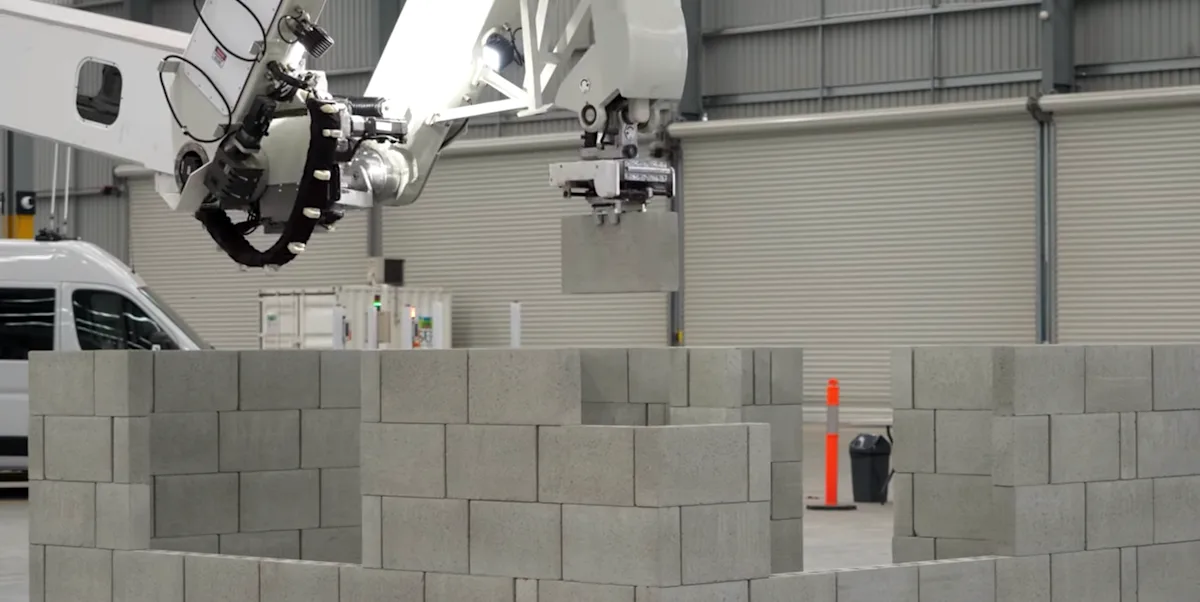
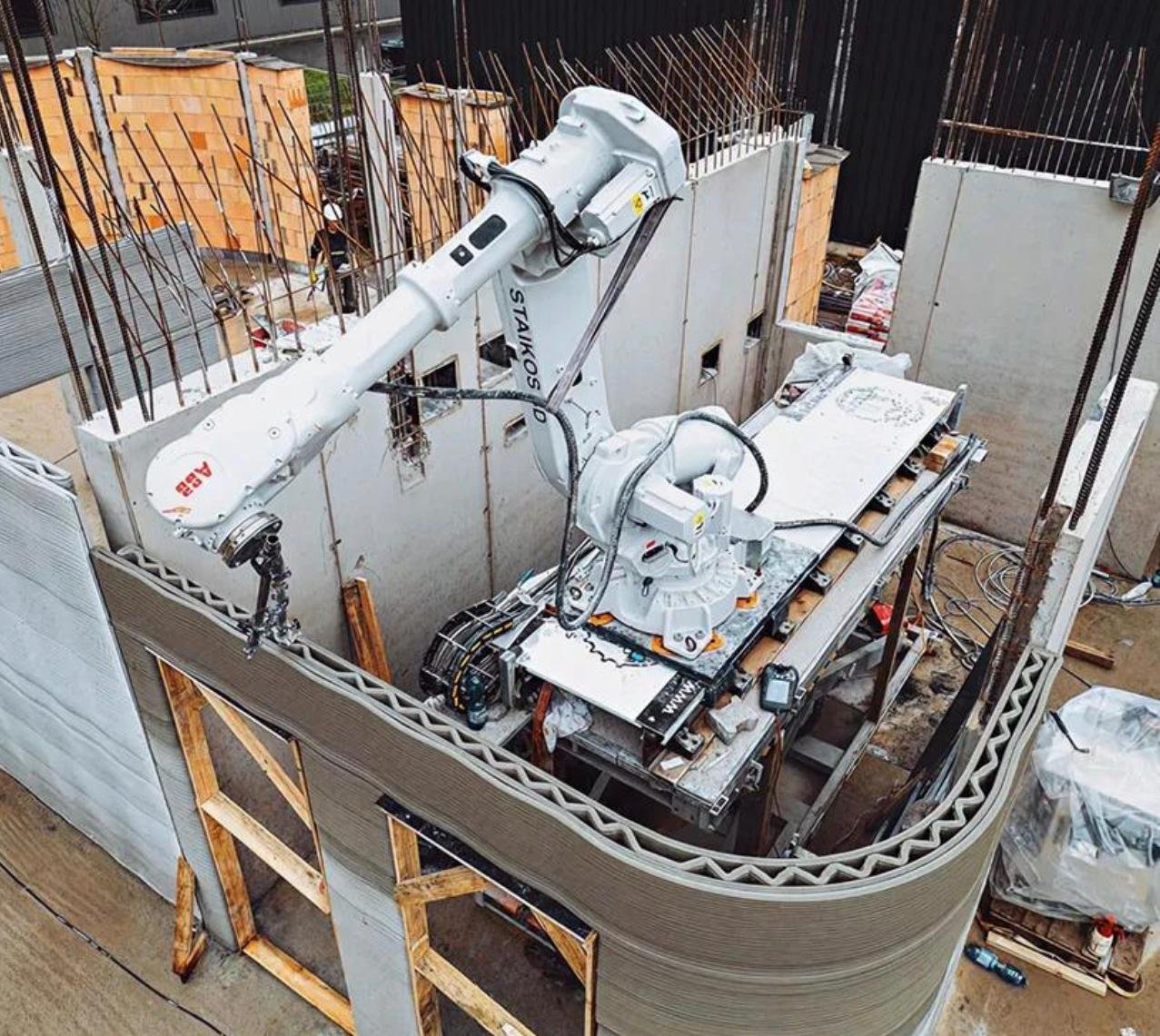
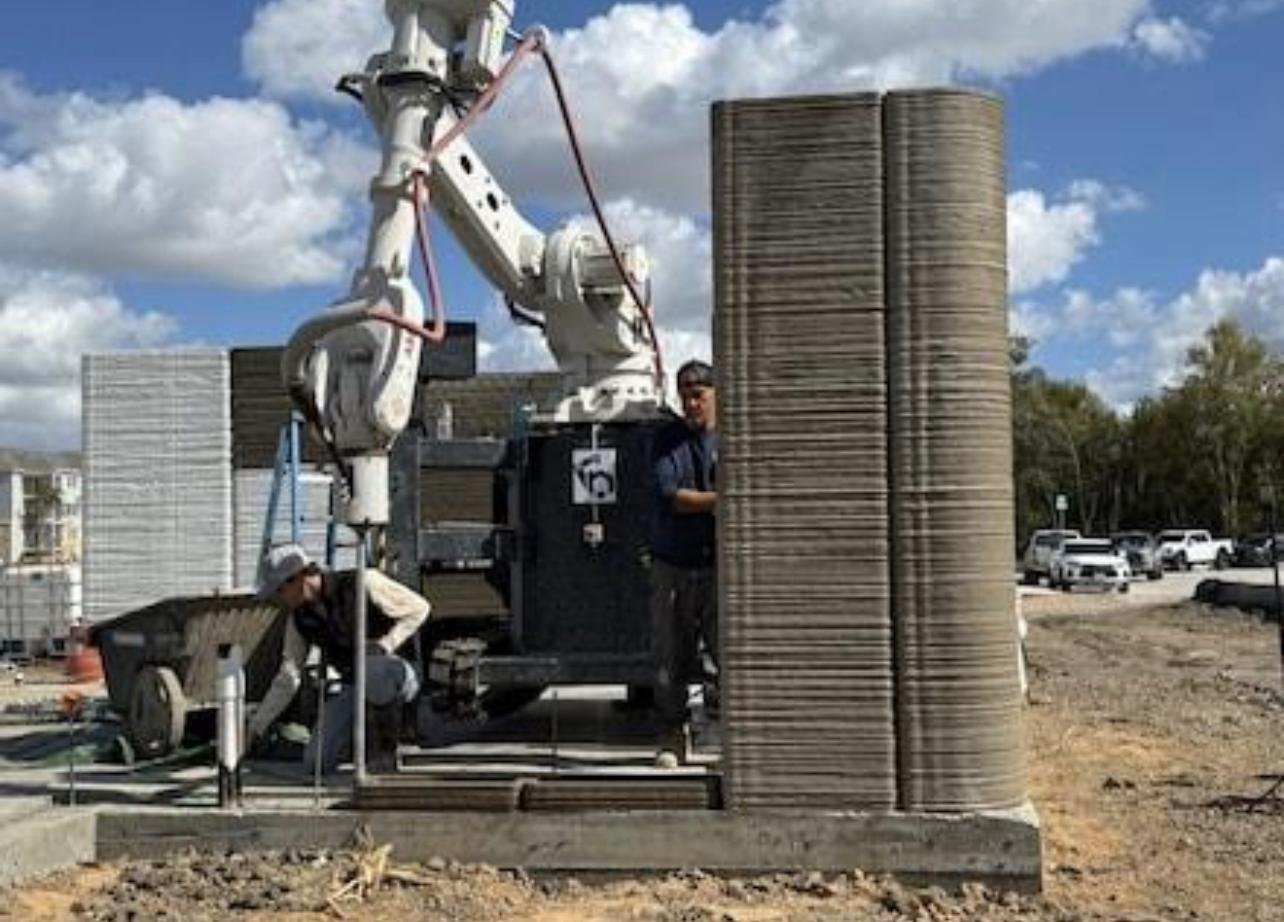
Bricklaying assistance, additive construction, and spraying, plastering and sanding units for fit-out. Strongest where the same detail repeats across many rooms.
Survey & progress capture
Scanning and reality-capture platforms that record what was actually built, for verification, progress claims and handover records.
Demolition & material handling
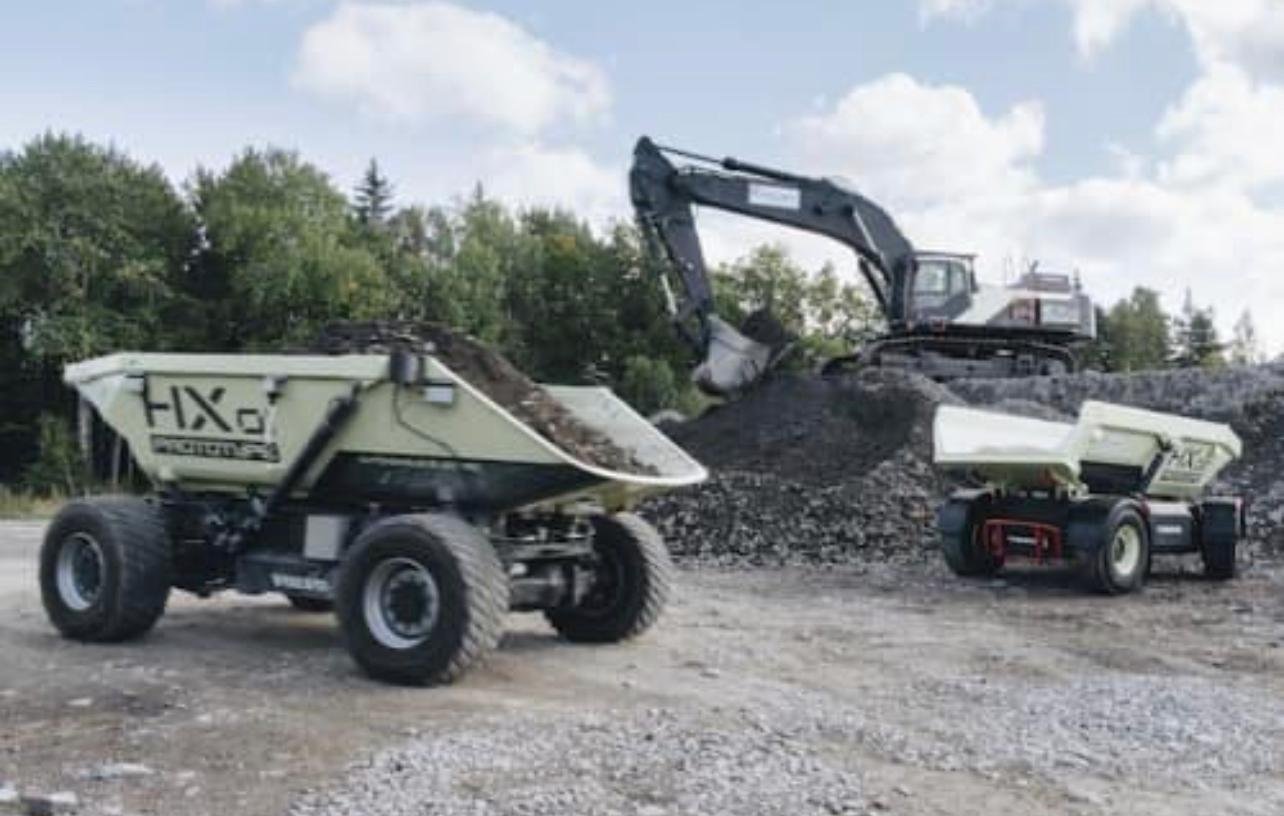
Remote-controlled demolition machines and site carriers that keep people out of the dangerous work, and move material where a telehandler cannot reach.
What comes as standard
In every order. Model preparation, site commissioning, method statements and integration with your project software are quoted separately, because they belong to the project rather than to the machine.
-
Machine & transport case
Supplied in the case it will live in, with lifting points, because this equipment is moved almost daily.
-
Power to your site supply
Voltage, phase and any transformer requirement set to what the destination and the site actually provide.
-
Data format confirmed
What the machine needs, checked against what you have, before the order rather than on the first morning.
-
Wear & damage kit
Bits, anchors, filters, covers and the parts site life destroys, in the crate rather than on a six-week order.
-
Serial & asset records
Serial numbers, firmware versions and photographs issued at dispatch — what a hire fleet needs to track a unit.
-
Pre-shipment test record
Machine run and functions checked against the configuration sheet before it is crated.
-
Operator training pack
Daily checks, common faults and what to do when it stops — written for the crew, not for an engineer.
-
Documentation & declarations
Manuals, safety information, declarations and the certification file your principal contractor will ask for.
What is fixed and what is chosen per order
Site machines are specified around the building, the programme and the conditions they will live in, so this table describes how each line gets decided. Confirmed values for your order appear on the configuration sheet before production.
- Machine classes
- Layout and marking, drilling and anchoring, rebar and steel fixing, masonry and finishing, survey and progress capture, demolition and material handling
- Site conditions
- Dust, moisture, temperature and vibration ratings selected for site life. A specification written for a clean floor is a specification for a different building
- Mobility
- Wheels, tracks or carried, with slab tolerance, ramp and step limits stated per model — including whether it can reach the next floor without a crane
- Positioning
- Total station, laser or on-board reference per model. Satellite positioning does not work indoors, so layout machines need a site reference system — confirm what you have
- Data required
- Layout and drilling machines need model geometry, not a drawing exported as a PDF. Accepted formats are stated per model and confirmed before order
- Accuracy
- Depends on the reference system, the slab and the conditions. Established by trial on your project and stated in writing — we do not publish a figure
- Power
- Battery, site supply or generator, with voltage, phase and transformer requirements set to the destination and to what the site actually provides
- Dust & extraction
- On-board extraction or connection to site extraction stated per model. Silica dust control is a legal duty in most markets and sits with the operator
- Noise & vibration
- Stated per model by the manufacturer, and worth checking against site working hours and any occupied-building restrictions
- Safety on site
- These are plant. Exclusion zones, competent operators, method statements and the site's own permit system apply, and remain the principal contractor's responsibility
- Operator competence
- Training is supplied; ensuring the person using it is competent, and recording that, is the employer's duty in every market we supply
- Transport
- Cases, weights and lifting points specified for equipment that moves between floors and sites constantly, not for a single delivery
- Consumables
- Bits, anchors, wire, nozzles and abrasives are consumables here. A holding is quoted with the machine and per site where a fleet is deployed
- Damage vs warranty
- Warranty covers manufacturing defects. It does not cover a machine that has been dropped, buried, flooded or hit on site — which is why the damage-parts holding matters more here than anywhere else
- Hire fleet supply
- Serial tracking, asset records, damage parts and turnaround support available for fleets that hire this equipment out rather than operate it
- Documentation
- Manuals, safety information, declarations, certification file and test record, in the destination language where available
- Packing
- Export crating over the transport case, with battery documentation and carrier declarations where they apply
- Warranty & support
- Manufacturer's terms per model, with remote diagnostics and claims raised and chased by us with the factory
All specifications are confirmed on the approved configuration sheet for your order.
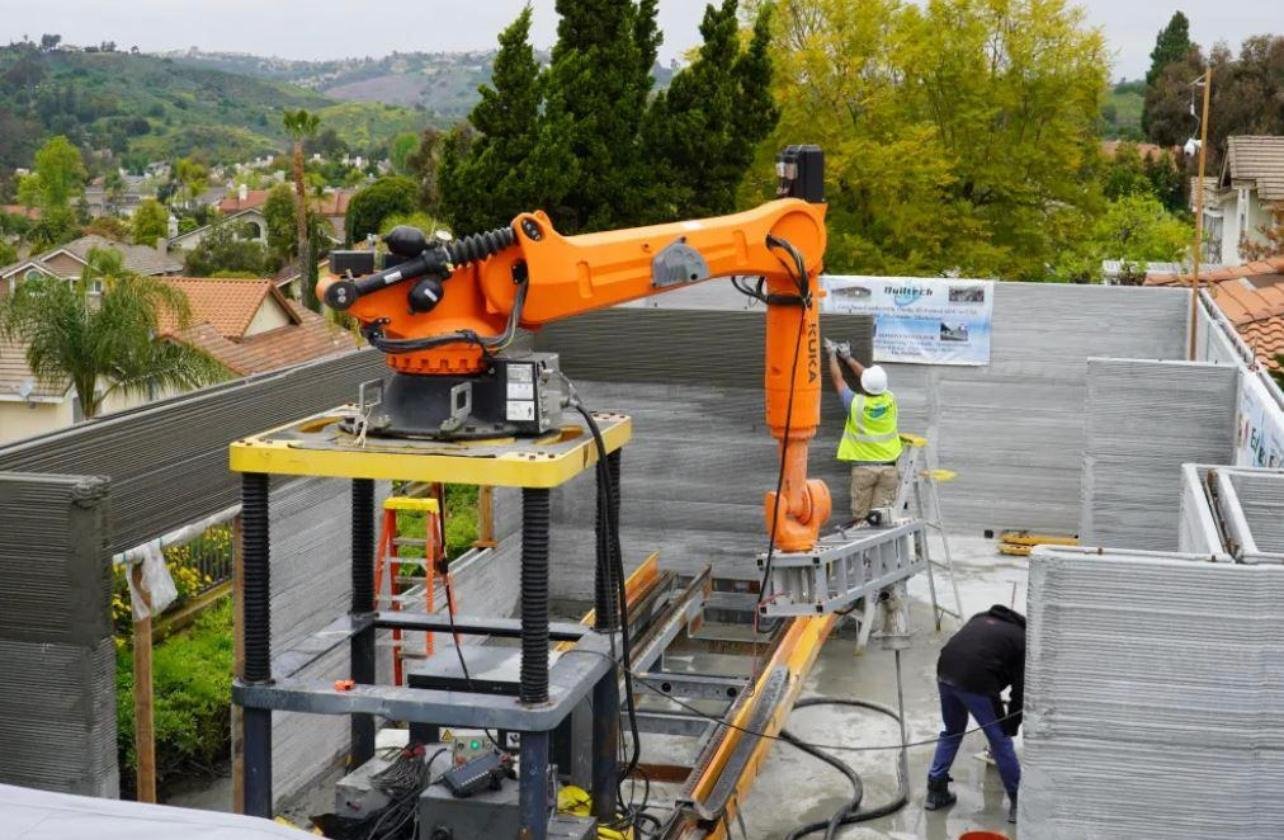
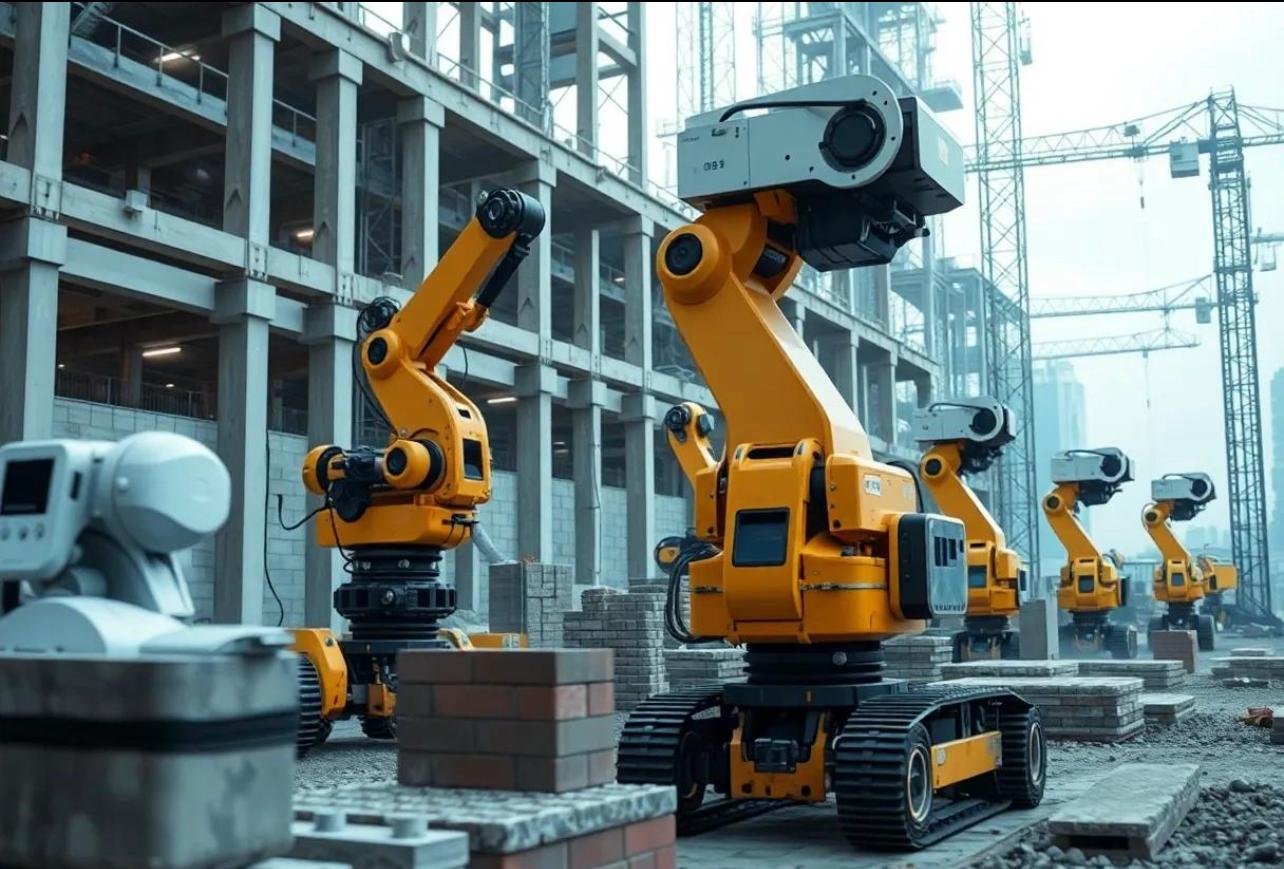
The category on site
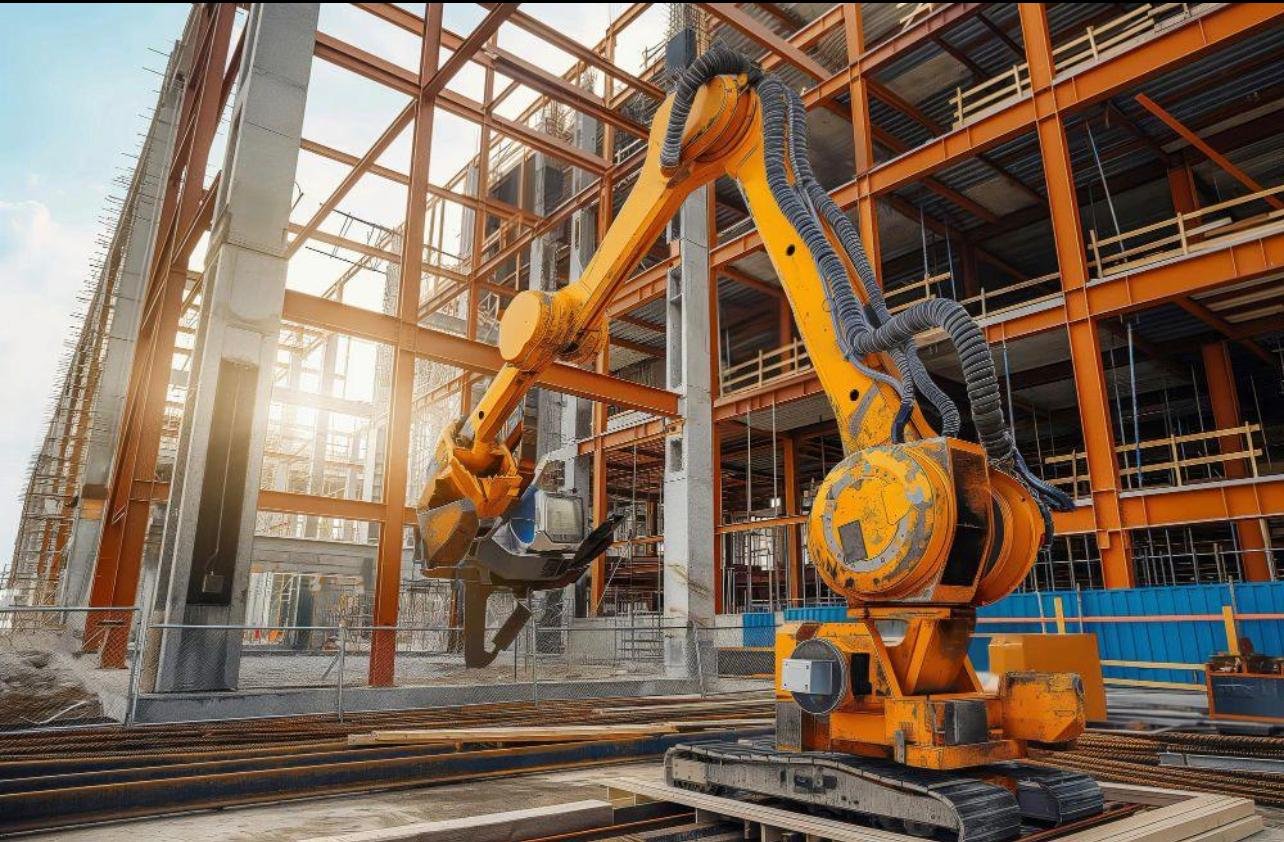
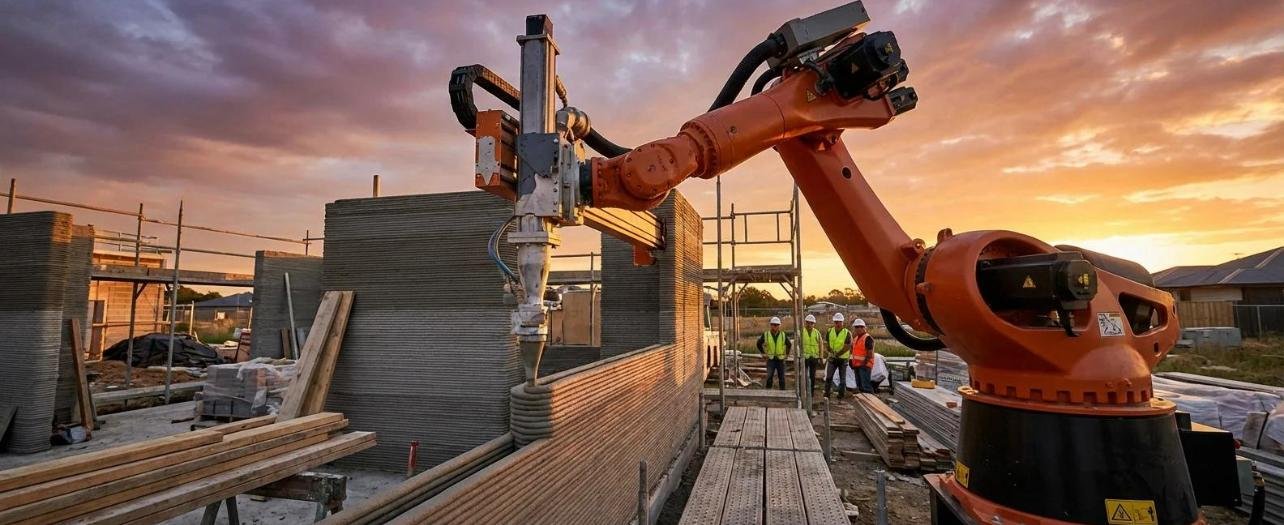
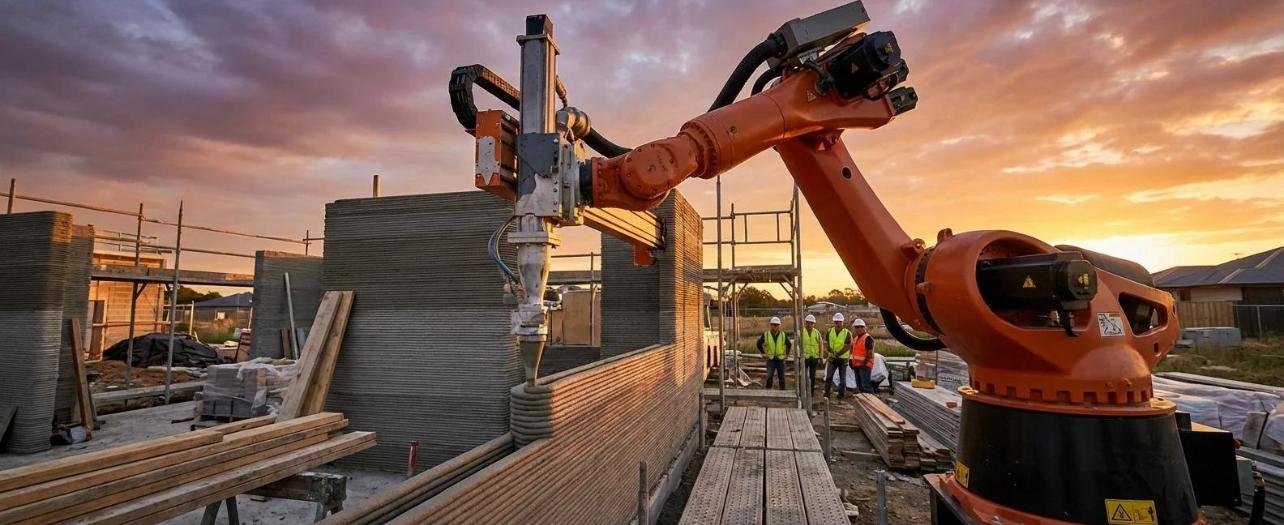
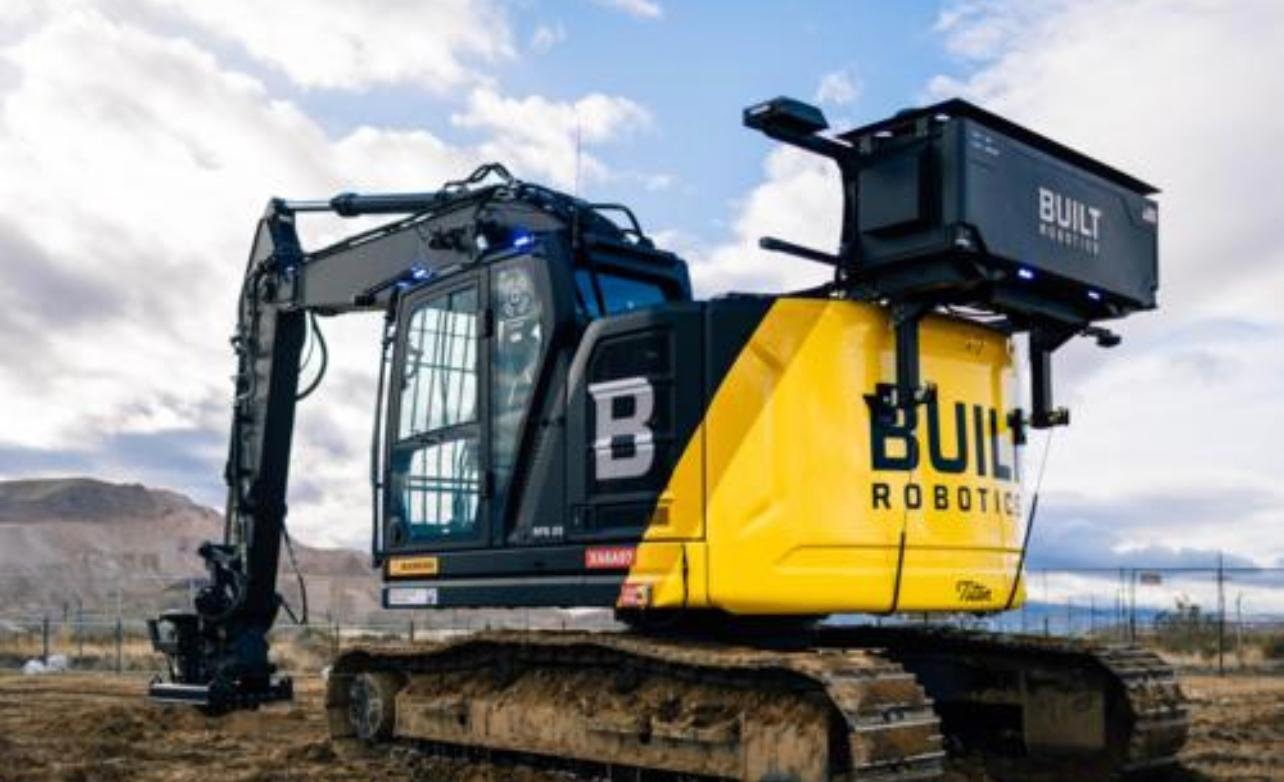
Machines working on real projects, in real conditions.
Take the detail with you
Asked before you ask
01 Will it survive a real site?
That is the first thing we specify for, and it is why the ingress rating, the transport case and the slab tolerance matter more than the headline capability. Machines built for factory floors do badly in dust and water, and a unit that cannot be moved to the next floor in a hoist without three people is a unit that stops being used. Tell us what the site is actually like and we will steer you to the models built for it.
02 What data does it need from us?
More than most people expect. Layout and drilling machines work from model geometry, and a drawing set exported as PDFs is not that — it has no coordinates the machine can use. Accepted formats vary by manufacturer, so tell us at enquiry stage what you actually hold and in what software. If the model is not there yet, that is a solvable problem, but it is a cost and a programme item rather than a footnote.
03 Who runs it on site?
Somebody who has been trained and who has time for it. That sounds obvious and it is the single most common reason these deployments fail: the machine arrives, one enthusiastic engineer runs it for a fortnight, they move to another project, and it goes back in the container. Name an owner, train more than one person, and pick a task the crew already finds miserable. Adoption beats specification every time.
04 Should we buy or hire?
If the work is continuous across projects, buying makes sense and the economics are straightforward. If it is one building with a specific repetitive package, hire usually wins, and a good share of this equipment reaches sites that way. We supply hire fleets as a buyer segment in their own right, with serial tracking, damage parts and turnaround support. If you are a contractor rather than a fleet, we can point you at both routes rather than only the one that sells more units.
05 What happens when it gets damaged?
Warranty covers manufacturing defects. It does not cover a machine that has been dropped down a lift shaft, buried under a load of blockwork, rained on for a fortnight or reversed into by a telehandler — and on a live site all of those happen. That is not us being difficult; no manufacturer covers it. The practical protection is a damage-parts holding on site, which we quote with the machine, and it is worth far more than an argument about a claim six weeks into a programme.
06 What do you need in order to quote?
The project type, the specific task and how much of it repeats, the number of floors and how you move between them, the slab condition, the site power available, what model data you hold and in what format, the destination country and your programme dates. Photographs of the working area help more than a description. If the task turns out not to repeat enough to justify a machine, we would rather tell you at that point.
Send the project, the task and the data you hold
Tell us what the work is, how much of it repeats and what condition the site is in. You will hear back within two working days with the class that fits, what data it needs, and an indicative range.
If the task is closer to one of these, start there instead — the pricing, the lead time and the paperwork are all different.