
Driverless where it is
actually allowed to be
Yard tractors, site haulers, shuttles, tow tractors and retrofit kits for ports, terminals, mines, industrial estates and closed campuses. Supplied with the route survey, the supervision plan and an honest account of the conditions each vehicle can work in.
Private ground is where this technology already works
The news blurs a line that matters enormously to a buyer. Autonomous vehicles on public roads are a regulatory programme — permits, approvals, usually a national authority, and a timeline measured in years. Autonomous vehicles on private, controlled ground are a purchase you can make this quarter.
Ports, terminals, logistics yards, mines, industrial estates and closed campuses are where these machines earn their keep today: fixed routes, known traffic, a boundary you control, and repetitive work that wears people down. That is the category we supply.
The concept worth learning before you buy is the operating domain — the defined set of conditions a vehicle is approved to work in. Routes, speeds, gradients, light, weather, and what other traffic it expects. Inside that envelope it performs. Outside it, a well-designed vehicle stops and asks for help, which is the correct behaviour and also the thing customers find most surprising in their first rainstorm.
Two questions decide most deployments, and almost nobody asks them before ordering. Who fetches a vehicle that has stopped and is blocking the road? And has your insurer been told? We raise both at quotation, because the answers shape the fleet size and the operating plan more than the specification does.
Why buy autonomous vehicles through us
-
We quote what is deployable
Private-site autonomy you can run this year, not public-road capability that needs an approvals programme first.
-
The route read before the quote
Gradients, surfaces, turning, crossings and where the site gets busy, reviewed before a vehicle is recommended.
-
Operating limits in writing
The conditions each vehicle works in — and the ones where it will stop — stated on the quotation rather than discovered.
-
Recovery planned, not improvised
What happens when a vehicle stops mid-route, agreed before go-live. A blocked road stops a yard faster than a broken truck.
-
Retrofit or new, honestly
Converting vehicles you already own is cheaper on some sites and a false economy on others. We will tell you which.
-
Charging & energy quoted
The infrastructure the fleet needs, priced with the vehicles, because a fleet that queues to charge is a fleet half its size.
-
Insurance raised early
We tell you to talk to your insurer before deployment, because a policy questioned after an incident is the worst possible time.
-
Consistent across expansions
Same model, software baseline and charging standard on the tenth vehicle as the first, so one supervision system still runs them.
Where they run today
Private and controlled ground, in every case. Send the site and the movement and we will tell you which class fits — including when a conventional vehicle with a driver is still the right answer.
- Ports & container terminals
- Logistics yards
- Distribution centres
- Mines & quarries
- Industrial estates
- Airport airside operations
- Manufacturing campuses
- Rail & intermodal yards
- Corporate & university campuses
- Resorts & theme parks
- Construction haul roads
- Waste & recycling sites
- Agricultural estates
- Energy & utility sites
Six classes we stock and source
Yard tractors & terminal trucks
Trailer shunting inside terminals and distribution yards. Fixed routes, repetitive moves and a controlled boundary make this the most proven class in the category.
Site haulers & load carriers
Material movement on mines, quarries and industrial sites, where the route is long, dusty and the same every time.
Passenger shuttles
Low-speed shuttles for campuses, resorts and closed roads. Carrying people raises the approval and supervision bar sharply — expect a longer route to service than the vehicle price suggests.
Tow tractors & utility vehicles
Baggage, parts and equipment movement airside and across large industrial estates, usually pulling trains of trailers.
Retrofit autonomy kits
Converting vehicles you already own and maintain. Cheaper per unit and it keeps your service arrangements — but only on vehicle types the kit manufacturer supports.
Supervision & teleoperation
The control room: fleet monitoring, remote assistance and the operator who takes over when a vehicle asks for help. Rarely optional, and usually underestimated.
What comes as standard
In every order. Route mapping, site works, markings, charging installation, commissioning and safety case preparation are quoted separately, because they belong to your site rather than to the vehicle.
-
Vehicle & charging equipment
Unit and its charging or fuelling gear supplied as a matched set, in the quantity and phasing agreed at order.
-
Operating domain statement
A written account of the routes, speeds, gradients, weather and traffic conditions the vehicle is approved to work in.
-
Supervision software licence
Fleet monitoring and remote assistance for the vehicles supplied, licensed at the fleet size on the order.
-
Site readiness checklist
Surfaces, markings, signage, connectivity, power and separation requirements issued before you order, not after.
-
Safety documentation pack
Manufacturer's safety information, declarations and the material your own safety case and insurer will ask for.
-
Pre-shipment test record
Vehicle run, functions and sensors checked, software versions and serial numbers recorded, with photographs before dispatch.
-
Operator & supervisor training
For the people running the fleet and the ones watching it, including what to do when a vehicle stops.
-
Spares & wear schedule
Tyres, sensors, brakes and batteries are the consumables here. A holding is quoted with the fleet.
What is fixed and what is chosen per order
Autonomous vehicles are specified around the site, the route and the conditions they will meet, so this table describes how each line gets decided. Confirmed values for your order appear on the configuration sheet before production.
- Vehicle classes
- Yard tractors and terminal trucks, site haulers, passenger shuttles, tow tractors and utility vehicles, retrofit kits, supervision and teleoperation
- Operating domain
- The defined conditions the vehicle is approved to work in — routes, speeds, gradients, surfaces, light, weather and expected traffic. Outside it the vehicle stops or hands back. Stated in writing per model
- Public roads
- Supplied for private and controlled ground. Operation on public roads requires approvals from your national authority and is a regulatory programme rather than a purchase — raise it at enquiry if it is in scope
- Site infrastructure
- Surfaces, markings, signage, geofencing, connectivity coverage and charging positions confirmed against your site before the fleet is sized
- Mixed traffic
- Where autonomous vehicles share ground with driven vehicles, plant and people, separation and crossing arrangements are part of the design — this is the hardest part of most deployments
- Sensing
- Sensor set per model, with the manufacturer's stated performance limits in rain, fog, dust, snow and low sun. Degradation in poor conditions is expected behaviour, not a fault
- Payload & duty
- Selected to the load, the route profile and the shift pattern rather than to the datasheet maximum
- Energy & charging
- Battery, diesel or hybrid, with charging positions, power supply and turnaround sized so the fleet is not queueing instead of working
- Supervision
- Fleet monitoring and remote assistance, with the number of vehicles one supervisor can reasonably watch confirmed per system — this decides your staffing, not the vehicle count
- Recovery
- What happens when a vehicle stops mid-route: who attends, how it is moved, and how the route is cleared. Agreed before go-live, because a blocked road stops the site
- Safety attendant
- Most deployments run with an attendant on board or nearby during commissioning and early operation. Whether and when that can be withdrawn is a site decision, taken on evidence
- Insurance & liability
- Notify your insurer before deployment. Liability for operation on your site sits with you as operator, and a policy queried after an incident is the worst possible sequence
- Data recording
- These vehicles record video and event data. Retention, access and any privacy notices for staff and visitors are the operator's responsibility
- Host integration
- Interfaces to terminal, yard, warehouse or fleet management systems available per model; the integration work itself is quoted separately through partners
- Retrofit compatibility
- Where a kit is fitted to your existing vehicles, the supported makes, models and ages are stated by the kit manufacturer and confirmed before order
- Maintenance
- Vehicle servicing plus sensor cleaning, calibration and software updates. The autonomy adds a maintenance regime on top of the one you already run
- Transport
- Heavy vehicles ship by roll-on or flat rack depending on class, with declarations, battery documentation and transit insurance arranged
- Warranty & support
- Manufacturer's terms per model, stated on the quotation, with remote diagnostics and claims raised and chased by us
All specifications are confirmed on the approved configuration sheet for your order.
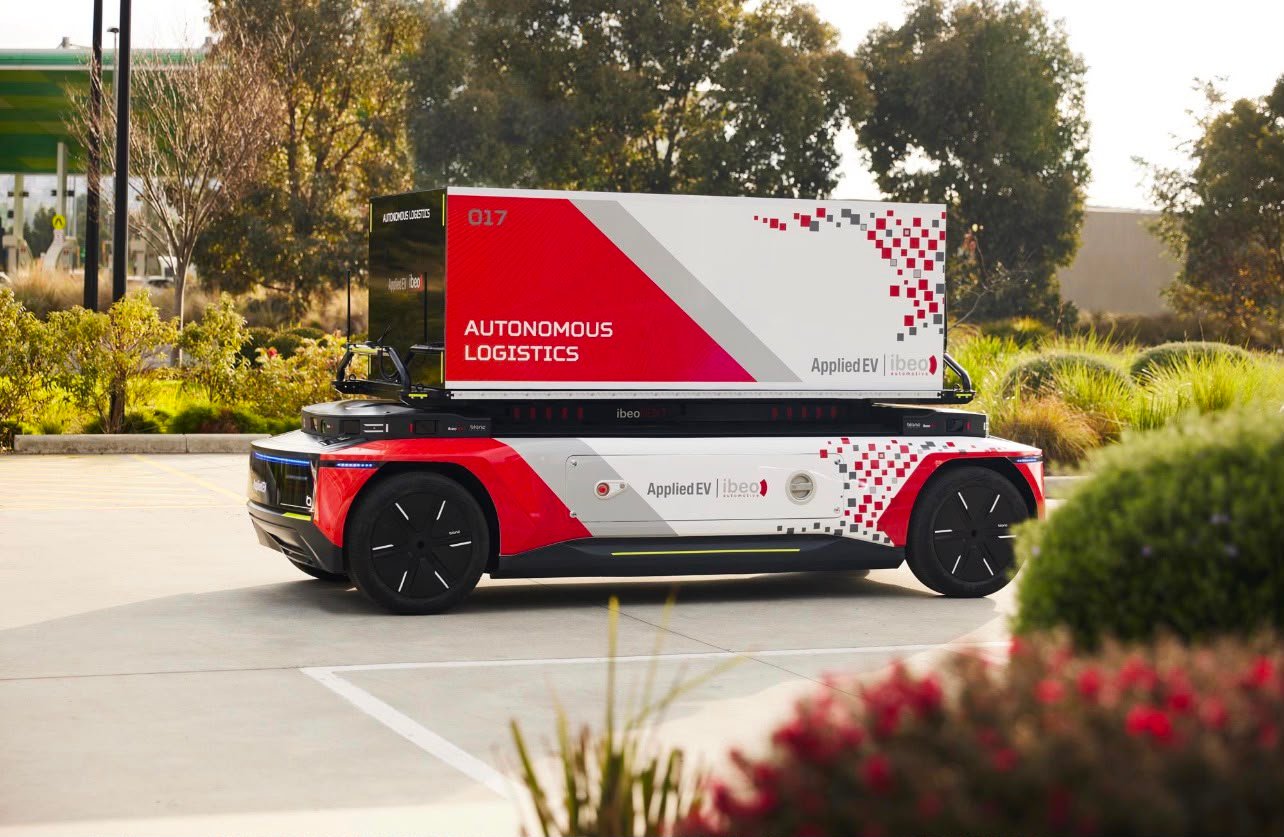
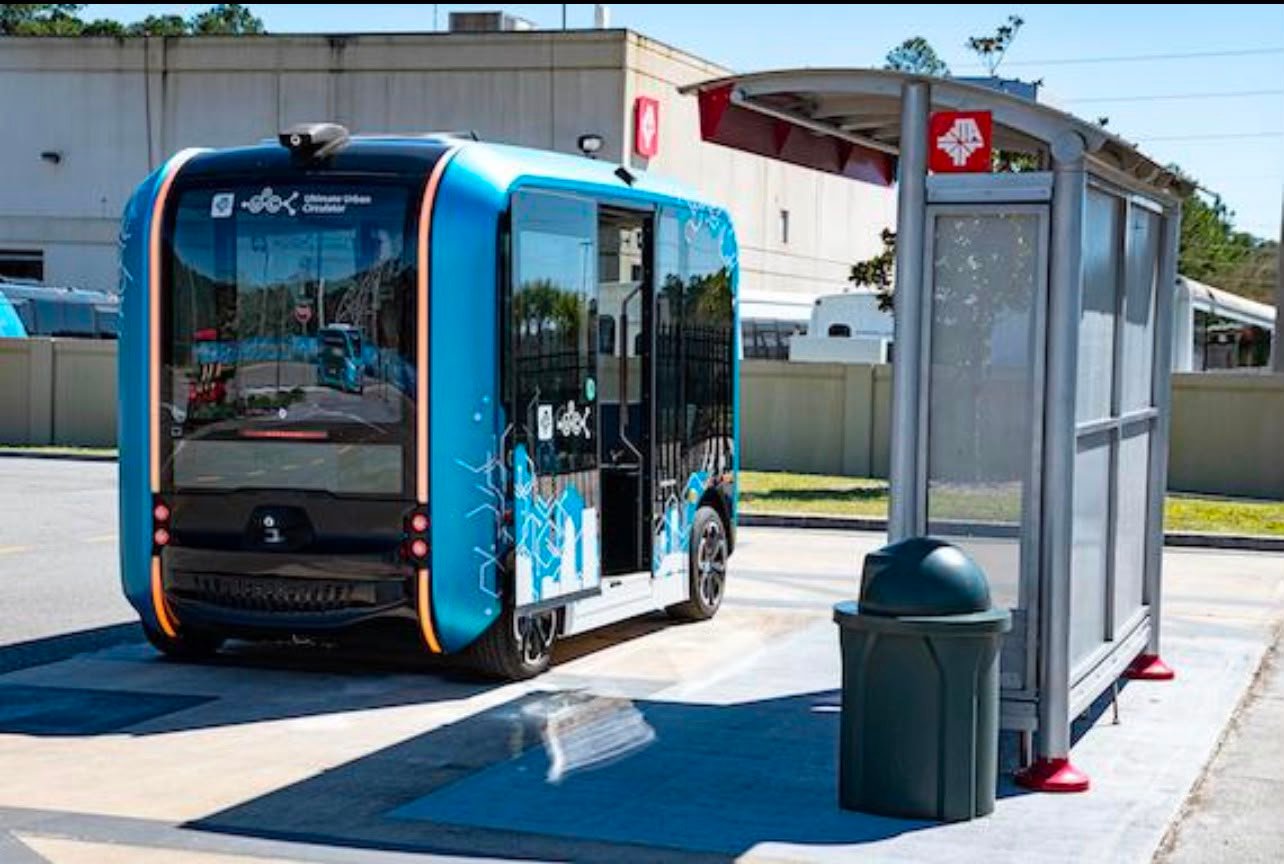
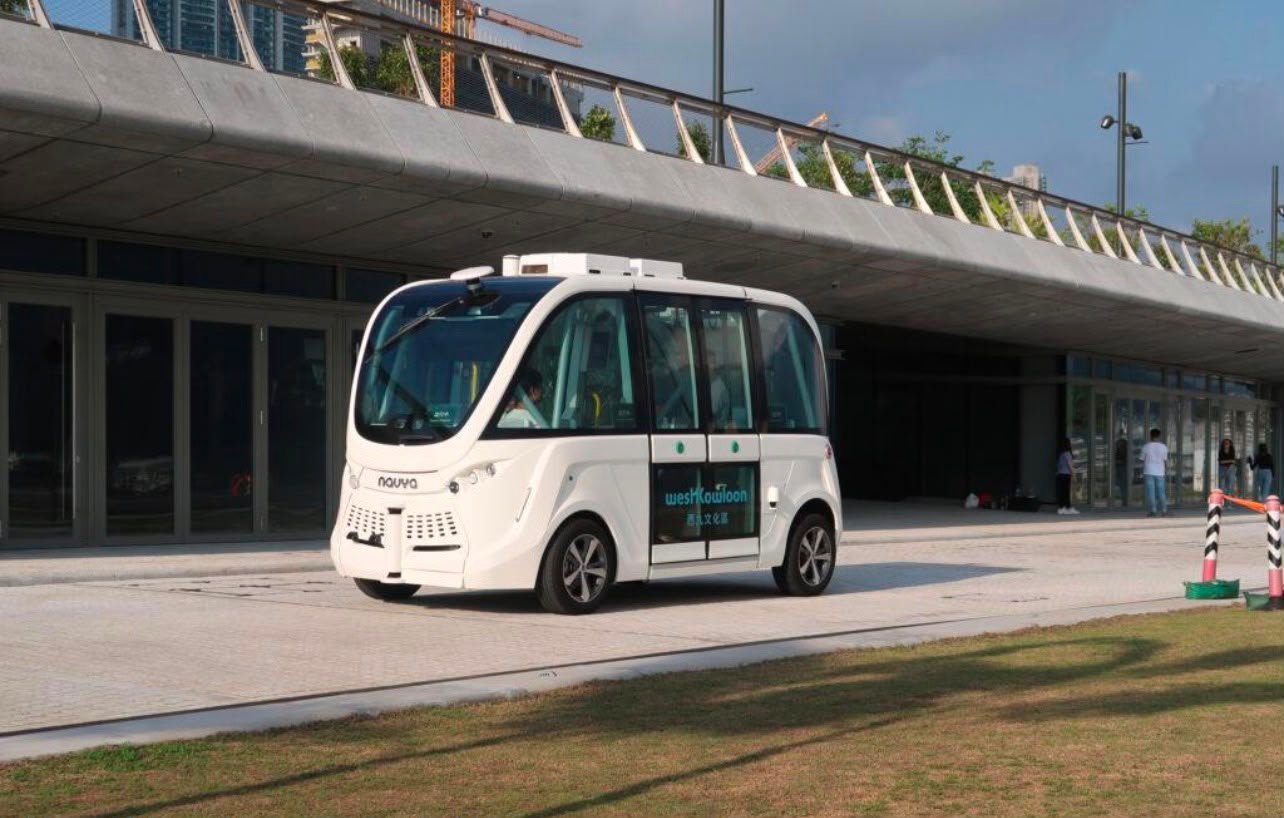
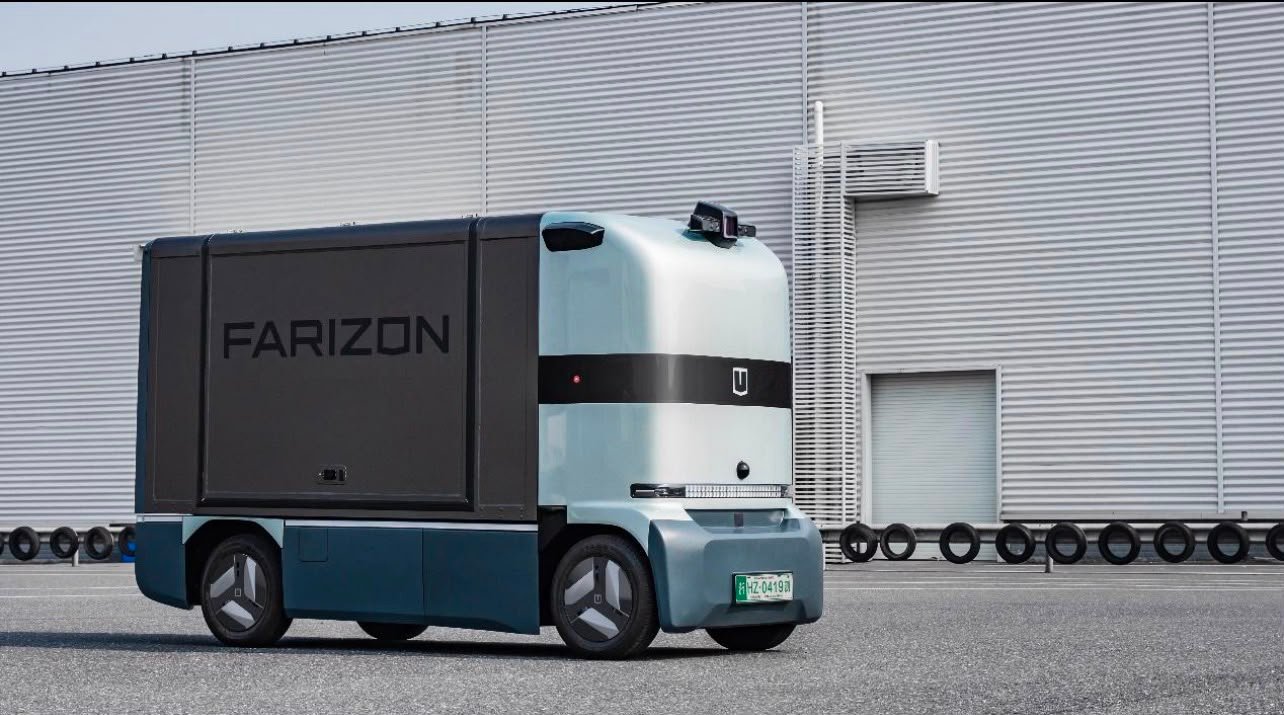
The category on site
Vehicles working on the private ground they are built for.






Take the detail with you
Asked before you ask
01 Can it drive on public roads?
Not as a purchase. Public-road operation requires approval from your national authority, and depending on the market that means permits, trials, a safety case and often a person in the vehicle regardless. It is a programme, not a delivery date. Everything we supply is for private and controlled ground, which is where this technology genuinely works today. If your project crosses a public road — even a short section between two parts of your own site — tell us at enquiry, because that single crossing changes the whole approach.
02 What does our site need before it will work?
Usually more than people expect. Surfaces and gradients within the vehicle's limits, clear markings and signage, reliable connectivity along the route, charging in the right place, and a plan for where autonomous vehicles meet driven ones and people. That last one is the hard part of nearly every deployment, and it is a site design question rather than a vehicle question. We issue a readiness checklist with the quotation.
03 Do we still need people?
Yes, differently. Most deployments run with an attendant during commissioning and early operation, and with remote supervision after that — someone watching the fleet and taking over when a vehicle asks for help. How many vehicles one supervisor can reasonably watch is a real number that decides your staffing. "Driverless" almost never means nobody, and a business case built on removing headcount one-for-one will disappoint.
04 What happens in rain, fog or dust?
Sensor performance degrades — that is physics rather than a defect, and it varies by model and sensor set. A well-designed vehicle recognises conditions outside its operating domain and stops or hands back rather than continuing hopefully. The practical questions are how often your site sees those conditions and what the operation does when it happens. We put the manufacturer's stated limits on the quotation so you can plan around them.
05 Where do we stand on insurance and liability?
Talk to your insurer before deployment, not after. Insurers ask detailed questions about autonomous plant — the operating domain, supervision arrangements, separation from people, incident recording — and the answers are much easier to give before anything is running. Liability for operation on your site sits with you as operator. We supply the safety documentation and operating limits that support your case; we cannot answer your policy for you.
06 What do you need in order to quote?
A site plan with the routes marked, the moves per shift, the loads, the surfaces and gradients, how much other traffic and foot movement shares that ground, your weather extremes, whether any part of the route touches a public road, the destination country and the quantity. A drive-around video of the route is worth more than a page of description. If the movement turns out not to repeat enough to justify autonomy, we would rather say so at that point.
Send the site and the route
Tell us what moves, where, and what else is on that ground. You will hear back within two working days with the class that fits, what your site would need, and an indicative range.
If the movement is closer to one of these, start there instead — the pricing, the lead time and the paperwork are all different.