
Industrial robots, supplied by the order
Articulated, SCARA, delta and collaborative arms with controllers, cabling and safety hardware. Sourced from audited factories, configured to your application, tested before the crate closes, and shipped with the paperwork your customs office asks for.
The risk is rarely the robot
Capital equipment bought across a border does not usually fail at the arm. It fails at the cabinet wired for the wrong voltage, the cable three metres too short for where the controller is going, the missing pendant, the certification file that never arrived, and the spare part that is six weeks away while a line stands still.
Every one of those is a supply problem rather than a manufacturing one, and every one of them is avoidable. That is the job we do.
So the configuration is agreed in writing before anything is produced — model, mounting, cable lengths, controller options, end effector, voltage and language. The unit is powered up, run through its axes and checked against that sheet before it is crated, and you get the photographs, serial numbers and test record. The declarations and certification file are prepared for the destination, not improvised at the port.
What we are not is a systems integrator. We select, configure, test and ship. Cell design, PLC logic and commissioning on your floor go through partner integrators and are priced as a separate line, so you never pay us for work that belongs closer to your site.
Why buy your arms through us
-
Trade pricing at volume
Dealer, integrator and project tiers, with repeat-order terms once a model is running in your plants.
-
Audited factories
We visit and test before a line is listed, so you are not the one discovering a supplier's quality problem.
-
Configured before it ships
Mounting, cable lengths, controller options and tool interface set to your cell, not left in the box.
-
Tested before the crate closes
Powered up and checked against the signed configuration sheet, with photographs and serials sent to you.
-
Paperwork that clears customs
Certification file, declarations and export documents prepared for the destination before goods leave.
-
Spares held, not ordered
Fast-moving parts stocked for the lines we sell most of, so a failed component is not a production stop.
-
Integration if you want it
Partner integrators quoted as an optional line on the same order, in the regions where we have them.
-
Consistent across reorders
Same model, firmware and fixings on the eleventh unit as the first, so your programs and jigs still fit.
What our buyers put them on
A sample rather than a limit. Send the task and the cycle and we will tell you which class of arm suits it — including when a smaller one will do.
- Arc & spot welding
- Material handling
- Palletising & depalletising
- Machine tending
- Assembly & screwdriving
- High-speed pick & place
- Packaging & case packing
- Dispensing, gluing & sealing
- Painting & surface coating
- Deburring, grinding & polishing
- Inspection & measurement
- Laboratory & light assembly
- Training & education cells
Six classes we stock and source
Six-axis articulated
The general-purpose workhorse. Welding, handling, machine tending and finishing, with reach envelope and mounting chosen per cell.
SCARA
Fast, rigid and compact for vertical assembly, screwdriving and pick-and-place on a bench or a conveyor line.
Delta & parallel
Overhead high-speed picking for food, pharmaceutical and packaging lines, usually paired with vision.
Collaborative
Force-limited arms for shared workspaces where fencing is impractical. The arm being collaborative does not make the application collaborative — the risk assessment still governs.
Cartesian & gantry
Linear systems for long strokes, heavy loads and overhead work where an articulated arm cannot cover the footprint.
Positioners & track
Seventh-axis rails, turntables and headstock positioners that extend the working envelope, quoted with the arm rather than after it.
What comes as standard
In every order, at every quantity. End effectors, safety hardware, vision and training are quoted separately, because most buyers already have some of them.
-
Robot, controller & pendant
Manipulator, control cabinet and teach pendant matched and tested as a set before dispatch.
-
Signed configuration sheet
Model, mounting, cabling, options, voltage and language agreed in writing before production starts.
-
Cabling to your lengths
Motor and signal cabling cut to reach where the cabinet is actually going, not to a catalogue default.
-
Mounting hardware
Base plate, fixings and levelling to the mounting position confirmed at order — floor, ceiling, wall or track.
-
Pre-shipment test record
Axes run, functions checked, and photographs and serial numbers issued to you before crating.
-
Documentation set
Manuals, wiring diagrams, declarations and the certification file for the destination market.
-
Export packing
Crated and braced for sea or air freight, with treated timber and marking where the destination requires it.
-
Recommended spares list
Issued per model at delivery, with the fast-moving items held by us rather than ordered when they fail.
What is fixed and what is chosen per order
Industrial robots are specified around the task, so this table describes how each line gets decided. The confirmed values for your order appear on the configuration sheet before production.
- Robot classes
- Six-axis articulated, SCARA, delta, collaborative, cartesian and gantry, plus positioners and seventh-axis track
- Payload
- Selected to the part, the gripper and the dynamic load of the cycle — not to the part weight alone
- Reach
- Chosen from the working envelope and the cell layout supplied, including the positions the arm must clear
- Repeatability
- Stated per model on the manufacturer's datasheet, issued with the quotation for the models offered
- Axes
- Four to six on the arm depending on class, extended by track, turntable or positioner where required
- Mounting
- Floor, ceiling, wall, shelf or track, confirmed at order because it changes the base and the calibration
- Controller
- Matched cabinet and teach pendant, with fieldbus and I/O options specified to the equipment it will talk to
- End effector
- Gripper, vacuum, tool changer or process tool, supplied fitted to the arm interface or left open for yours
- Safety
- Fencing, scanners, light curtains and interlocks quoted to your layout; the risk assessment for the installed cell remains the operator's
- Power supply
- Voltage, phase and frequency set to the destination country at order, not adapted after arrival
- Environment
- Standard, wash-down, foundry, cleanroom or paint-rated variants where the manufacturer offers them
- Software
- Controller software with the manufacturer's licence; vision, offline programming and fleet tools quoted separately
- Options
- End effectors, safety hardware, vision, seventh axis, spares kits and training, itemised as separate lines
- Documentation
- Manuals, wiring diagrams, declarations, certification file and test record, in the destination language where available
- Packing
- Export crating braced for sea or air, with treated timber and marking to the destination's import rules
- Warranty
- Manufacturer's terms per model, stated on the quotation; claims raised and chased by us with the factory
- Spares
- Recommended list issued per model, with fast-moving items held for the lines we supply most
- Branding
- Own-label badging, packaging and manual language on selected lines where the manufacturer permits it
All specifications are confirmed on the approved configuration sheet for your order.
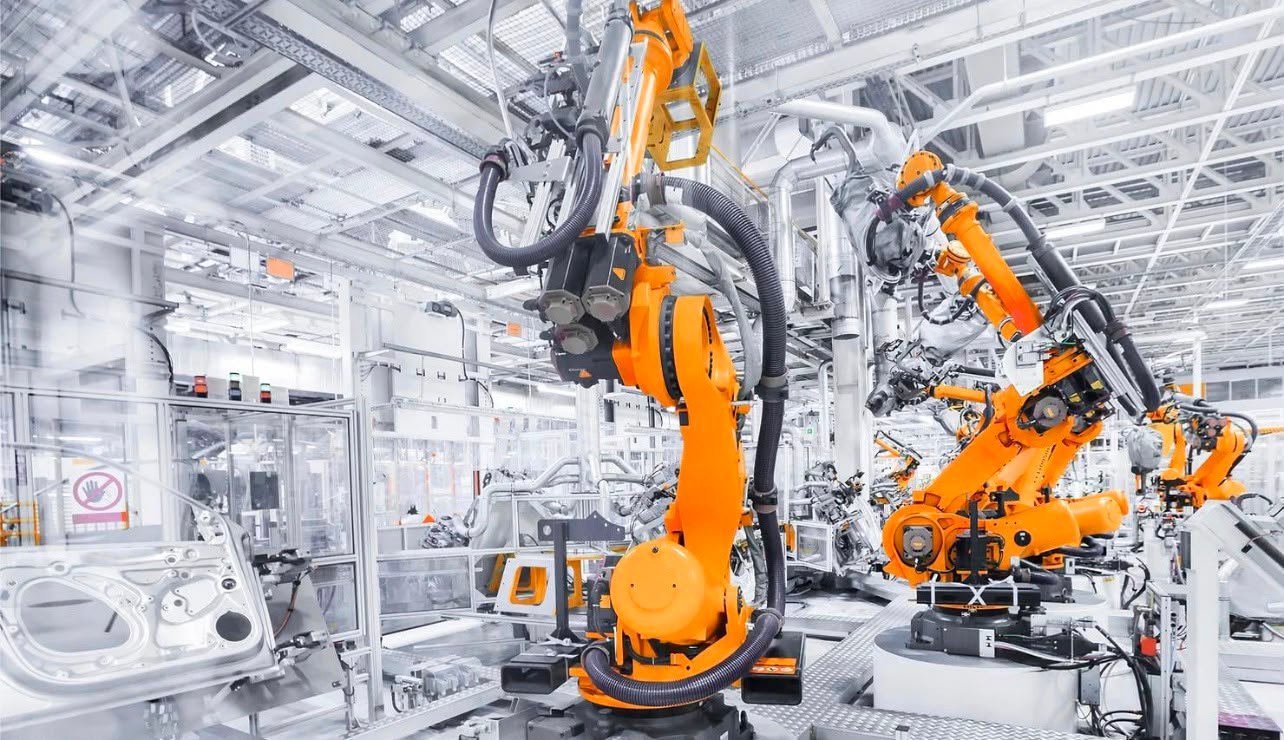
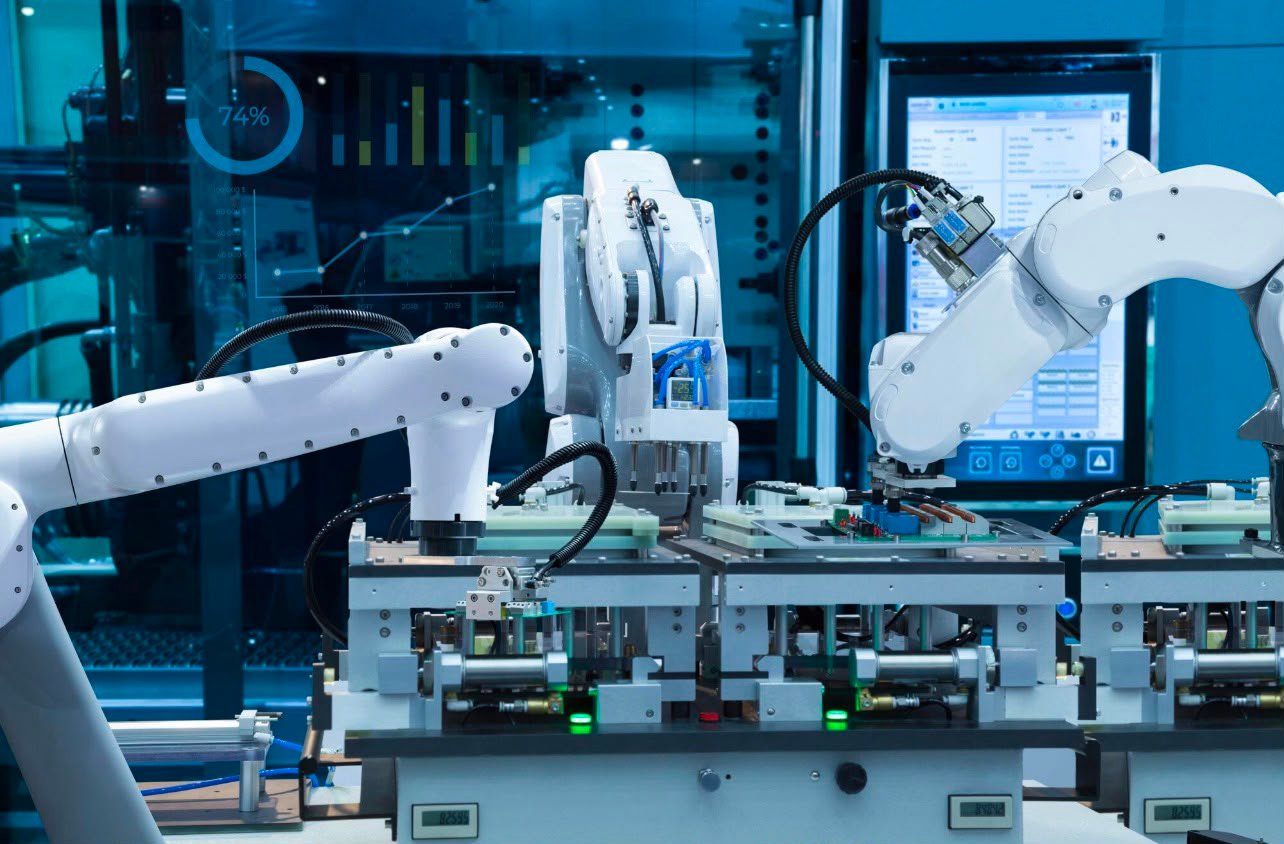
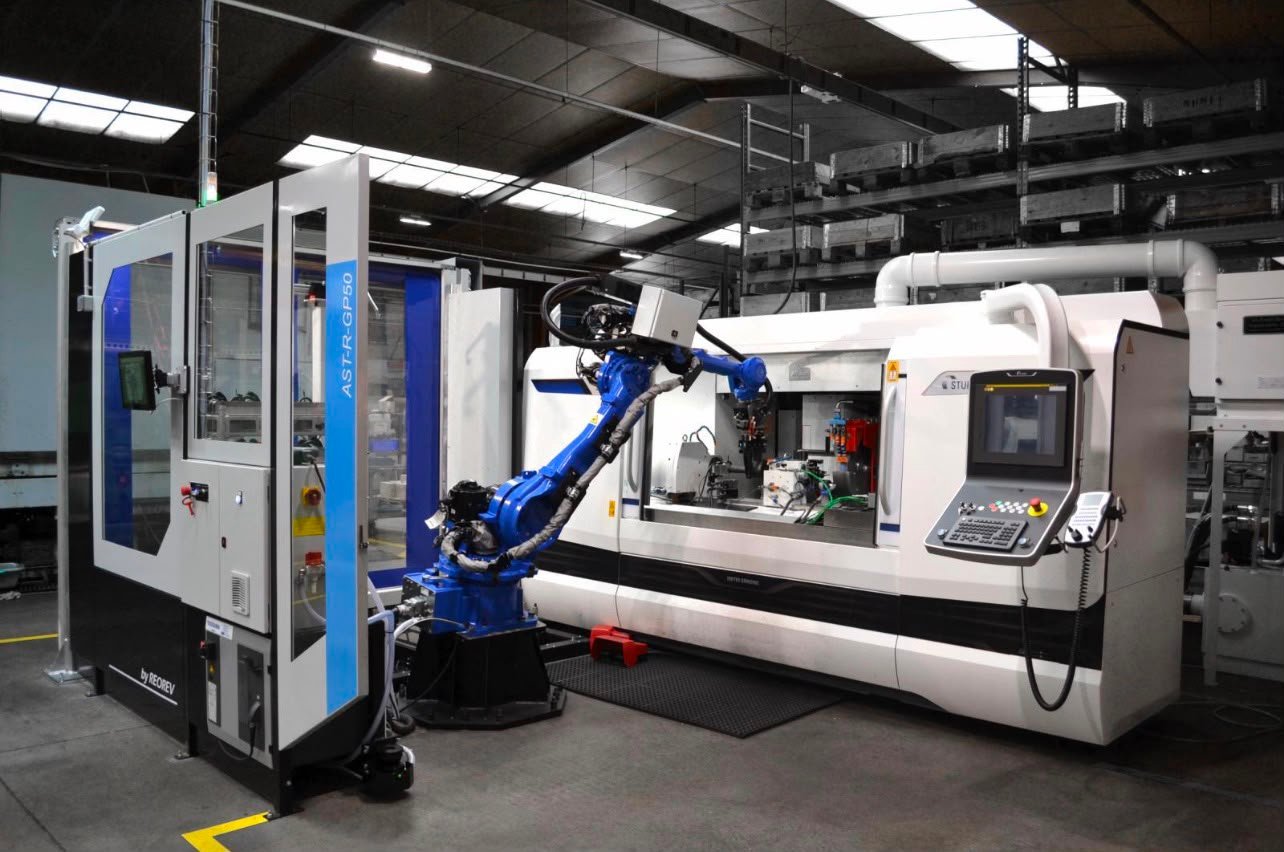
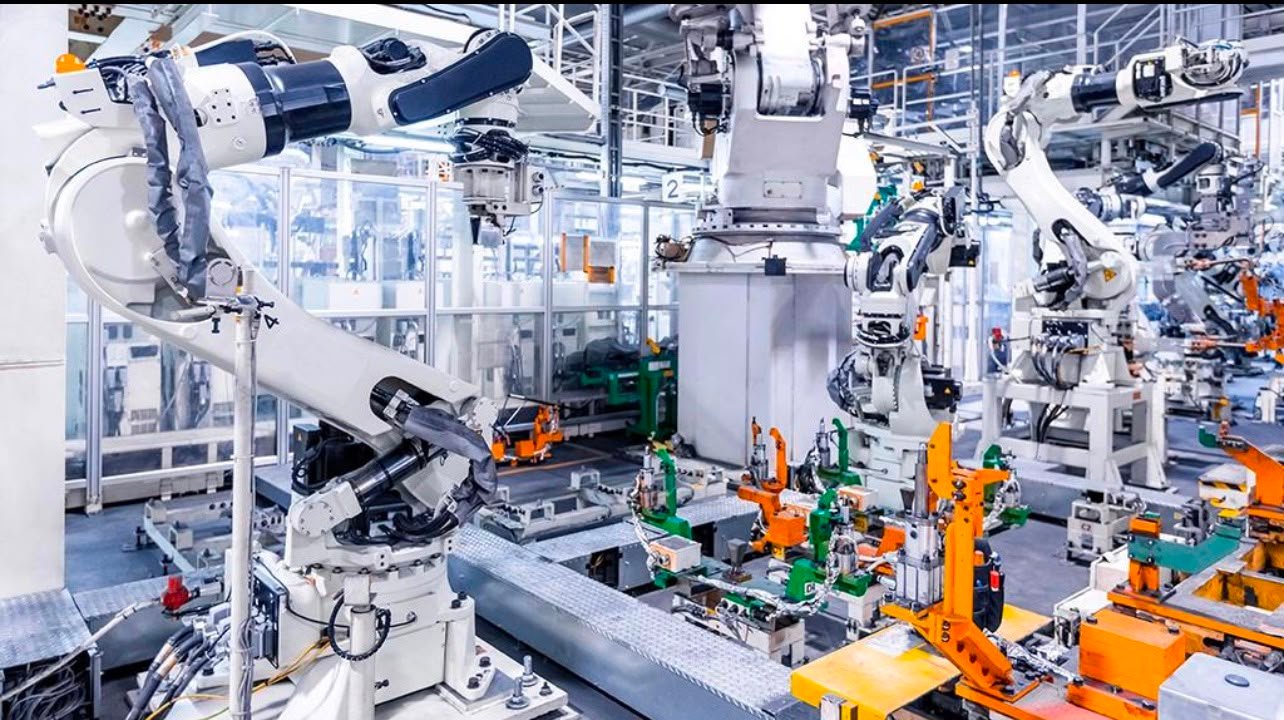
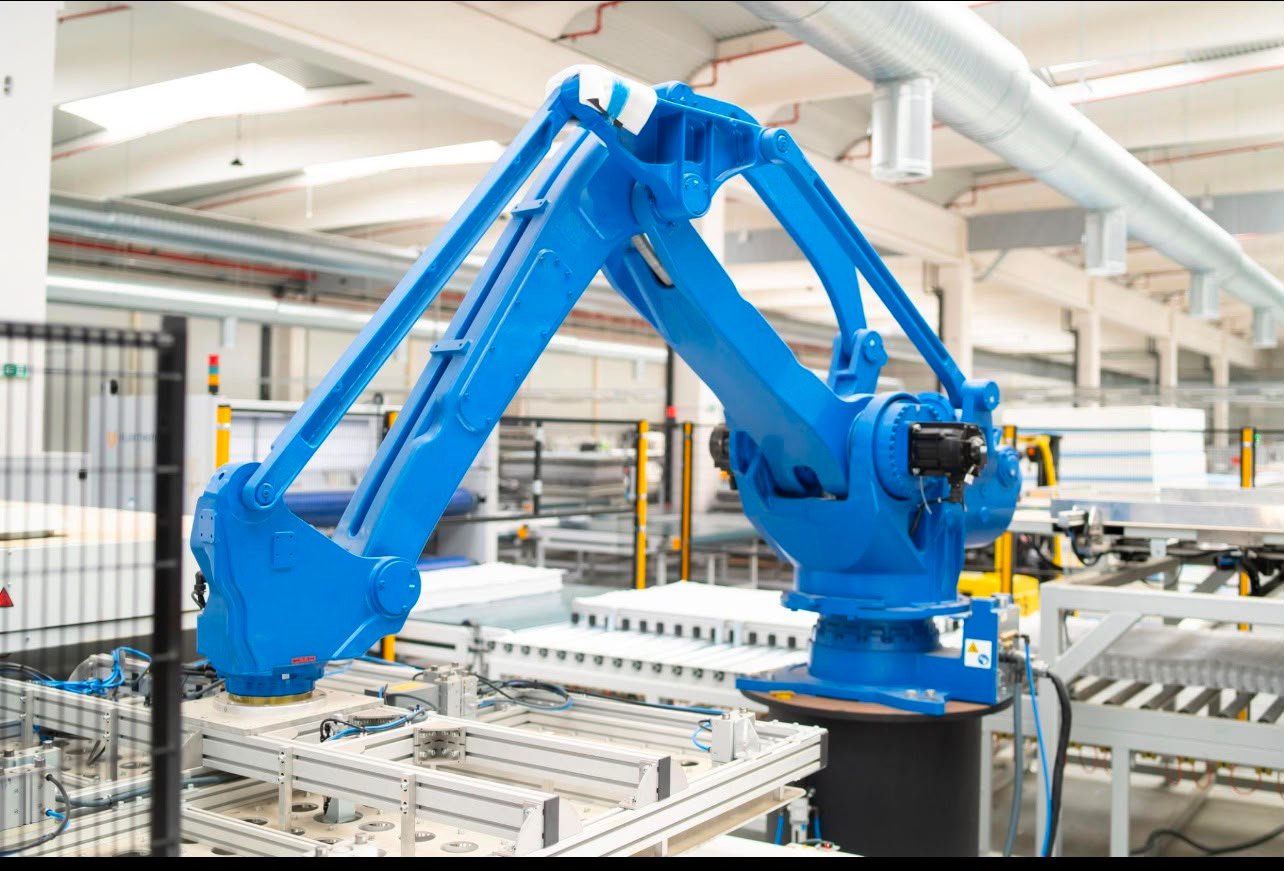
The category up close
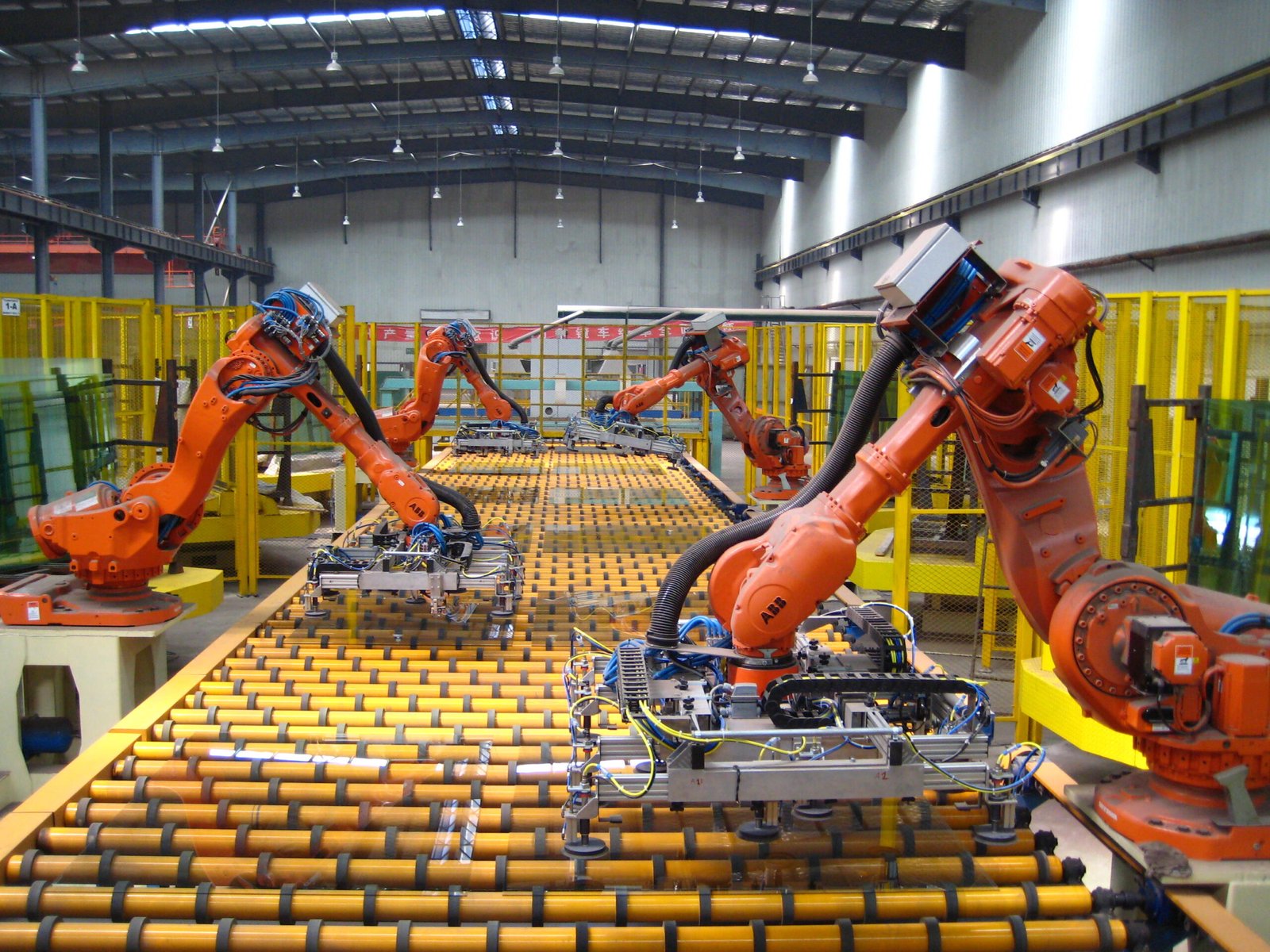
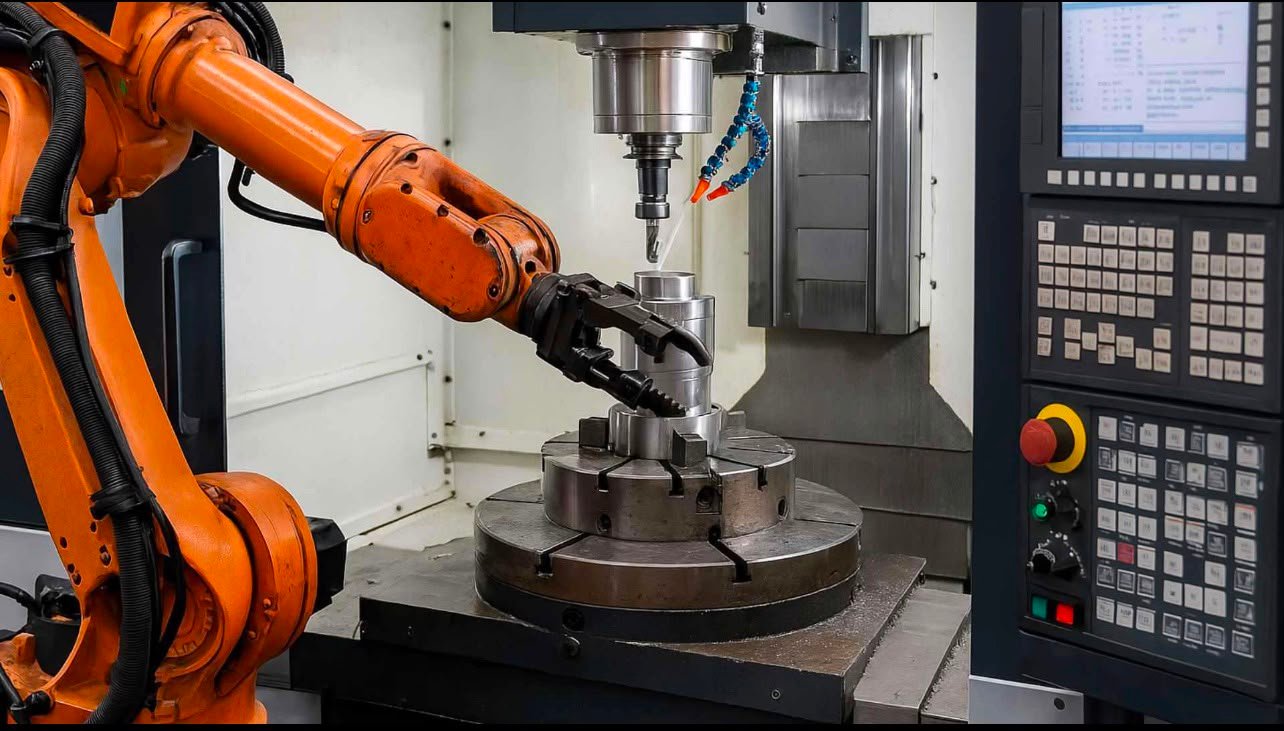
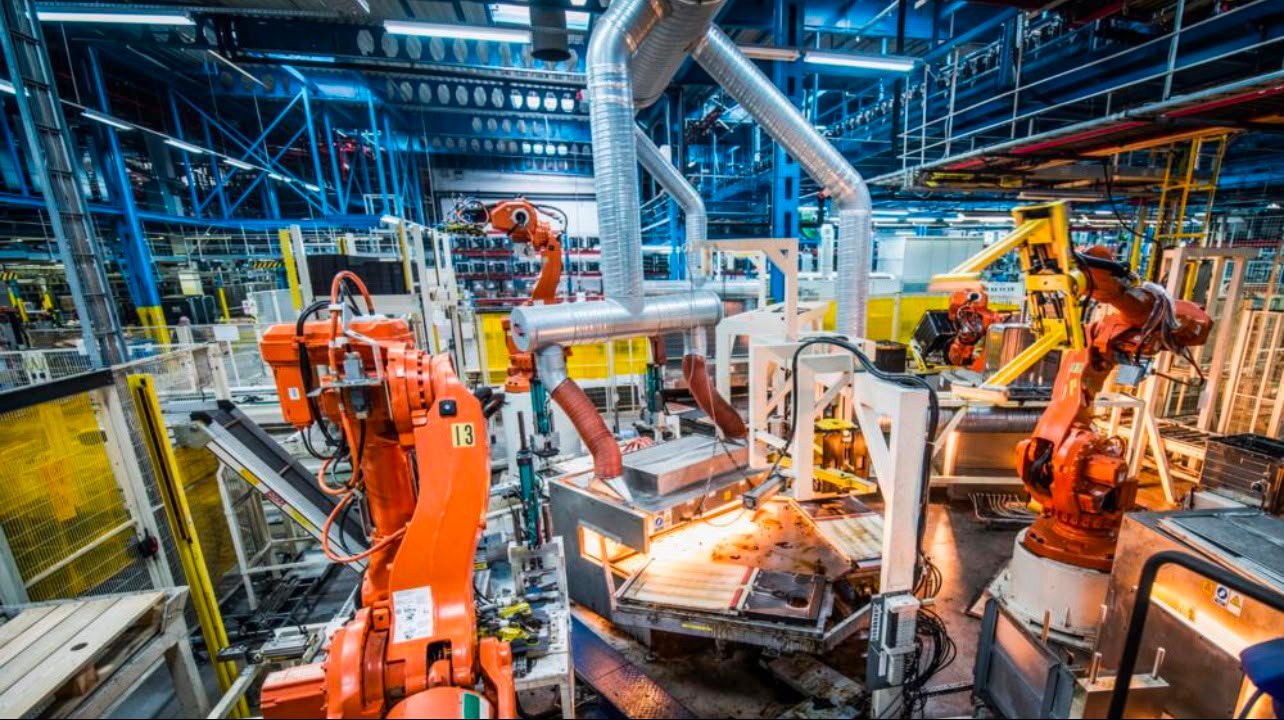
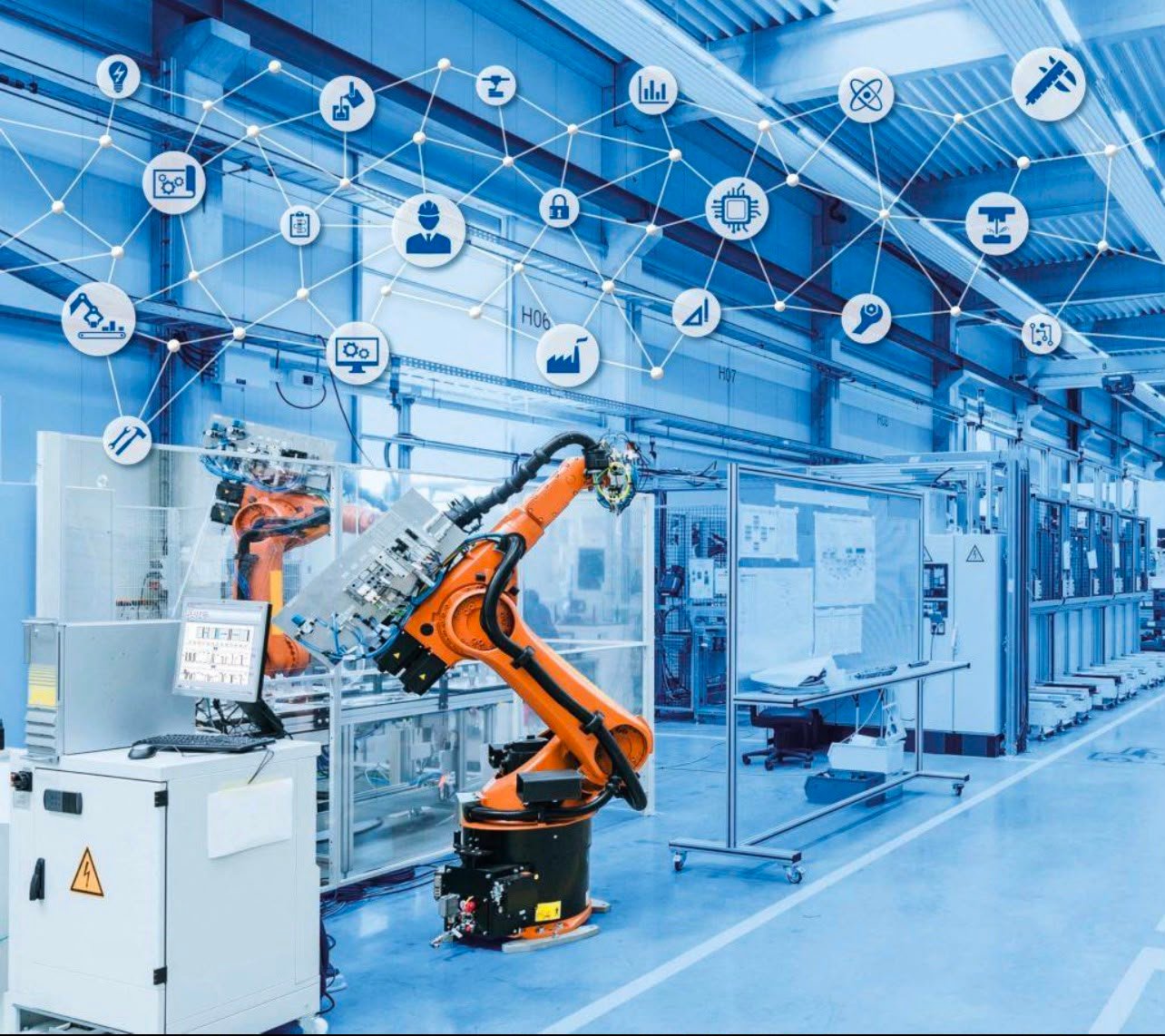
Arms, controllers and the applications our buyers put them on.

Take the detail with you
Asked before you ask
01 Is there a minimum order?
Not on most arms — industrial robots are quoted per unit because the value sits in the configuration rather than the quantity. Volume changes the price tier, not whether we will supply you. Accessories, cabling and consumables do carry minimums on some lines, and we will tell you which at quotation.
02 Do you sell to end users, or only to the trade?
Our pricing is built for integrators, machine builders, distributors and plant buyers. We do supply single units to end users, on different terms, and we say so on the quotation rather than afterwards. If you are an end user without an integrator, mention it in the enquiry and we will include a partner in the quote.
03 Will you design and commission the cell?
Not directly. We supply, configure, test and ship. Cell design, PLC integration and commissioning are handled by partner integrators, quoted as a separate line on the same order in the regions where we have them. If you already have an integrator, we are happy to deal with them on the technical detail.
04 What do you need in order to quote?
The task, the part weight including the gripper, the cycle time you are aiming for, the space the arm has, the destination country and the quantity. A photo or sketch of the cell is worth more than a paragraph of description. If you already know the model you want, the part number alone is enough.
05 How does warranty work at this distance?
Warranty terms are the manufacturer's and are stated on the quotation for the model offered. You deal with us rather than with a factory in another time zone — we raise the claim, chase it and ship the replacement part. Fast-moving spares for our main lines are held rather than ordered.
06 Can we resell under our own brand?
On selected lines, where the manufacturer permits it. Badging, packaging and manual language can be produced to your brand, and it is agreed before the production order rather than after. It changes both the minimum quantity and the lead time, so raise it at the enquiry stage.
Send the application, not just the part number
Tell us what the robot has to do, how many you need and where they are going. You will hear back within two working days with the class of arm that fits, availability and an indicative range.
If the task is closer to one of these, start there instead — the pricing, the lead time and the paperwork are all different.