
One perimeter, read by several sensors at once
Cameras, patrol robots, perimeter sensing, access control and control-room software for security firms, facilities contractors and systems resellers. Supplied configured, with firmware updated and default credentials changed before the crate is sealed.
This equipment is regulated by what it is used for
Everything else in this division is governed by safety rules. Security equipment is governed by purpose: who may be watched, where, for how long the footage is kept, and whether anyone may be identified from it. Those rules differ sharply between markets and they are still moving.
So we ask where the equipment is going and what it is for, and we record the answer. Some deployments we will not supply. That costs us a small number of orders and it is not negotiable — the alternative is discovering the use afterwards, in public.
The technical half is less contentious and no less important. Cameras and recorders are among the most frequently compromised devices on any network, almost always through default passwords and firmware nobody updated. Units leave us patched, with credentials changed and handover documented, and the specification says plainly who is responsible for patching after that.
What we supply is hardware, licences and configuration: cameras, optics, recorders, sensors, patrol units, readers and control-room software. Design of the scheme, installation, cabling, commissioning and monitoring run through partner integrators and are quoted separately — on a site of any size that work is the larger half of the project.
Why buy security hardware through us
-
Trade pricing at volume
Installer, integrator and project tiers across cameras, sensors, recorders and licences on one stock list.
-
Destination rules checked
We look at what your market restricts before quoting, rather than shipping something your customer cannot lawfully switch on.
-
Hardened before dispatch
Firmware updated, default credentials changed, unnecessary services off, and the handover recorded.
-
Procurement bans flagged
Several markets bar named manufacturers from government and critical-infrastructure networks. We check before you tender.
-
Site read before the quote
Coverage, lighting, distances, mounting and network bandwidth reviewed first, because a camera list is not a scheme.
-
Open standards where possible
Equipment that will talk to the video management system you already run, rather than locking your customer into ours.
-
Spares and lifecycle
Cameras and recorders are superseded quickly. We hold spares for supplied lines and flag end-of-life before it bites.
-
Consistent across expansions
Same models and firmware baseline on the fiftieth camera as the first, so one maintenance procedure covers the estate.
Where our buyers deploy it
A sample rather than a limit. Send the site and what you are protecting against, and we will tell you which combination of sensors actually covers it.
- Perimeter protection
- Industrial & manufacturing sites
- Warehouses & distribution centres
- Ports, yards & logistics hubs
- Utilities & critical infrastructure
- Construction sites
- Retail loss prevention
- Corporate campuses
- Car parks & vehicle access
- Schools & universities
- Remote & unmanned facilities
- Data centres
- Events & venues
- Fuel, energy & mining sites
Six classes we stock and source
Cameras & video systems
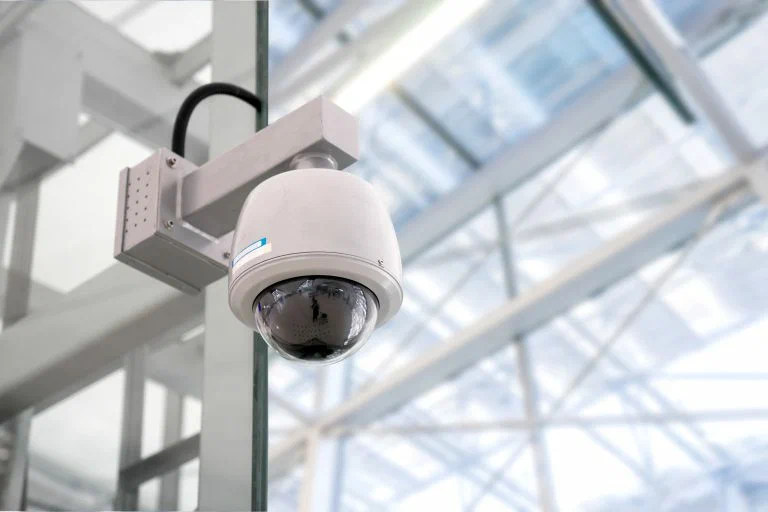
Fixed, dome, PTZ and multi-sensor cameras with recorders and storage. The lens and the lighting decide the picture far more than the megapixel count does.
Thermal & low light
Thermal and low-light imaging for perimeters, unlit yards and long distances, where a conventional camera returns a black frame.
Perimeter sensing
Radar, fence-mounted sensors, beams and buried detection. Sensors detect; cameras confirm. Neither does the other's job well.
Patrol & mobile units
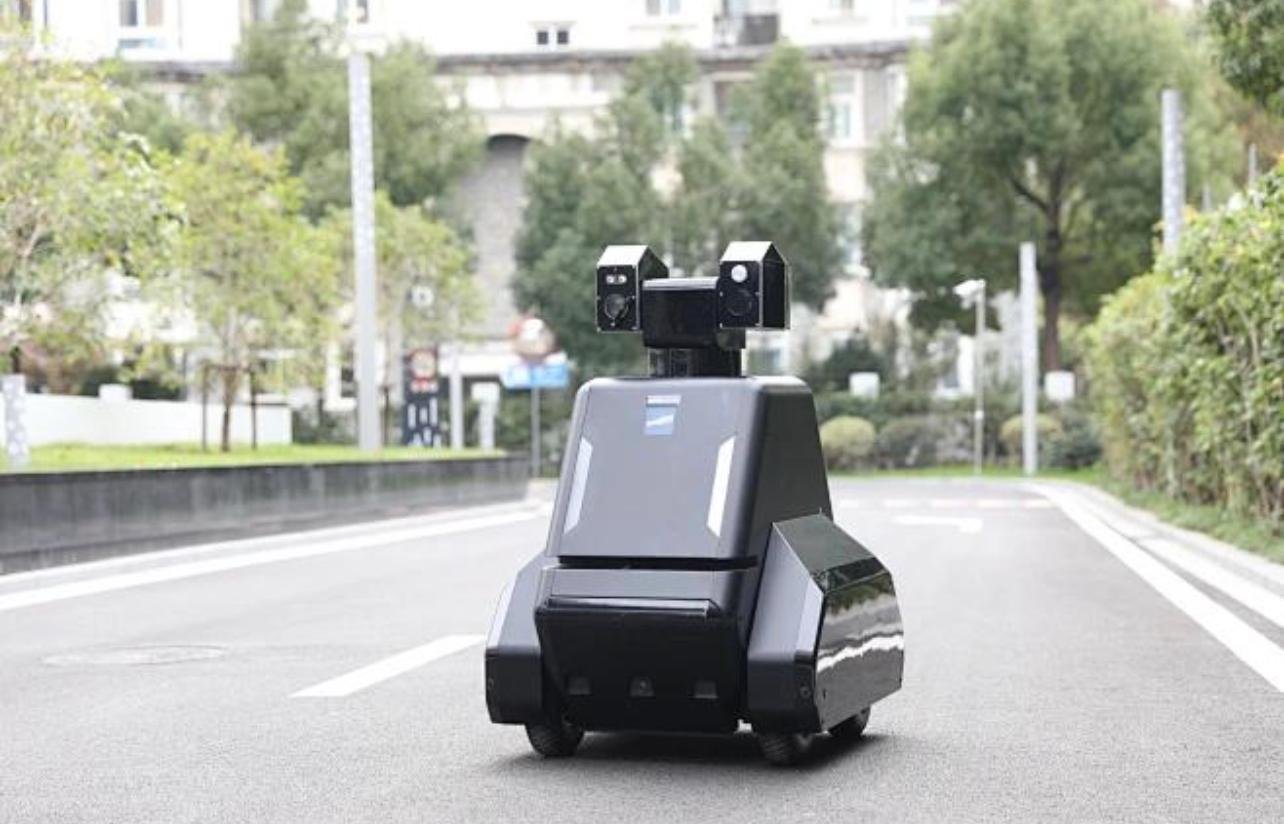
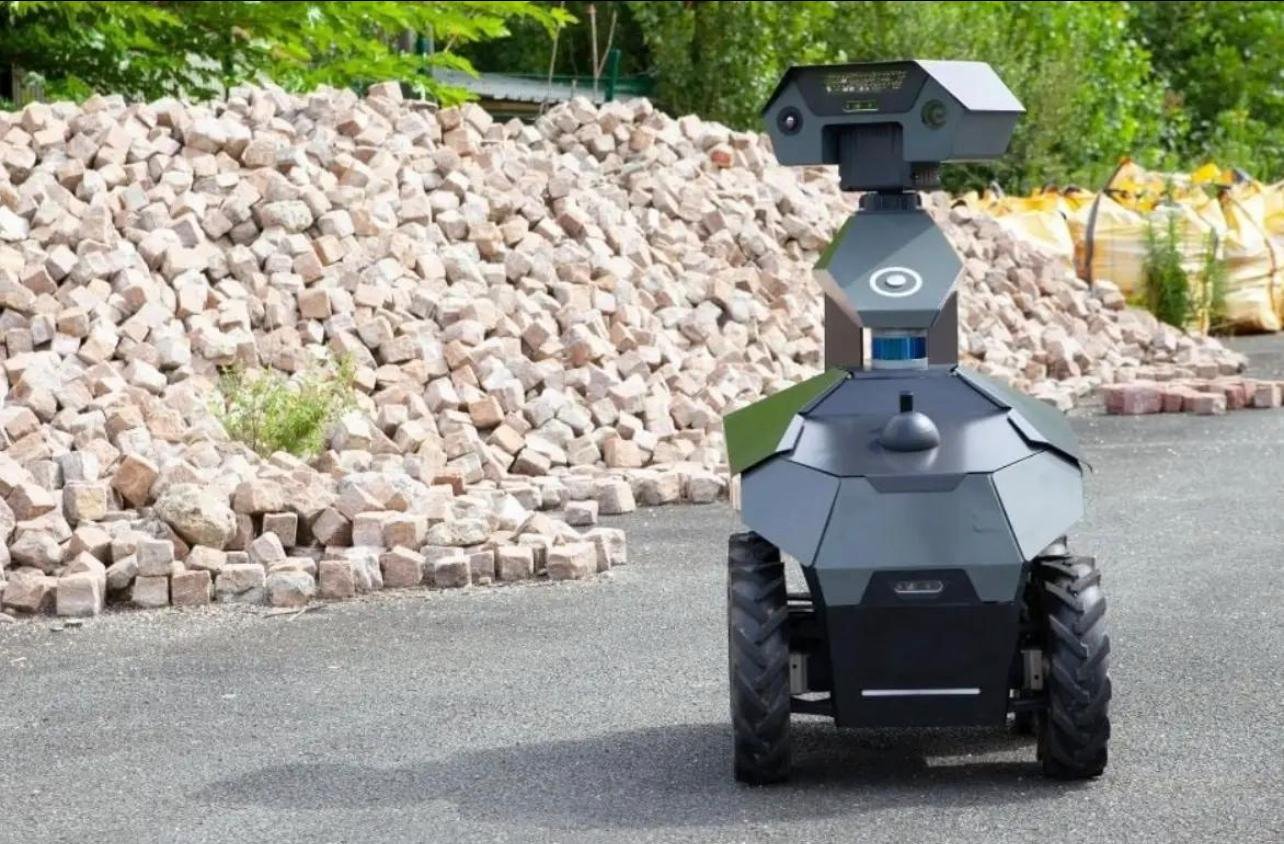
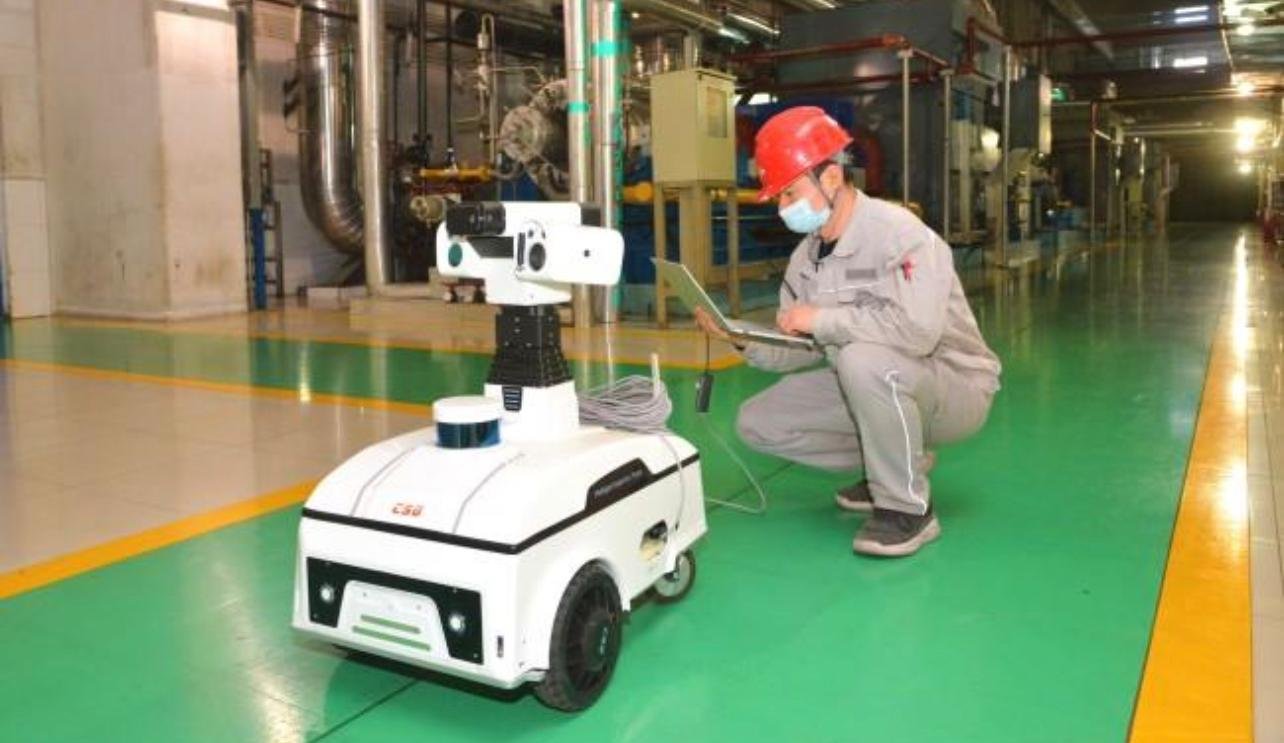
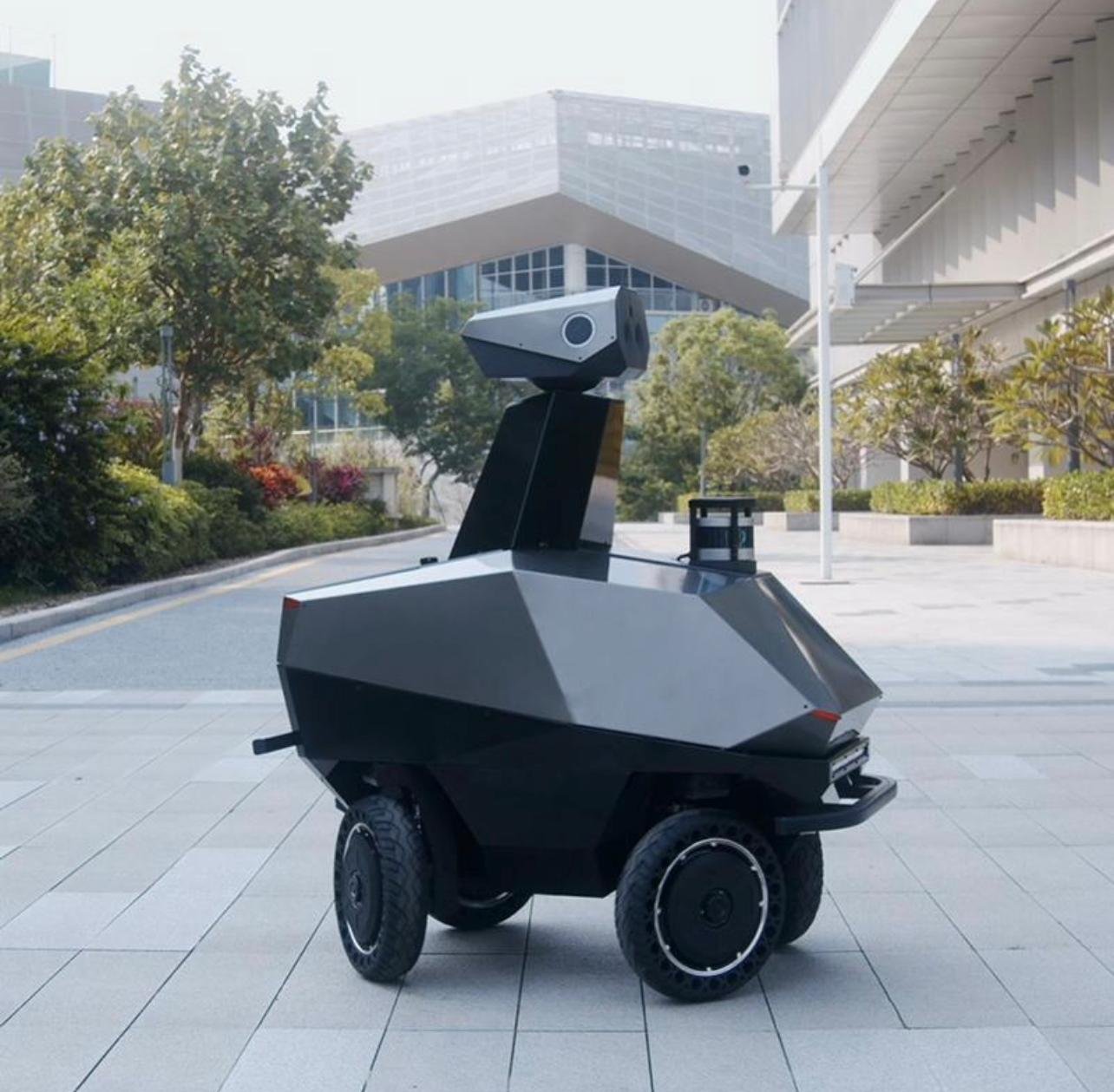
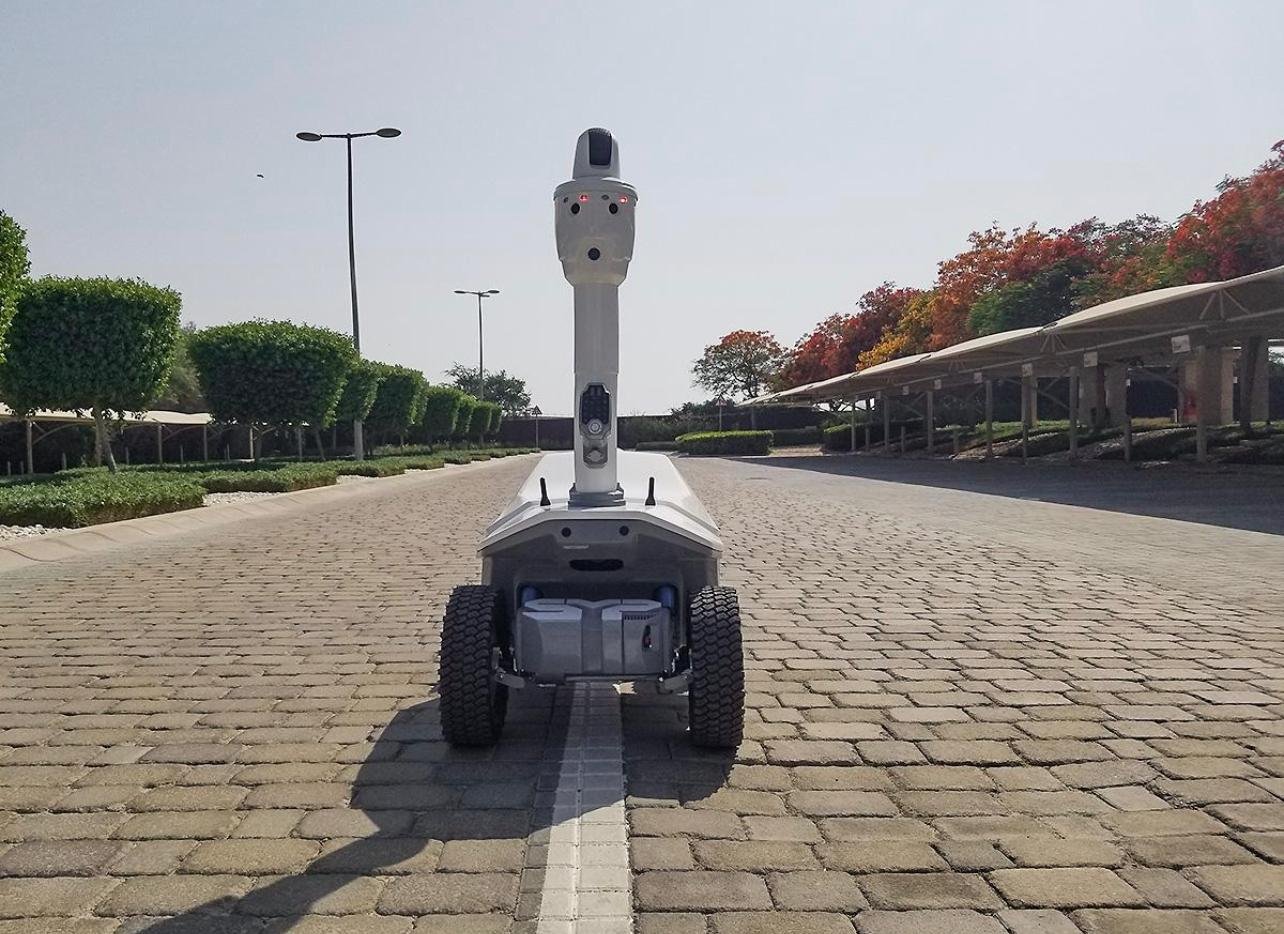
Ground patrol robots that cover distance a fixed camera cannot, recording and streaming as they go. They observe and report — they do not intervene.
Access control & intrusion
Readers, controllers, barriers, intercom and alarm equipment, supplied to work with the credential system the site already uses.
Control room & analytics
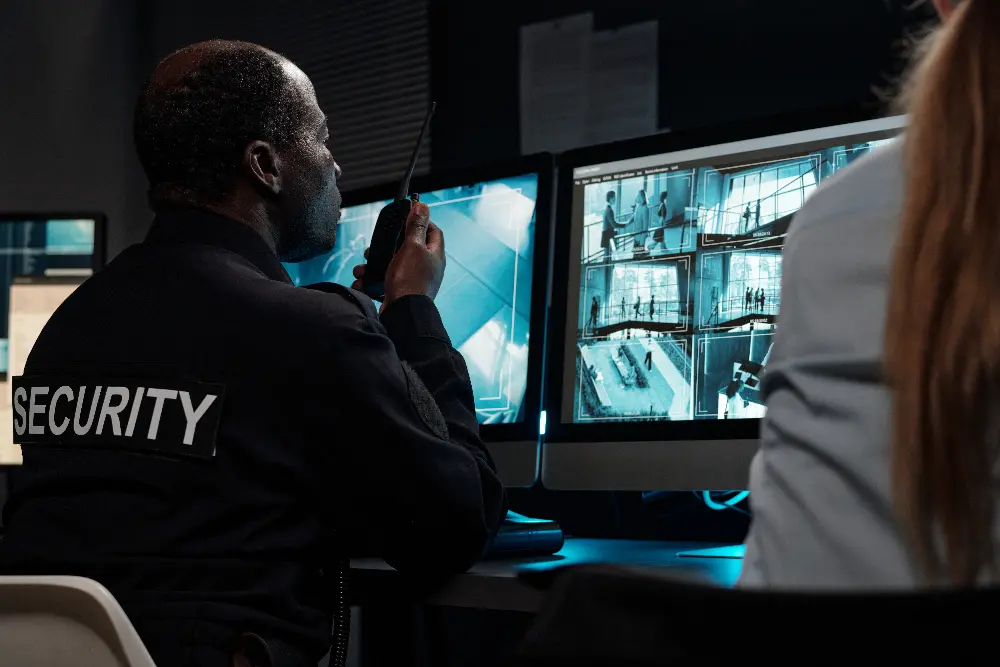
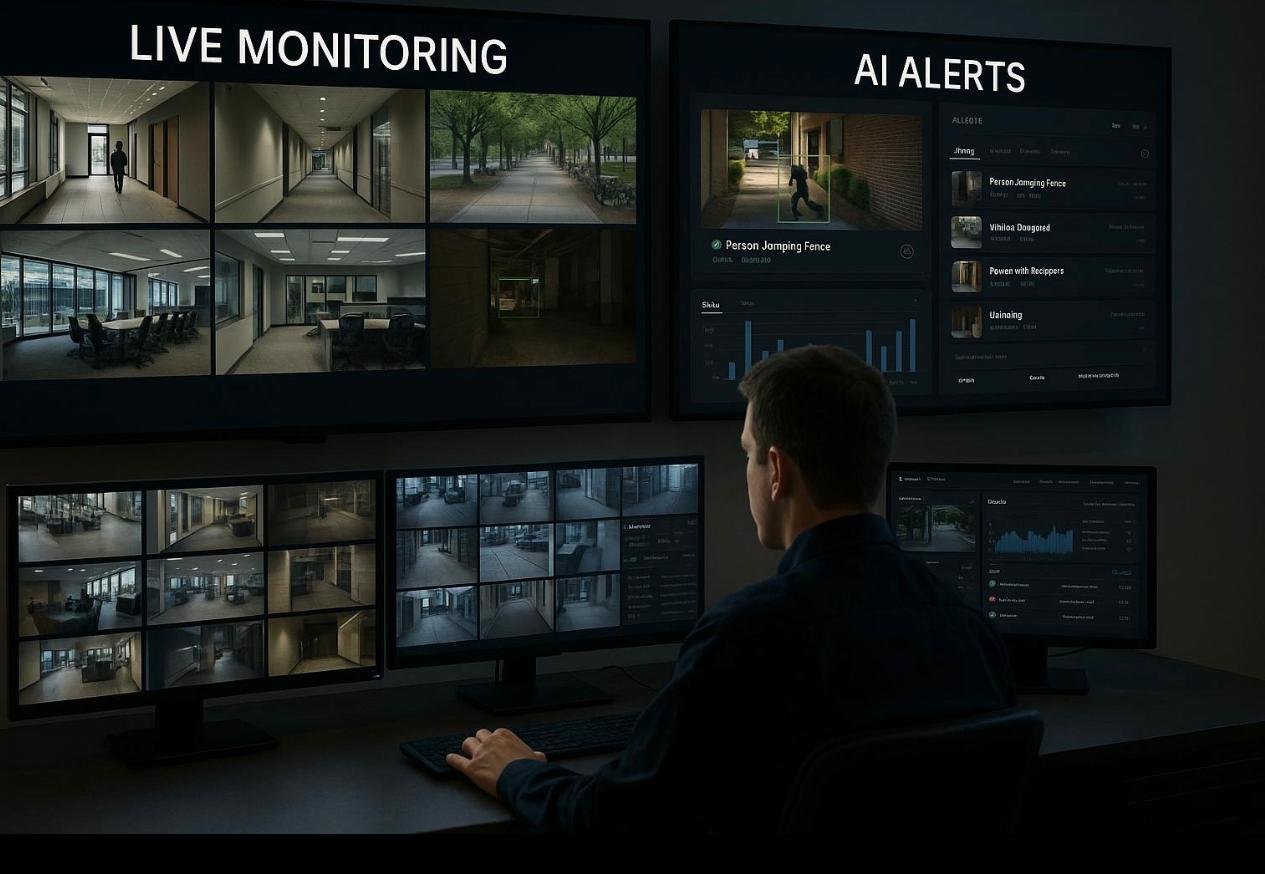
Video management software, storage and analytics that pull several sensors into one operator view, licensed per camera or per site.
What comes as standard
In every order, at every quantity. Scheme design, cabling, installation, commissioning and monitoring are quoted separately, because they belong to the site rather than to the equipment.
-
Matched hardware set
Cameras, lenses, mounts, brackets and cabling supplied as a working combination rather than a parts list.
-
Firmware updated
Current firmware applied before dispatch and the version recorded, so the estate starts from one known baseline.
-
Default credentials changed
Nothing ships on a factory password. Credentials are handed over securely and separately from the goods.
-
Recording & storage sized
Recorder and storage quoted against the retention period your customer's rules actually require, not a round number.
-
Licence keys & terms
Video management and analytics licences issued with the term, renewal date and basis stated in writing.
-
Coverage checklist
What each model needs in mounting height, distance, lighting and bandwidth to deliver the picture you are expecting.
-
Pre-shipment test record
Units powered, streams verified, firmware and serial numbers recorded, with photographs issued before crating.
-
Documentation & end-use record
Manuals, declarations and certification file, plus the destination and intended-use record the order was accepted on.
What is fixed and what is chosen per order
Security equipment is specified around the site, the threat and the law where it is installed, so this table describes how each line gets decided. Confirmed values for your order appear on the configuration sheet before production.
- System classes
- Cameras and video systems, thermal and low light, perimeter sensing, patrol units, access control and intrusion, control room and analytics
- Cameras & optics
- Sensor, lens, field of view and working distance chosen to the scene and the mounting position, stated per model with the quotation
- Low light & thermal
- Illumination, infrared or thermal selected to the actual site lighting after dark rather than to a datasheet minimum
- Detection range
- Stated per model by the manufacturer and confirmed against your distances and mounting heights — range figures assume ideal conditions
- Recording & retention
- Storage sized to the retention period your jurisdiction and your customer's policy require; retention is usually a legal decision before it is a technical one
- Network & bandwidth
- Bandwidth per stream and total load confirmed against the site network, including what happens to recording when the link drops
- Power
- PoE, low voltage or mains per device, with budget and backup provision confirmed at order
- Environment
- Ingress, temperature and impact ratings selected for the mounting position, including vandal resistance where the device is reachable
- VMS compatibility
- Open-standard support stated per model so equipment works with the video management system already in use, where the manufacturer supports it
- Analytics
- Motion, line crossing, loitering, object and vehicle detection per model. Performance is quoted per site after a trial — we do not publish recognition rates
- Biometrics
- ⚠ Facial and other biometric identification is restricted or prohibited in a number of markets and the rules are changing. Availability is subject to destination law and a written end-use statement, and some requests will be declined
- Vehicle recognition
- Plate recognition supplied where lawful in the destination, with the same end-use and data-protection conditions as any other identifying system
- Patrol units
- Ground robots observe, record and report. They cannot intervene, detain or exercise judgement, and are specified as an extension of coverage rather than a replacement for officers
- Cybersecurity
- Firmware updated and default credentials changed before dispatch. Ongoing patching, network segmentation and credential management are the operator's responsibility and should be assigned at handover
- Data protection
- Retention, storage location, access logging, signage and subject rights are the operator's legal responsibility in every market. Settle them before installation, not after a complaint
- Procurement limits
- Some countries bar named manufacturers from government, defence and critical-infrastructure networks. Confirm the approved list before tendering public work — a barred camera loses the bid
- End use
- Destination and intended use are recorded on every order. We decline supply where the stated use is unlawful in the destination or directed at individuals rather than premises
- Documentation
- Manuals, wiring and network diagrams, declarations, certification file and test record, in the destination language where available
- Warranty & spares
- Manufacturer's terms per model, stated on the quotation, with fast-moving spares held for the lines we supply most
All specifications are confirmed on the approved configuration sheet for your order.
The category on site
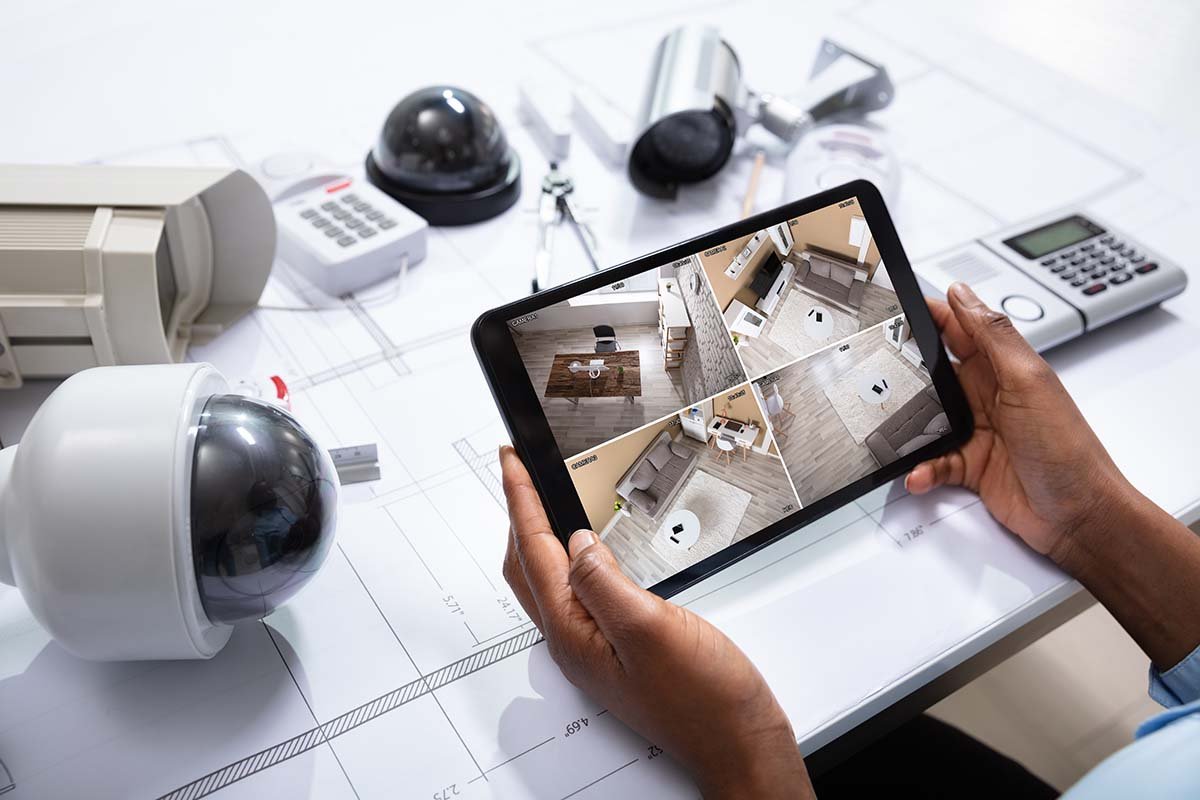
Cameras, perimeter sensing, patrol units and control-room equipment.
Take the detail with you
Asked before you ask
01 Can a patrol robot replace security officers?
No, and any supplier telling you otherwise is selling you a problem. A patrol unit covers distance a fixed camera cannot, records continuously, and puts a live view in front of an operator faster than a walked patrol. It cannot intervene, cannot detain anyone, and cannot make a judgement call at two in the morning. The sound deployments use them to extend what a smaller officer team can watch, not to replace the team.
02 Do you supply facial recognition?
It depends entirely on the destination and the intended use. Biometric identification is restricted or banned outright in a number of markets, particularly in public spaces, and the rules are still changing. We ask for the destination and a written statement of intended use before quoting anything in this area, we check what that market permits, and we decline requests we are not comfortable with. If your project depends on it, raise it in the first email rather than at order stage.
03 Who is responsible for data protection?
The operator of the system, in every market we supply. That covers how long footage is kept, where it is stored, who can view it, what signage is displayed, and how someone exercises their rights over footage of themselves. We will tell you what a given product records and where it stores it, and size the storage to the retention period you need. The policy itself is yours, and it is far cheaper to write before installation than after a complaint.
04 How secure are these devices on our network?
Cameras and recorders are among the most commonly compromised devices on any network, and the cause is nearly always a default password or firmware nobody updated. Everything leaves us patched, with credentials changed and handed over securely. After that it needs an owner: someone to apply updates, keep the devices off the general network, and manage credentials when staff change. Agree who that is at handover rather than assuming it.
05 Will this work with the video system we already run?
Usually, if the equipment supports open standards, and we prioritise lines that do. Tell us the video management system and version at enquiry stage and we will confirm compatibility per model rather than promising it generally — analytics and advanced features are the parts most likely to be vendor-specific even when basic streaming works fine.
06 What do you need in order to quote?
A site plan or aerial image with the areas you want covered, what you are protecting against, the lighting after dark, the distances involved, your retention requirement, the destination country, the quantity, and the intended use. Photographs of the site at night are worth more than any description — the gap between a scheme designed on a daytime drawing and one designed on what the site actually looks like at 3am is most of this business.
Send the site, the threat and the destination
Tell us what you are protecting, where it is and what you are protecting it against. You will hear back within two working days with the combination of sensors that covers it, what your market permits, and an indicative range.
If the task is closer to one of these, start there instead — the pricing, the lead time and the paperwork are all different.