
Equipment specified against the experiment
Robotics platforms, AI compute, sensing, prototyping and custom builds for research labs and innovation centres. Chosen for the interfaces the work needs, quoted in a form procurement will accept, and documented down to the firmware version.
A lab does not buy equipment, it buys a result it can defend
Nobody in a research group wants a robot. They want a result that survives review, and the equipment is only the means. Which is why the wrong specification here does not make the work harder, it makes the work impossible, usually after the money is committed.
So we ask what the equipment has to prove before we quote anything. What is being measured, at what resolution, under what conditions, and what has to be scripted, logged or reproduced. Send the protocol, the proposal section or even the paper you are trying to build on. It tells us more in a page than a requirements list does in ten.
Interfaces come next, and they decide more purchases in this category than any headline figure. API access, SDK, source availability and control-framework support are what separate a research instrument from a sealed appliance, and a platform that cannot be scripted is a demonstration unit whatever the brochure calls it. We confirm what is open, what is documented and what is locked, before you commit.
Then procurement, which is a technical problem of its own here. Grant money expires, tenders have formats, and institutions need itemised quotations, validity dates and end-user paperwork. We supply, configure, document and ship, with serials and firmware recorded so a second unit can be matched to the first. Installation, commissioning and institutional approvals run through partner integrators and are quoted separately.
Why labs source through us
-
Specified against the work
We ask what the equipment has to prove, then propose against that, including when a cheaper instrument is the right one.
-
Interfaces checked first
API, SDK, source access and framework support confirmed before purchase, because a sealed platform cannot do research.
-
Quotations procurement accepts
Itemised, dated, valid for a stated period, and formatted for tender or grant rules rather than for us.
-
Versions recorded and pinned
Serials, firmware and configuration logged at shipment, so a silent update cannot quietly break a dataset.
-
Repeat units matched
A second or third unit built to the first one's specification, because a fleet that differs is a variable you did not choose.
-
Export status checked early
Controlled items, end-use statements and destination rules raised at quotation, not discovered at the border.
-
Prototype terms in writing
Ownership, publication and confidentiality agreed before a custom build starts, not while a paper is being drafted.
-
Many suppliers, one order
A lab build is dozens of line items from dozens of vendors. We consolidate it into one purchase order and one delivery to chase.
Where the equipment goes
A sample rather than a limit. Send the work, the interfaces you need and the funding deadline and we will tell you which class fits, including when an off-the-shelf platform beats a custom build.
- Research laboratories
- Innovation centres
- AI research groups
- Prototype development
- University faculties & departments
- Government & national institutes
- Corporate R&D
- Startup labs & incubators
- Test & measurement labs
- Makerspaces & fabrication labs
- Proof of concept builds
- Technology demonstration centres
- Competition & student teams
- Doctoral & thesis projects
Six classes we supply and build
Robotics research platforms
Manipulators, mobile bases, cobots and humanoid or legged platforms selected for open control and documented interfaces rather than for a demonstration figure.
AI compute & edge development
Workstations, edge modules and small cluster hardware for training and inference. The class most affected by export rules and by supply that moves week to week.
Sensing, vision & measurement
Depth and thermal cameras, lidar, motion capture, force and torque sensing and data acquisition, specified to the resolution the measurement actually requires.
Prototyping & fabrication
Additive machines, desktop machining, electronics benches, board assembly and the consumables that go with them, sized to a working lab rather than a showroom.
Test rigs & controlled environments
Test cells, fixtures, enclosures and environmental equipment, so results come from conditions you set rather than from whatever the room was doing that day.
Custom prototype development
One-off builds and modifications where nothing on the market fits. Ownership, publication rights and confidentiality settled in writing before work begins.
What comes as standard
In every order. Installation, commissioning, institutional approvals, calibration services and software subscriptions are quoted separately, see the specification table for the ones that recur.
-
Specification review
Your intended work read against the datasheets before anything is proposed, with the mismatches named rather than glossed.
-
Interface statement
What is open, what is documented and what is locked, per item, in writing before you commit budget to it.
-
Itemised quotation
Line by line, dated, with a stated validity period and the format your tender or grant office needs.
-
Configuration & version record
Serial numbers, firmware and settings recorded at shipment, so the setup that produced your data can be described exactly.
-
Manufacturer documentation
Datasheets, calibration certificates and declarations as issued by the maker, forwarded rather than summarised by us.
-
Facility check
Power, bench loading, door and lift access and receiving arrangements reviewed, because a crate that cannot reach the lab is not a delivery.
-
Export & import paperwork
End-user and end-use documentation prepared with you, and the destination's rules checked before the order is placed.
-
Spares & consumables
The parts a build actually runs through, listed with the quotation so the equipment does not stop for a cable.
What is fixed and what is chosen per order
Laboratory equipment is specified around the work, the facility and the funding, so this table describes how each line gets decided. Confirmed values for your order appear on the configuration sheet before production.
- Platform classes
- Robotics research platforms, AI compute and edge, sensing and measurement, prototyping and fabrication, test rigs and controlled environments, custom prototype development
- Intended work
- Specified against what the equipment has to demonstrate or measure. Send the protocol or proposal section, it defines the requirement better than a shopping list
- Openness & interfaces
- API, SDK, source availability, control framework support and data formats confirmed per item. A platform that cannot be scripted is not a research instrument
- Compute
- Workstation, edge or small cluster hardware sized to the models you intend to run. Availability in this class moves week to week and is confirmed at quotation
- Sensing & measurement
- Resolution, sampling and synchronisation specified to the measurement, including whether separate sensors need to share a clock
- Calibration & traceability
- Certificates supplied as issued by the manufacturer where the instrument carries them. Recalibration intervals and local providers identified where traceability is required
- Firmware & versions
- Recorded at shipment and matched on repeat orders. Where a study depends on stability, we flag equipment that updates itself by default
- Matched units
- Second and subsequent units built to the first one's configuration where the manufacturer still offers it. Where a component has been superseded, you are told before order
- Custom builds
- One-off prototypes are engineered rather than picked, with scope, acceptance criteria and revision handling agreed in advance
- IP & confidentiality
- Ownership of designs, publication rights and non-disclosure agreed in writing before custom work starts. Your research direction is not shared with other customers
- Export control
- Some compute, sensing and aerial equipment is controlled or dual-use. End-user and end-use statements may be required, and some destinations cannot be supplied. Checked before order
- Import & receiving
- Duty, institutional receiving hours, dock access and internal transport confirmed. Research addresses are often buildings a lorry cannot reach
- Facility requirements
- Power supply and phase, bench or floor loading, extraction, network and space stated per item, since retrofitting a lab costs more than the equipment
- Safety & approvals
- Guarding, interlocks and enclosure options specified. Institutional safety, ethics and flight or spectrum permissions remain the institution's responsibility, and we say what is likely to be needed
- Modification & warranty
- Labs modify equipment, that is the point of it. Which modifications void manufacturer warranty is stated per item before you open the case, not after
- Consumables
- Filament, resin, tooling, cabling, batteries and the parts a working lab burns through, listed with the quotation
- Procurement format
- Itemised quotations with validity dates, tender-ready documentation and sole-source or comparison paperwork where your institution requires it
- Documentation
- Manufacturer manuals, datasheets, declarations, certification file and the configuration record for your order
- Warranty & support
- Manufacturer's terms per item, with claims raised and chased by us. Support paths for research equipment vary widely by maker and are stated per line
All specifications are confirmed on the approved configuration sheet for your order.
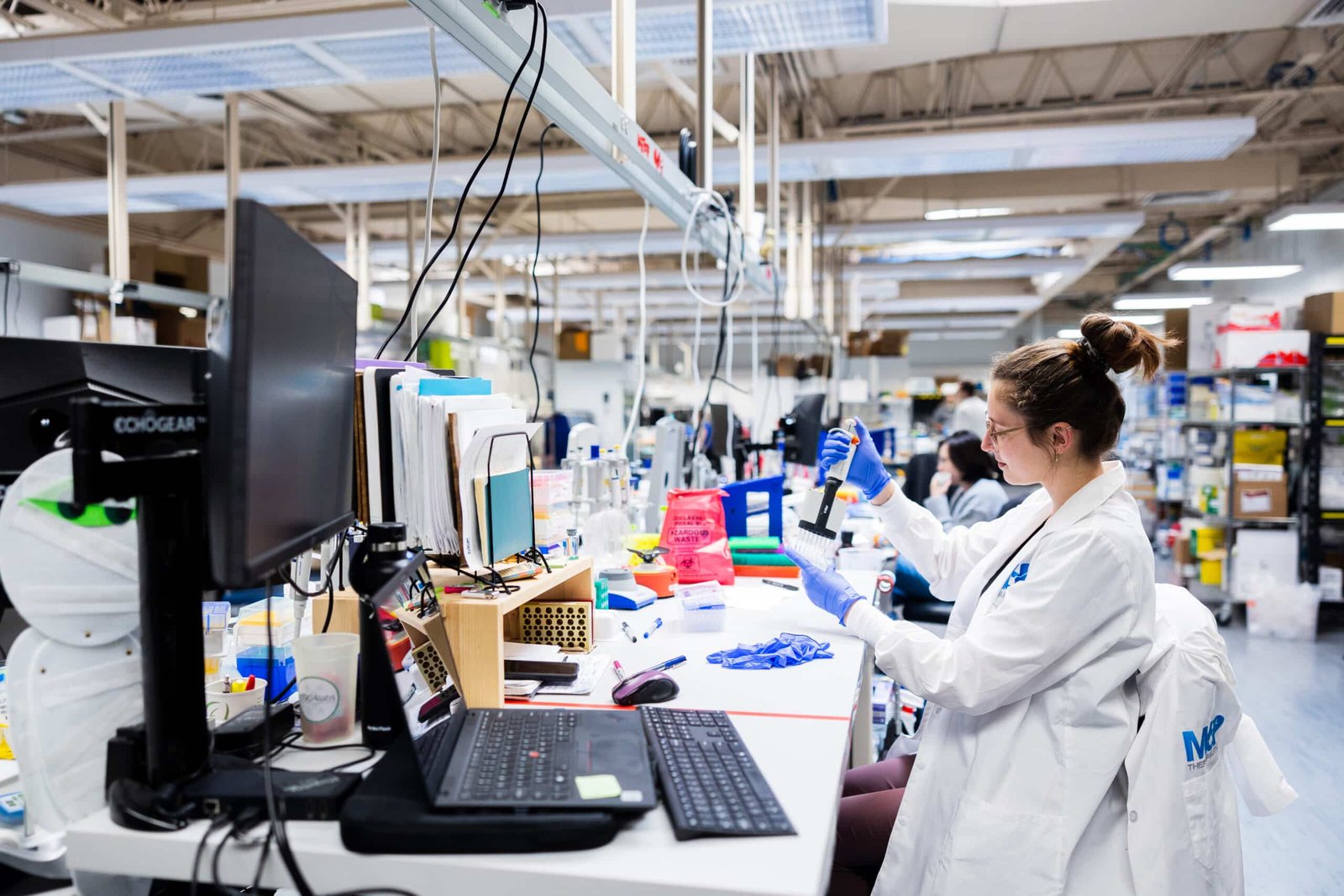
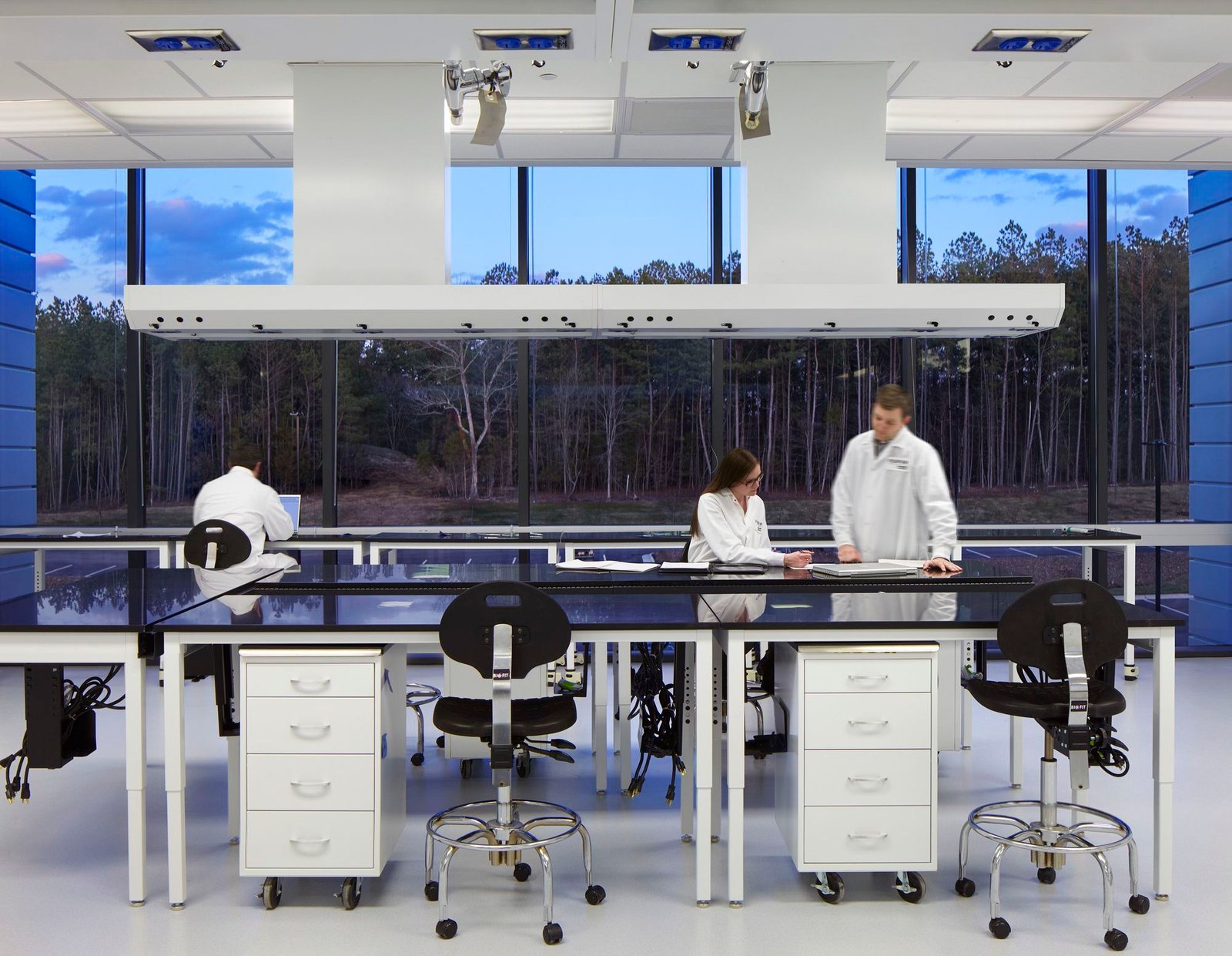
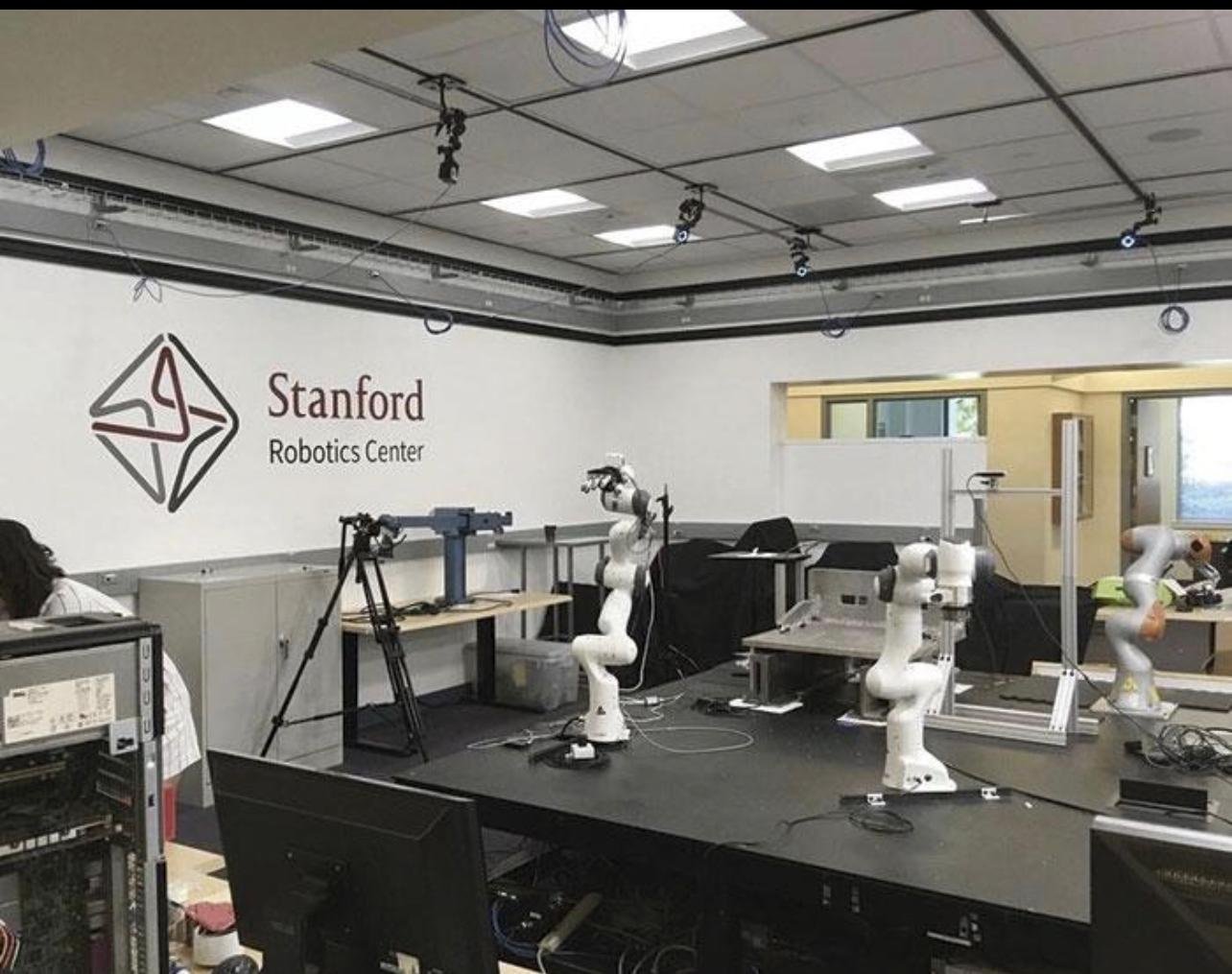
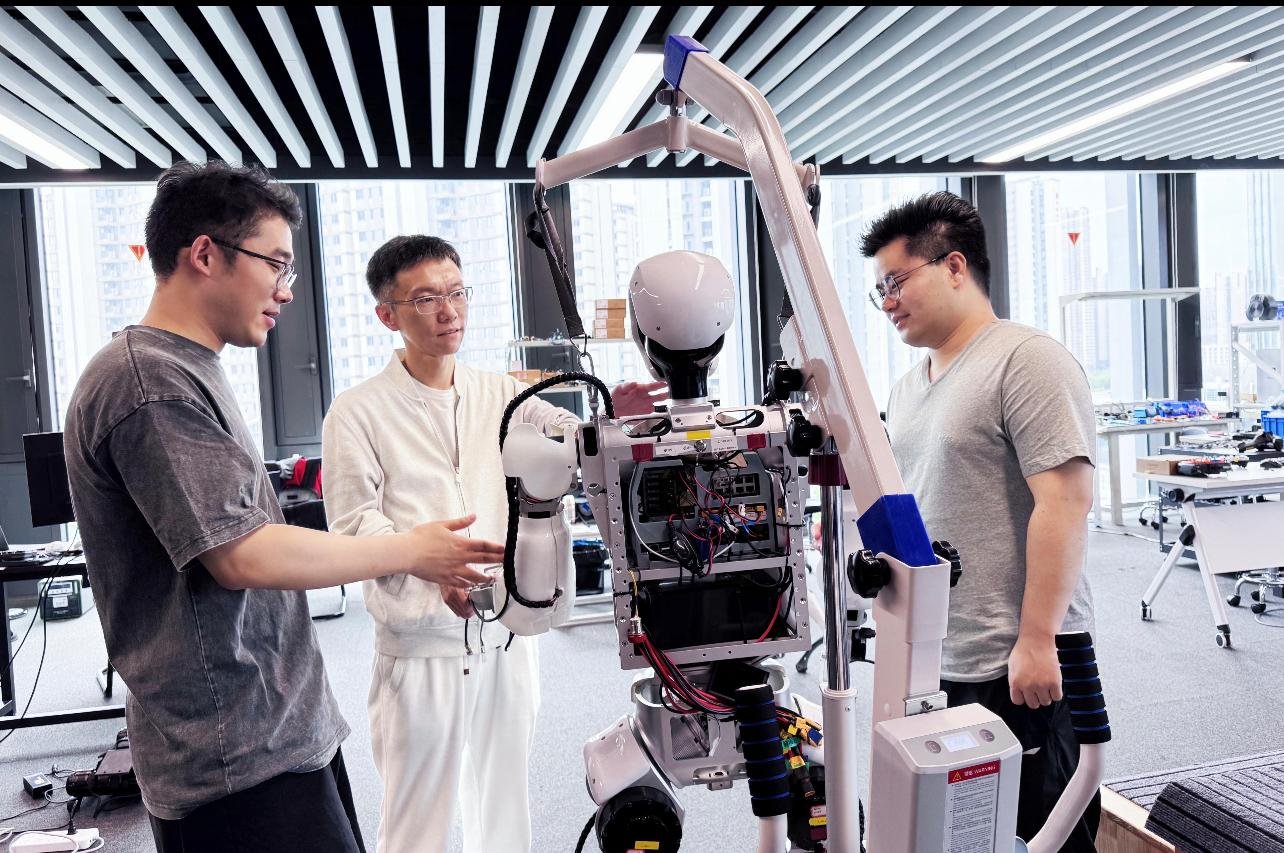
The category in use
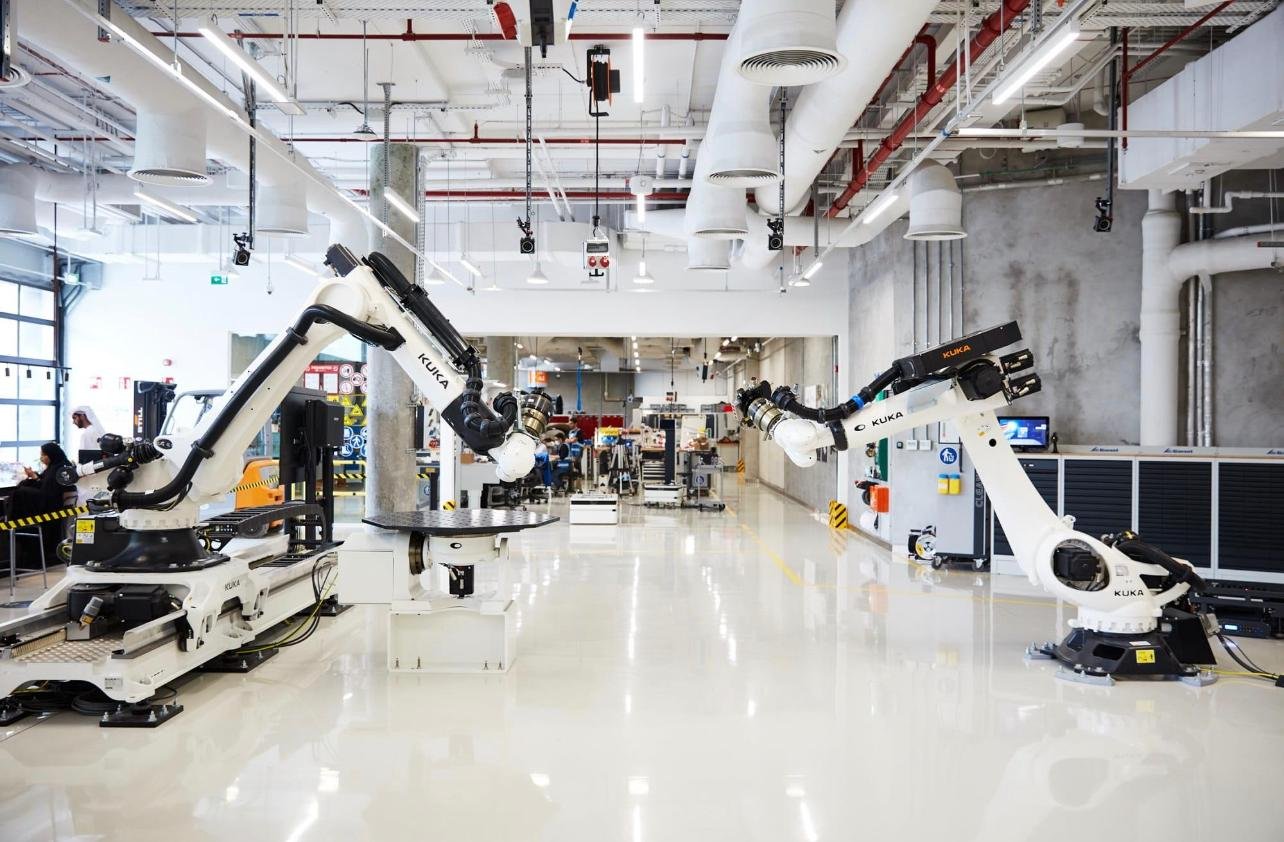
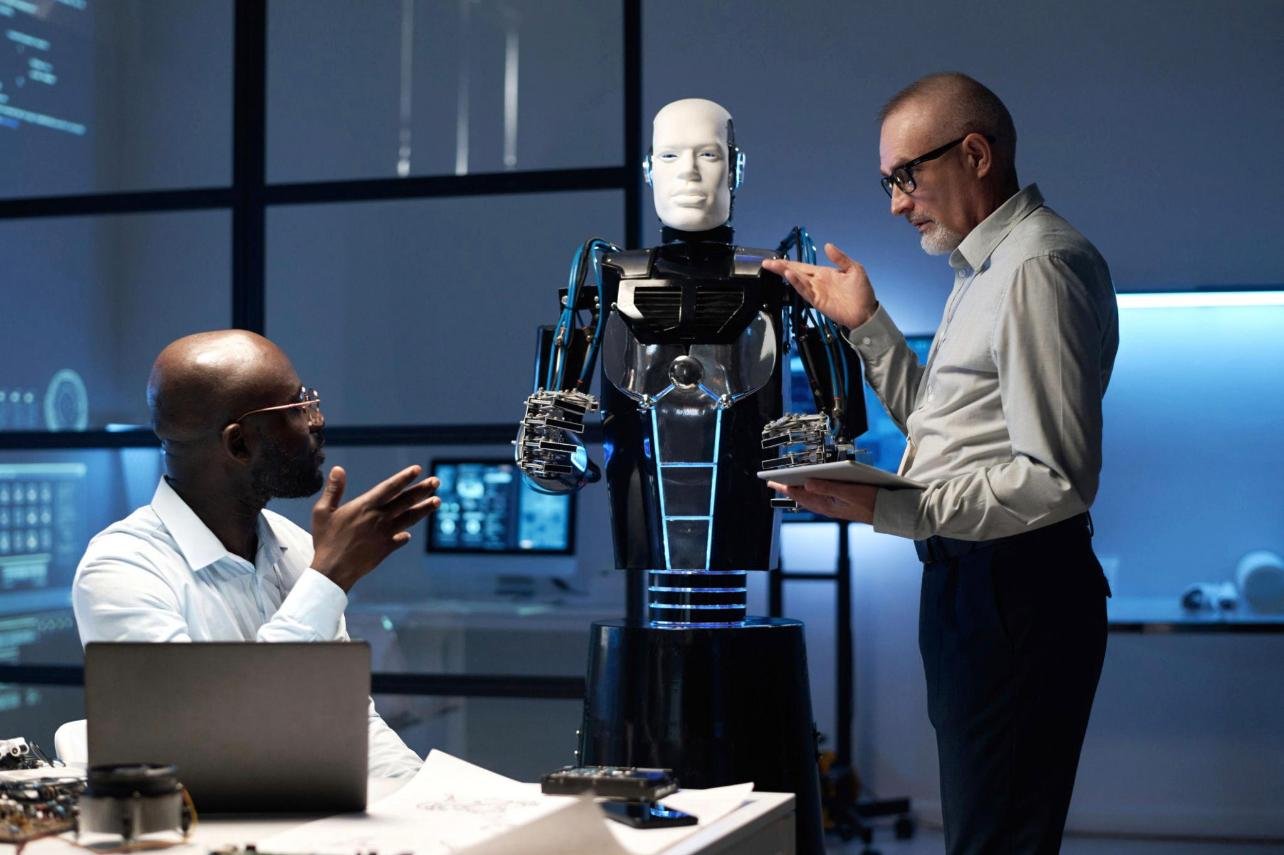
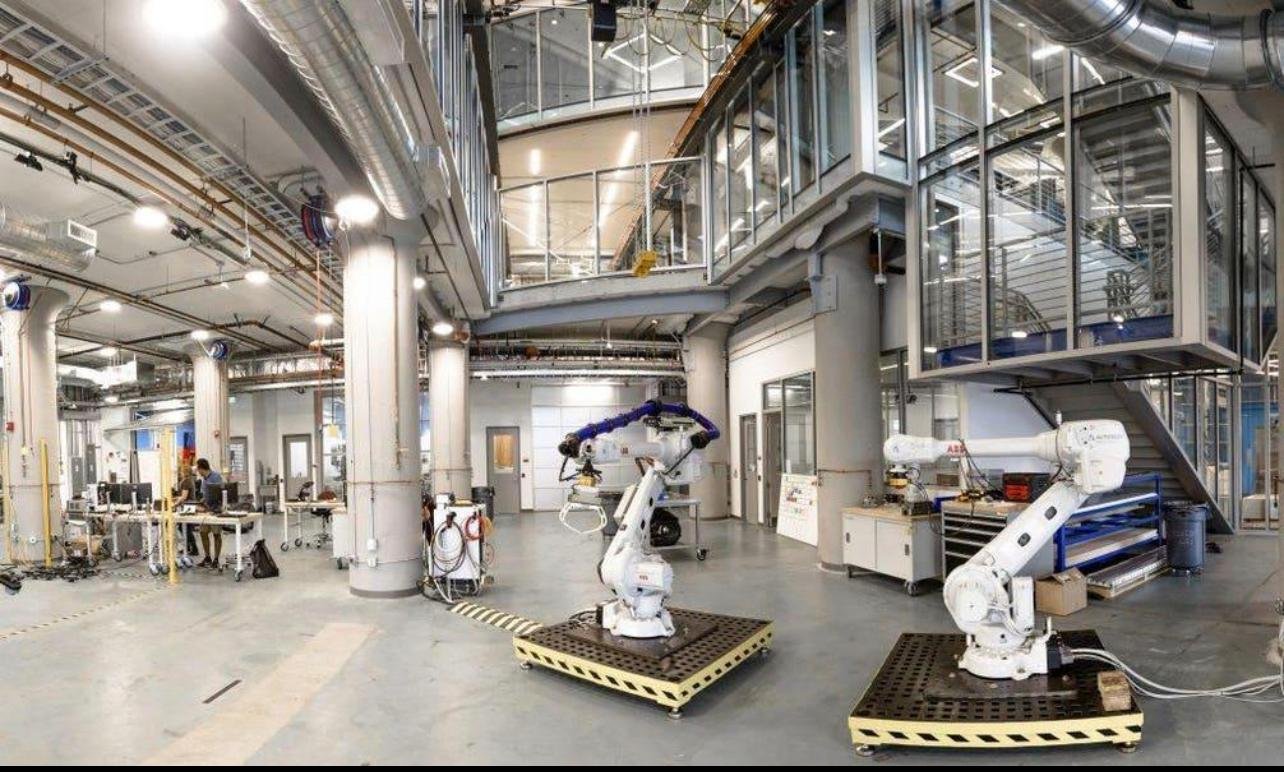
Equipment on the bench, in working laboratory conditions.


Take the detail with you
Asked before you ask
01 Can we get at the API, and can we modify it?
Ask this before you ask about performance, because it decides more of these purchases than any figure does. We state per item what is open, what is documented, what needs a licence and what is locked, and we would rather lose the line than let you find out afterwards. Where a platform is sealed, we will say so and offer something you can actually script. On modification, see the warranty answer below, opening a machine is normal in a lab and the consequences should be known first.
02 We need a second unit identical to the one we have. Can you match it?
Usually, and it is worth insisting on. We record serials, firmware and configuration at shipment precisely so a repeat order can be built to match, because a fleet whose members differ has introduced a variable nobody chose. Where a component has been superseded since the first unit, you hear that before the order rather than after commissioning. Send the original order reference or the configuration sheet and we will work from it.
03 Who owns the IP on a custom prototype?
Whatever we agree in writing before work starts, which is the only sane time to settle it. Ownership of the design, your right to publish, our right to reuse general engineering knowledge, and confidentiality in both directions all get stated at the outset. Institutions usually have their own template for this and we are happy to work to it. What we will not do is start a build on a handshake and negotiate ownership while a paper is being drafted or a patent is being filed.
04 Can you quote in a format our procurement office will accept?
Yes, and tell us the rules early. Itemised lines, stated validity periods, currency, incoterms, tender formats, sole-source justifications and comparison quotations are routine requests and none of them are a problem when they arrive in time. What causes trouble is a funding deadline nobody mentioned, so put the date the purchase order has to be raised in your enquiry and we will work backwards from it the way we would from any other deadline.
05 Is any of this export controlled?
Some of it, and it is better raised now than at a border. Certain compute hardware, sensing equipment and aerial platforms sit under export control or dual-use rules, which can mean end-user and end-use documentation, longer processing, or a destination we cannot supply at all. We check the position for your item and your country before the order is placed, and if the answer is no you will get it as an answer rather than as a delay.
06 If we take it apart, does the warranty survive?
Often not, and this matters more here than anywhere else in the division because modifying the equipment is frequently the entire point. So we state per item which changes are within the manufacturer's terms, which void them, and which sit in between. Sometimes the sensible answer is a second unit kept standard for reference while the first is modified freely. Better to plan that at quotation than to discover it during a claim.
Send the work, the interfaces and the deadline
Tell us what the equipment has to prove, what has to be open or scriptable, and the date the purchase order has to be raised. You will hear back within two working days with a specification, the export position, and an indicative range.
If the task is closer to one of these, start there instead, the pricing, the lead time and the paperwork are all different.