
Medical systems, supplied with the file that lets you use them
Surgical assistance, laboratory, pharmacy and sterile services automation for medical distributors and hospital procurement. Supplied only where the device is registered for your market, with conformity documentation, traceability records and instructions in your language.
Here the paperwork is the product
Everywhere else in this division, documentation follows the machine. In medical supply it comes first. A device that is not registered for your market cannot lawfully be placed on it, however good it is and however willing both parties are — and registration is a lead-time item measured in months, not a formality to tidy up after the order.
So the first question we ask is the destination, and the first thing we check is regulatory status there. If a system is not approved for your market we will say so at enquiry rather than quoting against a hope.
The second thing worth saying plainly: importing or distributing medical devices carries legal duties of its own, and they attach to the distributor and importer, not only to the manufacturer. Verifying conformity marking and documentation, keeping traceability records, storing and transporting to the manufacturer's conditions, passing on field safety notices and cooperating with recalls are all part of the job. We do that work and keep the records. If you are reselling onward, take proper advice on which role you occupy in your own market.
What we do not do is describe what these systems achieve clinically. That is the manufacturer's approved labelling, not a supplier's web page, and we will not extend it. Installation, electrical safety testing and biomedical acceptance are carried out by qualified people at your site, quoted separately.
Why buy medical systems through us
-
Regulatory status checked first
We confirm whether a device is approved for your market before quoting, and tell you plainly when it is not.
-
The documentation pack, complete
Declaration of conformity, instructions for use and labelling in the destination language, supplied with the goods rather than chased afterwards.
-
Traceability kept
Device identifiers, serial and batch records held against every consignment, which is what a recall or an audit actually needs.
-
Handled to the manufacturer's conditions
Storage and transport within the stated limits, with sterile barriers and packaging integrity protected in transit.
-
Safety notices passed on
Field safety notices and recall information reach you from us, promptly, with the affected serials identified.
-
Qualified installation arranged
Installation, electrical safety testing and biomedical acceptance through people qualified to do them, quoted as a clear separate line.
-
Service & calibration planned
Service intervals, calibration and consumable supply agreed at order, because a device out of service schedule is a device out of use.
-
No claims we cannot stand behind
We quote the manufacturer's approved intended use and nothing beyond it. Anyone promising more is creating a problem for you.
Who we supply
A sample rather than a limit. Tell us the setting and the destination and we will confirm what is available to that market.
- Public hospitals
- Private hospital groups
- Day surgery centres
- Pathology & diagnostic laboratories
- Blood banks & transfusion services
- Hospital pharmacies
- Compounding pharmacies
- Sterile services departments
- Imaging centres
- Research & university laboratories
- Teaching hospitals
- Veterinary hospitals
- Medical device distributors
- Ministry & tender procurement
Six classes we source and supply
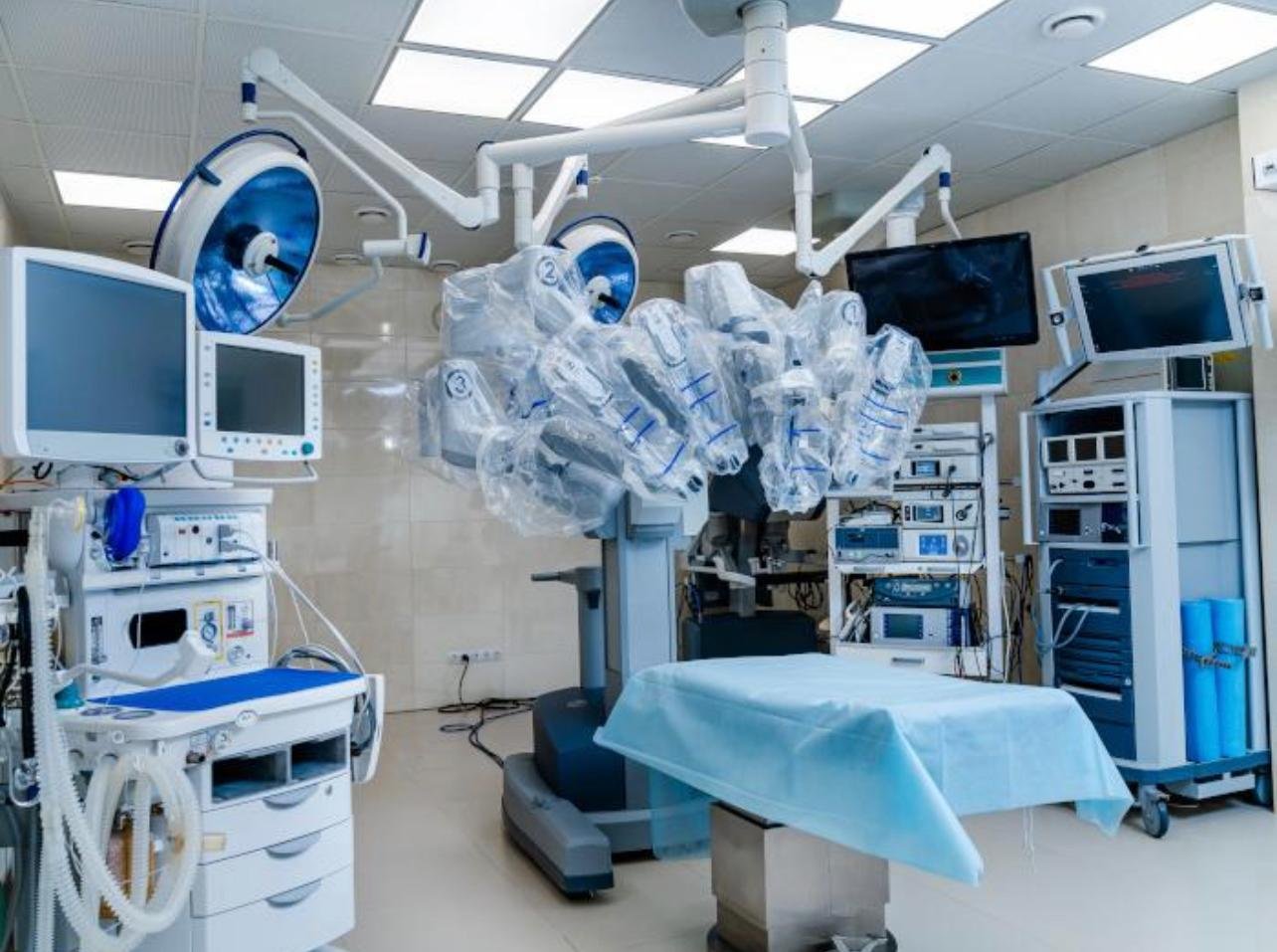
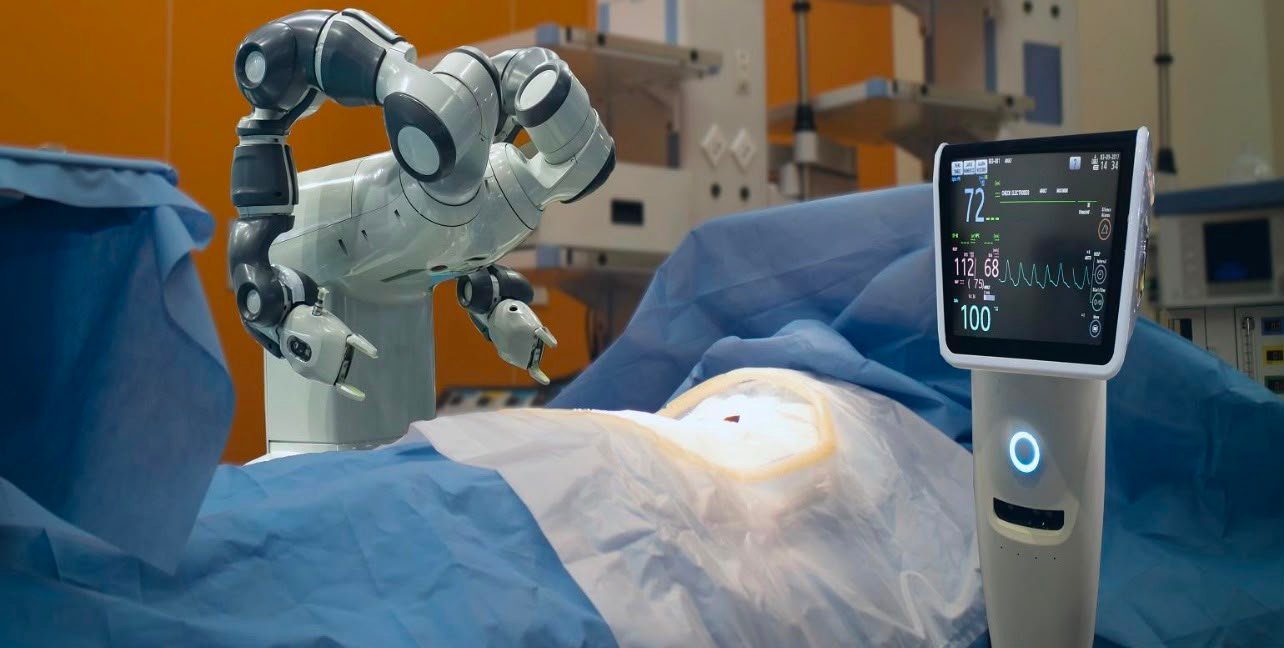
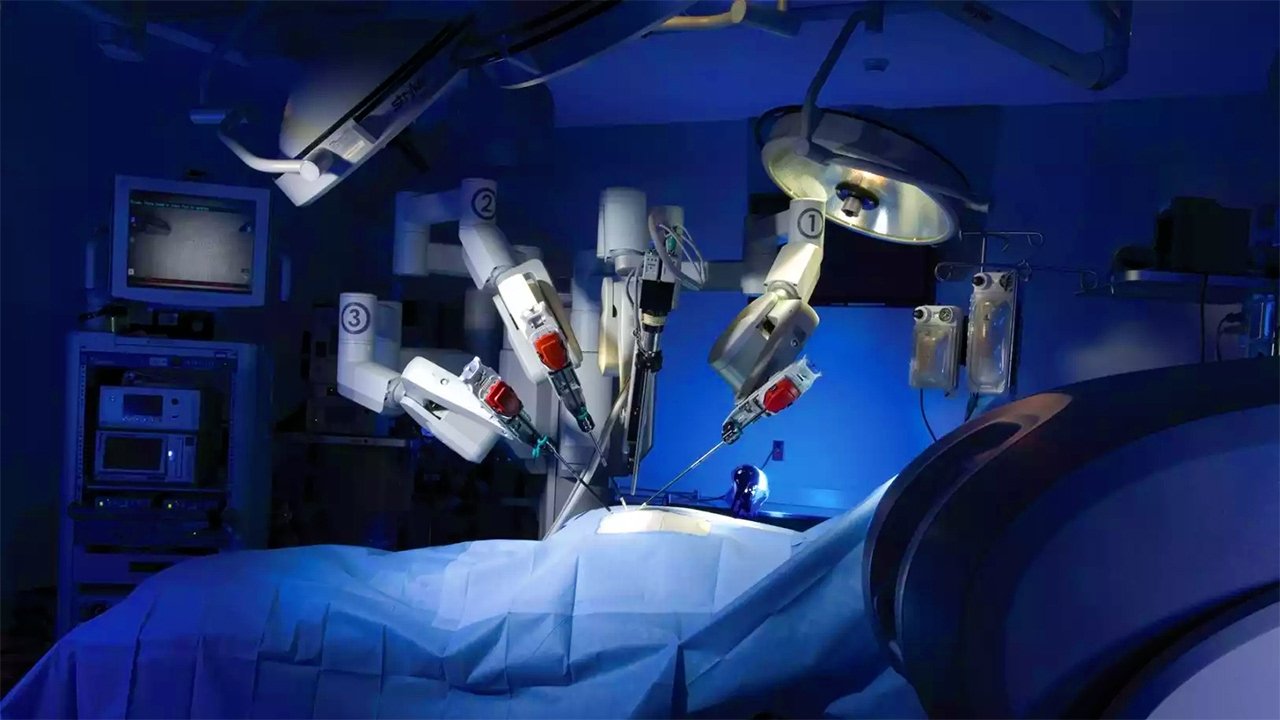
Surgical assistance systems
Theatre systems and their instruments, accessories and consumables. The most heavily regulated class here, and the one where registration status decides everything.
Laboratory automation
Sample handling, sorting, pipetting and track systems for pathology and research laboratories, supplied to work with the analysers already installed.
Pharmacy automation
Dispensing cabinets, storage and retrieval and compounding equipment for hospital and compounding pharmacy environments.
Sterile services
Washer, tracking and handling equipment for sterile services departments, where instrument traceability is as important as the machine itself.
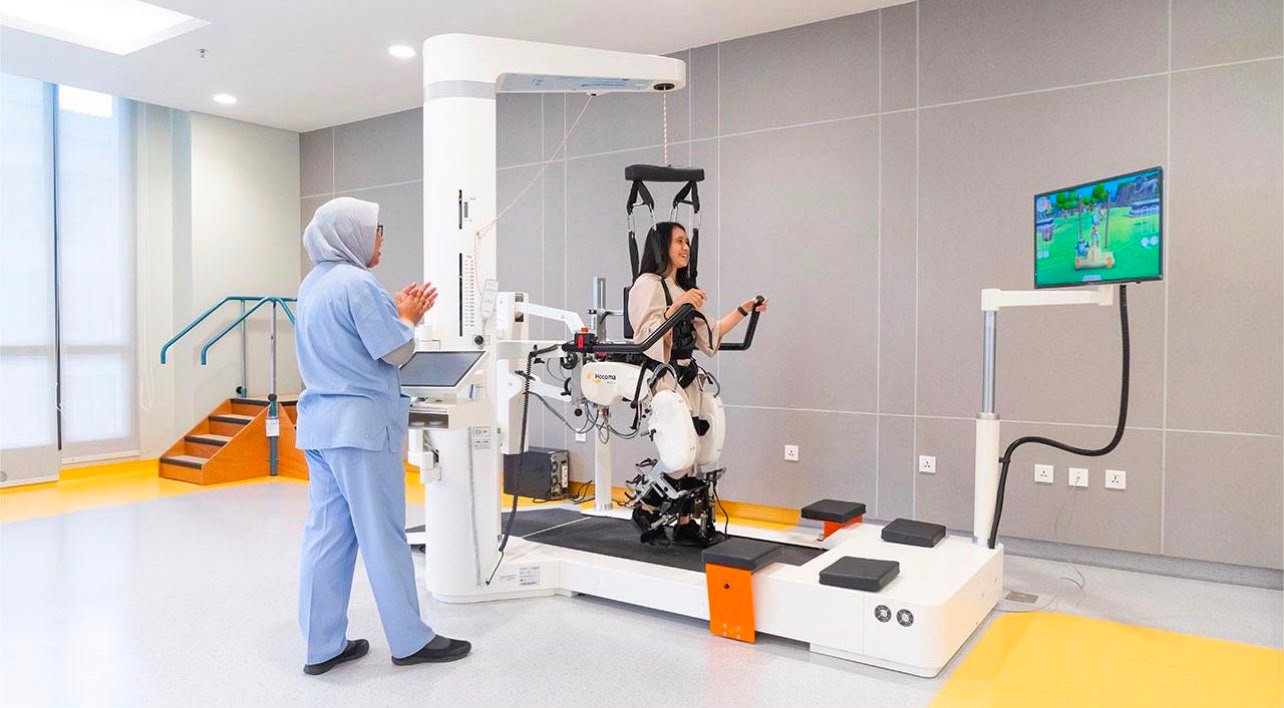
Imaging & positioning support
Patient positioning and imaging support equipment, specified with the room, the imaging system and any shielding requirement in mind.
Clinical logistics
Transport robots for samples, medicines, linen and waste within hospital buildings. Non-clinical by function, and usually the easiest class to deploy first.
What comes as standard
In every order. Installation, electrical safety testing, validation and biomedical acceptance are carried out by qualified people at your site and quoted separately — they are not something that ships in a crate.
-
Device in its approved configuration
Supplied as the manufacturer's registered configuration for your market, with the accessories that belong to it.
-
Conformity documentation
Declaration of conformity and certificates supplied with the consignment, matched to the serial numbers shipped.
-
Instructions in your language
Instructions for use and labelling in the destination language, which is a legal requirement in most markets rather than a courtesy.
-
Identifiers & traceability records
Device identifiers, serial and batch numbers recorded against the consignment and retained.
-
Handling within stated limits
Storage and transport conditions kept to the manufacturer's requirements, with packaging and sterile barriers protected.
-
Pre-shipment check record
Condition, configuration, serial numbers and documentation verified against the order before dispatch.
-
Installation checklist
What the room, power, network and biomedical department need to have ready before the equipment arrives.
-
Spares & consumables schedule
Service intervals, calibration requirements and the consumables the system needs, listed at order rather than discovered later.
What is fixed and what is chosen per order
Medical systems are specified around the destination's regulatory requirements and your department, so this table describes how each line gets decided. Confirmed details for your order appear on the configuration sheet before shipment.
- System classes
- Surgical assistance, laboratory automation, pharmacy automation, sterile services, imaging and positioning support, clinical logistics
- Regulatory status
- Availability depends on the device being registered or approved for the destination market. Confirmed before quotation — this is the first check, not the last
- Intended use
- As stated in the manufacturer's approved labelling. We supply against that intended use and do not extend it, informally or otherwise
- Classification
- Risk classification differs between regulatory systems and determines the evidence, registration route and timescale in your market
- Labelling & instructions
- Instructions for use and labelling supplied in the destination language, which is a legal requirement in most markets
- Identification & traceability
- Device identifiers, serial and batch records held against each consignment, and retained for the period the destination requires
- Storage & transport
- Kept within the manufacturer's stated conditions throughout, with packaging integrity and any sterile barrier protected
- Installation
- Carried out by qualified personnel at your site, with the room, services and network requirements issued in advance as a checklist
- Electrical safety
- Testing to the applicable medical electrical standard at installation and at the intervals your policy and local rules require
- Acceptance
- Biomedical engineering acceptance and any validation required by your institution before clinical use. We supply the documentation this depends on
- Reprocessing
- Cleaning, disinfection and sterilisation only as the instructions for use permit. Single-use items are single-use — reprocessing them is a decision no supplier can authorise
- Consumables
- Manufacturer-specified consumables and accessories. Substituting a third-party consumable can invalidate both the warranty and the device's conformity
- Service & calibration
- Intervals, calibration and planned maintenance stated per system and agreed at order, with records kept for your audits
- Network & data
- Where a system connects to hospital systems or handles patient data, information governance and cybersecurity requirements are agreed with your IT department before installation
- Vigilance & recalls
- Field safety notices and recall information passed to you promptly with affected serials identified. Reporting incidents to your authority is a duty that sits with the user and, in many markets, with the distributor too
- Training
- Clinical and biomedical training arranged with the manufacturer or an approved trainer. Competence records remain the employer's responsibility
- Documentation
- Conformity declaration, certificates, instructions for use, test records and traceability data, supplied with the consignment
- Warranty
- Manufacturer's terms per system, stated on the quotation; claims raised and chased by us with the manufacturer
All specifications are confirmed on the approved configuration sheet for your order, and are subject to the device's approved labelling for your market.
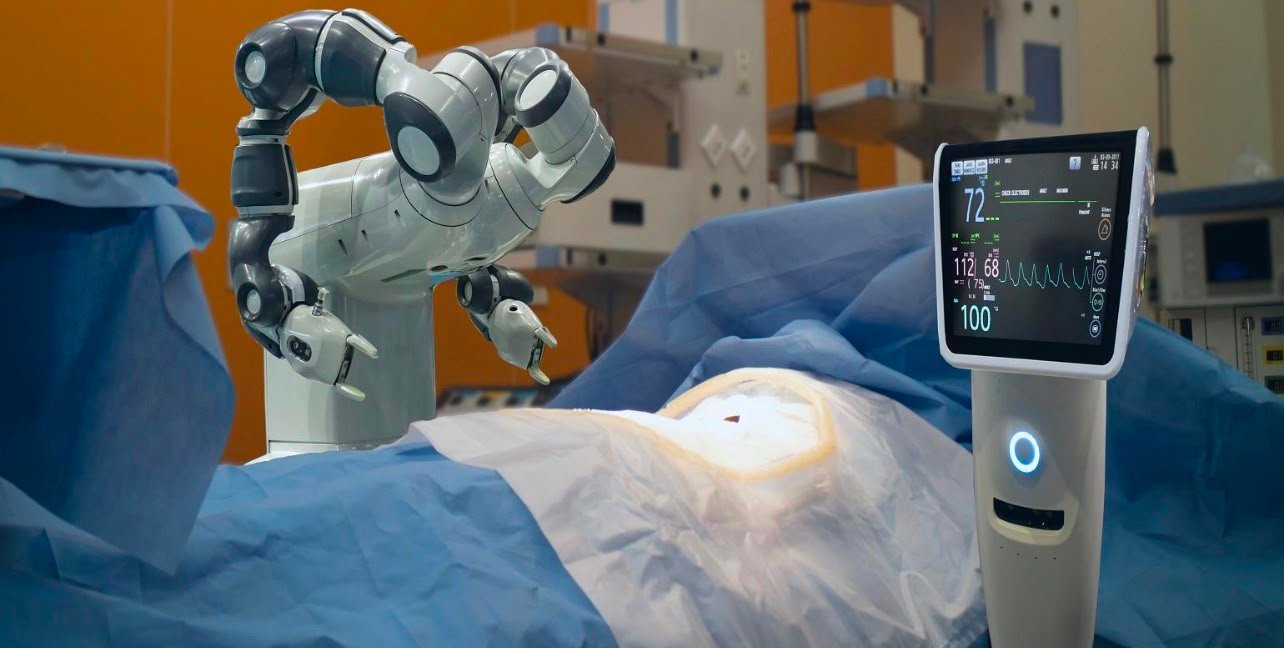
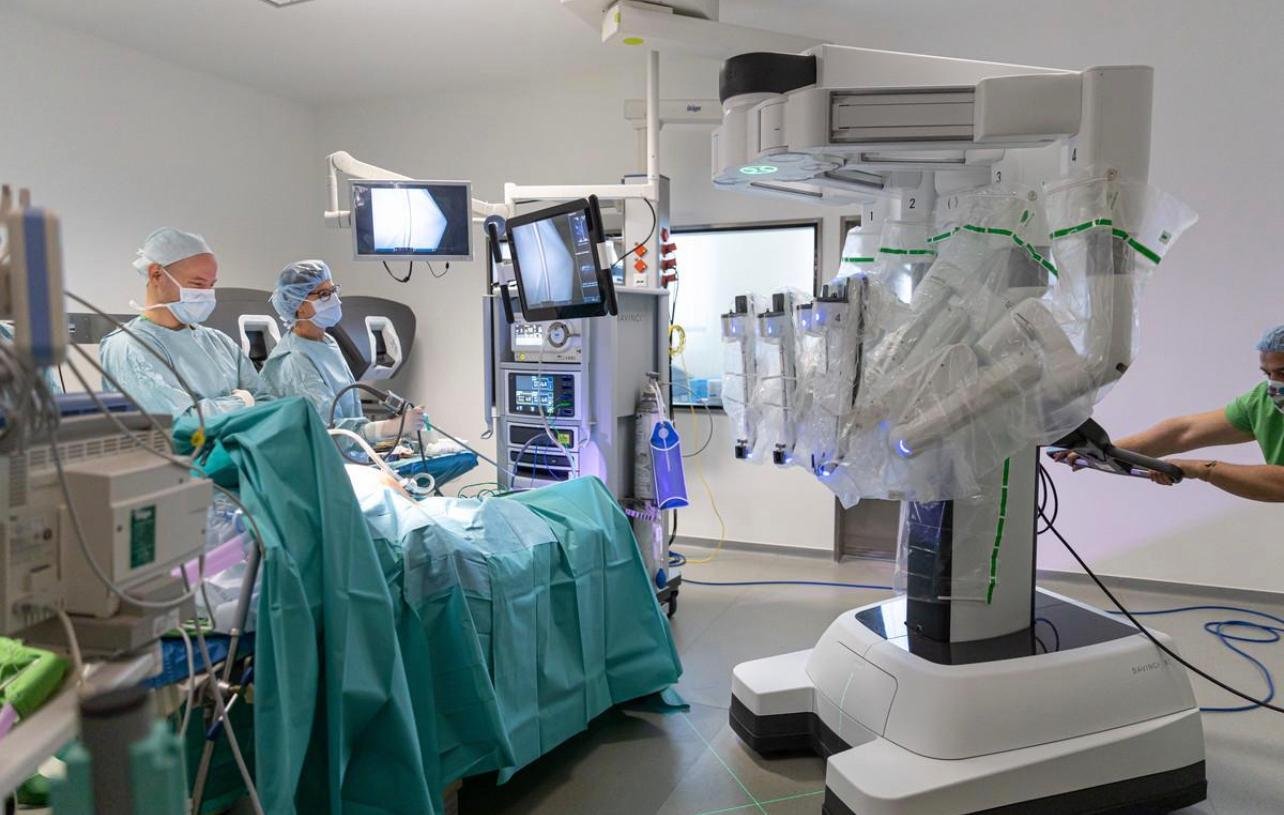
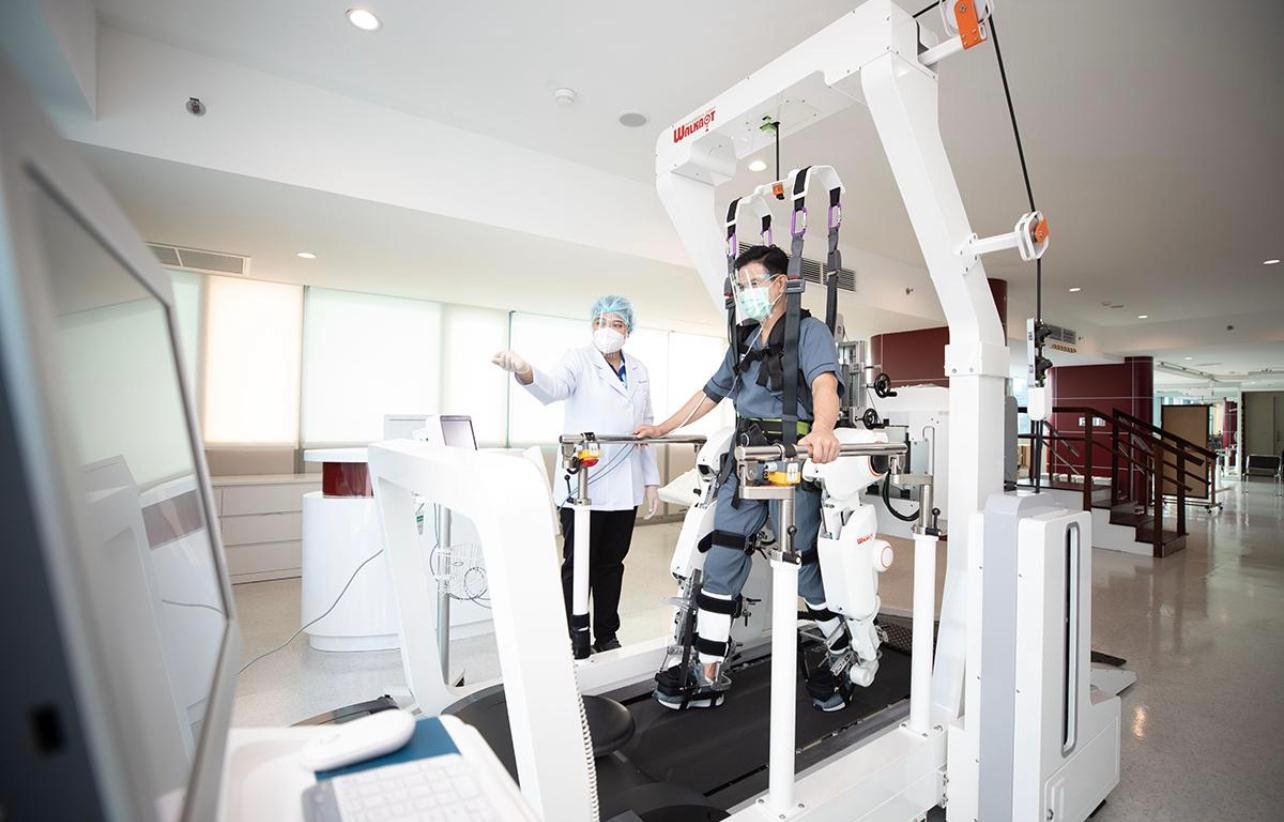
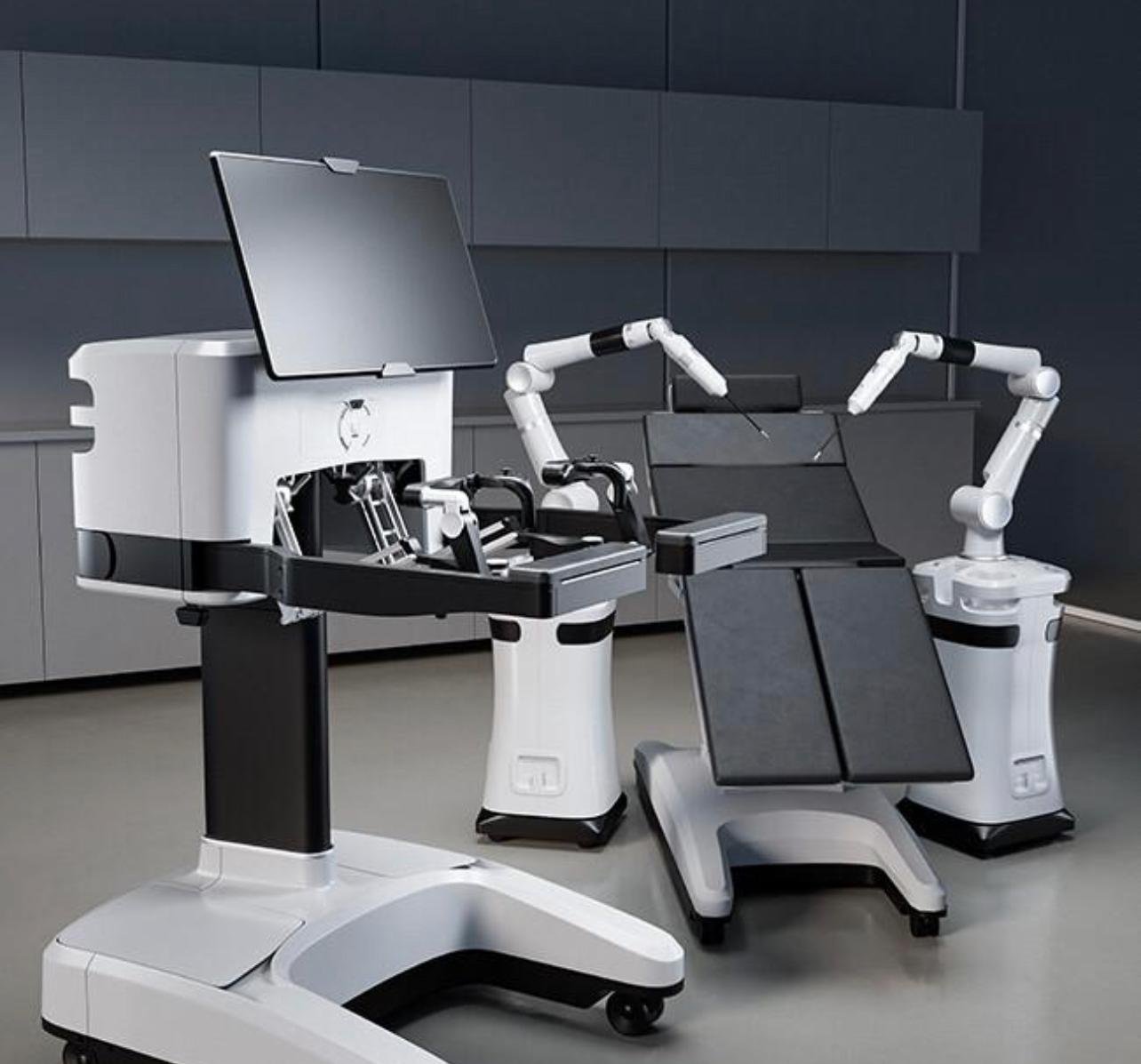
Equipment, in the departments it serves
Systems and installations from the classes we supply.


Take the detail with you
Asked before you ask
01 Can you supply this device into our country?
Only if it is registered or approved for that market. Approval in one country does not carry over to another, the classification can differ between systems, and where registration still has to be obtained it is measured in months. That is why the destination is the first question we ask. If the answer is no, you will hear it at enquiry stage rather than after a deposit.
02 What are our obligations if we resell?
More than most first-time distributors expect. Depending on your market and your role, they typically include verifying conformity marking and documentation before supply, keeping traceability records, storing and transporting within the manufacturer's conditions, passing on field safety notices, cooperating with recalls and reporting incidents. We do our part and hand you the records you need for yours — but take proper advice on which role you occupy locally. It is not a question a supplier should be answering for you.
03 Do you install and commission it?
Through qualified people, and quoted as a separate line. Installation, electrical safety testing and any validation your institution requires are carried out by personnel trained on the system, and your biomedical engineering department signs it off before clinical use. We issue the room, power, network and services checklist in advance so nothing is discovered on the day the crate arrives.
04 Can we use third-party consumables?
Check the instructions for use before you do. Substituting a consumable or accessory that the manufacturer has not specified can invalidate the warranty and, more seriously, can affect the device's conformity — at which point the responsibility shifts in ways most buyers have not budgeted for. The same applies to reprocessing single-use items: if the instructions say single use, that is not a supplier's decision to override.
05 What happens if there is a safety notice or recall?
You hear from us, quickly, with the affected serial numbers identified — which is precisely why we keep traceability records against every consignment rather than treating them as filing. We coordinate with the manufacturer on the corrective action. Reporting an incident to your own authority remains a duty of the user, and in many markets of the distributor as well.
06 What do you need in order to quote?
The destination country first, then the department and setting, the system class or the specific device if you already know it, the quantity, whether you are the end user or reselling, your required documentation language, and your timeline. If you are buying against a tender, send the specification — it usually states registration and documentation requirements that decide what can be offered at all.
Start with the destination
Tell us the country, the department and what you need. You will hear back within two working days with what is available for that market, what documentation comes with it, and an indicative range.
If the requirement is closer to one of these, start there instead — the regulatory route, the documentation and the lead times are all different.