
When you need more
than the crate
Cell design, installation, programming, safety validation and commissioning — delivered by partner integrators in the regions where we have them, quoted as a clear separate line on the same order as the equipment.
We supply. Partners install. Both are on one quotation.
Every other page in this division says the same thing: we supply, configure, test and ship, and the engineering work on your floor is handled by partner integrators. This page is that separate line, explained properly.
The split is deliberate and worth understanding before you buy. We are a wholesaler with buying power, stock and logistics. An integrator is an engineering business with people who know your process, your controls and your building, usually within driving distance of it. Pretending to be both would make us worse at the first and unconvincing at the second.
What that means in practice is a three-party arrangement, and three-party arrangements are where things fall between people. So we say plainly who holds what: AXION supplies the equipment and coordinates the contract; the partner integrator carries out the design, installation, programming and commissioning, and holds the professional responsibility for that work. One written scope covers both halves, so there is no gap for a problem to live in.
Two things follow that most buyers do not think to ask about. Combining compliant machines into a working cell usually creates a new machine in the legal sense, and someone has to assess and declare it — that is the integrator or you, never the equipment supplier. And whoever writes the programs should hand over the source, the backups and the passwords, or you cannot change integrator later without starting again.
Why route integration through us
-
One order, two halves
Equipment and integration quoted together and itemised separately, so you can see exactly what each part costs.
-
Partners we have worked with
Integrators we have delivered through before, in the regions where we have them — and we say so when we do not.
-
Responsibilities in writing
Who designs, who declares, who signs off and who you call, agreed before work starts rather than after an issue.
-
Hardware questions answered fast
Your integrator deals with us directly on lead times, spares and configuration instead of chasing a factory abroad.
-
Your own integrator welcome
If you already have one you trust, keep them. We will supply the equipment and support them on the technical detail.
-
Handover defined up front
Programs, source, backups, passwords and documentation listed as deliverables, so you are never locked to one supplier.
-
Spares from the same source
The parts that keep the cell running come from the people who supplied it, at the terms already agreed.
-
An honest no
Some jobs are simpler than the integration around them. We will tell you when a fixture or a person beats a robot.
Where integration is the difference
A sample rather than a limit. The pattern is always the same: hardware alone would sit idle without the work that ties it into what you already run.
- Retrofitting a running production line
- Machine tending on existing machines
- End-of-line packing & palletising
- Welding & fabrication cells
- Assembly stations
- Vision inspection on a line
- Mobile robots in an existing warehouse
- Conveyor & sortation tie-ins
- Laboratory & process automation
- Legacy control system upgrades
- Multi-site rollouts to one standard
- Relocating an existing cell
- Taking over an abandoned installation
- Expanding a working system
Six scopes our partners deliver
Feasibility & concept
Walking the floor, timing the process and establishing whether automation is justified at all — before anyone pays for design. The cheapest stage to stop at.
Cell design & simulation
Layout, reach, cycle and traffic modelled and shown to you, so problems surface on screen rather than on your floor.
Installation & controls
Mechanical installation, guarding, electrical work, panels and the wiring that connects new equipment to what is already there.
Programming & software
Robot programs, PLC logic, vision configuration and interfaces to your ERP, WMS or MES — the layer that makes the machine do your job rather than a generic one.
Safety & compliance
Risk assessment, guarding design, functional safety and the technical file for the completed installation. Legally significant work, and the reason integration is not a fitting job.
Commissioning & handover
Site acceptance, operator training, documentation, program backups and the support arrangement that starts the day production does.
What every integration order includes
Regardless of scope or partner. The engineering itself varies by project; these are the things that should never be optional and too often are.
-
A single written scope
Equipment and integration in one document, itemised, so nothing sits in the gap between two contracts.
-
Named responsibilities
Who designs, who installs, who declares conformity and who you call at 3am, written down before work starts.
-
Acceptance criteria agreed
What "finished" means, tested against something written rather than argued about at the end.
-
Programs & source handed over
Robot programs, PLC code, backups and passwords delivered to you. Without them you cannot change supplier.
-
As-built documentation
Drawings, wiring, network details and the safety file for the installation as it actually ended up, not as first drawn.
-
Operator & maintenance training
For the people who will run and fix it, on the installed system, before the integrator leaves site.
-
Spares list for the cell
Not just the robot — grippers, sensors, cables and the consumables the installation depends on.
-
Support arrangement from day one
Response times and what is covered, agreed at order rather than negotiated during a stoppage.
Who does what, and where the line sits
Integration is a service rather than a product, so this table sets out the arrangement rather than a specification. The detail for your project is confirmed in the written scope before work starts.
- AXION supplies
- Equipment, configuration, testing, documentation, freight and spares — and coordination of the integration contract alongside it
- The partner delivers
- Feasibility, design, installation, controls, programming, safety validation, commissioning and training, and holds the professional responsibility for that work
- You provide
- Site access, services, the process knowledge nobody else has, and the decisions the project waits on. Automation projects stall on customer decisions more often than on engineering
- Regional availability
- Partners exist in some regions and not others. Where we have no partner near you we will say so and support your own integrator instead of promising coverage we do not have
- Using your integrator
- Entirely welcome. We supply the equipment and deal with them directly on configuration, lead times and spares
- Scope definition
- One written scope covering both halves, itemised, with acceptance criteria agreed at the start. This single document prevents most disputes in this category
- Safety responsibility
- Combining compliant machines into a working installation usually creates a new machine in the legal sense. Assessing and declaring it is the integrator's or the operator's duty, and it is never the equipment supplier's
- Risk assessment
- Carried out for the installed system in its real environment. A robot that is safe on a datasheet is not automatically safe next to your conveyor
- Existing equipment
- Tying into machines you already own may affect their conformity or warranty. Checked before work starts, not discovered during commissioning
- Programs & source code
- Handed over to you as a deliverable, with backups and passwords. Without this you cannot change integrator or maintain the system independently — ask for it in writing
- Data & network
- Where the installation connects to your systems, access, segmentation and cybersecurity are agreed with your IT before commissioning
- Acceptance
- Factory acceptance where the scope includes it, then site acceptance against the written criteria. Payment stages usually follow these points
- Warranty split
- Equipment warranty is the manufacturer's, handled by us. Workmanship and the integrated system are the integrator's. Both are stated on the quotation so neither is a surprise
- Support after handover
- Response times, what is covered and who answers, agreed at order. Hardware faults come to us; system behaviour goes to the integrator
- Cost variability
- Integration cost depends on your building, your controls and how much your process has to change. The same equipment in two plants can differ substantially, which is why we quote per project rather than by formula
- When not to automate
- Where volumes are low, product changes constantly or the task is genuinely irregular, integration cost outweighs the benefit. We would rather say so at feasibility than deliver a cell you switch off
All responsibilities are confirmed in the written scope agreed before work begins.
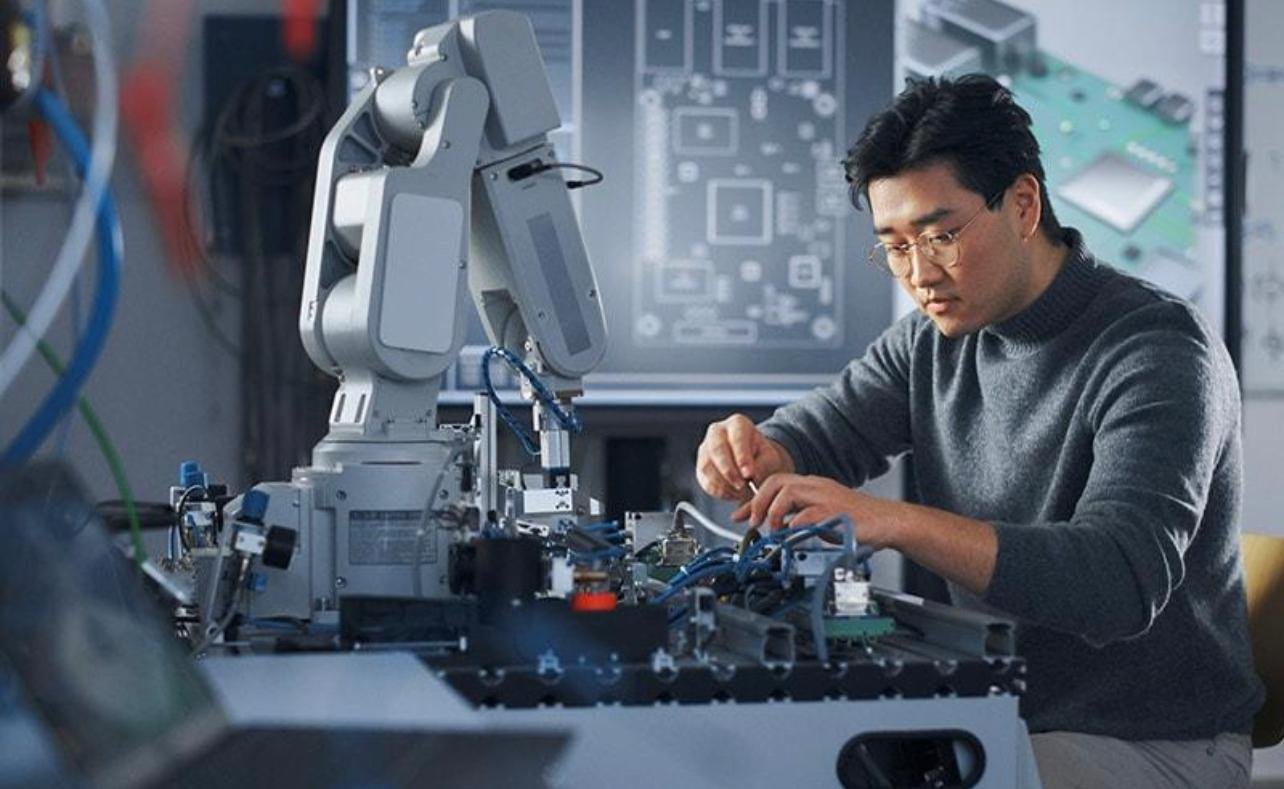
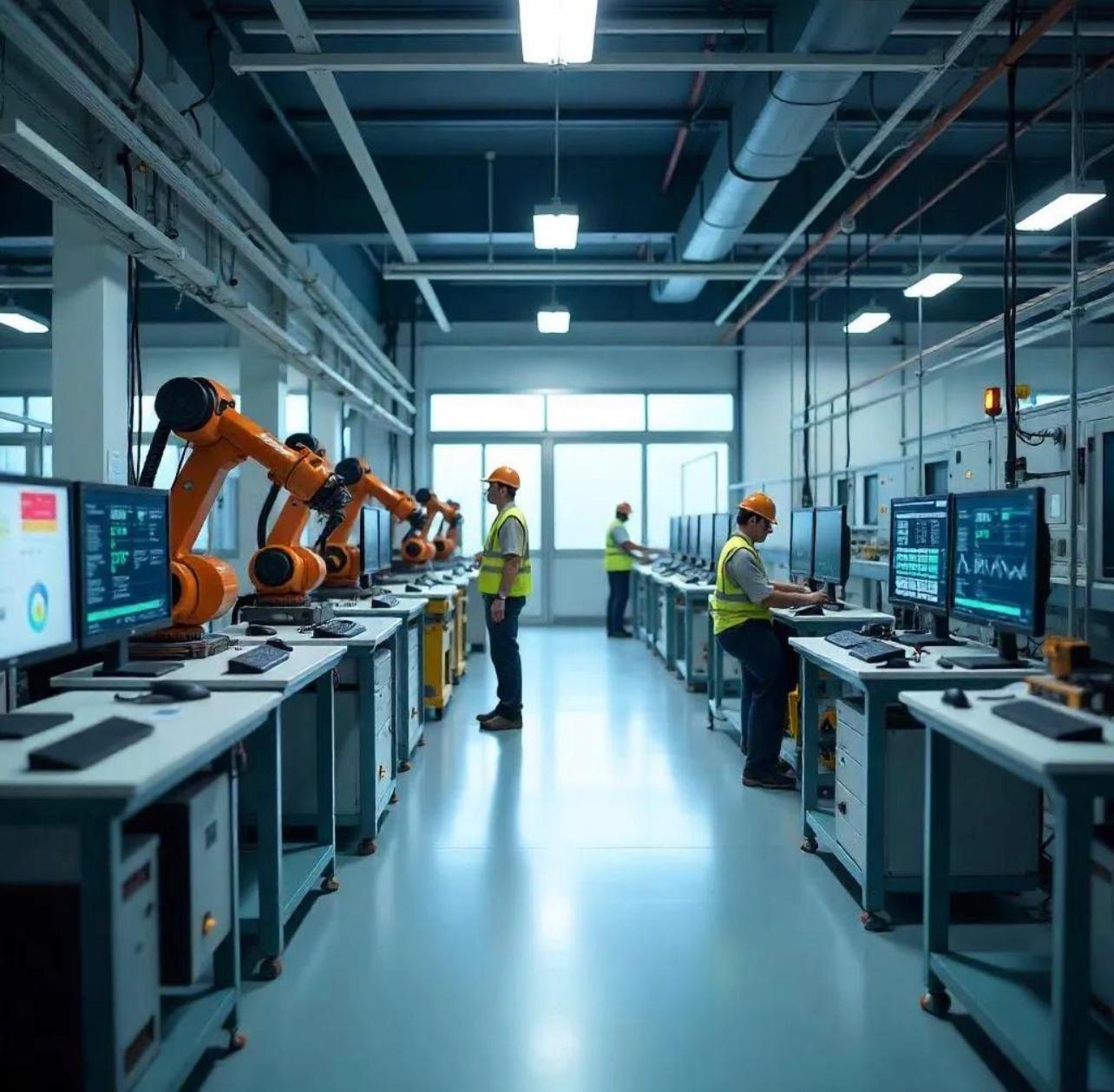
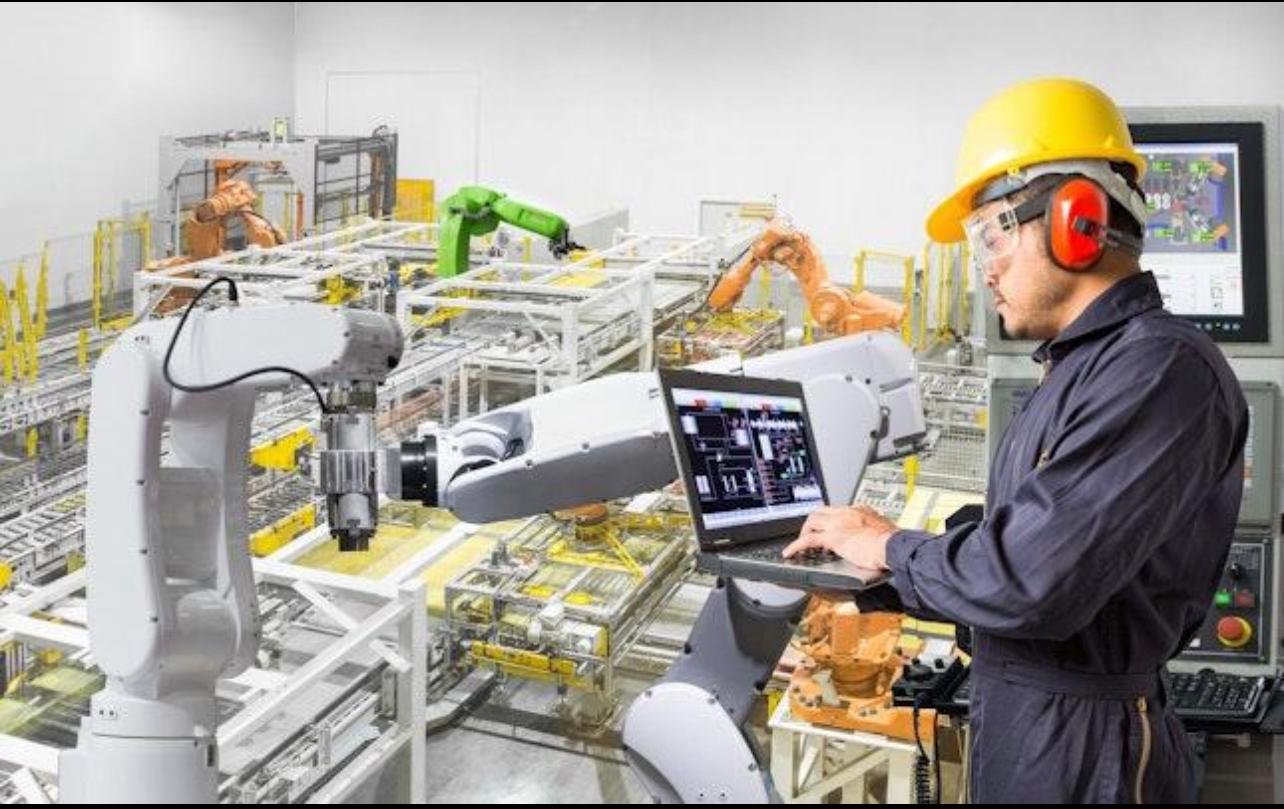
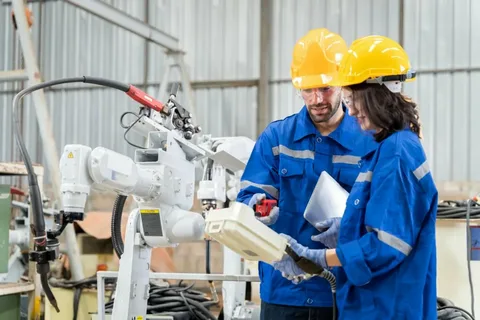
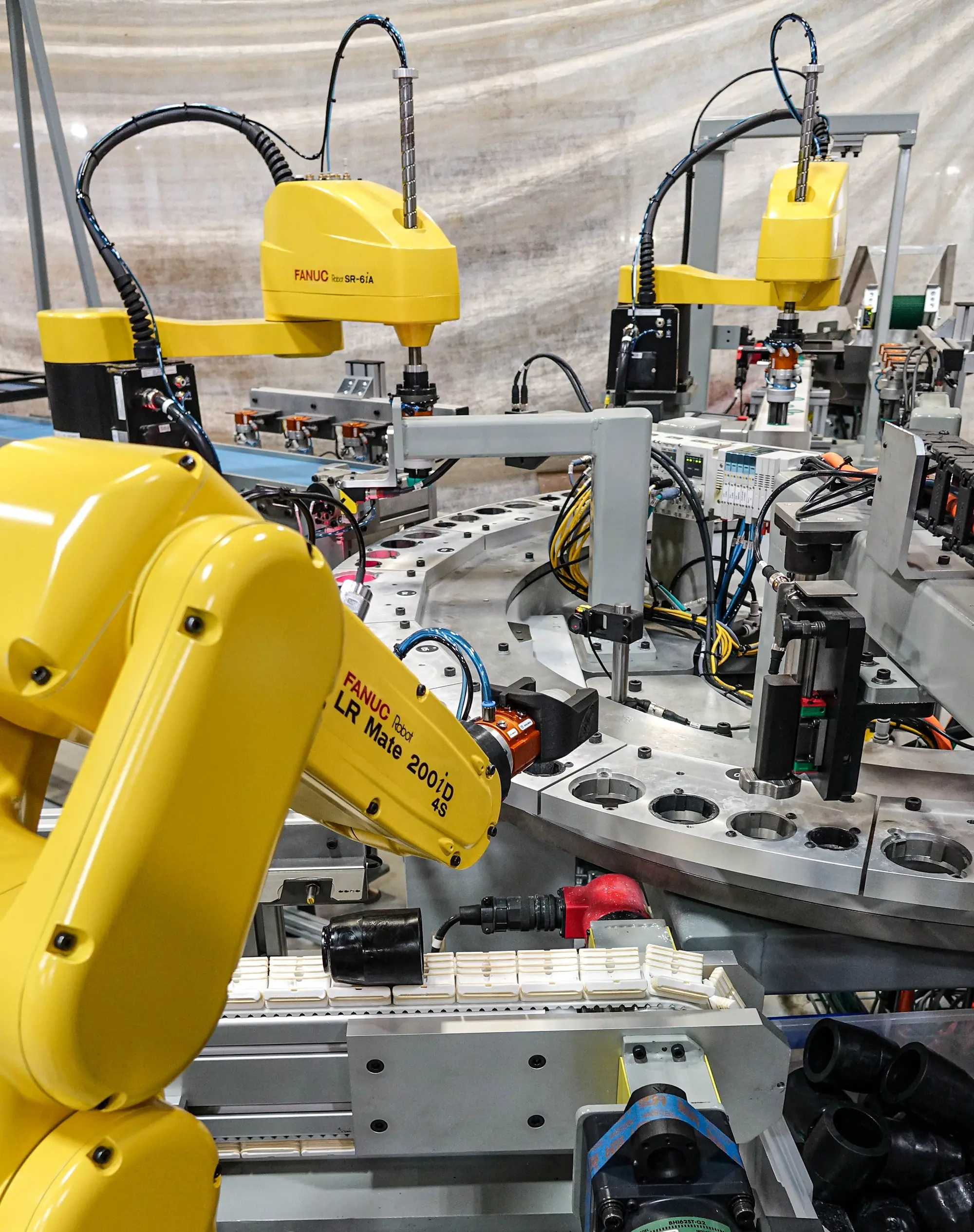
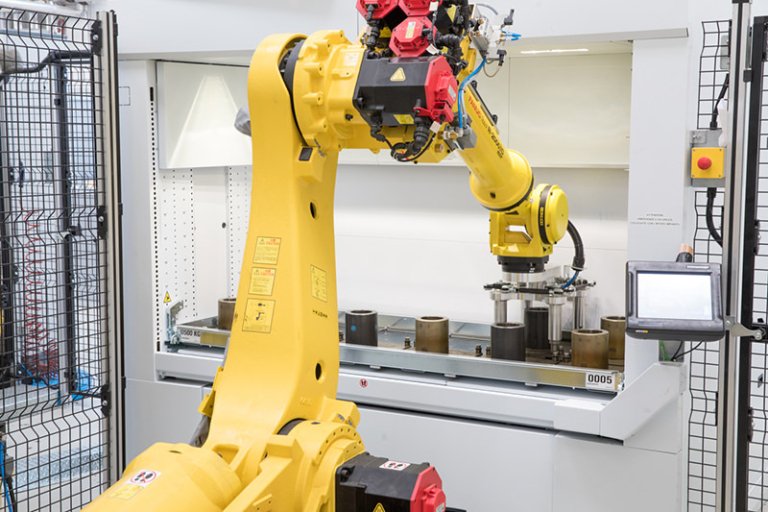
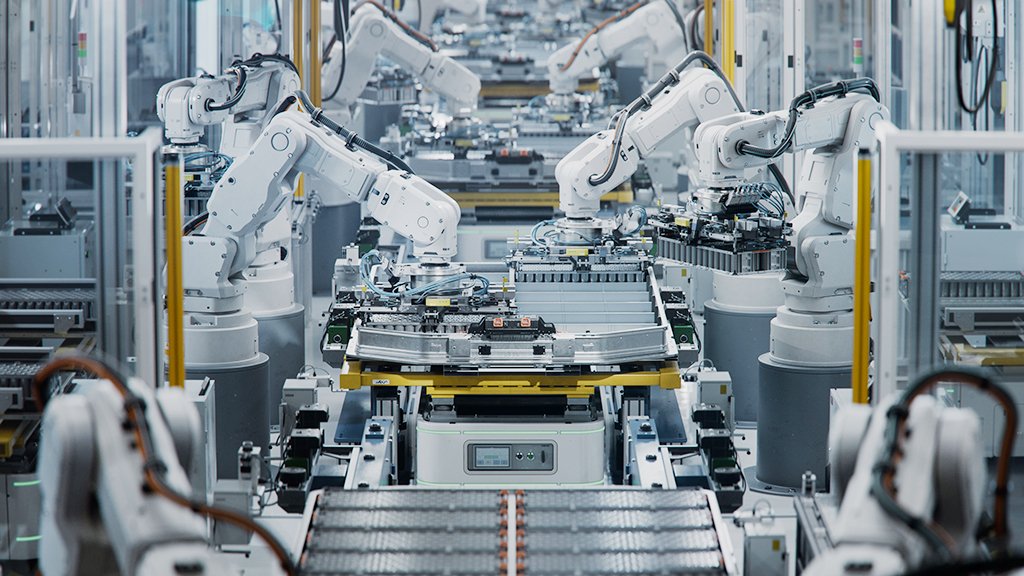
The work behind a working cell
Installation, controls, guarding and commissioning — the unglamorous half that decides whether equipment earns its keep.


Take the detail with you
Asked before you ask
01 Do you do the integration yourselves?
No, and it is worth being direct about why. We are a wholesaler: buying power, stock, logistics and product knowledge. Integration is an engineering business that needs people who know your process and your building, usually based near it. Trying to be both would make us worse at the first without making us credible at the second. So partners deliver the engineering, we supply the equipment and coordinate the contract, and both halves appear on one quotation.
02 If something goes wrong, who is responsible?
It depends what went wrong, which is exactly why we write it down before work starts. Equipment faults are the manufacturer's warranty and we handle those claims. Design, installation, programming and the behaviour of the finished system are the integrator's, and they carry professional responsibility for that work. Combining machines into an installation usually creates a new machine in the legal sense, and declaring it is the integrator's or the operator's duty — not the equipment supplier's. Ask any supplier to put this split in writing; the ones who resist are telling you something.
03 Can we use our own integrator?
Please do, if you have one you trust. A good integrator who knows your plant is worth more than a stranger we introduce, and we would rather supply the equipment and support them properly than push you toward a partner for the sake of it. We will deal with them directly on configuration, lead times and spares so you are not relaying technical questions between two suppliers.
04 Do you have partners in our country?
In some regions yes, in others no, and we will tell you which before you order rather than after the hardware has shipped. Where we have no partner near you, the options are your own integrator, a partner who travels — which changes the cost and the response times — or supply-only while you arrange the engineering. All three are workable; discovering the gap late is not.
05 What should we insist on at handover?
Programs and source code, backups, passwords, as-built drawings, the safety file, training records and a spares list for the whole cell rather than just the robot. Without those you cannot maintain the system independently or change integrator later, and asking for them afterwards is a much weaker position than making them contract deliverables. This applies to any supplier, including ours — it is why we publish a checklist rather than keeping it to ourselves.
06 How much does integration cost relative to the equipment?
There is no honest general answer, which is why we do not publish a ratio. It depends on your building, your existing controls, how much of your process has to change and how well documented your current setup is. The same equipment in two plants can differ substantially. What we can do is quote your project properly after a feasibility stage — and tell you at that stage if the integration cost makes the whole thing not worth doing.
Tell us the process, not just the equipment
Describe what the work is now and what you want it to become. You will hear back within two working days with the scope that fits, whether we have a partner near you, and how we would price it.
If you are buying equipment rather than a project, start with the category itself — integration can be added to any of them.