
Custom projects, when nothing in the catalogue is the answer
One-off buildings, difficult sites and briefs that cross categories. Feasibility first, priced before it is built, engineered for where it is going, and manufactured off site by the team that designed it.
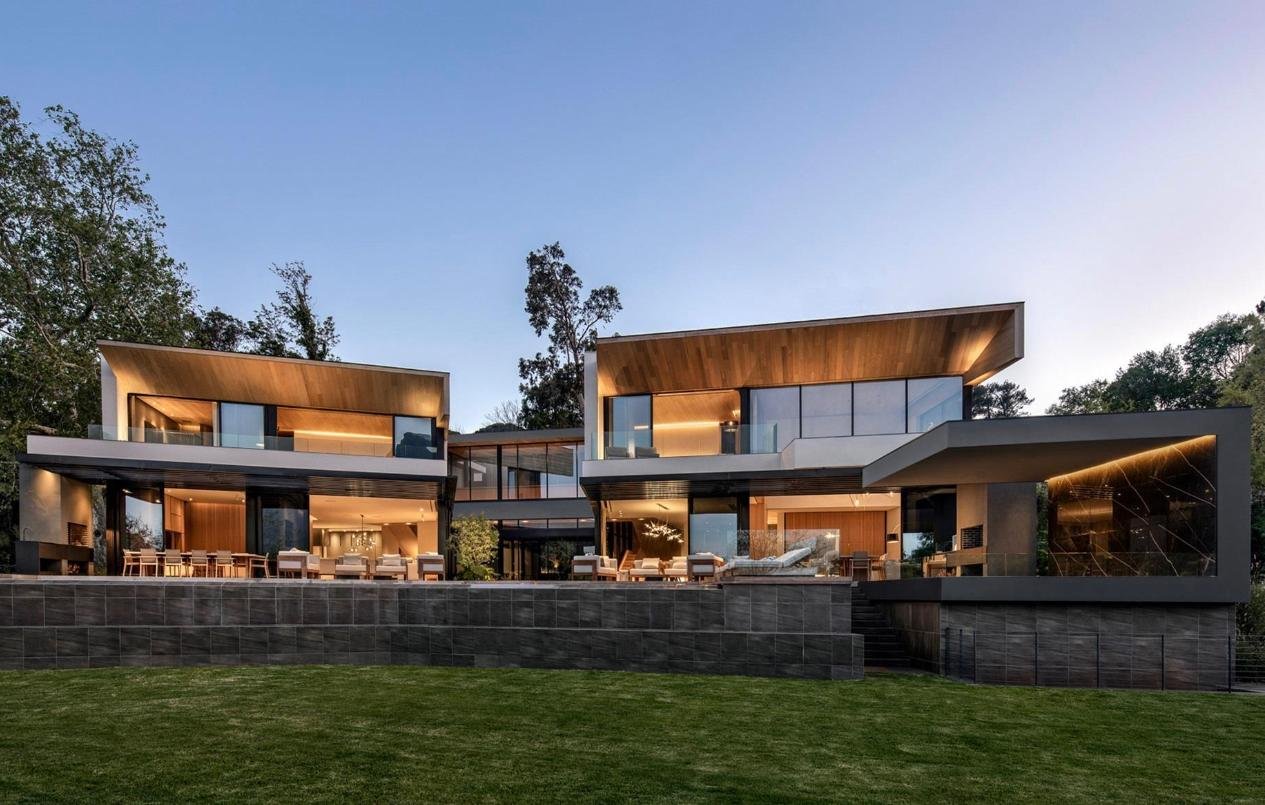
Bespoke where it shows, standard where it does not
Some briefs do not fit a category. A site nobody can get a concrete truck to, a building that has to be three things at once, a rollout that has to look identical in eleven countries, or a shape that only makes sense for one client.
Those are the projects this page is for. We take them from a first conversation through feasibility, design, engineering, manufacture and installation, with one team carrying the brief the whole way rather than handing it between consultants who have never met.
The thing worth knowing early is where a custom project's cost actually comes from. It is rarely the visible design. It is the parts underneath that get reinvented: structure, envelope build-up, service routes, connections and the jigs the factory needs.
So we keep those standard wherever the brief allows and spend the budget where it is seen and used. That single decision is usually the difference between a bespoke building that gets built and one that stays a drawing — and it is the first thing we will talk to you about.
Why choose AXION for a one-off
-
An honest feasibility first
Including the answer you may not want: that a standard category would serve this brief better, and which one.
-
Priced before it is built
Scope, specification and programme fixed at design freeze, so the number you approve is the number you are working to.
-
Changes priced before they happen
Every variation costed and agreed in writing before work proceeds, which is how a custom job stays out of dispute.
-
Standard parts under a bespoke skin
Proven structure, build-ups and connections beneath the custom design, so the budget goes where it is seen.
-
One team, first call to handover
The people who priced it engineer it, build it and install it, so the brief does not get lost between companies.
-
Engineered for where it is going
Destination code, climate, wind and seismic loads, and the access route designed for from the first sketch.
-
Built off site
Manufacture runs while foundations and services are prepared, which protects the programme on hard sites.
-
Repeatable afterwards
A one-off that works becomes a documented type, so the second and eleventh cost less than the first.
What we take on
A sample rather than a limit. If it is a building and it can be made in a factory, it is worth an enquiry.
- One-off residences
- Mixed-use and hybrid buildings
- Remote and access-constrained sites
- Multi-site rollouts to a brand standard
- Visitor centres & pavilions
- Research & monitoring stations
- Sports, leisure & community buildings
- Buildings around fixed plant or equipment
- Extensions to existing facilities
- Prototypes, show units & sales suites
- Adaptation of an existing AXION type
- Everything the other categories do not cover
How a custom project runs
Seven stages with a decision at the end of each. You can stop after any of them, and nothing goes to the factory until the drawings are signed.
-
Stage 01
Enquiry and feasibility
Brief, site, access, budget range and dates. We come back with whether it can be built, roughly what shape it takes, and whether a standard category would do it better and cheaper.
-
Stage 02
Concept design
Two or three options with layouts, massing and an indicative cost range for each, so the trade-offs are visible while they are still cheap to change.
-
Stage 03
Developed design and price
One option taken to a fixed specification, programme and price. This is the design freeze, and it is where the commitment is made on both sides.
-
Stage 04
Engineering and approvals
Structural and services engineering, destination code compliance, permit drawings and your approvals. Nothing is released to manufacture until this is signed off.
-
Stage 05
Manufacture
Built in the factory with staged inspections you are welcome at, while foundations, services and access are prepared on site in parallel.
-
Stage 06
Delivery and installation
Transport planned around the real access route, then craning, assembly, connection and weathertightness by our own installation crews.
-
Stage 07
Commissioning and handover
Systems commissioned and tested, snags closed, then as-builts, O&M manuals, certificates, training and warranty — with aftercare under an agreement if you want it.
What is fixed and what is open
On a custom project the specification is the output of the design stages, not an input. What follows is how each line gets decided, and it is confirmed on the approved drawings for your project.
- Starting point
- An existing AXION type adapted, or a clean sheet where the brief genuinely needs one
- Delivery format
- Volumetric modules, panelised, flat-pack or hybrid, decided by the access route and the crane you can get to site
- Structure
- Steel or hybrid frame engineered to the destination loads, including transport and lifting cases
- Envelope
- Build-up specified for the destination climate, with the external finish open to the design
- Services
- Electrical, plumbing, heating, cooling and ventilation designed to the use and the local supply
- Compliance
- Designed to the building code, fire and accessibility requirements of the destination jurisdiction
- Foundations
- Slab, pads, piers or piles, sized to the ground investigation and set out to the bearing points
- Manufacture
- Factory built with staged inspections, and a first-article review where a rollout follows
- Transport
- Route surveyed for width, height, weight and turning before the module size is fixed
- Installation
- Craning, assembly, connection and weathertightness by our crews, with a site-specific method statement
- Programme
- Stage dates set at design freeze, with manufacture running in parallel with site preparation
- Change control
- Variations priced, dated and agreed in writing before the work proceeds
- Documentation
- As-builts, O&M manuals, certificates, spares schedule and warranties at handover
- Repeatability
- A completed one-off can be documented as a type for later units at a lower unit cost
- Aftercare
- Maintenance, spares and support under an agreement, or handover to your own facilities team
All dimensions are nominal and confirmed on the approved drawings for your project.
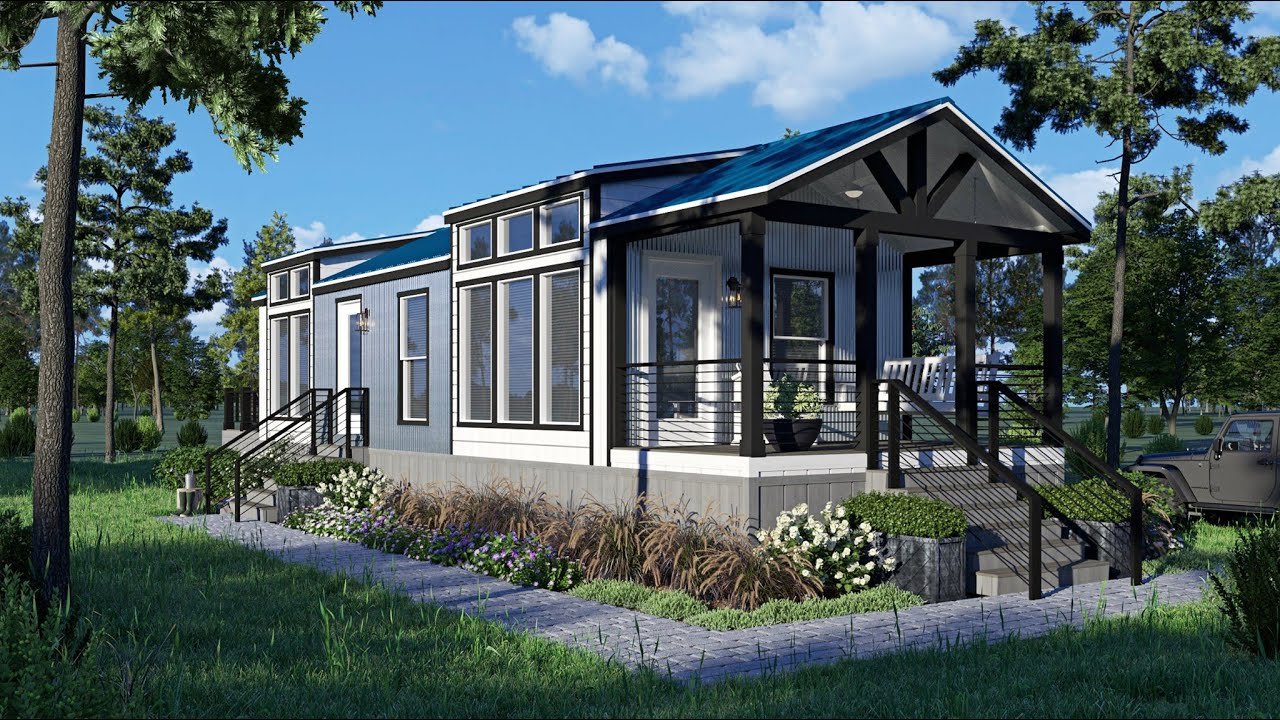
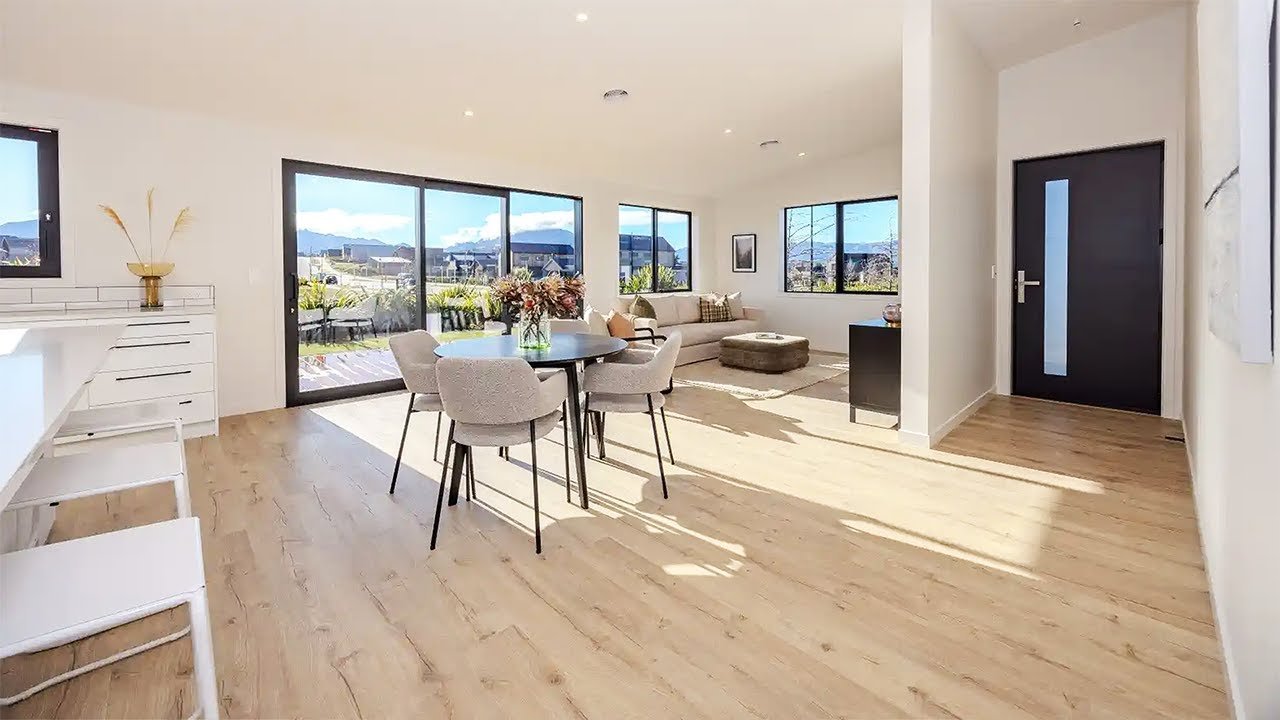
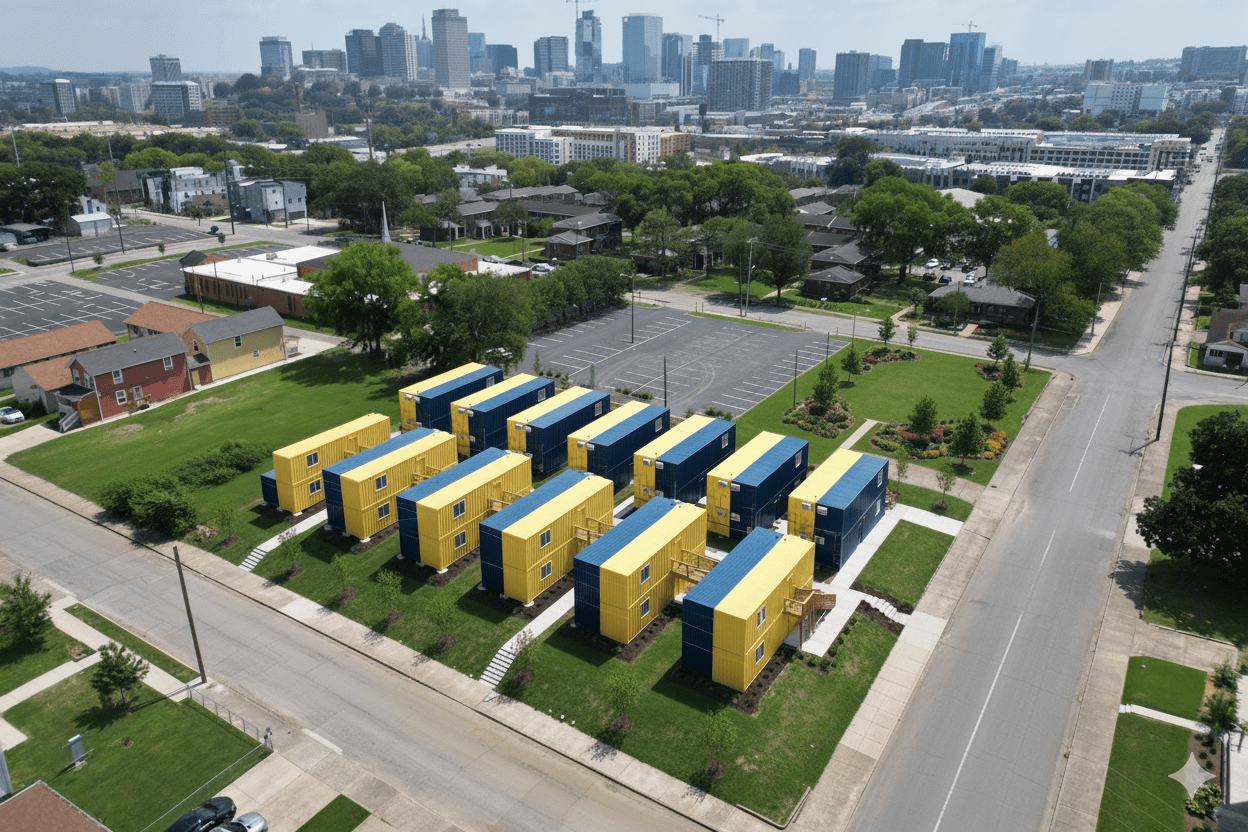
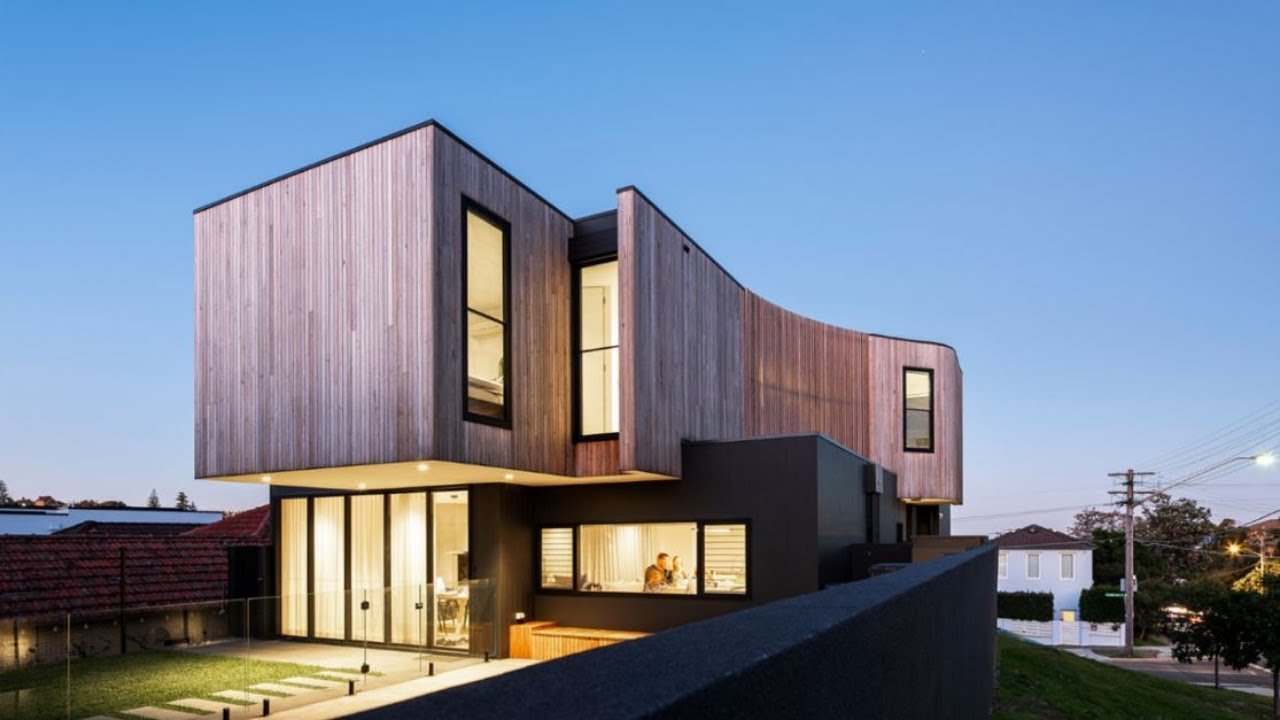
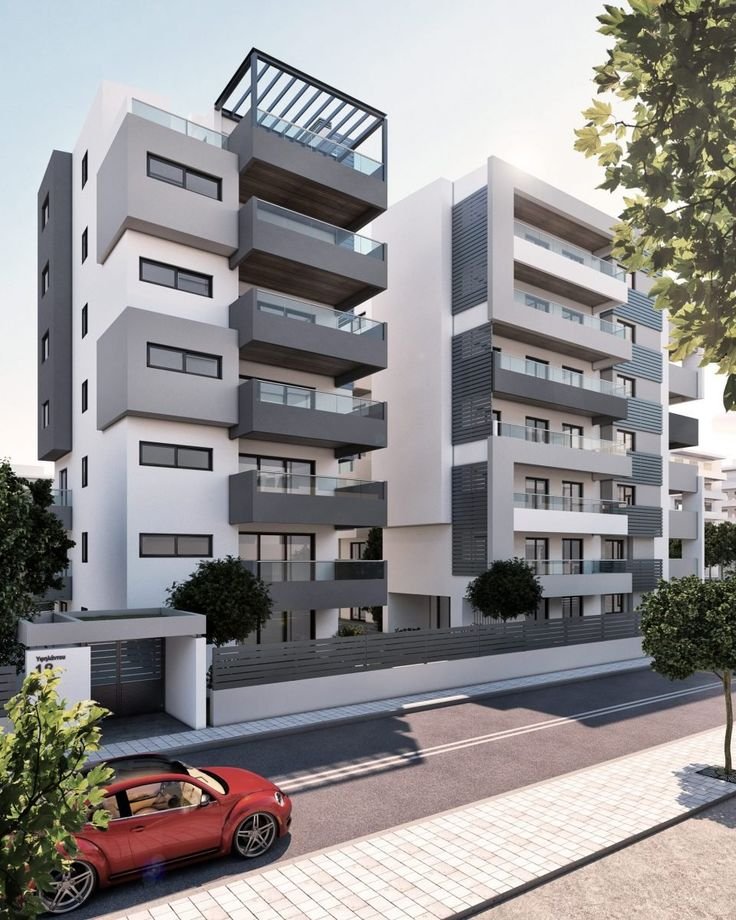
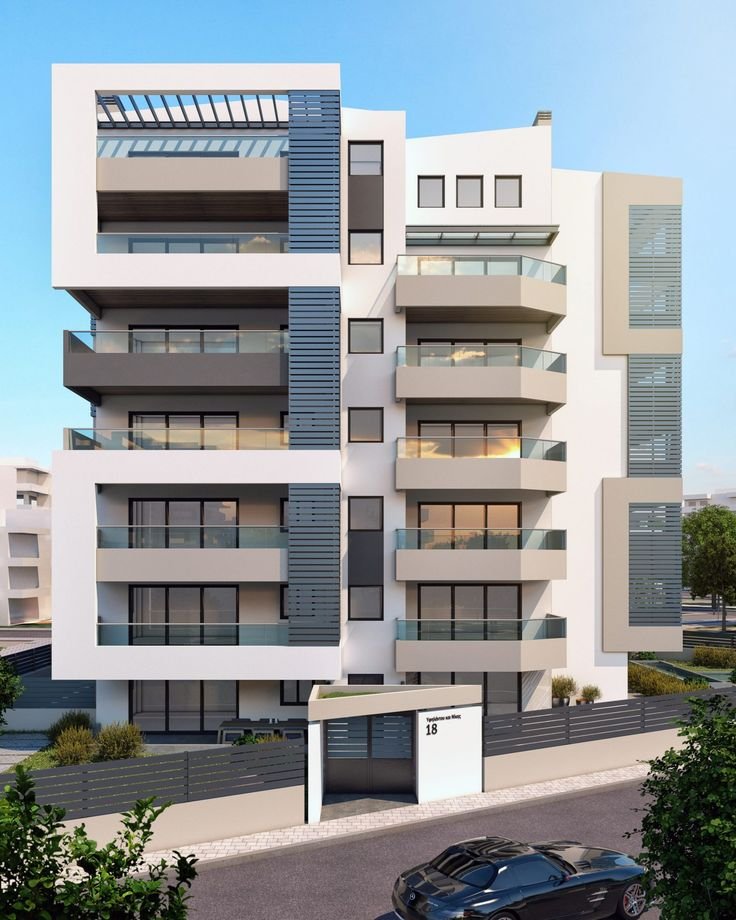
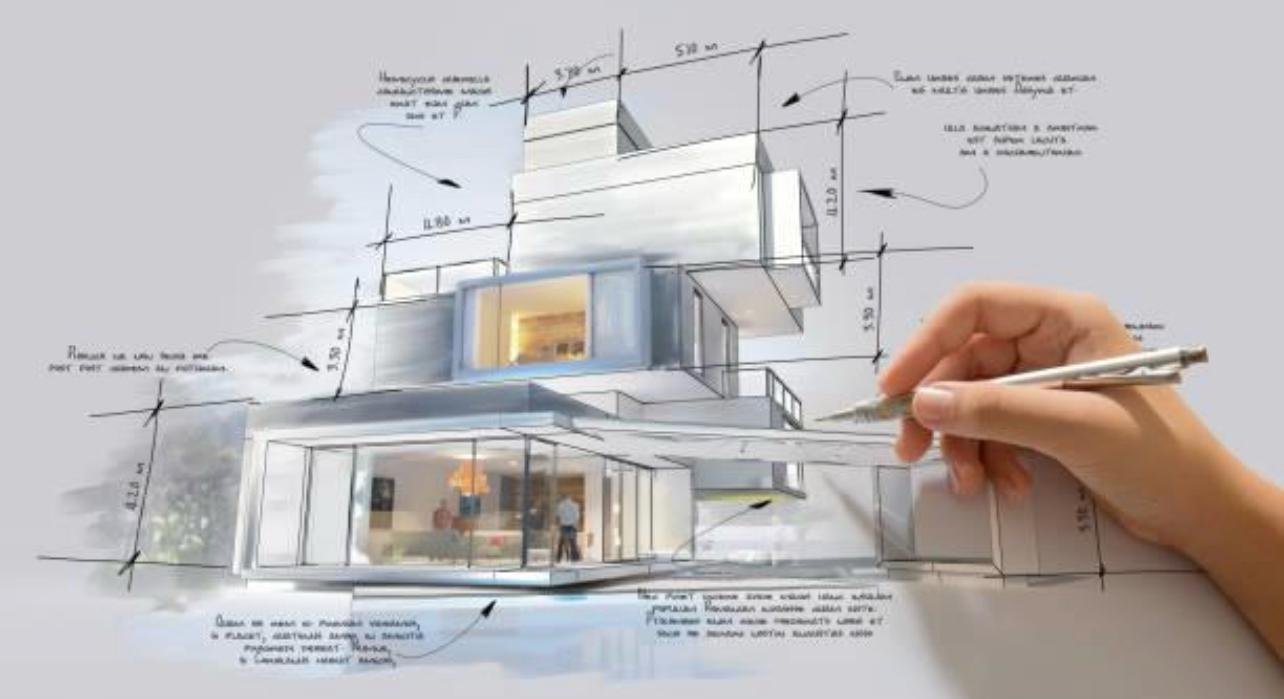
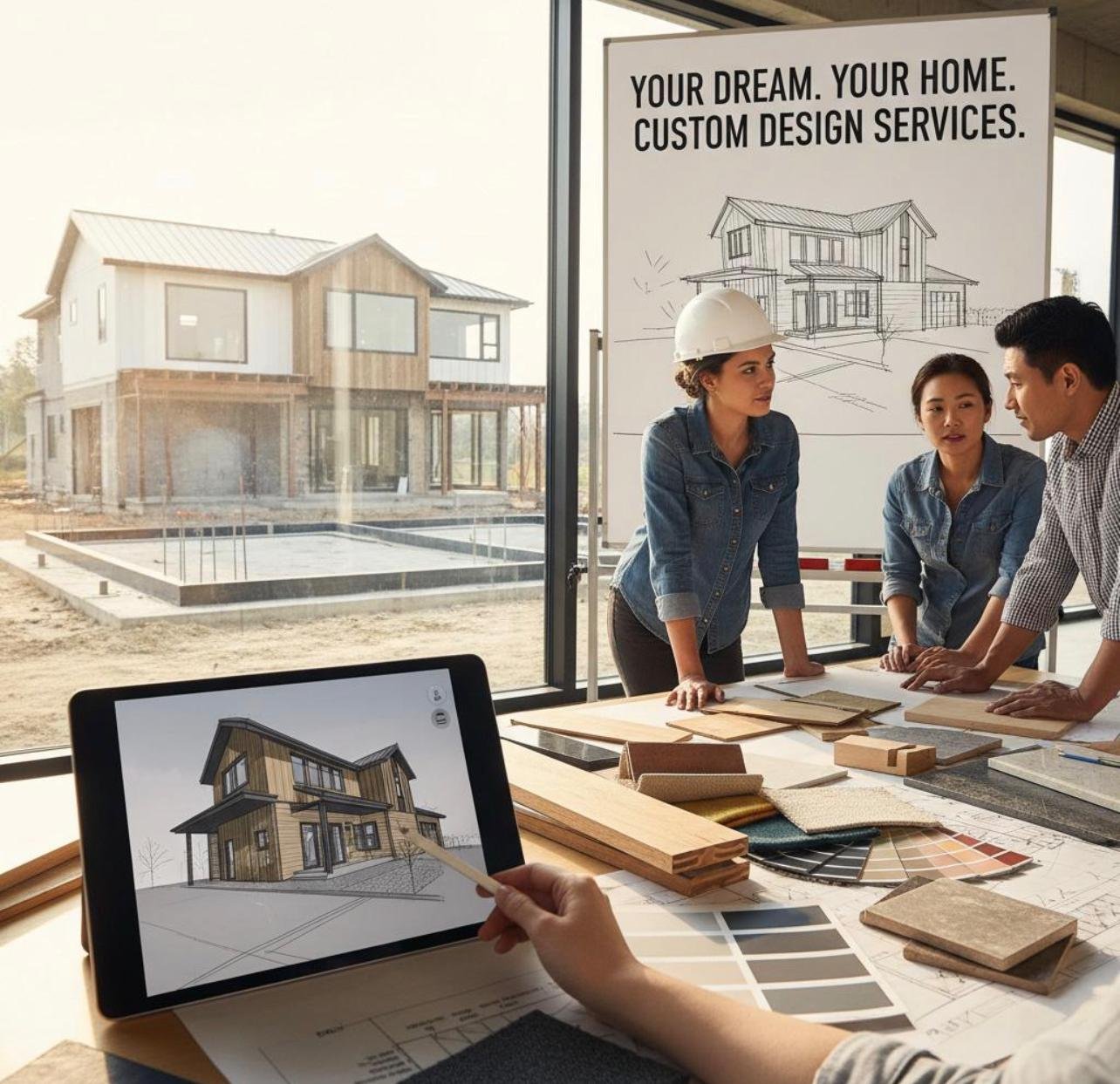
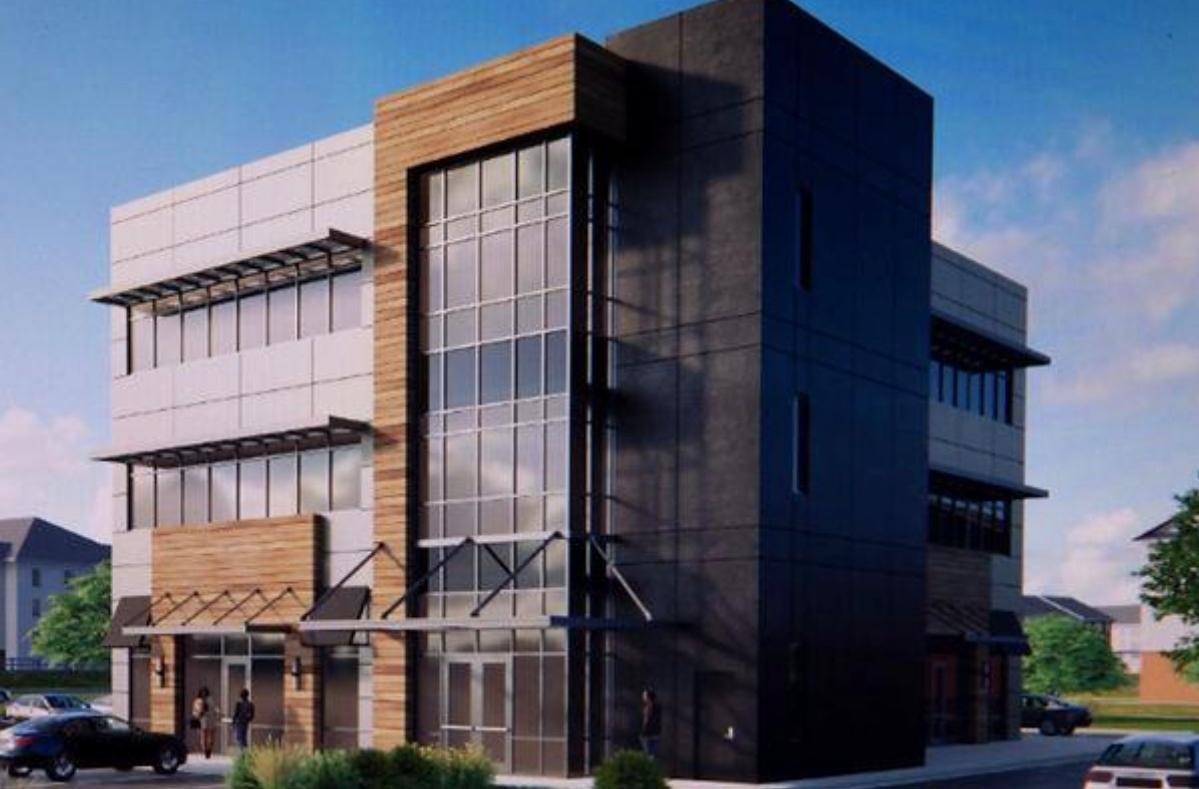
A look at the work
One-off buildings, unusual sites and work in progress from delivered projects.
Take the detail with you
Tell us what you are trying to build
Send the brief, the site and the constraints — including the ones you think are dealbreakers. You will hear back shortly with next steps and an honest view of whether we are the right people for it.
If your project is closer to one of these than you thought, start there instead — the standard categories are quicker and cost less.