
Field robotics, delivered before the season
Seeding, weeding, spraying, harvesting and crop monitoring machines for dealers and growers. Configured to your crop and row spacing, supplied with a spares kit, and scheduled backwards from the week the machine has to be working.
A machine that misses the window is a machine that waits a year
Everything else we supply can arrive late and still be useful. Field equipment cannot. A weeder that lands three weeks after the weeds got away, or a harvester that clears customs after the fruit has dropped, is dead capital until the same week next season.
So we quote against the crop calendar rather than the order date. Tell us the week the machine has to be working and we work backwards through production, freight and customs. If the window cannot be met, you will hear that at quotation — and an honest "next season" beats a hopeful date every time.
The other half is the field itself. Row spacing, bed width, crop variety, growth stage, soil, slope and stone content decide whether a machine works at all, and a weeder set up for lettuce is not a weeder for onions. Vision-guided machines have to be shown your crop at your stages before they perform. Photographs of the actual field, taken in ordinary conditions rather than on a good day, are worth more than any specification discussion.
We supply, configure, test and ship, with a spares kit in the crate because a farm is rarely near a service depot. Field commissioning, agronomy and integration with your farm management software run through partner integrators and local dealers, quoted separately.
Why buy field machines through us
-
Scheduled to the season
We work backwards from the week you need it working, and say plainly if the window cannot be met.
-
Crop and field checked first
Row spacing, variety, terrain and stone content reviewed before quoting, because they decide whether it works at all.
-
Audited factories
We visit and test before a line is listed, so you are not the one discovering a supplier's quality problem.
-
Spares in the crate
Wear parts and a starter kit ship with the machine, because a breakdown mid-harvest costs more than the part ever will.
-
Built to work off-grid
Machines that keep running where there is no signal, rather than assuming a connection the field does not have.
-
Running costs stated
Guidance corrections, licences and consumables are on the quotation, so the second-year cost is not a surprise.
-
Rules flagged early
Supervision requirements for autonomous machinery and application licensing for sprayers, checked for your country.
-
Training for operators
Material written for the person who will actually run it at 5am, not for an engineer with the manual open.
Where they earn their keep
A sample rather than a limit. Send the crop, the area and the row spacing and we will tell you which class fits — including when a conventional implement does the job better.
- Arable & row crops
- Vegetables & salad
- Orchards & top fruit
- Vineyards
- Soft fruit & berries
- Greenhouses & protected growing
- Nurseries & ornamentals
- Vertical & indoor farms
- Livestock housing
- Poultry houses
- Packhouse & post-harvest
- Research farms & trial plots
- Estate & grounds maintenance
Six classes we stock and source
Seeding & planting
Precision drills, transplanters and planting robots set to your row spacing and seed, working to a repeatable placement the rest of the season depends on.
Weeding & thinning
Mechanical, laser and vision-guided weeders. The strongest business case in the category, and the class most sensitive to crop, stage and weed pressure.
Spraying & application
Targeted and banded application that treats plants rather than whole fields. Subject to application licensing and drift rules in most markets.
Harvesting & picking
Selective harvesters and picking platforms for fruit, vegetables and protected crops. The hardest class technically, and the one to trial before you commit a fleet.
Crop monitoring & scouting
Ground and aerial sensing for stand counts, disease scouting and yield estimation, feeding the records your agronomist already keeps.
Autonomous carriers & tractors
Implement carriers and compact autonomous tractors that pull the tools you already own, where the manufacturer supports the hitch and control standard.
What comes as standard
In every order. Field commissioning, agronomy support, farm software integration and guidance correction subscriptions are quoted separately — see the specification table for the ones that recur.
-
Machine configured to your rows
Track width, bed width and tool spacing set to the field you described, not to a factory default.
-
Crop configuration
Set up for the crop and growth stages you named, with the settings recorded so a second machine matches the first.
-
Charging or fuelling equipment
The chargers, packs or fuelling gear the model needs, sized to a working day rather than a datasheet cycle.
-
Spares & wear kit
Blades, nozzles, belts, filters and the parts that fail first, in the crate rather than on a six-week order.
-
Season plan with the quotation
Production, freight and customs mapped backwards from the week the machine has to be in the field.
-
Pre-shipment test record
Machine run, functions checked, firmware and serial numbers recorded, with photographs issued before crating.
-
Operator training pack
Written for the person running it before dawn: daily checks, common faults, and what to do when it stops.
-
Documentation & packing
Manuals, declarations and certification file, crated for sea or air with battery documentation where it applies.
What is fixed and what is chosen per order
Field machines are specified around the crop, the ground and the season, so this table describes how each line gets decided. Confirmed values for your order appear on the configuration sheet before production.
- Machine classes
- Seeding and planting, weeding and thinning, spraying and application, harvesting and picking, crop monitoring, autonomous carriers and tractors
- Crop & variety
- Configured to the crop and growth stages you name. A machine set up for one crop is rarely a machine for another without reconfiguration or retraining
- Row & bed geometry
- Row spacing, bed width and track width confirmed at order — these decide the model, not the other way round
- Terrain
- Slope, soil type, stone content and moisture limits stated per model by the manufacturer. Heavy, stony or steep ground rules some classes out entirely
- Coverage
- Rated figures are the manufacturer's, measured under ideal conditions, and issued per model with the quotation. Your real rate depends on your field and your season
- Power
- Battery, diesel or hybrid, sized to a working day in your conditions rather than to the datasheet cycle
- Guidance
- Satellite guidance with RTK correction on most precision machines. The correction service is usually a subscription — a recurring cost, quoted with the machine
- Autonomy & supervision
- Most jurisdictions still require a supervising operator for autonomous field machinery, and the rules differ by country and machine class. Confirmed for your destination before order
- Connectivity
- Machines are specified to keep working without signal, with data syncing when a connection returns. Assume the far corner of the field has none
- Implements
- Hitch, hydraulic and control-standard compatibility stated per model where the machine is intended to pull tools you already own
- Vision & crop models
- Vision-guided machines are trained on crops and stages. Performance on your variety is established by trial, not by a published figure
- Spraying compliance
- Application licensing, drift rules, buffer zones, tank cleaning and operator protection are governed locally and remain the operator's responsibility. We confirm what the destination requires before supplying
- Environment
- Dust, moisture and wash-down ratings selected for field use, including whether the machine can be pressure washed and where it cannot
- Season plan
- Production, freight and customs scheduled backwards from the week the machine must be working, and stated on the quotation
- Spares & wear parts
- Blades, nozzles, belts, filters and tines are consumables here. A kit ships with the machine and a holding is recommended per season
- Running costs
- Correction subscriptions, software licences, consumables and wear parts stated on the quotation, so the second-year figure is known before the first invoice
- Documentation
- Manuals, declarations, certification file and test record, in the destination language where available
- Warranty & support
- Manufacturer's terms per model, with remote diagnostics and claims raised and chased by us with the factory
All specifications are confirmed on the approved configuration sheet for your order.
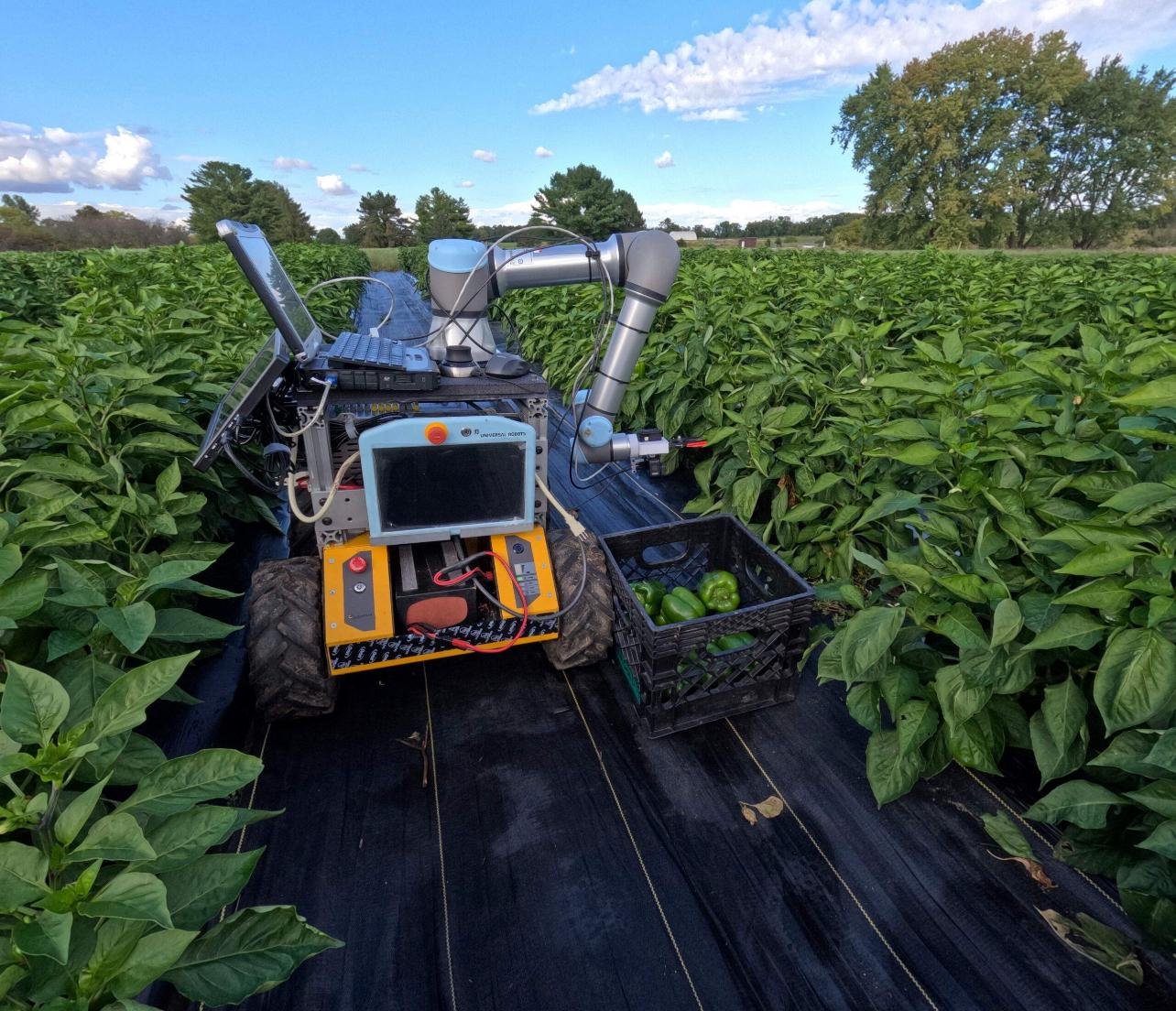
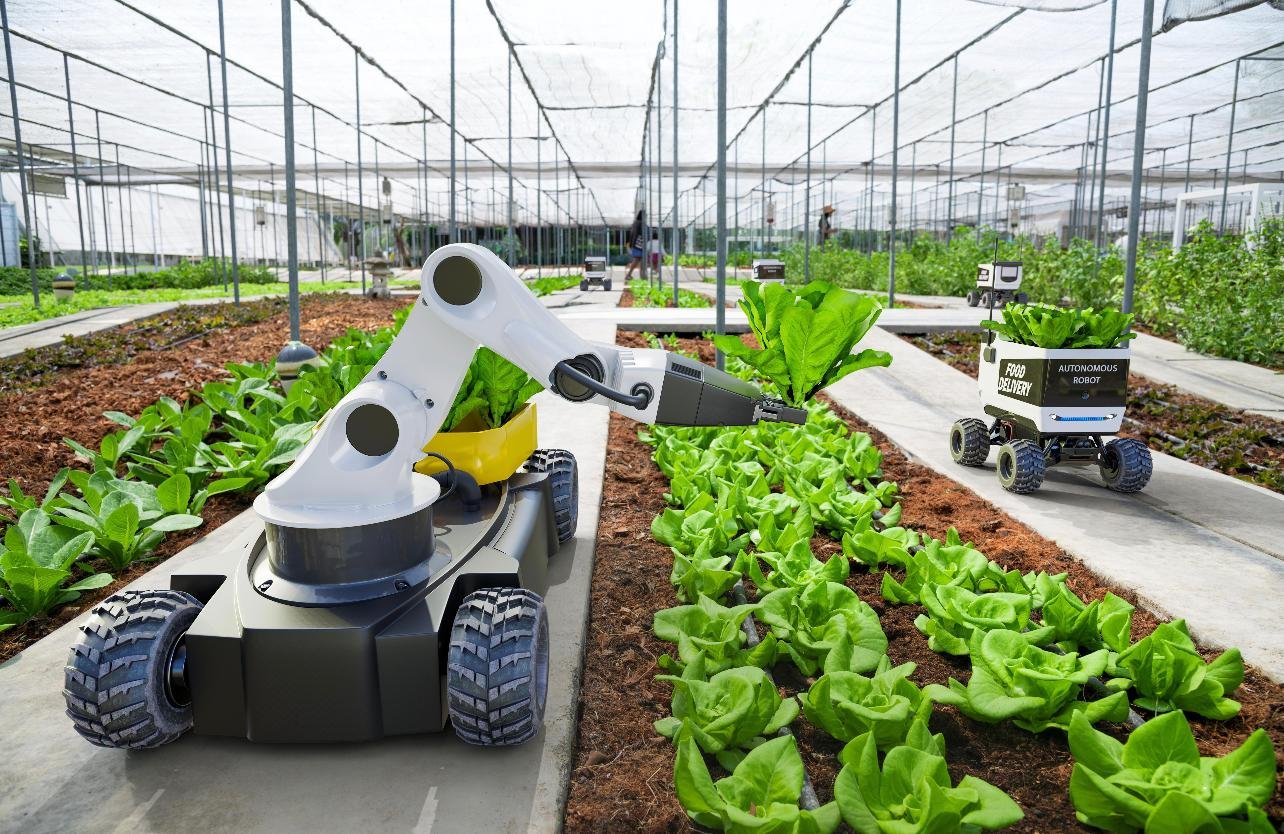
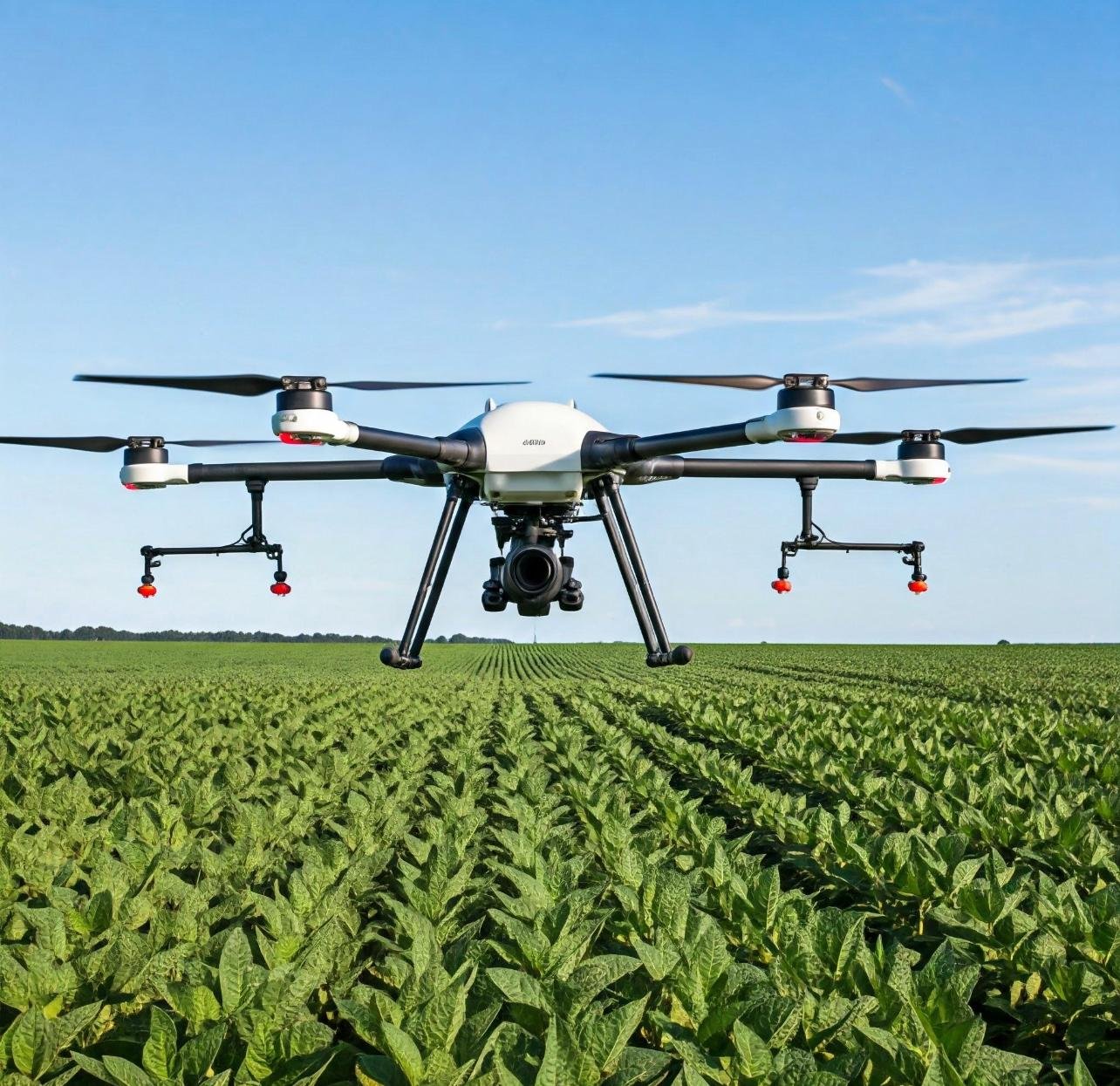
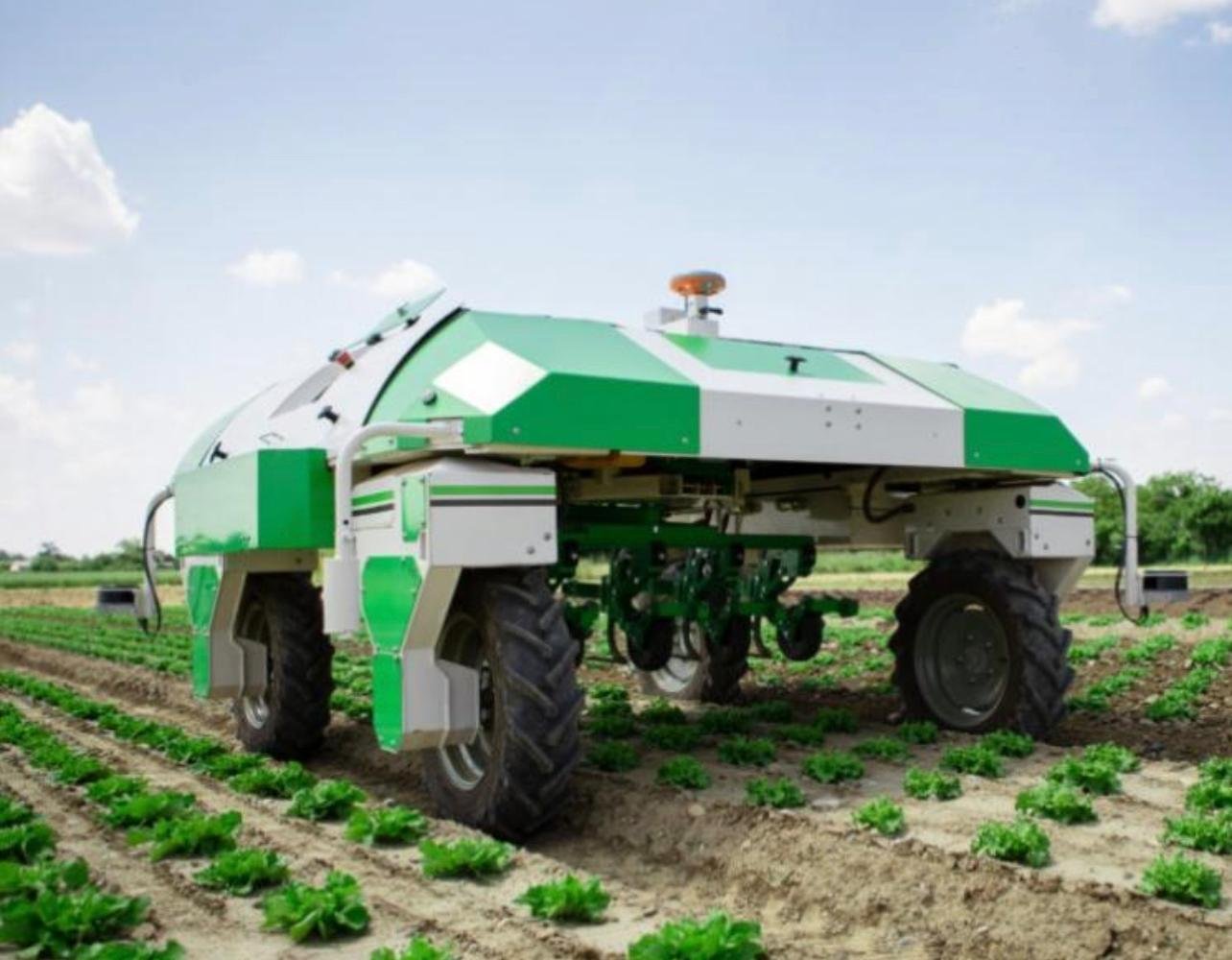
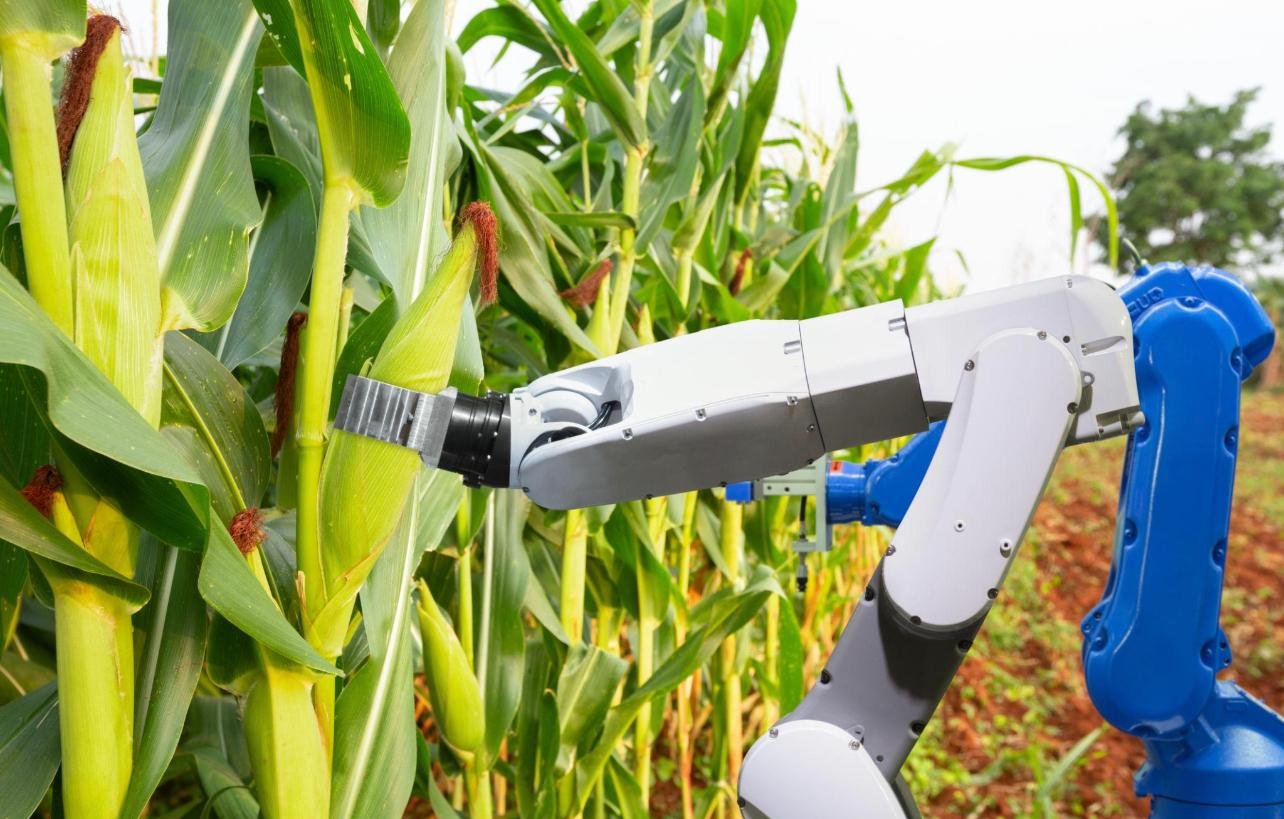
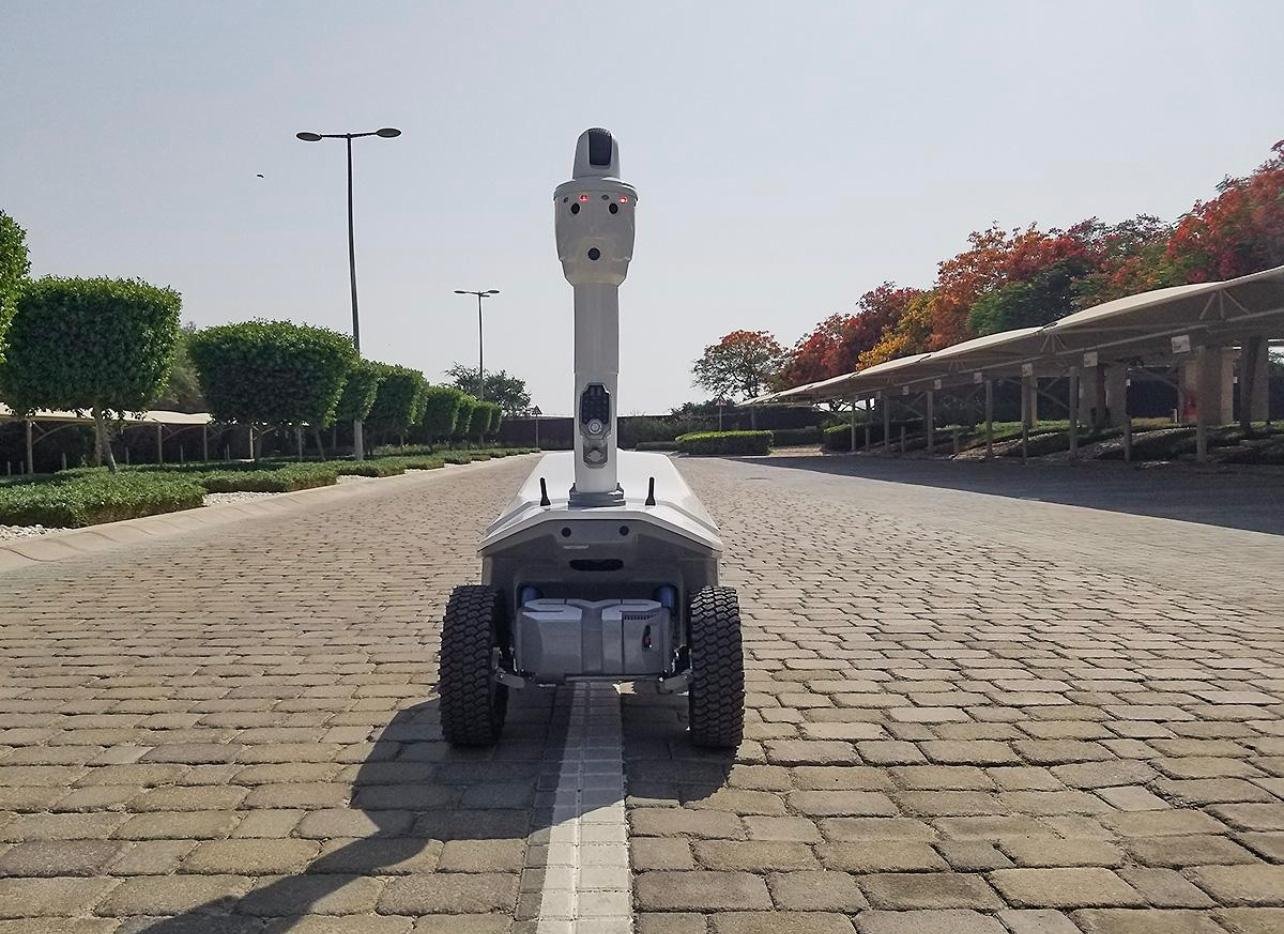
The category in the field
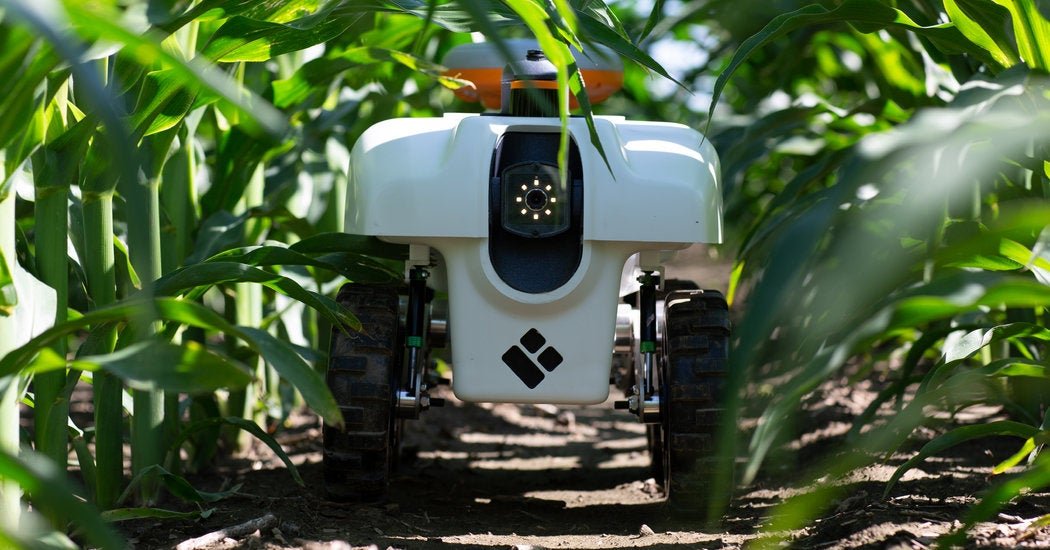
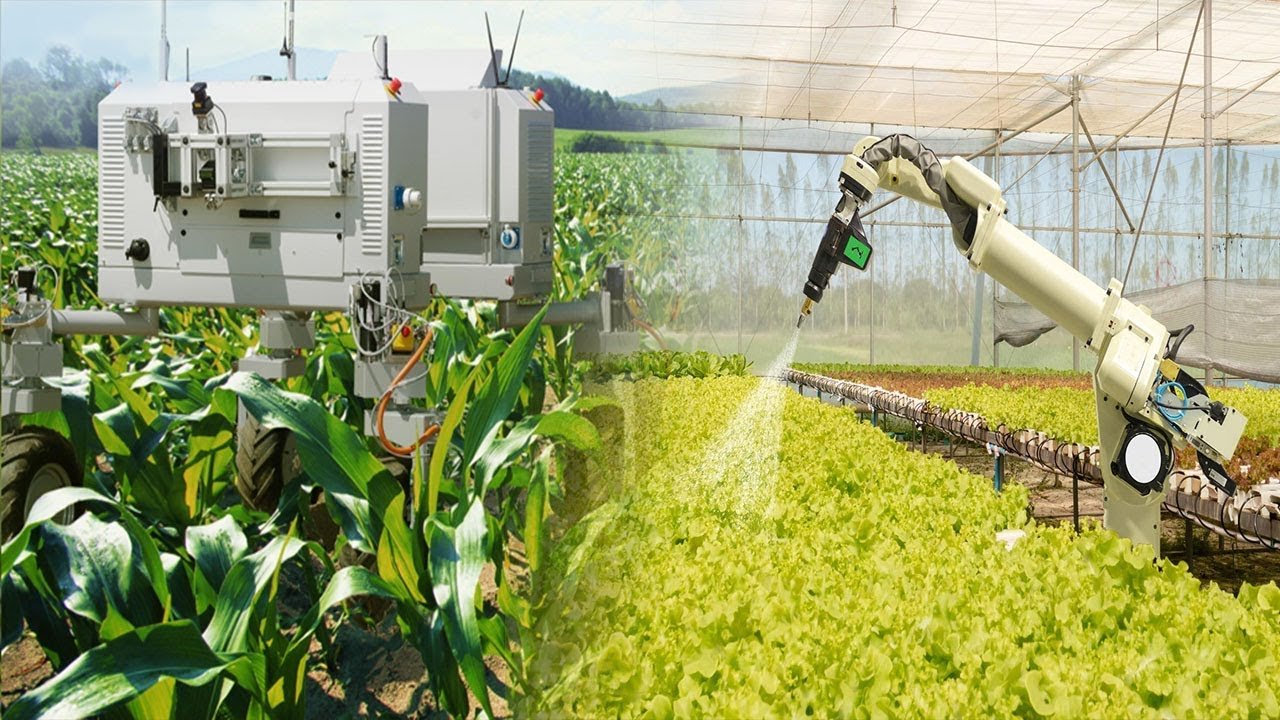
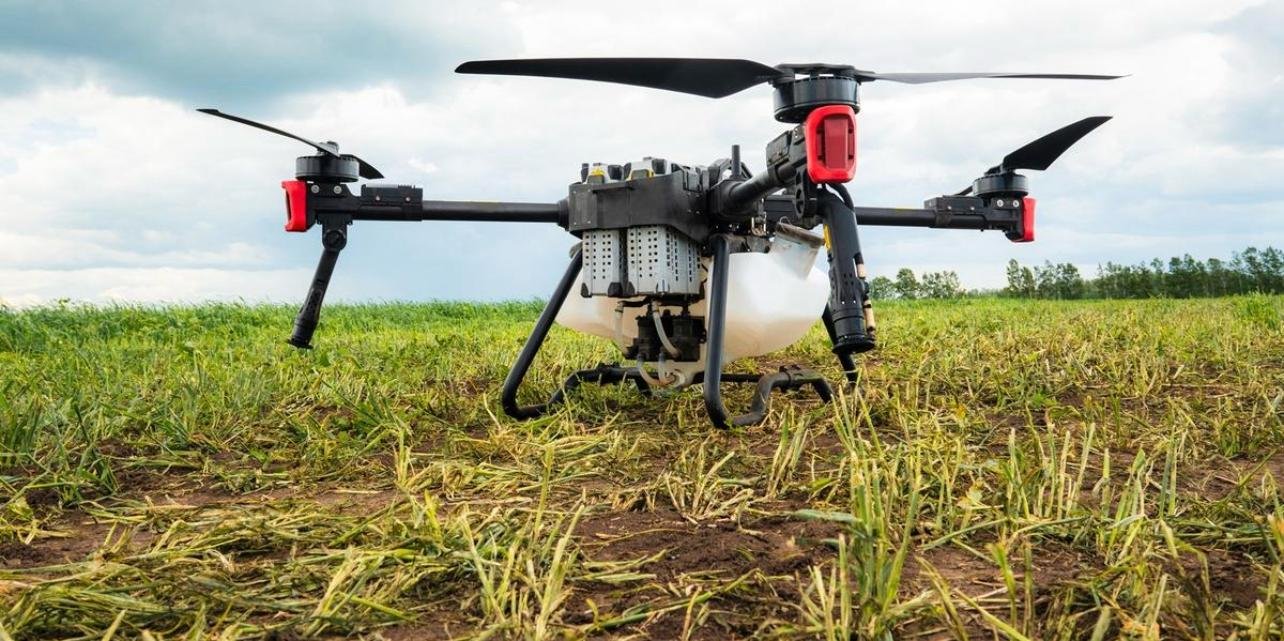
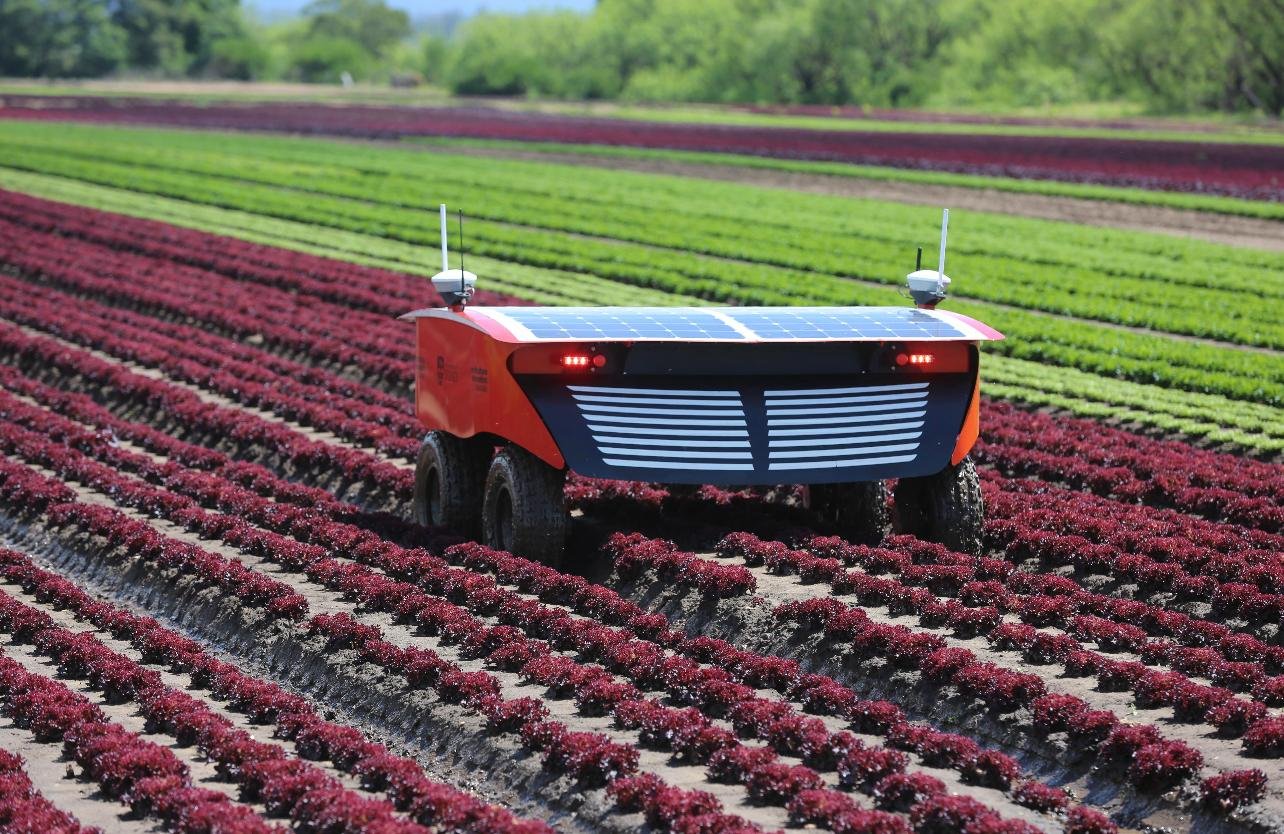
Machines working in real crops, in ordinary conditions.
Take the detail with you
Asked before you ask
01 Will it work in my crop, on my ground?
That is the whole question, and it is why we ask for the field before quoting. Row spacing, bed width, variety, growth stage, soil, slope and stones all decide it, and a machine configured for one crop usually needs reconfiguring or retraining for another. Send photographs taken on an ordinary day rather than a good one, and we will tell you honestly whether the class suits — including when it does not.
02 Can it run unattended?
Technically some can. Legally, most jurisdictions still require a supervising operator for autonomous field machinery, and the rules vary by country and by machine class. We confirm what your destination requires before the order rather than leaving you to discover it from an inspector. Nobody should be planning a driverless farm on the strength of a video.
03 There is no signal in half our fields. Does that matter?
It should not. We specify machines that keep working offline and sync their records when a connection returns, and we treat the far corner of the field as having none. What does need checking is guidance: precision work usually relies on an RTK correction signal, which comes either from a base station on the farm or from a subscription service, and coverage for the latter varies by region.
04 What are the ongoing costs?
Wear parts first — blades, nozzles, belts, filters and tines are consumables on this equipment. Then guidance correction, which is usually a subscription, and any software licence attached to the machine. Sprayers also sit under application licensing wherever they are used. All of it goes on the quotation, because a grower who budgeted only for the machine is an unhappy customer in month two.
05 What happens if it breaks mid-harvest?
Assume it will, at the worst possible week. That is why a wear kit ships in the crate rather than being ordered when the machine stops, why we recommend a season holding of the parts that fail first, and why remote diagnostics matter more here than anywhere else in the division. We raise and chase warranty claims with the factory, but the honest protection is having the part already on the farm.
06 How far ahead should we order?
Further than feels necessary. Between production, freight, customs and the commissioning you will want before the work starts, the machine needs to be on the farm comfortably ahead of the window — not in the week it is needed. Tell us the week it has to be working and we will schedule backwards and show you the dates. If the season cannot be met we will say so and offer the next one, because a machine that arrives late costs a year, not a week.
Send the crop, the field and the season
Tell us what you grow, how it is planted and the week the machine has to be working. You will hear back within two working days with the class that fits, whether the season can be met, and an indicative range.
If the task is closer to one of these, start there instead — the pricing, the lead time and the paperwork are all different.